
A friend of mine — a talented food blogger — spent the better part of half a year crafting meticulous, long-form content. Great writing, solid recipes, gorgeous photos. But her traffic was essentially flatlined. When we finally sat down and dug into her strategy, the problem jumped out immediately: she’d been targeting high-volume, brutally competitive keywords she had zero realistic chance of ranking for. No keyword research process. Just gut feeling. Sound familiar?
That story is way more common than people admit, and it’s exactly why getting keyword research right in 2026 isn’t optional — it’s the foundation everything else is built on. Let’s dig into what actually works right now, not what worked three years ago.
Why Your Old Keyword Strategy Is Probably Broken
SEO in 2026 is far more than placing keywords — search intent and tailored content determine whether users are satisfied and search engines prefer your site. That’s a massive shift from the old “find a high-volume word, stuff it in your title” playbook. If you’re still operating that way, you’re leaving traffic on the table.
In 2026, keyword research goes beyond identifying high-volume keywords and focuses on intent, context, and real user value. It’s about knowing users’ wants, predicting trends, and providing value through intelligent, organized, contextual content.
And one of the biggest structural changes? Topic clusters are replacing traditional keyword strategies — while individual keywords used to be at the center, the focus is now on the content networking of entire topic areas. This development means deeper relevance, better rankings, and longer dwell time.

The Real 2026 Keyword Research Framework
Here’s the framework that’s actually producing results right now. Think of it in three layers: Intent Mapping → Opportunity Scoring → Predictive Timing.
Layer 1 — Intent Mapping: Search intents divide into four main categories — informational (users looking for knowledge or answers), navigational (users wanting to find a specific website), transactional (users ready to make a purchase), and commercial (users researching before a purchase decision). Every keyword you target needs to be bucketed into one of these before you write a single word.
Layer 2 — Opportunity Scoring: Raw search volume alone means nothing. Accurate search volume data forms the foundation of effective keyword research. The best tools in 2026 combine Google Ads API data with proprietary sources to provide precise monthly search estimates — look for platforms offering volume ranges rather than exact numbers, as this typically indicates more reliable data collection methods.
Layer 3 — Predictive Timing: This is the edge most people miss. A strong machine learning SEO strategy focuses on timing, not just targeting. In modern SEO, publishing early on a rising trend often beats competing on established keywords.
The Best Keyword Research Tools in 2026 (With Honest Trade-offs)
Let’s talk tools — because the ecosystem has genuinely shifted. Here’s a breakdown of what’s worth your time and money:
- Semrush: Semrush remains a favorite among marketers due to its extensive database and features, providing comprehensive keyword analytics including search volumes, trends, and competitiveness — its keyword magic tool allows users to find long-tail keywords and related queries.
- Ahrefs: Ahrefs has become synonymous with high-quality backlink analysis, but its keyword research capabilities are equally impressive — the tool offers unique metrics such as keyword difficulty and clicks per search, providing a holistic view of any keyword’s potential.
- KWFinder: KWFinder has become the preferred choice for finding low-competition keywords in 2026 — the tool’s user-friendly interface masks sophisticated algorithms that identify long-tail opportunities competitors often overlook.
- SpyFu: SpyFu specializes in competitive keyword intelligence, making it one of the most valuable keyword tools for understanding competitor strategies — the 2026 version includes historical ranking data going back 15 years, revealing long-term SEO trends and seasonal patterns. Pricing starts at $39/month.
- AnswerThePublic: AnswerThePublic has evolved beyond simple question research to become a comprehensive intent-mapping tool by 2026 — the platform now categorizes keywords by user intent stages, from awareness through decision-making, helping create complete customer journey content strategies.
- Ubersuggest: Ubersuggest, developed by Neil Patel, is gaining popularity due to its straightforward features and affordability — the tool provides keyword suggestions, competitive analysis, and SEO audit capabilities, making it suitable for budgets of all sizes.
- Google Keyword Planner (Free baseline): Google Keyword Planner is a free keyword search tool to help advertisers build keyword lists for search campaigns — it also includes a keyword generator tool to find related keyword ideas, and can estimate costs to help refine your marketing strategy.
AI Is Changing the Game — But It’s Not a Magic Button
AI-driven insights are expected to shape the keyword research landscape in 2026, with tools leveraging AI for enhanced predictive analytics and personalized keyword suggestions. That’s genuinely exciting — but there’s a catch that doesn’t get talked about enough.
AI algorithms can analyze massive datasets far beyond human capabilities, allowing for the identification of hidden patterns, emerging trends, and long-tail keywords that would otherwise be missed. Specifically, AI can group keywords based on semantic similarity, identifying underlying themes and user intents — what’s called semantic clustering. This means instead of targeting 50 disconnected keywords, you build content around coherent themes that reinforce each other.
But watch out: not every spike leads to long-term growth, and predictions should always be tested — avoiding these mistakes is critical for a successful advanced SEO analytics strategy. Blind trust in AI keyword suggestions without human validation is how you end up writing 10 articles on a trend that evaporates in a month.
Long-Tail Keywords: Still Your Secret Weapon
Despite all the AI hype, one principle remains rock solid. Long-tail keywords are longer phrases with a specific topic or user intent — they provide less search volume but compete less. Using long-tail keywords, you can attract higher-quality visitors to your website, increase your conversion rates, and establish yourself as an authority in your industry.
The math here is simple: a keyword with 200 monthly searches and low competition that you can realistically rank #1 for beats a 50,000-search keyword where you’re buried on page 8. Every time.
The Voice Search & Local SEO Angle You Might Be Ignoring
Voice search optimization is a growing trend — tools will likely adapt to include insights specifically for voice search queries as this trend continues to grow. If your keywords still read like typed search queries and not natural speech, you’re missing an increasingly large slice of traffic.
On the local side: local keywords are the bread and butter for businesses that thrive on community presence — people are searching for services nearby more than ever, making it crucial to include city names, neighborhoods, and even colloquial terms in your keyword strategy.
A Practical Starting Workflow (Copy This)
If I were starting keyword research for a brand-new site today, here’s the exact sequence I’d follow:
- Start with a seed keyword list of 10–15 broad terms that define your niche.
- Run them through Semrush or Ahrefs to generate keyword clusters and difficulty scores.
- Use AnswerThePublic to map intent stages and uncover question-based opportunities.
- Cross-reference with Google Trends to spot rising topics before competitors do.
- Utilize a combination of tools such as Ahrefs, Semrush, Google Search Console, AnswerThePublic, and AI-based tools such as ChatGPT to find question-based and intent-based keywords.
- Build topic clusters around pillar pages, not individual keywords.
- Set a 90-day review cadence: keyword trends for 2026 are constantly evolving, and your keyword strategy should evolve as well — regularly updating your keyword research ensures that your SEO efforts remain relevant, effective, and competitive.
When Tools Alone Won’t Save You
Here’s something the tool vendors won’t tell you: keyword research serves as the foundation of any successful SEO strategy — it allows marketers to understand what potential customers are searching for, enabling more targeted content creation, and by understanding search intent and optimizing for relevant keywords, businesses can improve their visibility and connect better with their audience.
But foundation doesn’t mean finish line. A keyword list with zero content strategy behind it is just a spreadsheet. The magic happens when your keyword research directly informs your content calendar, your internal linking structure, and your topic authority — not when it just fills a title tag.
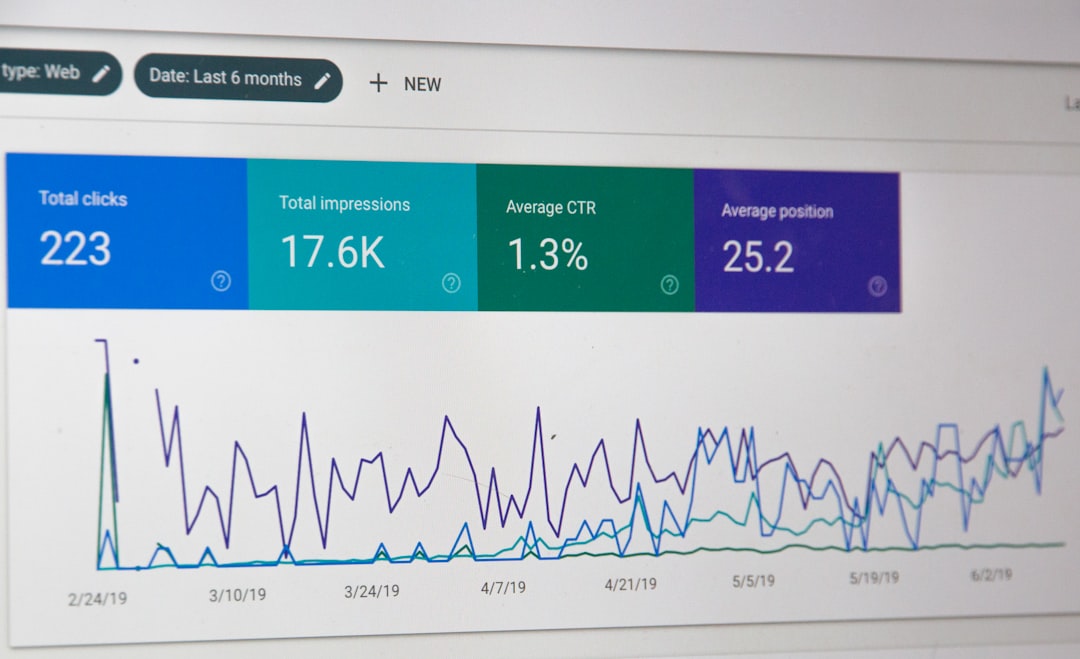
If you’re on a tight budget and can’t afford premium tools yet? Start with Google Search Console’s performance data (it’s free and shows you what you’re already ranking for), layer in Google Keyword Planner, and use the free tier of Ubersuggest. That combo will get you 70% of the way there before you need to invest in Semrush or Ahrefs.
Bottom line: Keyword research in 2026 isn’t about finding magic words — it’s about understanding human intent, timing your content intelligently, and building thematic depth that search engines reward. Whether you’re a solo blogger or running enterprise SEO, the core discipline is the same. Start with intent, validate with data, and never stop iterating. Got a keyword strategy you’ve been running for over a year without a refresh? That’s your sign — today’s the day to revisit it.
📚 관련된 다른 글도 읽어 보세요
- 코드 리뷰 제대로 안 하면 팀 속도 40% 날아간다 — 2026 소프트웨어 엔지니어링 코드 리뷰 베스트 프랙티스 완전 정복
- How to Integrate DevOps with Software Engineering in 2026: A Practical Roadmap for Modern Teams
- 2026년 6G 통신 기술 개발 현황 총정리 — 상용화는 언제, 어디까지 왔나?
태그: []