
Let me paint you a picture. A friend of mine — a sharp content marketer with years of experience — spent half a year building out a content library targeting high-volume, low-competition keywords. She used all the classic tactics: find the volume, check the difficulty score, publish, repeat. By month six? Crickets. Almost zero organic traction. The culprit? She was playing by 2019 rules in a 2026 game. Sound familiar?
Keyword research has quietly gone through one of its most dramatic transformations in history, and a lot of practitioners haven’t caught up yet. Let’s dig into what’s actually changed, what still works, and how to build a keyword strategy that holds up right now.

Why the “Find High Volume, Low Competition” Formula Is Broken
For years, the keyword research playbook was gloriously simple: find a phrase with high search volume and low competition, write something decent, and watch the traffic roll in. That era is over.
Here’s the hard data: 58.5% of searches in the US now result in zero clicks — meaning Google (or an AI engine) answers the query directly, and the user never visits any website. In the EU, that number climbs to 59.7%. If you’re still optimizing purely for volume, you’re optimizing for an audience that may never arrive.
On top of that, 91.8% of all searches are long-tail keywords — specific, multi-word phrases that reflect genuine user intent. And here’s the kicker: long-tail keywords convert at 2.5 times the rate of short-tail terms. Volume isn’t the goal anymore. Intent is.
The 2026 Paradigm Shift: From Keywords to Conversations
The way people search has fundamentally changed. With AI assistants like ChatGPT and Perplexity becoming mainstream discovery tools, users are typing (and speaking) in full, conversational sentences rather than clipped keyword fragments. A query like “best CRM” has evolved into “what CRM software is best for a 10-person remote sales team with a $500/month budget?”
This means your keyword research in 2026 must serve two masters simultaneously: traditional search engine results pages (SERPs) and AI-generated answer engines. Content that gets cited in AI responses needs to be authoritative, well-structured, and semantically rich — not just keyword-optimized.
Search engine algorithms now lean heavily on natural language processing (NLP) and semantic understanding. If you’re writing about electric vehicles, Google and AI engines expect your content to naturally include related terms like “charging infrastructure,” “battery range,” and “grid compatibility” — not because you stuffed them in, but because comprehensive topic coverage is now the ranking signal.
What Actually Works: The Intent-First Methodology
The shift isn’t from keywords to no-keywords. Keywords still matter — they remain the primary signal that tells search engines what your content is about. What’s changed is the methodology around them. Here’s the framework that’s working right now:
- Prioritize search intent over volume: Classify every target keyword by intent — informational, navigational, transactional, or commercial. A keyword with 500 monthly searches and clear transactional intent often outperforms a 10,000-search informational term in terms of ROI.
- Build topic clusters, not isolated pages: Instead of targeting one keyword per page, map out clusters of thematically related content. This builds topical authority and helps you rank for dozens of related terms simultaneously.
- Mine “People Also Ask” (PAA) sections: The PAA box in Google results is a real-time window into what your audience genuinely wants to know. Each PAA question is a potential H2 or H3 heading in your article — and a signal for AI citation eligibility.
- Use NLP and LSI terms naturally: These are the terms and phrases that naturally co-occur in expert writing on a topic. Tools like Semrush, Ahrefs, and Contadu can surface these automatically.
- Don’t rely on ChatGPT for keyword data: Seriously — AI language models will confidently give you keyword volume numbers that are simply fabricated. Stick to dedicated SEO platforms for actual search data.
- Place keywords strategically: Title tags, H1/H2 headers, meta descriptions, URL slugs, and image alt text — these placements still carry significant weight. But organic language always wins over forced insertion.
- Update your keyword research quarterly: Search behavior is evolving faster than ever. Annual keyword audits are no longer sufficient; quarterly reviews are now the minimum for competitive niches.
The Best Tools for Keyword Research in 2026
The toolbox has expanded considerably. Here’s a practical rundown of what’s worth your money and time:
- SEMrush: Still one of the most comprehensive platforms available. Its Keyword Magic Tool surfaces thousands of long-tail variants, and its competitive gap analysis shows you exactly where rivals are outranking you.
- Ahrefs: Exceptional for its unique “clicks per search” metric — a crucial data point in a world where 58%+ of searches end without a click. Tells you not just how many people search, but how many actually visit websites.
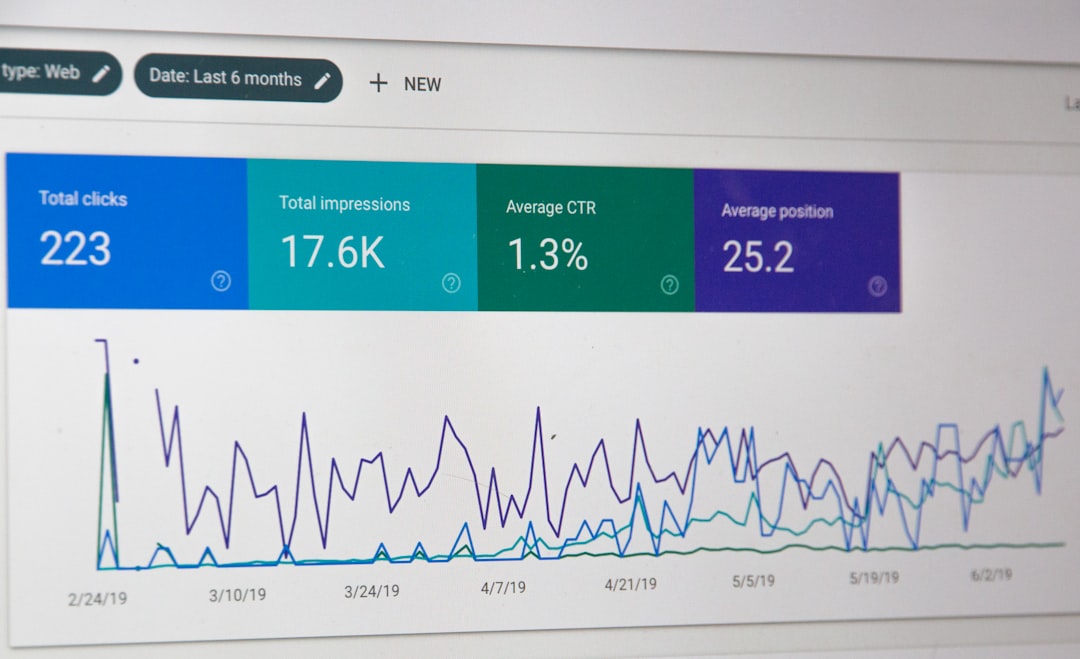
- Google Search Console (free): Underrated and essential. Shows you the exact queries that triggered impressions for your site — including AI Overview queries. This is ground-truth data you can’t get anywhere else.
- AlsoAsked: Brilliant for question-based keyword mining. Input any seed topic and get a visual map of all the related questions users are asking — perfect for building PAA-optimized content.
- Google Keyword Planner (free): Still a solid free baseline tool, especially for PPC cross-referencing. Not the deepest, but reliable and zero-cost.
- Contadu: Built specifically for the new paradigm — automates NLP term extraction, SERP intent analysis, and PAA question mapping into a single workflow.
The ROI Case: Why Getting This Right Is Worth the Effort
Here’s some motivation if you need it. B2B companies using strategic keyword research — specifically thought leadership SEO with consistent publishing — are seeing 748% ROI over three years, according to First Page Sage research. Compare that to basic content marketing without proper keyword research, which delivers just 16% ROI over the same period. That’s not a marginal difference. That’s the difference between a thriving content channel and an expensive hobby.
Organic search also now accounts for 44.6% of all B2B revenue — the single largest revenue channel across industries. And SEO-driven leads close at a 14.6% rate, versus just 1.7% for outbound methods. The math strongly favors getting your keyword strategy right.
Realistic Alternatives If You’re Starting From Scratch
If you’re a solo blogger or small business owner feeling overwhelmed, here’s a practical on-ramp: start with Google Search Console (free), Google Keyword Planner (free), and AlsoAsked (freemium). Focus exclusively on long-tail, question-based keywords with clear informational or transactional intent. Publish three to five tightly focused cluster articles around a single topic before moving on. This approach won’t make you an overnight sensation, but it builds real authority that compounds over time — and it’s the exact same methodology the high-ROI enterprise teams are using, just at a smaller scale.
If your budget allows one paid tool, start with Ahrefs or SEMrush — not both. Master one platform deeply before adding complexity.
💬 Drop a comment below — what’s the biggest keyword research mistake you’ve made, and how did you course-correct? I’d love to compare notes.
📚 관련된 다른 글도 읽어 보세요
- How to Integrate DevOps with Software Engineering in 2026: A Practical Roadmap for Modern Teams
- Blockchain & Web3 in 2026: Where Real-World Adoption Actually Stands (And What Still Needs Work)
- Domain-Driven Design in the Trenches: A 2026 Practitioner’s Guide to Real-World DDD Implementation
태그: []