
A friend of mine — a sharp developer who moonlights as a blogger — spent the better part of last year obsessing over one metric: monthly search volume. He’d open Ahrefs, sort by volume descending, and fire up content targeting 50,000+ searches a month. Six months later? Crickets. His rankings never materialized, his bounce rate was brutal, and his content calendar looked like a graveyard of half-finished articles on topics he didn’t even care about. Sound familiar? That story is exactly why I wanted to dig deep into what keyword research actually means in 2026 — because the rules have quietly, but dramatically, shifted.
The Volume-First Mindset Is Costing You Real Traffic
For years, keyword research was simple — find a phrase with high volume and low competition. In 2026, in the era of AI Search and semantic understanding, this approach is doomed to fail. The reason? The search landscape itself has fundamentally fractured. Keyword research has fundamentally shifted from volume-first to intent-first methodology. With 58.5% of searches now resulting in zero clicks, 91.8% of all searches being long-tail keywords, and AI search platforms accounting for growing search share, successful 2026 keyword research must serve two purposes: ranking in traditional search results and being cited in AI-generated answers.
Let that sink in — nearly 6 in 10 Google searches end without a single click to any website. Chasing volume on head terms is effectively chasing traffic that was never going to land on your page in the first place.
Despite repeated claims that “keywords are dead,” the reality is nuanced: keywords still signal relevance — they help search engines understand what the content is about. Exact match chasing is obsolete — keyword stuffing does not improve rankings. Context matters more — today’s systems focus on meaning, intent, and topic coverage rather than exact word counts.

The New Keyword Paradigm: Intent, Semantics, and AI Visibility
Fast forward to 2026, and we find ourselves in an era where understanding the nuances of search behavior is the gold standard. Keywords have morphed into conversational context, matching user queries with user intent more accurately than ever. This means your research workflow needs to change at a structural level.
Keyword research in 2026 combines traditional search analysis with AI search optimisation to identify the terms and topics your audience uses across Google, ChatGPT, and Perplexity. The process involves understanding search intent, building topical authority, and structuring content for both human readers and AI extraction.
Here’s a practical way to think about it: instead of picking keywords and building content around them, you reverse-engineer the questions your audience is already asking — across every platform they use. People will ask more complex, conversational questions. Your research must focus on anticipating these questions and creating content that provides comprehensive, authoritative answers, not just matching keywords.
What a 2026 Keyword Research Workflow Actually Looks Like
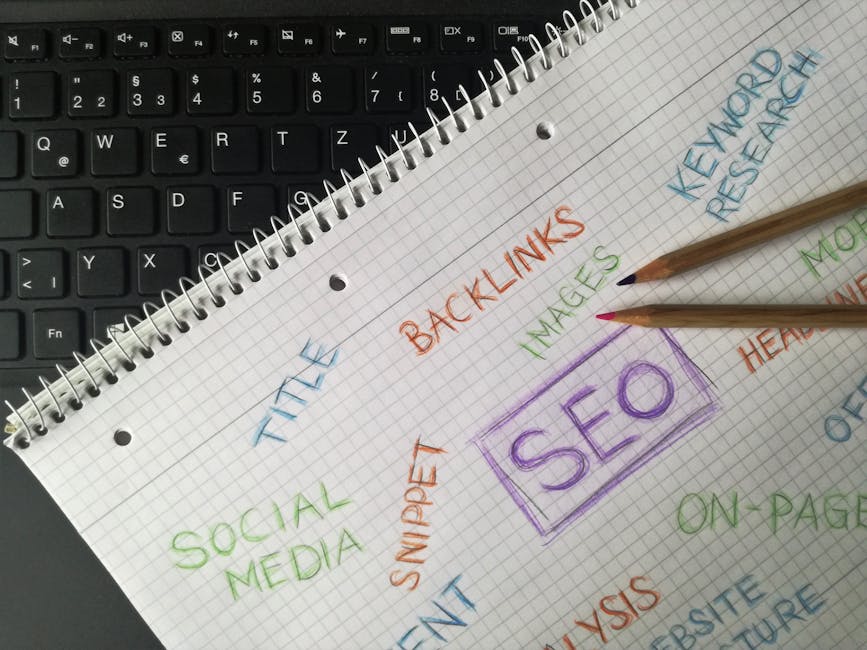
A five-phase framework works well: generate ideas, assess volume and difficulty, map to intent, cluster into topic silos, and build an editorial calendar. In 2026, search intent is more nuanced than ever. Knowing what users mean behind their queries helps you craft content that actually answers questions, not just ranks.
Within that framework, a few tactics stand out as genuinely high-leverage right now:
- Long-tail over head terms: Long-tail keywords are specific phrases (3+ words) with lower volume but higher conversion rates. Research shows 91.8% of searches are long-tail, and they convert at 2.5 times the rate of short-tail terms.
- People Also Ask (PAA) mining: The PAA section in Google results shows you real, related questions that users are asking. Each of these questions is a potential H2 or H3 heading in your article.
- Semantic / NLP co-occurrence: NLP and LSI keywords aren’t just synonyms — they are terms and phrases that naturally co-occur in conversation about a given topic.
- Zero-volume keywords can still win: Many valuable B2B queries don’t register in keyword tools because search volume is too low — but they represent high-intent buyers. Terms like “HubSpot onboarding agency London” may show zero volume yet drive qualified pipeline.
- Skip ChatGPT for keyword data: Don’t ask ChatGPT to give you blog keywords — it’ll lie to you. The data is never accurate in terms of how popular or difficult a particular keyword is.
- Review cadence matters: Review keyword strategy quarterly for most businesses. Search behaviour, competitor positioning, and AI search patterns evolve continuously. Annual keyword research is insufficient given the pace of change in 2026.
The Tools Worth Your Time in 2026
The toolbox has evolved significantly. The toolbox for keyword research has expanded significantly from cumbersome spreadsheets and basic Google searches. By 2026, a slew of emerging tools harness AI and predictive analytics, providing insights that are quicker, smarter.
Here’s where experienced practitioners are actually spending their time:
- SEMrush: SEMrush remains a favorite among marketers due to its extensive database and features. The tool provides comprehensive keyword analytics, including search volumes, trends, and competitiveness. Its keyword magic tool allows users to find long-tail keywords and related queries, making it invaluable for crafting content strategies.
- Ahrefs: Ahrefs has become synonymous with high-quality backlink analysis, but its keyword research capabilities are equally impressive. The tool offers unique metrics, such as keyword difficulty and clicks per search, providing a holistic view of any keyword’s potential.
- Google Search Console: To get a good handle on your blog keywords this year, Search Console shows you what people have searched when your site appears in the results — and yes, this includes AI Overviews / AI Mode queries, too.
- AlsoAsked: AlsoAsked is a top question-finding tool — just type in a keyword or trend and get a graph of all the related questions people are asking about the subject.
- Google Keyword Planner (free): In 2026, there’s a shift toward smarter SEO tools focused on user intent and search patterns. Trusted platforms such as Google Keyword Planner remain free and provide access to reliable insights.
The Business Case Is Stronger Than Ever
If you’re still thinking of keyword research as just an SEO checkbox, consider the financial upside. B2B companies using strategic keyword research achieve 702–1,389% ROI from SEO according to First Page Sage research. Even more telling: organic search generates 44.6% of all B2B revenue — the largest single channel. Thought leadership SEO with strategic keyword research delivers 748% ROI over three years, whilst basic content marketing without proper keyword research delivers only 16% ROI. That’s not a rounding error — that’s a 47x difference in outcome based almost entirely on research quality.
So What’s the Realistic Path Forward?
If you’re starting fresh or rebuilding a stale content strategy, the good news is that using keywords the way you did in 2010 won’t fly in 2026 — but if you were up to date on SEO best practices within the past three years, you’ll find that the shift to “2026 SEO” isn’t too dramatic, and keywords are indeed still relevant. The core formula remains elegant: Right Keyword + Right Intent + Quality Content = Traffic.
If your situation is A — you’re an established site with existing content — audit what’s already ranking, find intent mismatches, and retrofit semantic depth into existing pages before creating new ones. If your situation is B — you’re starting from zero — go entirely long-tail, build topic clusters around 3–5 pillar themes, and let authority accumulate before targeting competitive head terms. Either way, by targeting long-tail, intent-rich phrases you can outrank competitors for queries that matter most to your business.
💬 Drop a comment below: Are you still using volume as your primary filter for keyword selection, or have you made the switch to intent-first research? I’d love to hear what’s actually working in your niche right now — the real-world data from practitioners is always more useful than any tool dashboard.
📚 관련된 다른 글도 읽어 보세요
- Digital Twin Industrial Innovation in 2026: Real-World Cases That Are Quietly Reshaping Every Factory Floor
- Blockchain & Web3 in 2026: Where Real-World Adoption Actually Stands (And What Still Needs Work)
- I Wasted 6 Months Chasing Volume — The 2026 Keyword Research Reset You Actually Need
태그: []