
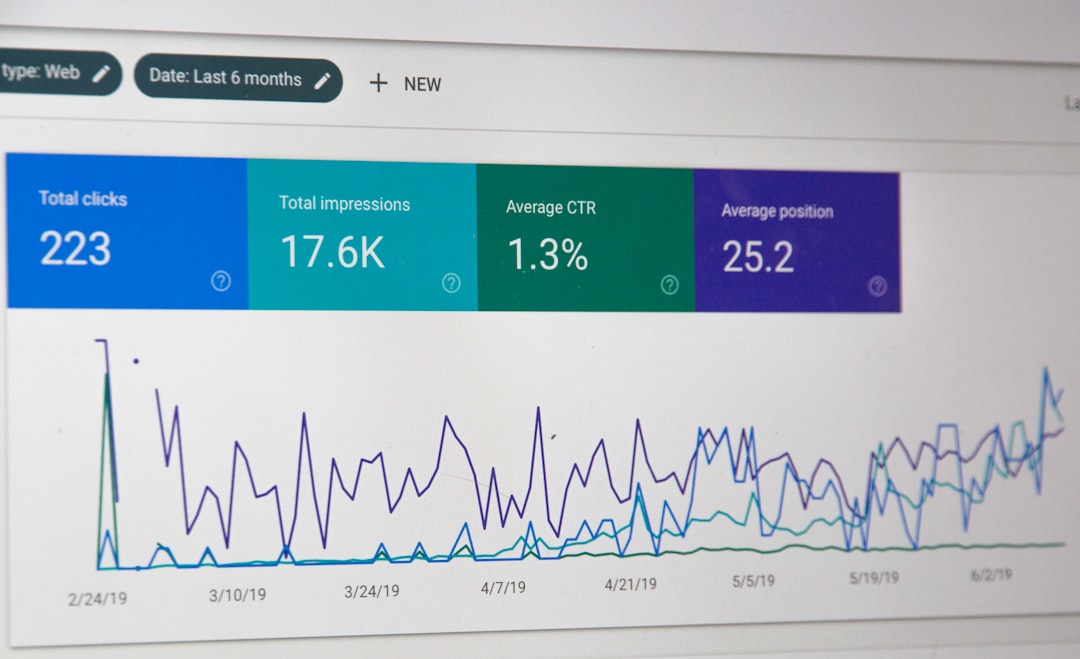
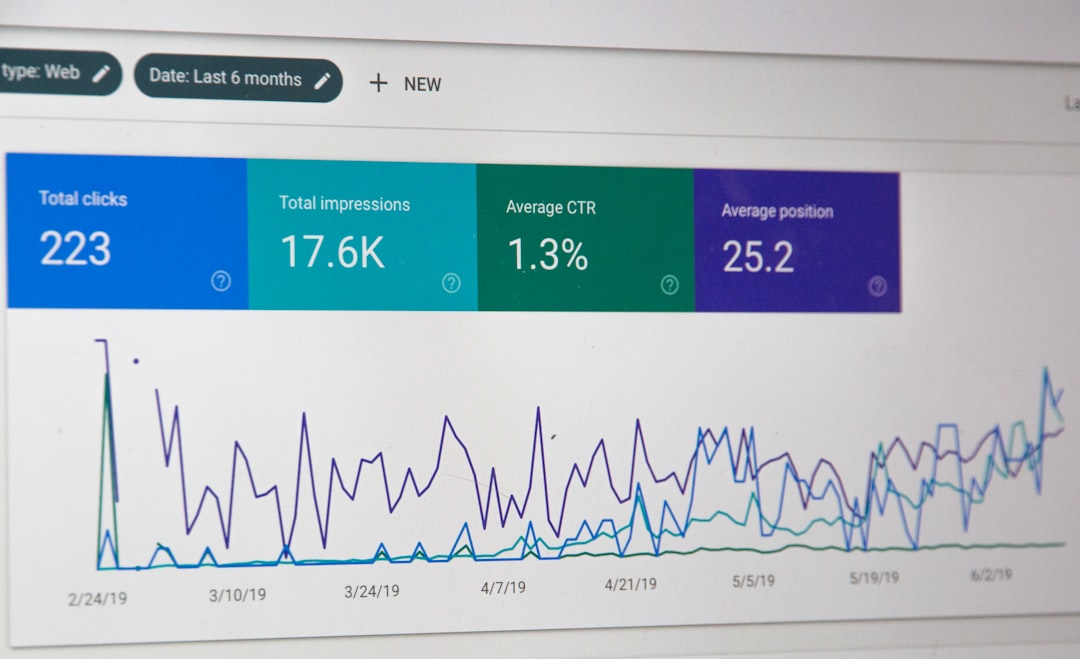
A friend of mine — a sharp indie blogger who’d been grinding away at his niche fitness site for nearly two years — called me last month completely deflated. ‘I ranked for a 12,000-search-per-month keyword,’ he said. ‘I checked Google Search Console and got… 34 clicks.’ I’d heard this story before, but this time it stung a little differently. Because I’d given him that keyword. And I’d picked it exactly the way I used to teach everyone to pick keywords: high volume, medium difficulty, boom — done. Turns out, we were both playing a 2019 game in a 2026 world.
So let’s think through this together. What actually works for keyword research right now?
The Volume-First Trap Is Officially Dead
Volume-first keyword research is a 2019 strategy. In 2026, Google’s AI algorithms, AI Overview dominance, and zero-click search behavior mean that chasing high-volume keywords without matching intent produces traffic that converts to nothing — or no traffic at all.
With 58.5% of searches now resulting in zero clicks, keyword research has fundamentally shifted from volume-first to intent-first methodology. Successful 2026 keyword research must serve two purposes: ranking in traditional search results and being cited in AI-generated answers.
That’s a double mandate most bloggers and marketers haven’t fully internalized yet. You’re no longer just writing for Google’s blue links — you’re writing to be quoted by AI.
The Real Paradigm Shift: From Keywords to Problems
For years, keyword research was simple — find a phrase with high volume and low competition. In 2026, in the era of AI Search and semantic understanding, this approach is doomed to fail. The new paradigm involves a shift in thinking: you’re no longer searching for keywords. You’re searching for the problems, questions, and needs of your customers. Keywords are just the way people articulate these problems.
As search engines grow more sophisticated, keywords have shifted from simple phrases to deeper indicators of search intent. Understanding how people phrase their questions, and what information they expect to find, helps guide your entire SEO content strategy. In 2026, search engines weigh relevance and user satisfaction heavily, so choosing the right keywords ensures your content aligns with what real people are looking for.
Long-Tail Is Not Optional Anymore — It’s Your Lifeline
Long-tail keywords are specific phrases (3+ words) with lower volume but higher conversion rates. Research shows 91.8% of searches are long-tail, and they convert at 2.5 times the rate of short-tail terms. That’s not a small edge — that’s a fundamentally different audience arriving at your content already halfway convinced.
Long-tail keywords are essential for SEO in 2026 because they target highly specific queries. Instead of broad terms with heavy competition, long-tail keywords attract users who already know what they want. These keywords often lead to more focused engagement and better conversion opportunities.
Here’s what the 2026 keyword research checklist actually looks like in practice:
- Start with seed questions, not seed words: Write down the 10–20 most common questions your customers ask before hiring you or buying from you. These are your seed keywords. Real customer language is almost always better than industry jargon.
- Manually check the SERP before committing: For each keyword you’re considering, search it manually. Look at what types of content currently rank, and create content that matches the format of what’s already ranking.
- Check for AI Overviews: For your target keywords, check whether Google AI Overviews appear. If they do, your content needs to be structured to be cited inside that box, not just listed below it.
- Use NLP and PAA signals: Google’s “People Also Ask” section shows you real, related questions that users are asking. Each of these questions is a potential H2 or H3 heading in your article.
- Target KD below 30 if you’re a newer site: Keyword Difficulty (KD) indicates ranking challenge. Lower KD equates to more accessible targets — beginners should focus on terms scoring below 30.
- Audit your keyword strategy quarterly: Review keyword strategy quarterly for most businesses. Search behaviour, competitor positioning, and AI search patterns evolve continuously. Annual keyword research is insufficient given the pace of change in 2026.
- Don’t trust ChatGPT for keyword data: Don’t ask ChatGPT to give you blog keywords — the data is never accurate in terms of how popular or difficult a particular keyword is. Stick with trusted SEO platforms like Semrush, Ahrefs, or SE Ranking.
What Tools Actually Work in 2026?
The toolbox for keyword research has expanded significantly from cumbersome spreadsheets and basic Google searches. By 2026, a slew of emerging tools harness AI and predictive analytics, providing insights that are quicker and smarter.
Use Google Keyword Planner, Semrush, Ahrefs, or similar tools to expand your seed keywords. But don’t stop there. Searches on TikTok, YouTube, Instagram, and Reddit reveal how your audience actually phrases their questions. These social search queries often translate directly to blog and content opportunities.
For structural content planning, tools that group phrases thematically make it easier to plan topic clusters, and platforms that automatically analyze top results show you the dominant intent, most commonly used content formats, and key SERP features.
The ROI Case: Why This Matters Beyond Rankings
B2B companies using strategic keyword research achieve 702–1,389% ROI from SEO according to First Page Sage research. That’s not a typo. The gap between doing this well and doing it lazily is enormous.
Thought leadership SEO with strategic keyword research (approximately 8 pages monthly) delivers 748% ROI over three years, whilst basic content marketing without proper keyword research (approximately 4 articles monthly) delivers only 16% ROI.
The math is pretty uncomfortable if you’re still publishing “spray and pray” content.
If You’re Just Starting Out — Here’s Your Realistic Path
If your site is brand new, don’t panic. Emerging sites benefit most by concentrating on long-tail keywords — phrases that are longer, more specific, and present reduced competition. Build topical authority around a tight cluster of related topics first. Once you have 20–30 pieces of interconnected, intent-matched content, you’ll find mid-volume keywords become much more attainable.
If you’re an established site re-evaluating your strategy: watch for keyword cannibalization — when multiple pages on your site target the same primary keyword, causing them to compete against each other. This splits authority and often causes neither page to rank well. Each primary keyword should map to one canonical page.
Bottom line from the trenches: The 2026 keyword research game isn’t harder — it’s just more honest. It rewards people who genuinely understand their audience over people who game spreadsheets. My friend with the 34 clicks? He rebuilt three of his top posts around specific reader questions instead of volume targets. Two months later, one of those posts started appearing in Google AI Overviews. Same site, same domain authority — completely different results. The keyword didn’t change. The intent-matching did.
📚 관련된 다른 글도 읽어 보세요
- 아직도 검색량만 보고 키워드 고르세요? 2026년 기준 구글 1페이지 박히는 키워드 리서치 실전법
- Stop Wasting Hours on Keyword Research — The 2026 Method That Actually Works
- I Wasted 6 Months on Wrong Keywords — The Real 2026 SEO Keyword Research Guide
태그: []