
A friend of mine — a sharp content marketer with five years under her belt — came to me frustrated last winter. She’d spent months building out a blog, targeting what her tools called ‘high-volume’ keywords, and yet her organic traffic was essentially zero. Sound familiar? That story is way more common than it should be in 2026, and it almost always traces back to the same root mistake: treating keyword research like a numbers game instead of a people game.
Let’s unpack what actually works this year — because the rulebook has changed more in the last 18 months than in the previous five years combined.
The Volume-First Trap: Why the Old Playbook Is Officially Dead
Volume-first keyword research is a 2019 strategy. In 2026, Google’s AI algorithms, AI Overview dominance, and zero-click search behavior mean that chasing high-volume keywords without matching intent produces traffic that converts to nothing — or no traffic at all.
Here’s the brutal data point that should make every blogger sit up: 90% of webpages receive no Google traffic, as Ahrefs reports — and poor keyword selection drives most of those failures. That’s not a margin-of-error statistic. That’s a structural problem with how most people approach content.
And it gets worse for traditional tactics. With 58.5% of searches now resulting in zero clicks, understanding search intent has become more important than chasing volume. Think about that — more than half of all searches never result in a website visit. If your entire strategy is built around impressions and volume, you’re optimizing for a metric that increasingly doesn’t translate to real traffic.
The New Paradigm: From Keywords to Customer Problems
For years, keyword research was simple — find a phrase with high volume and low competition. In 2026, in the era of AI Search and semantic understanding, this approach is doomed to fail. The new paradigm involves a shift in thinking: you’re no longer searching for keywords. You’re searching for problems, questions, and needs of your customers. Keywords are just the way people articulate these problems.
Keyword research in 2026 means identifying the exact questions, problems, and decisions your target audience is searching for, then matching your content to the intent behind each search — not just the words used.
This intent-first thinking isn’t just philosophical fluff. B2B companies using strategic keyword research achieve 702–1,389% ROI from SEO according to First Page Sage research. The difference between those numbers and zero? Intent alignment.
What “Intent-First” Actually Looks Like in Practice
The most successful SEO professionals have shifted to an intent-first keyword strategy: identify what the user is trying to accomplish, then build content that is the clearest, most authoritative answer.
Concretely, that means before you open any keyword tool, do this first: write down the 10–20 most common questions your customers ask before hiring you or buying from you. These are your seed keywords. Real customer language is almost always better than industry jargon.
AI Search further strengthens the importance of intent and context. People will ask more complex, conversational questions. Your research must focus on anticipating these questions and creating content that provides comprehensive, authoritative answers — not just matching keywords.
One tactical goldmine that most people overlook: the “People Also Ask” (PAA) section in Google results shows you real, related questions that users are asking. Each of these questions is a potential H2 or H3 heading in your article.
Long-Tail Keywords: Still Your Best Friend in 2026
Long-tail keywords are essential for SEO in 2026 because they target highly specific queries. Instead of broad terms with heavy competition, long-tail keywords attract users who already know what they want. These keywords often lead to more focused engagement and better conversion opportunities.
The numbers back this up hard. Long-tail keywords are specific phrases (3+ words) with lower volume but higher conversion rates — research shows 91.8% of searches are long-tail, and they convert at 2.5 times the rate of short-tail terms.
For new or smaller sites especially, beginners should focus on terms scoring below 30 in Keyword Difficulty. Field studies reveal emerging sites benefit by concentrating on long-tail keywords — these phrases are longer, more specific, and present reduced competition, as Moz confirms.
The Tools That Actually Matter Right Now
Here’s a practical toolkit breakdown for 2026:
- Ahrefs / Semrush / SE Ranking — Stick with trusted SEO platforms for accurate volume and difficulty data, as AI tools like ChatGPT often provide inaccurate keyword metrics.
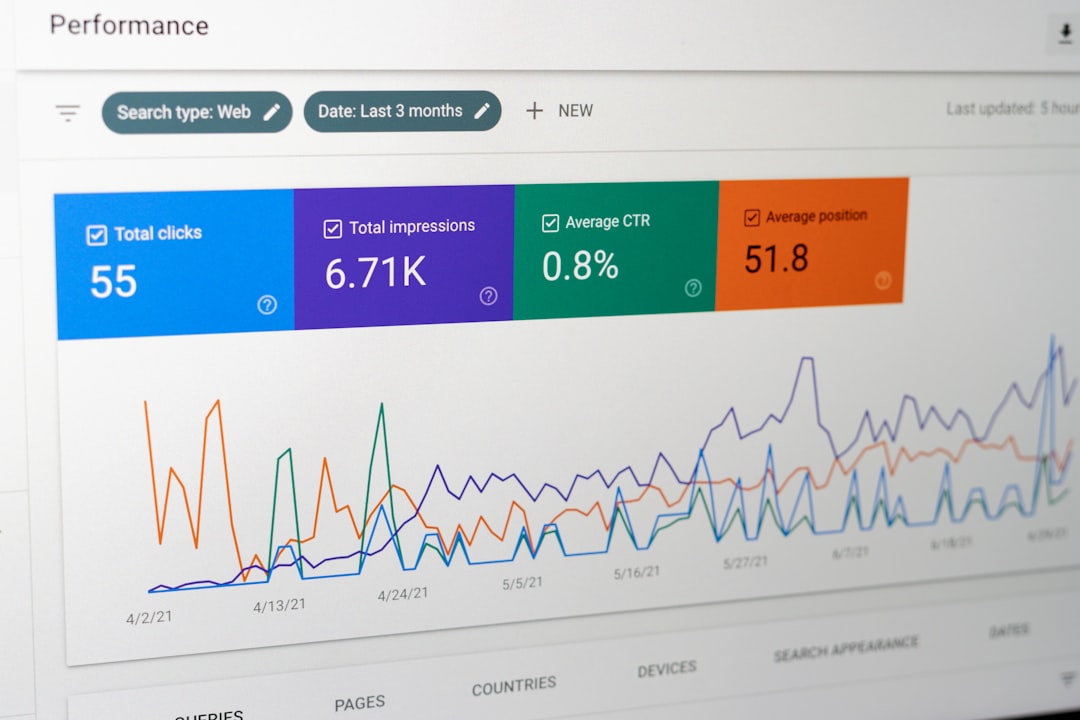
- Google Search Console — Search Console shows you what people searched when your site appeared in results — and yes, this includes AI Overviews / AI Mode queries too.
- AlsoAsked / AnswerThePublic — Tools like AnswerThePublic, Google’s “People Also Ask,” and SEMrush’s Keyword Magic Tool help reveal long-tail variations related to your core topic.
- Social Listening (TikTok, Reddit, YouTube) — Searches on TikTok, YouTube, Instagram, and Reddit reveal how your audience actually phrases their questions. These social search queries often translate directly to blog and content opportunities.
- SERP Manual Review — Before creating any content, search your target keyword manually and look at what types of content currently rank, then create content that matches the format of what’s already ranking.
How to Structure Your Content Once You Have the Keywords
No more meandering articles that eventually lead to a link. When you create SEO content this year, you need to get right to the point — several times throughout the article, in fact — and while you can end with a CTA, you need to provide something of value in the article itself.
Focus on one primary keyword for a page, then look for questions that relate to it. Work those questions into the content naturally, making them headers (H2 or H3) where possible.
One critical technical mistake to avoid: keyword cannibalization is when multiple pages on your site target the same primary keyword, causing them to compete against each other — this splits authority and often causes neither page to rank well. Each primary keyword should map to one canonical page.
How Often Should You Revisit Your Keyword Strategy?
Review keyword strategy quarterly for most businesses, as search behaviour, competitor positioning, and AI search patterns evolve continuously. If you’re in a fast-moving niche, monthly check-ins are more appropriate. AI search behavior changes rapidly enough in 2026 that annual keyword audits are no longer sufficient.
The Bottom Line: Quality, Authority, and Trust Win
Lily Ray, VP of SEO Strategy at Amsive Digital, warns that all traffic projections should be increasingly conservative in 2026 due to AI search impact — and emphasizes that success depends on authenticity, original research, strong personal brands, and building trust.
If you’re just starting out, don’t panic. In 2026, search engines weigh relevance and user satisfaction heavily, so choosing the right keywords ensures your content aligns with what real people are looking for. AI-driven ranking systems also evaluate context, meaning your keyword strategy should focus on clarity, precision, and intent rather than stuffing or repetition.
The path forward isn’t complicated — it’s just different from what worked three years ago. Stop hunting for volume. Start hunting for the exact frustrations, questions, and decisions your ideal reader is wrestling with right now. Match your content to that reality, use the right tools to validate your instincts, and keep your strategy updated quarterly.
Quick Tip: Start your next piece of content by literally typing your topic into Google, reading every “People Also Ask” question, and building your H2/H3 structure around those real questions — you’ll be ahead of 80% of publishers before you write a single word.
📚 관련된 다른 글도 읽어 보세요
- My Rankings Tanked for 3 Months — Here’s the Real Keyword Research Strategy That Fixed It in 2026
- I Wasted 6 Months Chasing Volume — The Real Keyword Research Guide for 2026
- 3D 프린터 사자마자 바로 출력해야 할 3가지 — 2026 기준 프린터 값 뽑는 출력물 Top3
태그: []