Category: Uncategorized

  • Spatial Computing in 2026: How AR and VR Are Quietly Rewiring the Way We Live and Work

    Picture this: It’s a Tuesday morning in March 2026, and a Tokyo-based architect is walking through a building that doesn’t exist yet. She’s adjusting ceiling heights, swapping out materials, and chatting with a contractor in São Paulo — all without leaving her studio. No, this isn’t a scene from a sci-fi film. This is spatial computing in action, and it’s happening right now, more quietly and more profoundly than most headlines suggest.

    I’ve been tracking this space (pun intended) for a few years, and what’s shifted in 2026 isn’t just the hardware — it’s the attitude. Spatial computing has stopped trying to replace reality and started learning how to augment it in genuinely useful ways. Let’s think through what that actually means together.
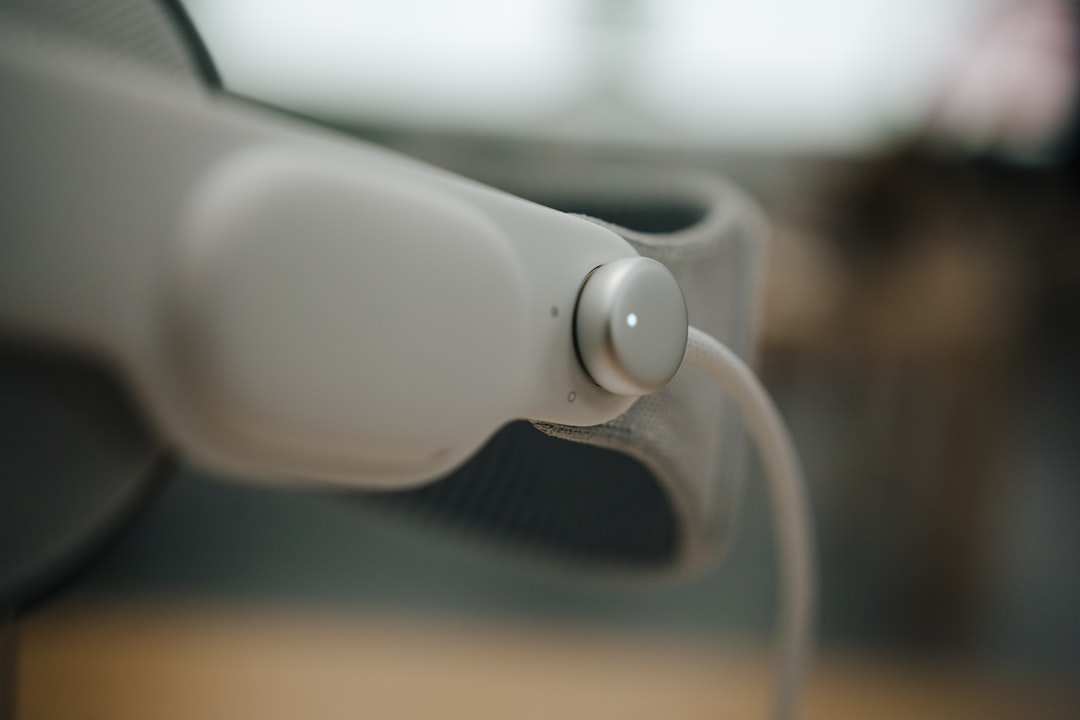
    futuristic AR glasses workspace holographic interface 2026

    What Exactly Is Spatial Computing — And Why Does It Matter in 2026?

    Spatial computing is the umbrella term for technologies that blend digital information with the physical world in three-dimensional space. This includes Augmented Reality (AR), which layers digital content over the real world, and Virtual Reality (VR), which immerses you in a fully digital environment. But in 2026, the lines are blurring fast — most cutting-edge devices now operate across a spectrum called Mixed Reality (MR), dynamically shifting between the two.

    Here’s why 2026 is a particularly pivotal year: the global spatial computing market is projected to exceed $280 billion USD by the end of this year, up from roughly $97 billion in 2023 (Grand View Research, 2025 forecast). That’s not just growth — that’s a paradigm shift. The driver? Three converging forces:

    • Hardware maturity: Devices like Apple Vision Pro’s second generation, Meta Quest 4, and Samsung’s Galaxy XR have hit price-to-performance ratios that make enterprise adoption practical rather than aspirational.
    • AI integration: On-device AI now enables real-time scene understanding, meaning your AR glasses can know what they’re looking at and respond contextually — not just overlay a static image.
    • 5G/6G infrastructure: Low-latency connectivity (sub-5ms in many urban corridors now) makes cloud-rendered spatial experiences feel seamless, removing the processing burden from the headset itself.

    The Numbers Telling the Real Story

    Let’s get specific, because the devil — and the opportunity — is always in the details.

    • Enterprise adoption rate: As of Q1 2026, approximately 34% of Fortune 500 companies have deployed some form of spatial computing in operational workflows, up from 12% in 2023 (IDC, 2026).
    • Training efficiency gains: Boeing reported a 40% reduction in training time for complex assembly tasks using AR-guided workflows — and that was back in 2022. Updated internal figures circulating in 2026 suggest that number has climbed to over 55%.
    • Healthcare impact: Surgical AR overlays, now cleared in 47 countries including South Korea, Japan, Germany, and the U.S., have contributed to a measurable 22% reduction in procedure time for select minimally invasive surgeries (JAMA Digital Health, 2025).
    • Consumer market: AR glasses (not VR headsets — actual glasses) now represent a $14 billion sub-market, driven largely by fashion-forward designs from Ray-Ban Meta and Korean brand VITURE’s global expansion.

    Real-World Examples: From Seoul to Silicon Valley

    Theory is great, but let’s look at where spatial computing is actually changing daily life in 2026.

    South Korea — Smart Factory Revolution: Samsung SDI’s battery manufacturing plants in Cheonan have deployed AR-assisted quality control systems where technicians wear lightweight AR visors that flag micro-defects in real time. The system, developed in partnership with PTC’s Vuforia platform, reportedly cut defect-related recall costs by 31% in its first full operational year. This isn’t a pilot program — it’s now standard across their Korean domestic facilities.

    United States — Healthcare & Training: The Cleveland Clinic became the first U.S. hospital system to fully integrate spatial computing into its medical residency program. Residents now spend 30% of their simulation training in VR environments that accurately model patient-specific anatomy pulled from MRI data. The program has received provisional endorsement from the ACGME (Accreditation Council for Graduate Medical Education) as a supplement — not a replacement — to hands-on training.

    Japan — Retail & Tourism: In Kyoto, a collaboration between the city tourism board and Matterport has created a fully navigable spatial map of the historic Gion district. Tourists wearing AR-capable smartphones or rented lightweight glasses receive contextual historical overlays as they walk — and yes, it actually enhances the experience rather than distracting from it, according to 78% of surveyed visitors in a 2025 pilot (Kyoto Municipal Tourism Bureau data).

    Europe — Architecture & Urban Planning: Amsterdam’s city planning office now uses spatial digital twins — essentially live, 3D AR models of the city — to simulate the impact of new construction on sunlight, wind flow, and pedestrian traffic before a single permit is approved. It’s city planning that feels more like collaborative game design.
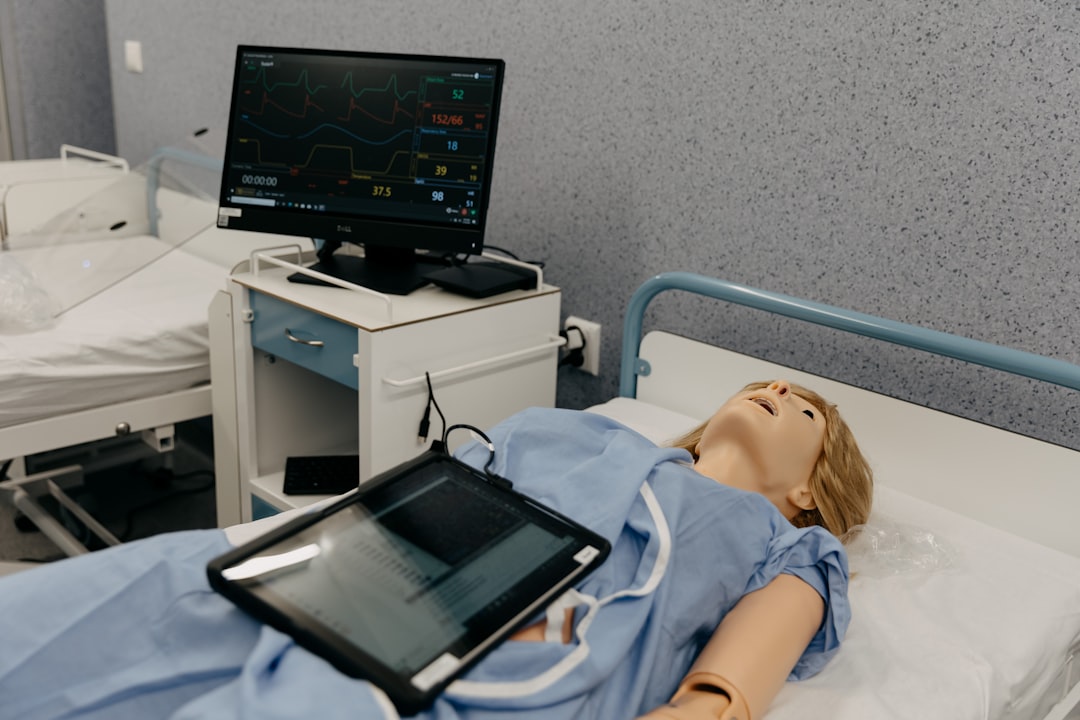
    AR mixed reality healthcare training surgery overlay digital twin city 2026

    The Honest Challenges: It’s Not All Seamless

    Look, I’d be doing you a disservice if I only hyped the wins. Spatial computing in 2026 still has genuine friction points worth knowing about:

    • Privacy concerns: Always-on spatial mapping means these devices are constantly capturing environmental data. The EU’s updated Digital Reality Privacy Directive (2025) has added compliance overhead that’s slowing enterprise rollout in some sectors.
    • Accessibility gaps: The best experiences still require hardware that costs $800–$3,500 USD. This creates meaningful access disparities, particularly in developing markets.
    • Content quality variance: There’s a growing gulf between enterprise-grade AR content (excellent) and consumer AR apps (highly inconsistent). The “it’s cool for 10 minutes” problem hasn’t fully been solved.
    • Physical comfort: Despite impressive engineering, extended use of headsets beyond 2–3 hours still causes discomfort for a significant percentage of users. Weight distribution and thermal management remain engineering challenges.

    Realistic Alternatives: Where Should YOU Engage With This Technology?

    Not everyone needs to buy a $2,000 headset tomorrow — and honestly, for most individual lifestyles right now, you shouldn’t. Here’s how to think about your actual entry points in 2026:

    • If you’re a professional in a field like medicine, engineering, or architecture: The ROI case for enterprise AR tools is now solid. Push your organization to pilot programs — even a 6-month trial with something like PTC Vuforia or Scope AR will give you real data.
    • If you’re a small business owner: AR-powered product visualization (letting customers “place” furniture or try on glasses virtually) has measurable conversion rate impacts. Platforms like Shopify AR and Zakeke have made this accessible without custom development.
    • If you’re a curious consumer: Start with your smartphone. ARKit and ARCore experiences on iOS and Android in 2026 are genuinely impressive and free. You don’t need a headset to understand what spatial computing feels like.
    • If you’re a student or career-changer: Spatial UX design and 3D content creation for AR/VR environments are among the fastest-growing skill categories on LinkedIn and Wanted.kr in 2026. Free resources on Unity and Unreal Engine 5’s XR templates are a legitimate starting point.

    The smartest move isn’t to chase every new device — it’s to identify the specific problems in your life or work where an extra dimension of information would genuinely help, and work backward from there.

    Spatial computing isn’t the future anymore. It’s the slightly-awkward, increasingly-useful present — and 2026 might be the year it stops feeling like a novelty and starts feeling like infrastructure.

    Editor’s Comment : What excites me most about where we are in 2026 isn’t the most spectacular demo or the flashiest headset — it’s the quiet normalization. When a surgeon in Seoul and a contractor in Rotterdam both reach for their AR tools as naturally as they once reached for a clipboard, that’s when a technology has truly arrived. We’re not quite there universally, but we’re close enough to start building your own relationship with this space now, on your own terms and timeline.

    태그: [‘spatial computing 2026’, ‘AR VR technology trends’, ‘augmented reality innovation’, ‘mixed reality enterprise’, ‘spatial computing market growth’, ‘XR wearables 2026’, ‘digital twin technology’]


  • 2026년 공간 컴퓨팅 혁명: AR·VR 기술이 바꾸는 우리의 일상과 산업 지형도

    얼마 전, 지인 한 명이 이런 말을 했어요. “출근했더니 회의실이 없어졌어. 근데 아무도 이상하게 생각하지 않더라고.” 처음엔 무슨 소린가 했는데, 알고 보니 그 회사가 물리적 회의실 대신 AR 글래스 기반의 ‘공간 컴퓨팅 허브’로 전환한 거였어요. 벽도 없고, 스크린도 없지만 — 글래스를 쓰는 순간, 그 자리가 회의실이 되는 거죠. 이게 먼 미래 이야기가 아니라 2026년 지금 실제로 일어나고 있는 일이라는 게 흥미롭지 않나요?

    공간 컴퓨팅(Spatial Computing)이라는 단어가 주류 담론에 본격적으로 등장한 건 그리 오래되지 않았습니다. 하지만 2026년 현재, 이 개념은 단순한 기술 트렌드를 넘어 우리가 공간을 인식하고 활용하는 방식 자체를 재정의하고 있는 것 같아요. AR(증강현실)과 VR(가상현실)이 그 핵심 축이고요. 오늘은 이 흐름을 함께 깊이 들여다봐 보겠습니다.

    spatial computing AR VR technology 2026 futuristic workspace

    📊 숫자로 읽는 공간 컴퓨팅 시장 — 얼마나 빠르게 커지고 있나?

    시장조사기관들의 데이터를 종합해 보면, 2026년 글로벌 공간 컴퓨팅 시장 규모는 약 2,800억 달러(한화 약 370조 원) 수준으로 추정되고 있어요. 2022년 대비 약 4배 성장한 수치라고 봐도 무방합니다. 특히 눈에 띄는 건 산업별 성장 기여도인데요:

    • 헬스케어: 수술 시뮬레이션, AR 가이드 수술, 원격 의료 훈련 분야에서 연평균 38% 성장률 기록
    • 제조·엔지니어링: 디지털 트윈(Digital Twin)과 결합한 AR 유지보수 시스템으로 작업 오류율 약 47% 감소
    • 교육: 몰입형 학습(Immersive Learning) 도입 기관이 전 세계 약 12만 곳 이상으로 확대
    • 리테일·커머스: AR 가상 피팅 기능 도입 브랜드의 반품률 평균 25~30% 감소
    • 엔터테인먼트·게임: 공간 컴퓨팅 기반 콘텐츠 소비 시간이 전통 콘텐츠 대비 1인당 평균 2.3배 증가

    이 수치들을 보면, 공간 컴퓨팅이 단지 ‘신기한 기술’이 아니라 비용 절감과 생산성 향상이라는 아주 실질적인 가치를 제공하고 있다는 걸 알 수 있어요. 기업들이 적극 투자하는 이유가 여기에 있다고 봅니다.

    🌍 국내외 주요 사례 — 누가, 어떻게 바꾸고 있나?

    애플 비전 프로(Apple Vision Pro)의 진화라는 측면에서 보면, 2026년 현재 2세대 디바이스는 초기 모델 대비 무게를 약 30% 줄이고, 공간 인식 정확도를 대폭 끌어올렸어요. 특히 ‘아이즈 온 패스스루(Eyes-on Passthrough)’ 기술의 지연 시간이 인간이 인지하기 어려운 수준으로 낮아졌다는 점이 핵심이라고 봅니다. 이는 AR과 현실 세계 간의 경계가 사실상 허물어지고 있다는 신호예요.

    메타(Meta)의 오라이온(Orion) 프로젝트는 홀로그래픽 AR 글래스 상용화에 가장 근접한 사례로 꼽힙니다. 기존 VR 헤드셋의 무겁고 폐쇄적인 이미지에서 벗어나, 일반 안경처럼 착용할 수 있는 폼팩터를 지향하고 있어요. 이 방향성이 실현된다면 ‘공간 컴퓨팅의 대중화’ 시점이 예상보다 훨씬 앞당겨질 가능성이 있다고 봐요.

    국내 사례도 주목할 만합니다. 현대자동차그룹은 제조 현장에 AR 기반 조립 가이드 시스템을 도입해, 신규 작업자 숙련 기간을 기존 대비 약 40% 단축했다는 데이터를 공개했어요. 삼성전자 역시 ‘가우스(Gauss)’ AI와 공간 컴퓨팅을 결합한 스마트홈 에코시스템을 2026년 상반기 내 확장 적용한다고 발표한 바 있고요. LG유플러스는 XR(확장현실) 기반 원격 교육 플랫폼을 교육부와 협력해 시범 학교에 배포하고 있는 상황입니다.

    AR glasses wearable spatial computing industry application Korea

    🔍 기술 혁신의 핵심 — 뭐가 달라졌길래 이제야 가능해진 걸까?

    사실 AR·VR 기술 자체는 수십 년 전부터 존재했어요. 그런데 왜 지금 이 시점에 ‘공간 컴퓨팅’이 폭발적으로 성장하고 있을까요? 몇 가지 기술적 임계점이 동시에 충족된 덕분이라고 봅니다.

    • 엣지 AI(Edge AI)의 성숙: 클라우드에 의존하지 않고 디바이스 자체에서 실시간 공간 인식, 객체 추적, 사용자 시선 분석을 처리할 수 있게 됐어요. 지연 없는 몰입감이 비로소 가능해진 거죠.
    • 웨이브가이드(Waveguide) 광학 기술: AR 글래스의 시야각(FOV)이 50도 이상으로 넓어지면서 시각적 정보 밀도가 이전과 비교할 수 없이 향상됐습니다.
    • 6DoF(6 Degrees of Freedom) 인터랙션: 사용자의 손, 눈, 몸의 움직임을 3차원으로 정밀 추적해, 별도의 컨트롤러 없이도 자연스러운 조작이 가능해졌어요.
    • 5G·6G 네트워크: 초저지연 무선 통신이 공간 컴퓨팅 디바이스의 실시간 협업 기능을 현실로 만들어주고 있습니다.

    💡 그래서 우리 삶은 어떻게 달라지나 — 현실적인 시각으로

    물론 장밋빛 전망만 있는 건 아니에요. 공간 컴퓨팅이 일상화되는 과정에서 디지털 격차(Digital Divide) 문제, 개인정보 및 시선 데이터 수집에 대한 윤리적 우려, 장시간 착용 시 피로도와 안전 문제 등도 함께 논의되고 있습니다. 특히 상시 착용 디바이스가 수집하는 생체·공간 데이터의 소유권 문제는 아직 명확한 법적 프레임워크가 완성되지 않은 상태예요.

    그렇다면 일반 소비자나 중소기업 입장에서 현실적으로 어떻게 접근하는 게 좋을까요? 무조건 최신 디바이스에 뛰어들기보다는, 자신의 업무나 생활 맥락에서 ‘가장 마찰이 큰 지점’이 어디인지 먼저 파악하고, 거기에 공간 컴퓨팅이 실질적인 해결책이 되는지 따져보는 게 맞는 순서라고 봐요. 기술은 도구이고, 도구는 목적이 먼저입니다.


    에디터 코멘트 : 2026년 현재 공간 컴퓨팅은 ‘언제가는 올 미래’가 아니라 지금 여기에서 산업과 일상의 경계를 조용히 녹이고 있는 현재 진행형이라고 봅니다. 다만 기술이 빠를수록, 우리가 스스로 ‘왜 쓰는가’를 더 자주 물어야 할 것 같아요. 헤드셋을 쓰는 순간보다, 벗었을 때 어떤 삶을 살고 싶은가를 먼저 생각하는 것 — 그게 이 기술과 건강하게 공존하는 방법이 아닐까 싶습니다.

    태그: [‘공간컴퓨팅’, ‘AR VR 2026’, ‘증강현실 기술 트렌드’, ‘애플 비전 프로’, ‘메타 오라이온’, ‘공간컴퓨팅 산업 적용’, ‘XR 기술 혁신’]

  • AI-Powered Work Automation Tools in 2026: What’s Actually Worth Your Time (And What Isn’t)

    Let me paint you a picture. It’s 9 AM, and your colleague walks in looking suspiciously relaxed for a Monday. No coffee-fueled panic, no stack of unread emails making her twitch. You ask what changed. She grins and says, “I automated about 60% of my weekly reporting last month.” Sound too good to be true? In 2026, it’s not — but there’s a catch. Not every AI automation tool delivers on its promise, and blindly subscribing to the shiniest platform can actually slow you down before it speeds you up.

    So let’s think through this together — logically, practically, and without the hype.

    The State of AI Work Automation in 2026: Where Are We Really?

    The AI automation landscape has matured significantly. According to a McKinsey Global Institute report published in early 2026, approximately 47% of knowledge workers now use at least one AI-powered automation tool in their daily workflow — up from just 19% in 2023. More tellingly, companies that have strategically integrated AI automation are reporting an average productivity gain of 34% in repetitive task categories like data entry, report generation, scheduling, and customer communication drafts.

    But here’s what that stat doesn’t tell you: the top 20% of users account for most of that productivity gain. The remaining 80%? They’re either underusing the tools or spending more time managing them than the tools save. That gap is exactly what we need to close.

    The Big Players Dominating 2026’s AI Automation Space

    Let’s break down what’s actually on the table right now:

    • Microsoft Copilot 365 (Advanced): Deeply embedded into the Office ecosystem, Copilot in 2026 now handles multi-step workflows across Teams, Excel, and Outlook simultaneously. It can draft, summarize meeting notes, and auto-populate project trackers — all in one session. Best for: enterprise users already in the Microsoft ecosystem.
    • Notion AI Workflows: Notion’s 2026 iteration allows AI-triggered database automations. For example, when a project status changes to “complete,” the AI can auto-generate a summary report, notify stakeholders, and archive the entry. Best for: small-to-mid teams that live inside Notion.
    • Zapier AI Agents: Zapier evolved from simple “if-then” automations into fully conversational AI agents that can reason through multi-condition workflows. You describe what you want in plain language, and it builds the zap. Best for: non-technical users managing cross-platform integrations.
    • Make (formerly Integromat) + AI Modules: Still the power user’s choice for complex branching automations, now supercharged with embedded LLM decision nodes. Best for: operations teams and freelancers with technical confidence.
    • HyperCLOVA X Automation Suite (Naver): A strong contender in the Korean domestic market and expanding across Southeast Asia. Tailored for Korean-language document processing, government form automation, and enterprise workflow integration with Naver Works. Best for: Korean SMEs and public sector organizations.
    • Google Workspace Gemini Flows: Google’s answer to Copilot — deeply integrated into Docs, Sheets, and Gmail. The 2026 “Flows” feature lets you chain AI actions: summarize an email → extract action items → create a calendar event → draft a reply. Best for: Google-native teams.

    Real-World Examples: How Companies Are Using These Tools Right Now

    International Example — Siemens AG (Germany): Siemens rolled out a Make + custom LLM pipeline across their procurement division in Q3 2025. The result? Their supplier onboarding process — previously a 14-step, 3-day manual workflow — was compressed to under 4 hours with only one human review checkpoint. They reported a €2.3 million annual cost reduction in that division alone.

    Domestic Example — Kakao Corp. (South Korea): Kakao’s internal ops team began using HyperCLOVA X Automation Suite in 2025 to handle their weekly business performance summaries. Previously requiring 6 hours of analyst time per report, the AI-assisted workflow now generates a draft in 22 minutes, which an analyst reviews and finalizes in under an hour. Their analyst team has since shifted focus toward higher-value strategic interpretation work — a win-win.

    Small Business Example — A Vancouver-based Marketing Boutique: A 12-person agency integrated Zapier AI Agents with their CRM, Slack, and Google Sheets. When a new lead enters the CRM, the agent automatically: scores the lead, drafts a personalized outreach email for human approval, creates a Slack notification for the account manager, and logs the interaction. Time saved per lead: approximately 25 minutes. With 40+ leads per week, that’s over 16 hours reclaimed monthly.

    The Honest Downsides You Should Know About

    No tool is perfect, and in 2026, the most common frustrations we’re hearing from real users include:

    • Setup time is non-trivial: Complex automations can take days or weeks to properly configure and test. Factor this into your ROI calculation before committing.
    • AI hallucination in automated pipelines: When an AI makes an error mid-workflow, it can cascade. Always build in human checkpoints for high-stakes outputs.
    • Subscription fatigue: Stacking multiple tools (Zapier + Notion AI + Copilot) gets expensive fast. An average fully-loaded AI automation stack for a small team runs $150–$400/month in 2026.
    • Data privacy compliance: Especially relevant for EU-based teams under GDPR and Korean users under PIPA — make sure your automation tools don’t route sensitive data through non-compliant servers.

    Realistic Alternatives: Not Everyone Needs the Full Stack

    Here’s where I want to be genuinely useful rather than just exciting. If you’re a solopreneur or a small team just getting started, jumping straight to a complex multi-platform AI automation stack is overkill. Here’s a more grounded roadmap:

    • Stage 1 (Beginner): Start with a single tool. If you’re Google-based, activate Gemini Flows in Gmail and Docs. If you’re Microsoft-based, turn on Copilot for Outlook. Just one tool, one use case, for 30 days.
    • Stage 2 (Intermediate): Once you feel the value, add a connector like Zapier’s free tier to bridge two apps you use daily (e.g., form submissions → spreadsheet). Keep it simple.
    • Stage 3 (Advanced): Only at this point should you consider a paid automation platform like Make or a full Notion AI Workflow setup. By now, you’ll know exactly what you need — and why.

    The goal isn’t to automate everything. The goal is to automate the right things — the repetitive, low-judgment tasks that drain your energy without adding real value to your work.

    How to Pick the Right Tool for Your Situation

    Ask yourself three questions before subscribing to anything:

    • Where does my time actually go? Track your work for one week. Identify the top 3 tasks you do repetitively. Only then search for a tool that addresses those specifically.
    • What’s my technical comfort level? Be honest. If you’re not comfortable with conditional logic, start with Zapier’s AI-assisted builder rather than Make’s visual flowcharts.
    • What ecosystem am I already in? The best AI automation tool is usually the one that extends what you already use — not a shiny new silo that requires you to change your entire workflow.

    In 2026, the competitive advantage isn’t who has the most tools — it’s who uses the right tools deeply. A single well-configured Copilot workflow can outperform five poorly understood apps stacked together.

    The future of work isn’t about replacing human judgment — it’s about freeing it up for the moments it truly matters. And that, honestly, is something worth getting excited about.

    Editor’s Comment : After testing over a dozen AI automation platforms throughout 2026, the honest truth is this: the tools have genuinely gotten remarkable — but the bottleneck is almost never the technology. It’s the clarity of knowing what problem you’re actually trying to solve. Start there, and the right tool becomes obvious. Start with the tool, and you’ll spend months tweaking workflows that don’t move the needle. Think first, automate second.

  • 업무 자동화 시스템 구축 비용과 효과, 2026년에 도입해야 할 진짜 이유

    얼마 전, 직원 12명짜리 중소 무역회사를 운영하는 지인이 한숨을 내쉬며 이런 말을 했어요. “매달 인보이스 정리하고 세금계산서 발행하는 데만 담당 직원이 사흘을 쓴다고. 그 사람 연봉이 4천만 원인데, 사실상 3분의 1은 그냥 복사·붙여넣기에 쓰이는 거잖아.” 그 말이 머릿속에 오래 남았습니다. 이건 비단 한 회사만의 이야기가 아니라, 2026년 현재 국내 수십만 중소기업이 공통으로 겪고 있는 현실이라고 봅니다.

    업무 자동화(Business Process Automation, BPA)는 더 이상 대기업만의 전유물이 아닙니다. RPA(Robotic Process Automation), 노코드·로우코드 플랫폼, 그리고 AI 기반 워크플로우 툴이 급격히 대중화되면서 진입 장벽이 눈에 띄게 낮아졌거든요. 그렇다면 실제로 얼마를 들여야 하고, 그 효과는 수치로 어떻게 나타날까요? 함께 차근차근 뜯어보도록 해요.

    📊 본론 1 : 비용은 얼마나 들까? 구체적인 수치로 따져보기

    업무 자동화 시스템의 구축 비용은 ‘어떤 방식으로 도입하느냐’에 따라 편차가 굉장히 크게 나타납니다. 크게 세 가지 트랙으로 나눠볼 수 있어요.

    • SaaS 기반 노코드 자동화 툴 (Zapier, Make, 네이버 웍스 자동화 등)
      월 구독료 기준 소규모 팀 기준 월 3만~20만 원 수준. 초기 셋업 비용이 거의 없고, IT 비전공자도 일주일 내에 기본 워크플로우 구성이 가능합니다. 단, 복잡한 의사결정 로직이나 사내 레거시 시스템 연동에는 한계가 있어요.
    • RPA 솔루션 도입 (UiPath, Automation Anywhere, 마이크로소프트 Power Automate)
      중견기업 기준 라이선스 비용만 연 500만~3,000만 원 수준이며, 개발·구축 컨설팅 비용을 합치면 초기 1회성 비용으로 2,000만~1억 원 이상이 소요되는 경우도 흔합니다. 대신 반복성이 높고 규칙 기반의 업무라면 ROI(투자수익률)가 6~18개월 내에 손익분기점을 넘는 사례가 많다고 봅니다.
    • AI 통합형 맞춤 개발
      2026년 현재 LLM(대형 언어 모델) 기반의 AI 에이전트를 내부 시스템에 연동하는 방식이 급부상 중입니다. 프로젝트 규모에 따라 다르지만, 풀스택 커스텀 개발의 경우 최소 5,000만 원~수억 원대 예산이 필요하며, 유지보수 계약도 별도로 고려해야 해요.

    가트너(Gartner)의 2025년 보고서에 따르면, 자동화를 도입한 기업의 평균 운영비 절감률은 연간 25~40%에 달하며, 직원 1인당 반복 업무 처리 시간은 평균 주 6~8시간 절감되는 것으로 나타났습니다. 월급 350만 원짜리 직원 한 명의 주 8시간은 대략 월 40만 원의 인건비에 해당하는데, 이를 10명 규모 팀에 적용하면 연간 약 4,800만 원의 직·간접 비용 절감 효과가 발생하는 셈입니다.

    🌐 본론 2 : 실제로 어떻게 달라졌나? 국내외 도입 사례

    추상적인 수치보다 실제 사례가 더 와닿을 때가 많죠. 몇 가지 인상적인 사례를 살펴볼게요.

    [국내 사례] 중견 물류기업 A사 (직원 약 200명)
    화물 배차 스케줄링과 거래처 정산서 발행 업무에 RPA를 도입한 결과, 기존에 5명이 담당하던 업무를 2명이 모니터링 형태로 처리 가능해졌습니다. 절감된 인력은 고객사 관리와 신규 영업에 재배치되었고, 도입 14개월 만에 초기 투자비용을 전액 회수했다고 해요. 특히 야간 배차 오류율이 기존 대비 91% 감소한 것이 실질적인 서비스 품질 향상으로도 이어졌다고 봅니다.

    [해외 사례] 미국 핀테크 스타트업 B사 (직원 약 35명)
    Zapier와 OpenAI API를 연동해 고객 온보딩 이메일 자동화, CRM 데이터 입력 자동화, 주간 리포트 초안 작성 자동화를 구현했습니다. 총 셋업 비용은 약 $3,200(한화 약 450만 원), 월 구독료는 약 $280(약 40만 원) 수준이었는데, 이를 통해 마케팅팀 1인이 주당 12시간을 절약하게 됐습니다. 소규모 팀에서도 빠르게 ROI를 실현할 수 있다는 걸 보여주는 좋은 예라고 생각해요.

    [국내 대기업 사례] 금융그룹 C사
    여신 심사 서류 검토 과정에 AI OCR(광학 문자 인식) + RPA를 결합한 결과, 서류 1건당 평균 처리 시간이 45분에서 4분으로 단축됐습니다. 연간 처리 건수 약 18만 건 기준으로 계산하면, 절감된 시간이 무려 12만 시간 이상이라는 계산이 나옵니다. 이 사례는 자동화가 단순 비용 절감을 넘어 고객 경험(CX) 자체를 바꿀 수 있다는 점에서 주목할 만합니다.

    ✅ 도입 전 반드시 점검해야 할 체크리스트

    • 자동화에 적합한 업무인가? — 규칙이 명확하고, 반복 빈도가 높으며, 대량 데이터를 다루는 업무일수록 효과가 큽니다.
    • 현재 프로세스가 표준화되어 있는가? — 자동화는 기존 업무 흐름을 그대로 복제하므로, 프로세스 자체가 비효율적이라면 자동화해도 비효율이 빨라질 뿐입니다.
    • IT 인프라 연동 가능 여부 확인 — 레거시 시스템(오래된 ERP, 자체 개발 DB 등)과의 API 연동 가능 여부를 사전에 검토해야 합니다.
    • 내부 인력의 디지털 리터러시 수준 — 아무리 좋은 시스템도 사용하는 사람이 이해하지 못하면 무용지물이에요. 교육 비용과 온보딩 기간을 예산에 반드시 포함시켜야 합니다.
    • 보안 및 컴플라이언스 검토 — 개인정보나 금융 데이터를 다루는 자동화라면 개인정보보호법, 전자금융거래법 등 관련 규정 준수 여부를 법무팀과 함께 검토하는 것이 좋습니다.

    🔎 2026년, 어떤 기업에게 지금이 적기인가?

    솔직히 말하면, ‘모든 기업에 자동화가 당장 필요하다’는 말은 과장이라고 봅니다. 하지만 다음 조건 중 두 가지 이상 해당된다면, 올해 안에 파일럿 프로젝트라도 시작해 보는 게 현명한 선택일 가능성이 높아요.

    • 직원들이 반복적인 데이터 입력이나 보고서 취합에 주당 5시간 이상을 소비하고 있다.
    • 인력 충원 없이 업무량이 지속적으로 늘고 있다.
    • 사람의 실수로 인한 오류가 고객 불만이나 내부 손실로 이어진 경험이 있다.
    • 경쟁사가 이미 자동화를 도입해 처리 속도나 단가 경쟁력에서 격차가 벌어지고 있다는 느낌이 든다.

    2026년은 AI와 자동화 기술이 실질적으로 ‘누구나 쓸 수 있는 수준’에 도달한 첫 번째 해라고 해도 과언이 아닌 것 같아요. 초기 비용이 부담스럽다면, 월 10만 원대 SaaS 툴로 작은 업무 하나부터 자동화해 보는 것도 충분히 의미 있는 시작입니다. 중요한 건 ‘완벽한 시스템’을 처음부터 구축하려는 생각보다, 작게 시작해서 빠르게 학습하는 접근법이라고 봅니다.


    에디터 코멘트 : 업무 자동화는 기술의 문제이기 이전에 ‘우리 팀이 진짜 집중해야 할 일이 무엇인가’를 정의하는 과정이라고 생각해요. 자동화로 아낀 시간을 단순히 ‘더 많은 일’에 쓰는 게 아니라, 창의적인 문제 해결과 고객 가치 창출에 쓸 수 있을 때 진짜 효과가 나타납니다. 비용 대비 효과를 따지기 전에, 먼저 여러분의 팀이 어디에 에너지를 쏟고 싶은지부터 솔직하게 대화해 보시길 권해드립니다.

  • 2026년 자율주행 AI 기술 최신 동향: 레벨 4 상용화는 얼마나 가까워졌나?

    얼마 전, 지인이 출장길에 미국 샌프란시스코에서 웨이모(Waymo)의 무인 로보택시를 탔다는 이야기를 전해줬어요. “운전석에 아무도 없는데 신호도 정확히 지키고, 차선 변경도 너무 자연스러워서 처음엔 소름이 돋았다”고 하더군요. 불과 몇 년 전만 해도 SF 영화에서나 볼 법한 장면이었는데, 이제는 실제로 경험담이 나오는 시대가 됐습니다. 2026년 현재, 자율주행 AI 기술은 ‘실험실 단계’를 넘어 ‘현실 도로’로 무게중심이 확실히 이동하고 있는 것 같습니다. 오늘은 그 최전선에서 무슨 일이 벌어지고 있는지 함께 들여다볼게요.

    autonomous driving AI technology road 2026

    📊 숫자로 보는 자율주행 시장 규모와 기술 성숙도

    글로벌 시장조사 기관들의 최근 데이터를 종합해 보면, 2026년 자율주행 관련 글로벌 시장 규모는 약 560억 달러(한화 약 75조 원)를 넘어선 것으로 추정됩니다. 2022년 대비 약 3배 이상 성장한 수치인데, 이 성장의 핵심 동력은 단연 AI 추론 엔진의 고도화라고 봅니다.

    자율주행 기술은 흔히 SAE(미국 자동차공학회) 기준 레벨 0~5로 구분합니다. 2026년 현재 상용 차량 대부분은 레벨 2~3 수준에 머물러 있지만, 특정 지역·조건에서 운전자 개입이 전혀 필요 없는 레벨 4 기반 서비스가 미국, 중국, 독일 일부 도시에서 이미 운영 중이에요. 핵심 지표를 살펴보면:

    • AI 반응 속도 향상: 최신 온보드 AI 칩은 초당 2,000조 회 이상의 연산(2,000 TOPS)을 처리하며, 2020년 대비 약 10배 이상 성능이 향상됐습니다.
    • 사고율 감소: 레벨 4 자율주행 차량의 100만 마일당 사고율은 인간 운전자 평균 대비 약 40~60% 낮다는 분석이 나오고 있습니다.
    • 라이다(LiDAR) 비용 절감: 초기 수천만 원에 달하던 라이다 센서 단가가 2026년 현재 50만 원대 이하로 낮아지면서 대중화 문턱이 크게 낮아졌습니다.
    • HD맵 대신 AI 비전: 테슬라, 웨이모 등 주요 업체들이 정밀 지도(HD Map) 의존도를 줄이고, 카메라+AI 비전 만으로 환경을 실시간 인식하는 방식으로 전환 중입니다.

    🌐 국내외 최신 사례: 전장(戰場)이 된 자율주행 경쟁

    [해외] 테슬라 FSD v13 & 웨이모 6세대
    테슬라는 2025년 말 공개한 FSD(Full Self-Driving) v13 버전을 통해 ‘엔드-투-엔드(End-to-End)’ AI 모델을 본격 적용했습니다. 사람이 직접 설계한 규칙 기반 코드를 거의 배제하고, 수억 마일의 실제 주행 데이터를 학습한 신경망이 직접 판단과 제어를 수행하는 방식이에요. 쉽게 말하면, AI가 ‘왜 핸들을 꺾어야 하는지’ 스스로 이유를 학습한다고 볼 수 있습니다. 웨이모는 6세대 드라이버 시스템을 탑재한 재규어 I-PACE 기반 로보택시를 2026년 현재 LA, 피닉스, 샌프란시스코에서 운영하며 누적 5,000만 건 이상의 유료 승차 기록을 쌓아가고 있습니다.

    [중국] 바이두 아폴로 & 화웨이 아이카(ADS)
    중국은 정부 주도의 공격적인 규제 완화 덕분에 자율주행 실증 구역을 빠르게 확대하고 있는 것 같습니다. 바이두의 ‘아폴로 고(Apollo Go)’는 2026년 초 기준 중국 10개 이상의 도시에서 로보택시를 운영 중이며, 화웨이의 ADS(Advanced Driving System) 3.0은 국내 완성차 브랜드에 탑재되어 빠르게 점유율을 높이고 있습니다.

    self driving car sensor lidar camera urban street

    [국내] 현대차·카카오모빌리티·42dot의 행보
    국내에서는 현대자동차그룹의 자율주행 자회사 42dot이 서울 상암·강남 일대에서 레벨 4 기반 ‘유어스(URS)’ 서비스를 확대 중입니다. 카카오모빌리티는 AI 기반 경로 최적화 플랫폼을 자율주행 차량과 연동하는 시도를 이어가고 있고요. 다만 국내는 법·제도적 인프라 정비 속도가 기술 발전 속도를 따라가지 못하고 있다는 점이 아쉬운 부분으로 지적됩니다.

    🤔 기술은 됐는데, 왜 아직 내 앞에 없을까?

    많은 분들이 궁금해하시는 부분이 바로 이거라고 봐요. 기술이 이렇게 발전했다는데 왜 내가 타는 차는 아직 ‘반자율주행’ 수준이냐는 거죠. 이건 단순히 기술의 문제가 아니라 세 가지 복합적인 병목 때문이라고 생각합니다.

    • 법적 책임 소재 불명확: 자율주행 중 사고 발생 시 제조사, 소프트웨어 공급사, 탑승자 중 누가 책임지는지에 대한 국제적 합의가 아직 진행 중입니다.
    • 엣지 케이스(Edge Case) 문제: AI는 학습 데이터 내의 상황은 잘 처리하지만, 극히 드문 돌발 상황(예: 도로 위 가구, 역주행 오토바이 등)에서의 신뢰도는 여전히 검증이 필요합니다.
    • 사이버 보안 취약성: 네트워크로 연결된 자율주행 차량은 해킹 위협에도 노출될 수 있으며, 이에 대한 보안 기준 마련이 필수적입니다.

    ✅ 결론: 우리가 준비해야 할 것들

    2026년 자율주행 AI의 현주소를 정리해 보면, 기술 자체는 ‘레벨 4 가능’의 단계에 도달했지만, 그것이 모든 사람의 일상에 안착하기까지는 제도·보안·인프라라는 세 개의 다리가 함께 완성돼야 한다는 걸 알 수 있어요. 소비자 입장에서는 당장 완전한 자율주행을 기대하기보다, 현재 차량의 ADAS(첨단 운전자 보조 시스템) 기능을 제대로 이해하고 활용하는 것이 현실적인 첫걸음이라고 봅니다. 레벨 2~3의 기능만 잘 써도 장거리 운전 피로는 눈에 띄게 줄어드니까요.

    투자나 산업 측면에서 관심 있으신 분들이라면, 완성차 브랜드보다는 AI 반도체(엔비디아, 모빌아이), 라이다·카메라 센서 공급업체, 자율주행 보험 상품 쪽의 동향을 함께 지켜보는 것도 흥미로운 시각이 될 것 같습니다.

    에디터 코멘트 : 자율주행이 ‘미래의 기술’에서 ‘현재 진행형의 기술’로 넘어온 건 분명한 것 같아요. 다만 저는 이 기술이 완전히 자리잡는 데 가장 중요한 열쇠는 결국 ‘사람들의 신뢰’라고 봅니다. 아무리 AI가 통계적으로 안전하다고 해도, 운전대를 손에서 놓는 그 순간의 심리적 장벽을 넘는 건 또 다른 차원의 문제니까요. 기술과 신뢰가 함께 성장하는 속도를 지켜보는 게 앞으로 꽤 흥미로울 것 같습니다.

    태그: [‘자율주행’, ‘AI기술동향’, ‘자율주행최신동향2026’, ‘레벨4자율주행’, ‘테슬라FSD’, ‘웨이모’, ‘자율주행AI’]

  • 2026년 AI 기반 업무 자동화 도구 최신 트렌드 총정리 — 어디까지 왔을까?

    얼마 전, 지인 한 명이 이런 말을 했어요. “요즘 팀원이 한 명 줄었는데, 오히려 업무 처리 속도가 빨라졌어. 이상하지?” 알고 보니 그 팀은 AI 자동화 도구를 도입해 반복 업무의 상당 부분을 에이전트에게 맡기고 있었던 거였습니다. 단순히 ‘챗봇’이나 ‘자동 응답’의 수준이 아니라, 실제로 데이터를 수집하고 보고서를 초안 작성하며 일정까지 조율하는 수준으로요. 2026년 현재, AI 기반 업무 자동화는 이미 ‘미래 기술’이 아니라 현재진행형 생존 전략이 된 것 같습니다.

    오늘은 최신 트렌드를 함께 살펴보면서, 실제로 어떤 도구들이 주목받고 있고, 우리 업무에 어떻게 접목할 수 있을지 같이 고민해 보겠습니다.

    📊 숫자로 보는 AI 자동화 시장 — 얼마나 커졌을까?

    2026년 글로벌 AI 자동화 시장 규모는 약 3,200억 달러(한화 약 430조 원)를 넘어섰다는 추정치가 나오고 있습니다. 2023년 대비 3년 만에 약 2.8배 성장한 수치인데요, 이 성장의 핵심 동력은 단순 RPA(로봇 프로세스 자동화)에서 ‘멀티 에이전트 AI’로의 패러다임 전환이라고 봅니다.

    특히 주목할 만한 통계들이 있어요:

    • 전 세계 기업의 약 68%가 최소 하나 이상의 AI 기반 자동화 도구를 운영 중이라고 응답했습니다 (Gartner, 2025 보고서 기준 예측치).
    • 업무 자동화 도입 기업의 직원 1인당 주간 절감 시간은 평균 6.4시간으로 집계됩니다. 단순 반복 업무, 이메일 정리, 데이터 입력 등이 주요 절감 항목이에요.
    • 국내 기업 대상 조사에서도 중소기업의 41%가 이미 AI 자동화 솔루션을 부분 도입했으며, 이 중 78%가 도입 후 업무 효율이 ‘체감상 향상됐다’고 응답했습니다.
    • AI 에이전트가 자율적으로 작업을 수행하는 ‘에이전틱 AI(Agentic AI)’ 분야는 2026년 기준 전체 자동화 소프트웨어 투자의 약 34%를 차지하며 가장 빠르게 성장 중인 세그먼트입니다.

    이 수치들이 의미하는 건 단순히 ‘시장이 크다’는 게 아니에요. 도입 여부가 이제 기업 경쟁력의 격차를 만들어내는 변수가 됐다는 점이라고 생각합니다.

    🌐 국내외 주목할 만한 사례들

    해외 사례 — Microsoft Copilot Studio의 진화
    Microsoft는 2026년 초 Copilot Studio를 통해 기업 내부 데이터와 연동되는 ‘커스텀 에이전트’를 누구나 노코드(No-code) 방식으로 구성할 수 있는 환경을 대폭 고도화했습니다. 예를 들어 법무팀이 계약서 초안을 검토하는 에이전트를 직접 설계하고, 이를 Teams 내에서 실시간으로 작동시키는 식이에요. 단순한 문서 요약을 넘어서 ‘승인 필요 조항 자동 플래그’‘리스크 조항 하이라이트’ 같은 기능까지 가능해졌다고 합니다.

    해외 사례 — Notion AI + Zapier 연동 워크플로
    Notion AI가 단순 메모 도구를 넘어 자동화 허브로 진화한 점도 흥미롭습니다. Zapier 또는 Make(구 Integromat)와 연동하면 고객 문의가 들어오는 순간 자동으로 Notion 데이터베이스에 분류 저장되고, 담당자에게 AI가 요약 브리핑을 작성해 슬랙으로 전달하는 파이프라인을 만들 수 있어요. IT 비전공자도 구성할 수 있는 수준으로 진입 장벽이 낮아진 게 핵심입니다.

    국내 사례 — 카카오워크 AI 자동화 모듈
    국내에서는 카카오워크가 2025년 하반기부터 ‘AI 워크플로우 빌더’를 정식 출시했고, 2026년 현재 중소·중견기업 사이에서 빠르게 확산 중인 것 같습니다. 특히 HR 분야에서 휴가 신청 → 결재 → 인사팀 알림 → 캘린더 등록까지의 전 과정을 AI가 자연어 명령 하나로 처리하는 사례가 대표적이에요. 국내 업무 환경과 한국어 특성에 최적화돼 있다는 점이 강점으로 꼽힙니다.

    국내 스타트업 씬 — ‘뤼튼’과 업무 자동화의 접목
    뤼튼은 단순 글쓰기 도구에서 나아가 기업용 AI 워크스페이스로 포지셔닝을 전환하며, 마케팅 콘텐츠 제작 → SNS 예약 발행 → 성과 분석 리포트 생성까지의 파이프라인을 원스톱으로 제공하는 방향으로 발전하고 있습니다. 스타트업부터 중견기업까지 콘텐츠 팀 내에서 실제 활용 사례가 늘고 있는 것으로 보입니다.

    🔍 2026년 주목해야 할 AI 자동화 트렌드 핵심 키워드

    • 에이전틱 AI (Agentic AI): 단순 명령 수행을 넘어 목표를 스스로 분해하고 순차적으로 실행하는 AI. AutoGen, LangGraph 같은 프레임워크 기반 솔루션이 기업용으로 상용화되고 있습니다.
    • 멀티모달 자동화: 텍스트뿐 아니라 이미지, 표, PDF, 음성 데이터를 함께 처리하는 자동화 흐름이 가능해졌어요. 예를 들어 회의 녹음 파일을 업로드하면 AI가 요약·실행 항목 추출·담당자 배정까지 처리합니다.
    • RAG (검색 증강 생성) 기반 내부 지식 자동화: 회사 내부 문서, 매뉴얼, 데이터베이스를 AI가 실시간으로 참조하며 답변하거나 작업을 처리하는 방식. 환각(Hallucination) 문제를 줄이면서 실용성을 높이는 핵심 기술이라고 봅니다.
    • 노코드·로우코드 자동화 민주화: Zapier, Make, n8n 같은 도구들이 AI와 결합되면서 개발자 없이도 복잡한 자동화 파이프라인 구축이 가능해졌습니다.
    • AI 거버넌스와 자동화 윤리: 자동화가 확산되면서 ‘어디까지 AI에게 위임할 것인가’에 대한 내부 정책 수립이 기업 경영의 새로운 과제로 부상하고 있어요.

    💡 실제로 어떻게 시작하면 좋을까?

    AI 자동화 도입을 고민하고 있다면, 처음부터 전사적인 시스템을 구축하려 하기보다 ‘반복 업무 중 가장 귀찮은 것 하나’에서 시작해 보는 게 현실적인 것 같습니다. 예를 들어 매주 반복되는 보고서 작성, 고객 이메일 분류, 회의 일정 조율 같은 것들이요.

    추천 시작 루트를 정리해 보면:

    • 개인·소규모 팀: Notion AI + Zapier 조합 또는 뤼튼 기업 플랜 → 비용 대비 효율이 높고 진입 장벽이 낮습니다.
    • 중소기업: Microsoft 365 Copilot 또는 카카오워크 AI 모듈 → 기존 업무 도구와의 연동성이 강점이에요.
    • 기술 여력이 있는 팀: n8n 셀프호스팅 + 오픈소스 LLM 연동 → 비용 절감 + 데이터 보안 확보 두 마리 토끼를 잡을 수 있습니다.
    • 엔터프라이즈: LangChain/LangGraph 기반 커스텀 에이전트 개발 또는 Salesforce Einstein AI, ServiceNow AI 같은 버티컬 솔루션 검토를 권장합니다.

    중요한 건 도구보다 ‘자동화할 업무 프로세스에 대한 명확한 이해’가 먼저라는 점이에요. 프로세스가 정리되지 않은 상태에서 AI를 얹으면, 혼란만 자동화하는 결과가 나올 수 있거든요.


    에디터 코멘트 : 솔직히 말하면, AI 자동화 트렌드를 따라가다 보면 살짝 압도되는 느낌이 들기도 해요. 새로운 도구가 너무 빠르게 나오고, 어제의 정답이 오늘은 다른 선택지로 바뀌는 게 이 분야의 특성이니까요. 하지만 그래서 더 중요한 게 있다고 봅니다. ‘무엇을 자동화할 것인가’를 고민하기 전에 ‘나(우리 팀)의 시간에서 무엇이 가장 많이 낭비되고 있는가’를 먼저 들여다보는 것이요. 기술은 수단이고, 목적은 여전히 사람이 더 의미 있는 일에 집중할 수 있는 환경을 만드는 것이라고 생각합니다. 완벽한 도구를 찾기보다 작은 것 하나를 자동화해 보는 오늘의 시도가, 결국 큰 변화의 출발점이 되지 않을까요.

  • Neural Interface Tech Trends 2026: What’s Actually Happening Inside Your Brain-Computer Connection

    Picture this: it’s a Tuesday morning in March 2026, and a 34-year-old software engineer in Seoul types an entire project proposal — not by pressing keys, but by simply thinking through the outline. Meanwhile, in a rehabilitation clinic in Zurich, a patient who lost motor function three years ago is feeding herself lunch for the first time, guided by a neural sleeve that reads her intentions in real-time. These aren’t sci-fi vignettes anymore. They’re case studies being reported in peer-reviewed journals right now.

    Neural interface technology — broadly defined as any system that creates a direct communication pathway between the human nervous system and an external device — has crossed a critical inflection point in 2026. The conversation has shifted from “can we do this?” to “how do we scale this responsibly?” Let’s think through what’s actually driving that shift, and what it means for regular people like us.

    📊 The Numbers Tell a Compelling Story

    The global neural interface market was valued at approximately $2.1 billion in early 2026, with projections from NeuroTech Analytics suggesting a compound annual growth rate (CAGR) of around 14.8% through 2030. But raw market data only tells part of the story. What’s more interesting is where the investment is flowing:

    • Non-invasive EEG-based interfaces: Still the workhorse of consumer applications, these headband-style devices have seen a 40% improvement in signal resolution since 2024, largely due to advances in dry electrode materials and edge-computing chips that process neural signals locally without sending raw data to the cloud.
    • Minimally invasive endovascular approaches: Companies like Synchron, which placed its Stentrode device in a blood vessel near the motor cortex, have now performed over 200 procedures globally. The elegant part? No open brain surgery required — it’s threaded in like a cardiac stent.
    • Fully implanted cortical arrays: Neuralink’s N2 chip (cleared for broader human trials in late 2025) now packs over 4,000 electrodes into a device the size of a large coin, up from roughly 1,024 in earlier generations. The bandwidth improvement is significant — think dial-up versus fiber optic for brain signals.
    • Peripheral neural interfaces: Often overlooked, these devices tap into peripheral nerves in the limbs and have seen rapid commercial traction in prosthetics and pain management, with companies like Blackrock Neurotech and Axoft reporting strong clinical adoption.

    🌍 Who’s Leading, Who’s Catching Up?

    The United States still holds the largest share of neural interface R&D funding, but the competitive landscape in 2026 is genuinely multipolar. Here’s how the map looks:

    United States: Beyond Neuralink’s continued headline-grabbing, quieter but arguably more impactful work is happening at university labs. The BrainGate consortium (a collaboration between Brown, Stanford, and Case Western Reserve) published landmark 2026 results showing a paralyzed patient achieving 62 correct words per minute using an implanted speech decoder — a record that’s reshaping rehabilitation medicine.

    South Korea: KAIST’s Bio-Synapse Lab has been making serious noise with their graphene-based flexible neural electrodes, which show dramatically reduced scar tissue formation compared to traditional silicon arrays. Korea’s Ministry of Science earmarked ₩480 billion (~$340 million USD) for neurotechnology R&D in its 2026 national science budget, signaling real institutional commitment. Samsung Medison has also quietly entered the non-invasive neural interface space through an acquisition of a Daejeon-based neurotech startup in January 2026.

    China: The Neural Xin Institute in Beijing published results in February 2026 claiming a high-density wireless implant achieving bidirectional communication — both reading from and writing to the cortex — in non-human primates. Independent verification is still ongoing, but the technical community is paying close attention.

    European Union: The EU’s Human Brain Project has transitioned into its applied phase, and several German medical device firms (notably Cortec and CorTec — different companies, confusingly) are commercializing soft polymer electrode arrays that have achieved CE certification for chronic use. Europe’s regulatory rigor is both a constraint and, arguably, a long-term trust-building asset.

    ⚡ The Technical Breakthroughs Actually Worth Your Attention

    There’s a lot of noise in neural tech coverage, so let’s focus on what’s genuinely moving the needle in 2026:

    • Wireless, battery-free implants: MIT’s microsystems group demonstrated in late 2025 a coin-sized implant that harvests energy from the body’s own thermal gradients and RF signals — no battery replacement surgery needed. This is a massive practical hurdle cleared.
    • AI-assisted signal decoding: The integration of transformer-based neural decoders (think GPT-architecture, but trained on brain signal patterns rather than text) has dramatically improved the accuracy of intent-to-action translation. Noise that used to corrupt readings is now being intelligently filtered out in real-time.
    • Biocompatible soft materials: Rigid metal electrodes cause micro-trauma as the brain naturally moves. New hydrogel-based and silk-protein electrodes flex with neural tissue, dramatically extending functional lifespan from months to potentially years.
    • Standardized APIs for neural data: The Neurotechnology Standards Consortium (NSC), launched in mid-2025, released its first draft protocol in January 2026. Think of it as USB-C but for brain-computer communication — allowing devices from different manufacturers to potentially interoperate.

    🤔 The Realistic Outlook (Not Just Hype)

    Here’s where I want to think through this honestly with you. The transformative potential of neural interfaces is real — but the timeline for it reaching your daily life depends heavily on which tier of application we’re talking about.

    Clinical and therapeutic applications (2–5 years to wider adoption): Paralysis, severe epilepsy, treatment-resistant depression, and Parkinson’s tremor management — these are where meaningful progress will land first and where the risk-benefit equation justifies invasive approaches. If you or someone you know is dealing with these conditions, staying informed about clinical trial opportunities is genuinely worthwhile.

    Professional/productivity consumer devices (5–8 years): High-fidelity non-invasive headsets for focused work, gaming, and accessibility are the near-term consumer play. Products like the Emotiv Insight Pro (updated 2026 model) and Muse’s new Focus Band already exist at the $300–$800 price range, though they’re more about monitoring brain states than controlling external systems with precision. Expect this gap to narrow meaningfully over the next few years.

    Mainstream augmentation (10+ years, realistically): The vision of seamlessly thinking your emails into existence or accessing augmented memory? That requires solving not just technical problems but profound regulatory, ethical, and social infrastructure challenges. It’ll happen — but manage your expectations on timing.

    Realistic alternatives for today’s readers who want to engage with this space now:

    • If you’re a developer or researcher: OpenBCI’s Cyton board (open-source EEG hardware) has never been more accessible, with an active 2026 community building real applications. Jump in.
    • If you’re a patient or caregiver: ClinicalTrials.gov lists over 1,200 active neuromodulation and neural interface studies as of 2026. The BrainGate study and Synchron’s SWITCH trial are two of the most promising to track.
    • If you’re an investor or entrepreneur: The underserved opportunity isn’t implants — it’s the data infrastructure layer: privacy-preserving neural data storage, consent management platforms, and neuro-cybersecurity. The brain data economy is coming and it desperately needs thoughtful builders.
    • If you’re simply curious: Podcasts like Brain Science with Ginger Campbell and the Neuralink-independent Minds & Machines (launched 2025) offer genuinely rigorous, accessible coverage without the breathless hype.

    The most important thing to carry forward is this: neural interfaces aren’t a monolithic technology. They’re a family of approaches spanning a wide spectrum of invasiveness, application, and readiness. The mistake most coverage makes is treating Neuralink’s cortical implants and a $400 meditation headband as the same conversation. They’re not — and understanding that distinction will serve you well as this field accelerates through 2026 and beyond.

    Editor’s Comment : What genuinely excites me about neural interfaces in 2026 isn’t the most dramatic headline-grabbing applications — it’s the quieter story of people with ALS communicating with their families again, and researchers in Seoul developing electrodes gentle enough to live inside a human brain for decades without causing harm. The best technology often reveals itself not in what it can do at maximum power, but in the care with which it handles its most vulnerable users. That, more than any bandwidth milestone, is the metric worth watching.

  • 뉴럴 인터페이스 기술 동향 2026: 인간과 기계의 경계가 무너지고 있습니다

    2026년 초, 한 지인이 이런 이야기를 꺼냈어요. 척수 손상으로 10년 넘게 휠체어를 탄 친구가 있는데, 최근 뇌-컴퓨터 인터페이스(BCI) 임상 시험에 참여한 뒤 처음으로 스스로 스마트폰 화면을 스크롤했다고요. 손 하나 까딱하지 않고, 오직 ‘생각’만으로요. 그 이야기를 들으며 새삼 실감했습니다. 뉴럴 인터페이스 기술이 더 이상 SF 영화 속 이야기가 아니라는 걸요.

    뉴럴 인터페이스(Neural Interface), 혹은 BCI(Brain-Computer Interface)는 뇌의 전기 신호를 직접 읽거나 자극해 외부 기기와 연결하는 기술이에요. 2026년 현재, 이 분야는 단순한 연구 단계를 훌쩍 넘어 상업화 직전의 임계점에 도달해 있다고 봅니다. 지금부터 함께 살펴볼게요.

    📊 2026년 뉴럴 인터페이스 시장, 숫자로 읽기

    글로벌 시장조사 기관들의 추산에 따르면, 2026년 전 세계 BCI 시장 규모는 약 35억~40억 달러(한화 약 4조 7천억~5조 3천억 원) 수준으로 성장한 것으로 라고 봅니다. 2022년 대비 연평균 성장률(CAGR)이 약 15~18%에 달하는 수치예요.

    특히 주목할 만한 지점은 다음과 같아요:

    • 침습형(Invasive) BCI 임상 참여자 수: 2026년 기준 전 세계에서 진행 중인 임상 시험 참여자가 2023년 대비 약 3배 이상 증가한 것으로 집계돼요. 척수 손상, ALS(루게릭병), 파킨슨병 환자를 중심으로 급속도로 확산 중입니다.
    • 비침습형(Non-invasive) BCI 소비자 기기: 헤드셋 형태의 뇌파 측정 웨어러블 기기 출하량이 2026년 상반기 기준 연간 200만 대를 넘어선 것으로 추정돼요. 게이밍, 명상, 집중력 향상 앱 시장과 연계된 제품들이 주도하고 있어요.
    • FDA 및 각국 규제 승인 현황: 2026년 들어 미국 FDA는 치료 목적의 침습형 BCI 기기에 대한 ‘혁신 의료기기(Breakthrough Device)’ 패스트트랙 지정을 기존보다 약 40% 더 빠르게 처리하고 있다고 해요. 규제의 문이 조금씩 열리고 있는 셈이에요.
    • 투자 유치 규모: 2025~2026년 상반기 동안 BCI 스타트업 및 관련 기업들이 유치한 벤처 투자 총액이 누적 80억 달러를 돌파했다는 분석도 있어요. 빅테크와 바이오 기업들의 합종연횡이 가속화되고 있습니다.

    🌏 국내외 주요 사례: 어디까지 왔을까요?

    ▶ 해외 사례 — Neuralink와 경쟁사들의 2026년

    일론 머스크가 이끄는 Neuralink는 2024년 첫 인체 이식 이후 2026년 현재 수십 명의 임상 참여자를 대상으로 데이터를 축적 중이에요. 특히 2026년에는 단순한 커서 이동을 넘어, 문장 입력 속도를 분당 40단어 이상으로 끌어올리는 성과를 발표하며 업계의 이목을 집중시켰어요.

    반면 스위스 로잔연방공과대학(EPFL)과 연계된 스타트업 ONWARD Medical은 척수 신경 전기 자극 방식으로 보행 기능 일부를 복원하는 데 성공한 사례를 학술지에 게재했어요. 뇌에 칩을 심는 방식이 아닌, 척수에 신호를 전달하는 ‘에피듀럴 스팀(Epidural Stimulation)’ 기술이라 침습도가 상대적으로 낮다는 점이 주목받고 있습니다.

    미국의 Synchron은 혈관을 통해 뇌에 스텐트 형태의 전극을 삽입하는 방식(스텐트로드, Stentrode)을 개발해, 개두술(두개골을 여는 수술) 없이 BCI를 구현할 수 있다는 점에서 안전성 면에서 차별화를 꾀하고 있어요.

    ▶ 국내 사례 — 한국은 어느 위치에 있을까요?

    국내에서는 KAIST, 서울대, 연세대 등을 중심으로 BCI 원천 기술 연구가 활발하게 진행 중이에요. 2026년 기준, 과학기술정보통신부와 보건복지부가 공동으로 추진하는 ‘뇌연구 혁신 2030 프로젝트’ 안에서 BCI 관련 예산이 크게 확대된 것으로 라고 봅니다.

    스타트업 생태계에서도 변화가 감지돼요. 국내 뇌파 기반 집중력 코칭 앱 및 수면 개선 기기를 만드는 스타트업들이 2025~2026년 사이 시리즈 A 투자를 잇따라 유치하며 조용히 성장하고 있어요. 물론 침습형 BCI 분야는 아직 해외 대비 격차가 있는 게 사실이지만, 비침습형 응용 분야에서는 경쟁력 있는 제품들이 나오고 있습니다.

    🧠 기술 계층으로 보는 뉴럴 인터페이스의 현재

    뉴럴 인터페이스 기술을 이해할 때 “침습이냐 비침습이냐”로만 나누면 너무 단순해져요. 실제로는 크게 세 가지 층위로 생각해 볼 수 있어요:

    • 레벨 1 — 신호 감지(Read-Only): 뇌파를 읽어 감정 상태, 집중도, 수면 단계 등을 분석하는 수준이에요. 현재 소비자 시장에서 가장 많이 상용화된 단계입니다. Muse 헤드밴드, Emotiv 등이 대표적이에요.
    • 레벨 2 — 양방향 소통(Read & Write): 뇌 신호를 읽는 동시에, 전기 자극을 통해 뇌에 정보를 ‘쓰는’ 것도 가능한 단계예요. 파킨슨병 치료용 DBS(심부 뇌 자극술)가 이 범주에 해당해요. 임상 적용이 확대되고 있는 단계입니다.
    • 레벨 3 — 인지 증강(Cognitive Enhancement): 정상인의 기억력, 처리 속도, 집중력 등을 인위적으로 높이는 단계예요. 2026년 현재 실험적 연구 수준이며, 윤리적 논쟁이 가장 뜨거운 영역이에요.

    ⚠️ 기술이 빠를수록 윤리 논의도 따라가야 해요

    뉴럴 인터페이스의 발전이 빠를수록 우리가 함께 생각해야 할 문제도 많아지는 것 같아요. 뇌에서 수집된 데이터는 누가 소유하는지, 고용주나 보험사가 직원의 뇌파 데이터에 접근할 수 있는지, 인지 증강 기술이 사회적 불평등을 심화시키지는 않을지 등의 질문들이 그것입니다.

    2026년 현재 유럽연합(EU)은 AI 규제법(EU AI Act) 이후 BCI 데이터를 포함한 ‘신경 데이터(Neural Data)’ 보호를 위한 별도 입법을 논의 중이에요. 칠레는 세계 최초로 헌법에 ‘신경 권리(Neurorights)’를 명문화한 바 있고, 이 흐름이 국제 표준으로 자리 잡을 가능성이 있다고 라고 봅니다.

    💡 일반인이 뉴럴 인터페이스를 실생활에서 만나는 방법

    아직 뇌에 칩을 심는 건 의료 목적이 아닌 이상 현실적이지 않아요. 하지만 지금 당장 체험해 볼 수 있는 방법은 생각보다 많아요:

    • 명상·수면 트래킹용 비침습형 EEG 헤드밴드 사용해 보기 (Muse S, Dreem 등)
    • 뇌파 기반 뉴로피드백(Neurofeedback) 훈련 프로그램 참여 — 국내에도 클리닉이 늘고 있어요
    • VR/AR 게임 중 감정 및 집중 상태를 반영하는 BCI 통합 게임 플레이 시도
    • 관심 있다면 국내외 공개 임상 시험 데이터베이스(ClinicalTrials.gov 등) 모니터링

    에디터 코멘트 : 뉴럴 인터페이스는 “멋진 미래 기술”로만 바라보기엔 이미 너무 우리 가까이 와 있는 것 같아요. 의료 현장에서 실제 환자들의 삶을 바꾸고 있고, 소비자 기기 형태로 우리 일상에도 조금씩 스며들고 있거든요. 다만 기술이 빠른 만큼, 우리가 어떤 기준으로 이 기술을 받아들이고 제어할지에 대한 사회적 합의도 함께 서둘러야 할 시점이라고 봅니다. 기술의 방향보다, 기술을 어떻게 쓸 것인가에 대한 고민이 2026년 우리에게 가장 필요한 질문인 것 같습니다.