Category: Uncategorized

  • Software Engineering Team Productivity Tools in 2026: What’s Actually Worth Your Time (and Budget)

    Picture this: it’s Tuesday morning, your sprint planning just wrapped up, and your lead engineer is already buried under three Slack threads, two conflicting pull request reviews, and a CI/CD pipeline that’s been flashing red since yesterday. Sound familiar? This isn’t a 2019 problem anymore — it’s a 2026 reality for most engineering teams, and honestly, the tooling landscape has never been more crowded or more capable of solving it.

    I’ve spent the last several months digging into what teams are actually using, what’s delivering ROI, and what’s just adding to the noise. Let’s think through this together.

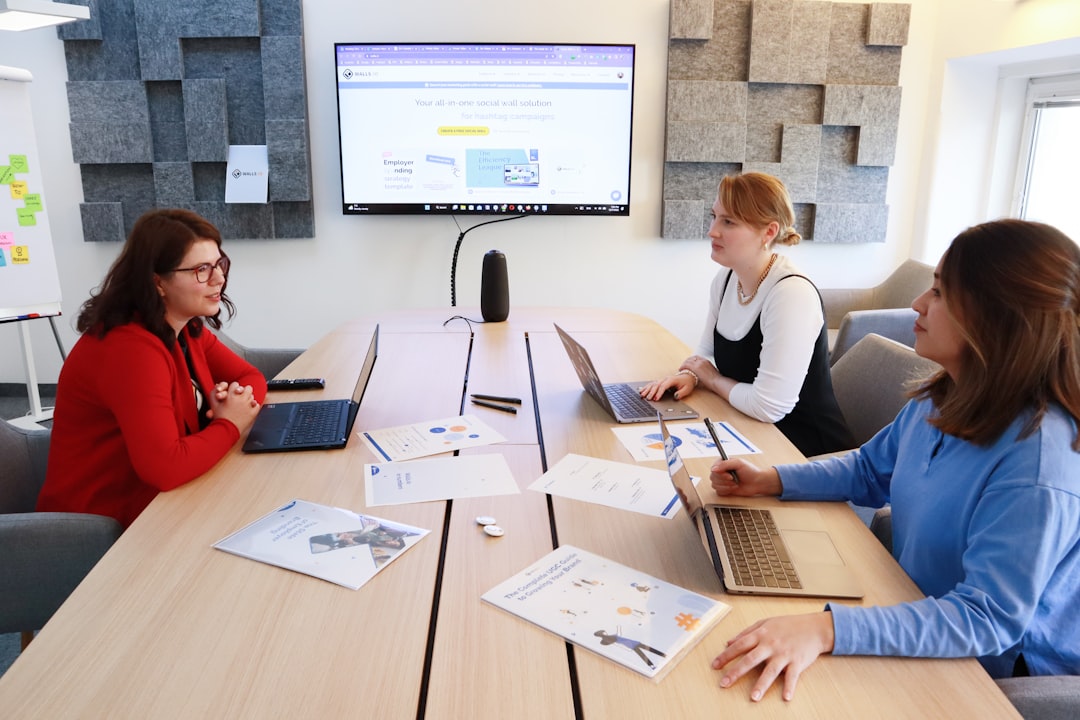
    software engineering team collaboration tools dashboard 2026

    Why Productivity Tooling Has Become Non-Negotiable in 2026

    According to a McKinsey Technology Report released in early 2026, engineering teams that adopt integrated developer experience (DevEx) platforms see an average 34% reduction in context-switching time and a 22% increase in deployment frequency within six months. That’s not marginal — that’s the difference between shipping a feature in a two-week sprint and a four-week one.

    The shift matters because engineering talent remains expensive and competitive. The average fully-loaded cost of a senior software engineer in North America in 2026 sits around $280,000–$340,000 annually. When you do the math, even a 15% productivity gain per engineer pays for most premium tooling subscriptions many times over.

    The Core Categories You Should Be Evaluating

    Rather than throwing every popular tool at you, let’s break this down into the categories that genuinely move the needle:

    • AI-Assisted Coding & Review: GitHub Copilot Enterprise, Cursor Pro, and the newly released JetBrains AI Full Stack have matured significantly. In 2026, these aren’t just autocomplete toys — they’re context-aware agents that understand your entire repository architecture. Teams at Shopify and Stripe have reported 40%+ reductions in boilerplate writing time.
    • Async Communication & Documentation: Linear combined with Notion AI or Confluence’s new intelligent summarization features is a combination I’m seeing win repeatedly. The key is reducing meeting load — tools like Loom AI now auto-generate action items and link them directly into your project tracker.
    • CI/CD & DevOps Intelligence: Platforms like Buildkite and Harness now include predictive pipeline failure analysis. Instead of waiting 45 minutes to discover a broken build, your team gets a flagged warning before a merge even happens.
    • Observability & Developer Feedback Loops: Datadog’s 2026 DevEx suite and Grafana Cloud’s unified dashboards make it possible for developers — not just ops teams — to own their service reliability metrics in real time.
    • Team Health & Flow Analytics: This is the category most teams overlook. Tools like Swarmia and LinearB analyze Git activity, review cycles, and deployment patterns to surface bottlenecks quietly killing your team’s momentum. No surveillance vibes — think of it as a team fitness tracker.

    Real-World Examples: Who’s Doing It Right

    Kakao (South Korea) — One of Korea’s largest tech companies publicly shared in their 2026 engineering blog that adopting a unified internal developer portal (IDP) built on Backstage.io reduced onboarding time for new engineers from an average of 6 weeks to just 2.5 weeks. That’s a 58% reduction, achieved largely by centralizing documentation, service ownership, and deployment pipelines in one place.

    Vercel (USA) — The frontend infrastructure company reorganized their engineering squads in early 2026 around a “Golden Path” approach — standardizing tool stacks so teams weren’t constantly debating which observability tool or testing framework to use. The result? Their median time-to-merge for pull requests dropped from 3.2 days to 1.4 days in one quarter.

    Zalando (Germany) — Zalando’s platform engineering team published a case study showing that embedding AI code review assistants (specifically a fine-tuned version of CodeRabbit) into their PR process reduced critical bug escapes to production by 31% year-over-year in 2026.

    developer productivity metrics analytics engineering team 2026

    The Hidden Trap: Tool Sprawl

    Here’s where I want to be honest with you — adding more tools isn’t automatically better. There’s a real phenomenon called tool sprawl, where teams accumulate subscriptions that each solve a narrow problem but collectively create integration nightmares and cognitive overhead. I’ve seen teams paying for seven different project management tools simultaneously.

    Before you invest, ask: Does this tool integrate natively with our existing stack, or will it require custom glue code to be useful? That glue code has a maintenance cost that never shows up in the vendor demo.

    Realistic Alternatives Based on Team Size & Budget

    Not every team has the budget of a Shopify or Zalando. Here’s how I’d think about it:

    • Small teams (2–10 engineers): Start with Linear for project tracking, GitHub Copilot for AI assistance, and Loom for async communication. Total cost stays under $100/month and covers the highest-impact categories without overwhelming complexity.
    • Mid-sized teams (10–50 engineers): Add a flow analytics tool like Swarmia and invest in a solid observability stack (Grafana Cloud’s free tier scales surprisingly well). Consider an IDP like Backstage only if you have someone willing to own its maintenance.
    • Enterprise teams (50+ engineers): This is where integrated platforms like Atlassian’s 2026 suite, Harness, or a custom IDP start making serious economic sense. The coordination overhead at this scale justifies the investment.

    What to Actually Do This Week

    Rather than overhauling everything at once, pick one bottleneck your team complains about most — slow PR reviews, flaky builds, unclear ownership, or poor documentation — and solve that single problem first. Measure the before and after. Build internal trust in tooling investment before expanding. The teams winning in 2026 aren’t necessarily using the most tools; they’re using the right tools with genuine adoption and clear ownership.

    Editor’s Comment : The productivity tooling conversation in 2026 has finally matured past the hype cycle. The teams pulling ahead aren’t chasing every new AI-powered feature — they’re disciplined about integration, honest about adoption challenges, and relentlessly focused on reducing friction for their engineers. If I had one piece of advice: talk to your engineers before you buy the tool. They already know exactly where the pain is.

    태그: [‘software engineering productivity 2026’, ‘developer tools 2026’, ‘engineering team productivity’, ‘DevEx tools’, ‘CI/CD optimization’, ‘developer experience platform’, ‘team productivity software’]

  • 소프트웨어 엔지니어링 팀 생산성 향상 도구 2026: 실무에서 검증된 최고의 툴킷

    소프트웨어 엔지니어링 팀 생산성 향상 도구 2026: 실무에서 검증된 최고의 툴킷

    얼마 전, 지인 스타트업의 CTO와 커피 한 잔을 마시면서 이런 얘기를 들었어요. 팀원이 15명으로 늘어났는데 오히려 배포 속도가 절반으로 줄었다고요. 코드 리뷰가 병목이 됐고, 회의는 매일 두 시간씩 잡아먹고, 누가 무슨 작업을 하는지도 파악이 안 된다고 하더라고요. 팀이 커질수록 더 빨라져야 하는데, 현실은 정반대였던 거죠.

    이게 사실 굉장히 흔한 현상이에요. 소프트웨어 엔지니어링 세계에서는 이걸 “조정 비용(Coordination Overhead)”이라고 부릅니다. 사람이 늘어날수록 커뮤니케이션 경로가 기하급수적으로 늘어나거든요. 팀원 n명이 있을 때 가능한 커뮤니케이션 경로는 n(n-1)/2개인데, 5명이면 10개지만 15명이면 무려 105개가 되는 셈이죠.

    2026년 현재, 이 문제를 해결하기 위한 도구들이 놀라운 속도로 진화하고 있어요. AI가 코드를 작성해 주는 시대를 넘어, 이제는 팀 전체의 워크플로우를 지능적으로 조율하는 시대로 넘어왔다고 봐도 과언이 아닐 것 같습니다. 오늘은 실제 현장에서 검증된 도구들을 함께 살펴보면서, 어떤 팀에 어떤 도구가 맞는지 고민해 보겠습니다.

    software engineering team productivity tools 2026 collaboration

    📊 본론 1: 숫자로 보는 생산성 격차 — 왜 지금 도구 선택이 중요한가

    01. 코딩 시간은 생각보다 적다 — 개발자의 실제 시간 분배

    많은 분들이 개발자가 하루 종일 코드를 짠다고 생각하시는데요, McKinsey의 2025년 글로벌 개발자 생산성 리포트에 따르면 실제로 개발자가 순수하게 코드를 작성하는 시간은 하루 평균 약 2~3시간에 불과하다고 합니다. 나머지 시간은 이렇게 쓰인다고 봐야 해요.

    • 🔍 코드 리뷰 및 PR 대기: 평균 1.5~2시간. 특히 PR이 머지되기까지 걸리는 평균 대기 시간은 소규모 팀 기준 약 18시간에 달한다고 해요.
    • 💬 미팅 및 슬랙/메일 확인: 하루 평균 1.8시간. 비동기 커뮤니케이션이 잘 안 되는 팀일수록 이 수치가 올라가는 경향이 있어요.
    • 🐛 디버깅 및 레거시 코드 파악: 하루 평균 1~1.5시간. 이 부분은 문서화 수준과 직결됩니다.
    • 🛠️ 환경 설정, 배포, 인프라 작업: 하루 평균 0.5~1시간.

    즉, 올바른 도구 하나가 하루 1~2시간을 돌려줄 수 있다는 계산이 나와요. 10명짜리 팀이라면 매일 10~20시간의 생산성을 회수하는 셈이니, 이게 연간으로 쌓이면 어마어마한 차이가 됩니다.

    02. DORA 메트릭스로 본 고성과 팀의 공통점

    DORA(DevOps Research and Assessment)는 Google이 매년 발표하는 소프트웨어 팀 성과 지표 프레임워크예요. 2026년 기준 Elite 등급 팀과 Low 등급 팀의 격차는 더 벌어졌다고 봐야 할 것 같아요.

    • 배포 빈도(Deployment Frequency): Elite 팀은 하루 여러 번 배포 vs Low 팀은 월 1회 미만
    • ⏱️ 변경 리드 타임(Lead Time for Changes): Elite 팀은 1시간 미만 vs Low 팀은 1~6개월
    • 🔄 변경 실패율(Change Failure Rate): Elite 팀은 5% 미만 vs Low 팀은 46~60%
    • 🚑 복구 시간(Time to Restore Service): Elite 팀은 1시간 미만 vs Low 팀은 1주일 이상

    이 격차를 만드는 핵심 요인 중 하나가 바로 자동화 도구와 AI 보조 워크플로우의 도입 여부라는 점이 거듭 확인되고 있어요.


    🌐 본론 2: 국내외 팀들이 실제로 쓰는 도구들 — 카테고리별 정리

    03. AI 코딩 어시스턴트: GitHub Copilot의 진화와 경쟁자들

    2026년 현재 AI 코딩 어시스턴트 시장은 사실상 군웅할거 시대라고 봐도 좋을 것 같아요. GitHub Copilot은 이제 단순 자동완성을 넘어 Copilot Workspace 기능을 통해 이슈 하나를 입력하면 관련 코드 변경 계획을 통째로 제안하는 수준까지 올라왔습니다.

    국내 사례를 보면, 카카오 엔터프라이즈와 토스(Viva Republica) 같은 핀테크 기업들이 사내 코딩 어시스턴트를 자체 LLM 기반으로 구축해 보안 이슈를 해결하면서도 생산성을 높이는 방향을 시도하고 있다는 소식이 들려오고 있어요. 클라우드 기반 AI 어시스턴트에 사내 코드를 올리는 것에 대한 보안 우려가 여전히 크기 때문에, 온프레미스 또는 프라이빗 클라우드 기반의 AI 어시스턴트가 엔터프라이즈 팀에서 주목받고 있다고 봐야 할 것 같습니다.

    04. 코드 리뷰 자동화: CodeRabbit, Graphite, LinearB

    PR 리뷰 병목 문제를 해결하는 가장 핫한 카테고리예요. CodeRabbit은 PR이 올라오면 AI가 1차 리뷰를 즉시 수행해 주는 도구인데, 실리콘밸리 스타트업들 사이에서 “시니어 엔지니어의 첫 번째 리뷰를 대체한다”는 평가를 받고 있어요.

    Graphite는 스택 기반 PR 관리 도구로, 큰 PR을 잘게 쪼개어 순차적으로 리뷰할 수 있게 해줘서 리뷰 부담을 획기적으로 줄여준다고 합니다. Stripe, Notion 등 개발자 친화적으로 유명한 기업들이 활용하고 있다고 알려져 있어요.

    05. 엔지니어링 메트릭스: LinearB와 Jellyfish

    “측정할 수 없으면 개선할 수 없다”는 말이 있죠. LinearB는 Git, Jira, 슬랙 등의 데이터를 통합해서 팀의 DORA 메트릭스를 실시간으로 시각화해 줍니다. 단순한 대시보드를 넘어, “이 스프린트에서 코드 리뷰 대기 시간이 평균보다 40% 길다”는 식의 actionable insight를 제공하는 게 핵심 강점이에요.

    06. 비동기 협업 도구: Loom의 진화와 Async-first 문화

    Zoom 피로가 쌓이면서 2025~2026년 사이 많은 팀들이 비동기 우선(Async-first) 문화로 전환을 시도하고 있어요. Loom은 짧은 영상 메시지로 코드 설명이나 버그 리포트를 공유하는 도구인데, 특히 리모트 팀에서 “이거 말로 설명하면 30분인데 Loom으로 5분이면 된다”는 반응이 많아요. 최근에는 AI가 영상 내용을 요약하고 액션 아이템을 자동으로 뽑아주는 기능도 추가됐습니다.

    developer productivity metrics dashboard AI code review tools

    07. 개발 환경 표준화: Dev Containers와 Daytona

    “내 컴퓨터에서는 되는데요\

    태그: []

  • Digital Twin Technology in 2026: Real-World Industry Use Cases Transforming How We Build, Operate, and Think

    Picture this: a massive offshore oil platform in the North Sea, and an engineer sitting comfortably in an office in Houston — not just watching live sensor data, but actually walking through a virtual replica of that platform, spotting a hairline stress fracture forming in a pipe joint before it becomes a catastrophic failure. No helicopter ride. No risk. Just a digital mirror of the physical world doing the heavy lifting.

    That’s not science fiction anymore. That’s digital twin technology in 2026, and it’s quietly rewriting the rules of how industries operate across the globe. Whether you’re in manufacturing, healthcare, urban planning, or energy — the digital twin revolution has arrived, and it’s moving faster than most people realize.

    So let’s think through this together: what exactly is a digital twin, where is it making the biggest splash, and what does it mean for businesses trying to decide whether to invest?

    digital twin factory simulation industrial technology 2026

    What Exactly Is a Digital Twin — And Why Does It Matter Now?

    A digital twin is a dynamic, real-time virtual replica of a physical object, system, or process. Unlike a static 3D model or a simple simulation, a true digital twin is continuously fed live data from IoT sensors, AI analytics, and operational systems — meaning it evolves as its physical counterpart does.

    Think of it as the difference between a photograph of you and a living, breathing clone that mirrors your every move, health status, and decision in real time.

    The technology has been around conceptually since NASA used simulation models for the Apollo missions, but what’s changed dramatically by 2026 is the convergence of three forces:

    • Affordable IoT sensors — The global IoT sensor market hit $38.6 billion in early 2026, making dense sensor deployment economically viable for mid-sized manufacturers.
    • Edge computing maturity — Processing power is now available at the device level, reducing latency to milliseconds for real-time twin synchronization.
    • Generative AI integration — AI models can now predict failure scenarios, optimize operations, and even suggest design changes within the twin environment itself.

    According to a 2026 report by MarketsandMarkets, the global digital twin market is projected to reach $110.1 billion by 2028, growing at a CAGR of 37.5% from 2023. That’s not incremental growth — that’s a paradigm shift in progress.

    Industry Use Cases: Where Digital Twins Are Actually Delivering Results

    Let’s get specific, because the real story is in the applications. Here’s where digital twins are genuinely moving the needle in 2026:

    1. Smart Manufacturing & Predictive Maintenance

    Siemens’ Amberg Electronics Plant in Germany — often called the world’s most digitized factory — now operates with a full plant-level digital twin that monitors over 50 million data points daily. In 2026, the facility reported a 99.9985% quality rate, with the digital twin flagging equipment anomalies an average of 72 hours before physical failure. The ROI? Downtime costs reduced by an estimated €18 million annually.

    What’s particularly interesting here is the feedback loop: when engineers test new production line configurations inside the twin, they can run thousands of virtual stress tests before touching a single physical machine. This “simulate first, build second” approach has cut new product introduction timelines by up to 40%.

    2. Smart Cities & Urban Infrastructure

    Singapore’s Virtual Singapore project — which has been evolving since the late 2010s — is now in its most sophisticated phase in 2026. The city-state’s digital twin covers not just buildings and roads, but real-time pedestrian flow, energy consumption grids, underground utility networks, and even shadow mapping for solar panel optimization.

    In early 2026, Singapore used its urban digital twin to model the impact of three new MRT stations before ground was broken — adjusting pedestrian underpasses, bus route timings, and emergency service access paths entirely in the virtual environment. Estimated cost savings from avoided redesigns: SGD 340 million.

    South Korea’s Sejong Smart City — a purpose-built digital-native city — takes this further by integrating citizen mobility data directly into the city’s twin, allowing real-time traffic signal optimization that has reduced average commute times by 23% compared to 2023 baselines.

    3. Healthcare & Personalized Medicine

    This is perhaps the most emotionally compelling application. Hospitals in the Netherlands and South Korea are now piloting patient-specific organ twins — digital replicas built from MRI/CT data that allow surgeons to rehearse complex procedures in a virtual environment calibrated to that individual patient’s anatomy.

    Philips and Erasmus MC in Rotterdam reported in Q1 2026 that surgeons using cardiac digital twins before open-heart procedures saw a 31% reduction in intraoperative complications compared to the control group. The technology is still in clinical validation phases for widespread use, but the trajectory is unmistakable.

    4. Energy & Utilities

    GE Vernova’s wind farm digital twins — deployed across installations in Texas, Scotland, and South Korea — now use generative AI to continuously reoptimize turbine blade angles based on real-time atmospheric data. In 2026, pilot farms using this approach reported a 7-11% increase in energy yield without any physical hardware changes.

    For an industry where margins are razor-thin and physical interventions are expensive, that kind of software-driven efficiency gain is transformational.

    smart city digital twin urban planning infrastructure visualization

    The Challenges Nobody Talks About Enough

    Here’s where we need to be honest, because the hype can sometimes outrun reality. Digital twins are not a plug-and-play solution, and there are very real barriers:

    • Data integration complexity: Legacy industrial systems weren’t designed to talk to each other. Retrofitting them with the sensor density needed for a meaningful twin is expensive and technically messy.
    • Cybersecurity risks: A digital twin is a high-fidelity map of your entire operation. If compromised, it becomes a playbook for attackers. Securing twin environments requires dedicated zero-trust architecture.
    • Talent gap: The intersection of domain expertise (e.g., mechanical engineering) and digital twin development skills is a narrow Venn diagram. As of early 2026, LinkedIn’s global job data shows digital twin engineer roles have a median time-to-fill of 94 days — nearly twice the industry average for tech roles.
    • ROI timeline: Most enterprise digital twin deployments take 18-36 months to reach full operational value. For SMEs with tighter cash flow, this is a genuine consideration.

    Realistic Alternatives If You’re Not Ready for Full Digital Twin Adoption

    Not every business needs to leap straight into a full-scale digital twin deployment — and honestly, trying to do so without the right foundation is a recipe for expensive disappointment. Here’s a more graduated path worth considering:

    • Start with a “Digital Shadow”: A digital shadow collects and visualizes real-time operational data without the full bidirectional feedback loop of a true twin. It’s a powerful first step that builds the data infrastructure you’ll eventually need.
    • Asset-level twinning first: Rather than twinning an entire facility, start with your highest-value or highest-risk assets — a critical CNC machine, a key HVAC system, or a specific production line. Prove value small before scaling wide.
    • SaaS-based twin platforms: Companies like Ansys, PTC ThingWorx, and Bentley iTwin offer subscription-based platforms that dramatically reduce the infrastructure investment needed to get started.
    • Partner with a system integrator: In 2026, a growing ecosystem of specialized digital twin consultancies can handle the technical heavy lifting while your team focuses on operational expertise. Look for integrators with proven vertical-specific experience.

    The key mindset shift here is to think of digital twin adoption as a journey, not a switch. The businesses winning in 2026 aren’t necessarily the ones who deployed the most sophisticated twins — they’re the ones who built the right data culture and infrastructure to make any twin actually useful.

    Whether you’re a plant manager in Incheon, a city planner in Amsterdam, or a hospital administrator in Chicago, the question isn’t really if digital twin technology will affect your sector — it’s when and how ready you’ll be when it does.

    The mirror is being built. The question is whether you’re standing in front of it.

    Editor’s Comment : What excites me most about digital twin technology in 2026 isn’t the headline-grabbing deployments at Siemens or Singapore — it’s the quiet democratization happening below the surface. Mid-sized manufacturers and regional municipalities are now accessing capabilities that were Fortune 500-only just five years ago. The real story of digital twins is less about the technology itself and more about the organizational willingness to trust data over intuition. That cultural shift? That’s the harder, and more interesting, problem to solve.

    태그: [‘digital twin technology 2026’, ‘industrial IoT applications’, ‘smart manufacturing’, ‘smart city digital twin’, ‘predictive maintenance AI’, ‘digital twin use cases’, ‘Industry 4.0 trends’]

  • 디지털 트윈 활용 산업 사례 2026: 가상 복제본이 바꾸는 제조·도시·헬스케어의 현실

    얼마 전 한 자동차 부품 제조사의 현장 엔지니어와 이야기를 나눈 적이 있어요. 그분은 “예전엔 새 생산라인 하나 세우려면 시운전만 3개월이었는데, 요즘은 소프트웨어 안에서 먼저 수백 번 돌려보고 현장에 반영하니 시행착오가 거의 없다”고 했습니다. 바로 디지털 트윈(Digital Twin) 이야기였어요. 물리적 객체나 시스템을 가상 공간에 똑같이 복제해 실시간으로 시뮬레이션하는 이 기술, 2026년 현재 어느 수준까지 와 있는지 함께 살펴볼게요.

    디지털 트윈은 단순한 3D 모델이 아니에요. 센서 데이터, IoT 피드, AI 분석이 실시간으로 연결되어 ‘살아 숨 쉬는 복제본’을 만드는 개념이라고 보는 게 맞을 것 같습니다. 2026년을 기점으로 이 기술은 ‘파일럿 단계’를 완전히 벗어나 다양한 산업에서 핵심 인프라로 자리 잡고 있어요.

    digital twin industrial simulation smart factory 2026

    📊 2026년 디지털 트윈 시장, 숫자로 보면 얼마나 커졌을까?

    글로벌 시장조사기관들의 추정치를 종합해 보면, 디지털 트윈 글로벌 시장 규모는 2026년 기준 약 730억~800억 달러(한화 약 100조 원 내외)에 달할 것으로 전망되고 있어요. 2020년 대비 약 10배 이상 성장한 수치라고 봅니다. 특히 다음 분야에서 투자가 집중되고 있어요.

    • 제조·스마트팩토리: 전체 시장의 약 34%를 차지하며 가장 큰 비중. 불량률 감소 및 예지보전(Predictive Maintenance)에 직접적으로 연결됩니다.
    • 스마트시티·인프라: 도시 교통, 에너지 그리드, 하수 시스템 전체를 가상화하는 프로젝트가 전 세계 60개 이상 도시에서 진행 중.
    • 헬스케어·바이오테크: 개인 장기(臟器)를 디지털로 복제해 수술 전 시뮬레이션에 활용하는 ‘환자 전용 트윈’ 기술이 임상에 진입.
    • 에너지·유틸리티: 풍력·태양광 발전소의 실시간 가상 모니터링으로 발전 효율을 평균 12~18% 향상시켰다는 보고가 나오고 있어요.
    • 항공우주·방산: NASA, ESA 등 우주기관이 위성 및 발사체 전체 생애주기를 디지털 트윈으로 관리하는 체계를 이미 정착시킨 상태입니다.

    🌍 글로벌 선도 사례: 현실이 된 이야기들

    지멘스(Siemens) × 암베르크 공장: 독일 암베르크의 지멘스 스마트팩토리는 디지털 트윈을 본격 고도화한 대표 사례예요. 제품 1개당 불량률이 0.001% 이하로 관리되고 있으며, 신제품 도입 기간을 기존 대비 약 50% 단축했다고 알려져 있습니다. 생산라인 변경 시 실물 없이 가상 환경에서 수천 회 시뮬레이션한 뒤 확정하는 방식이 핵심이에요.

    싱가포르 ‘버추얼 싱가포르(Virtual Singapore)’: 도시 전체를 3D 디지털 트윈으로 구축한 이 프로젝트는 건물 에너지 소비 예측, 재난 대피 시뮬레이션, 5G 기지국 최적 배치까지 활용 범위를 넓히고 있어요. 2026년 현재 싱가포르 도시개발청(URA)은 이 플랫폼을 기반으로 차세대 주거 정책을 설계하고 있다고 봅니다.

    필립스(Philips) ‘디지털 환자 트윈’: 심장 수술 전 환자 개인의 심장을 3D·4D로 복제해 수술 시나리오를 미리 검증하는 기술이 유럽 여러 병원에서 실제 임상에 쓰이고 있어요. 수술 성공률과 합병증 감소에 의미 있는 기여를 하고 있다는 초기 보고들이 이어지고 있습니다.

    smart city digital twin infrastructure real-time monitoring

    🇰🇷 국내 사례: 한국은 어디까지 왔을까?

    국내도 생각보다 빠르게 움직이고 있어요. 대표적인 사례 몇 가지를 짚어볼게요.

    • 현대중공업 HD한국조선해양: 선박 건조 전 과정을 디지털 트윈으로 관리하는 시스템을 도입, 설계 오류 사전 검출률을 크게 높였고 건조 기간 단축 효과를 거두고 있다고 봅니다.
    • LG CNS × 스마트시티 부산 에코델타시티: 도시 운영 전반을 디지털 트윈 플랫폼으로 통합 관제하는 시범 사업이 2026년 현재 운영 단계에 진입해 있어요.
    • 한국전력(KEPCO): 전국 변전소와 송전망을 가상화해 전력 수요 예측 및 고장 예지보전에 활용 중입니다. 전력망 이상 감지 시간을 기존 대비 약 40% 줄였다는 내부 보고가 나온 바 있어요.
    • 삼성바이오로직스: 의약품 생산 공정 전체를 디지털 트윈으로 구현, 배치(batch) 단위 품질 예측 모델을 운영 중. 글로벌 제약 GMP 규정 준수에도 긍정적인 영향을 미치고 있다고 알려져 있습니다.

    🔍 도입 시 현실적으로 고려해야 할 것들

    디지털 트윈이 만능처럼 들리지만, 현장에서는 몇 가지 걸림돌도 분명히 존재해요. 첫째, 데이터 품질 문제입니다. 가상 모델이 아무리 정교해도 입력되는 센서 데이터가 부정확하면 결과도 신뢰하기 어렵습니다. “쓰레기 들어가면 쓰레기 나온다(Garbage In, Garbage Out)”는 원칙이 여기서도 그대로 적용돼요.

    둘째, 초기 구축 비용이에요. 대기업 중심으로 투자가 집중되는 이유가 여기 있는데, 중소·중견기업을 위한 클라우드 기반 SaaS형 디지털 트윈 솔루션이 2026년 현재 빠르게 확산되고 있어서 진입 장벽은 낮아지는 추세라고 봅니다. 정부의 ‘제조 디지털 트윈 바우처’ 같은 지원 사업도 활용할 수 있어요.

    셋째, 사이버 보안입니다. 물리 시스템과 가상 모델이 실시간으로 연결된다는 건, 해킹 시 실물 설비까지 영향을 줄 수 있다는 뜻이기도 해요. 디지털 트윈 도입과 함께 OT(운영 기술) 보안 체계를 반드시 함께 설계해야 한다는 점은 꼭 강조하고 싶습니다.

    에디터 코멘트 : 디지털 트윈은 이제 “미래 기술”이 아니라 “지금 당장 경쟁력을 결정짓는 도구”가 된 것 같아요. 대기업만의 이야기가 아니라, 클라우드 기반 솔루션과 정부 지원을 활용하면 중소 제조사도 충분히 시작해볼 수 있는 시대입니다. 다만 기술 도입 전에 ‘우리가 풀고 싶은 문제가 무엇인가’를 먼저 명확히 하는 것, 그게 가장 현실적인 첫걸음이라고 봐요. 멋진 기술이 있어도 목적 없이 도입하면 또 다른 비용 낭비가 될 수 있으니까요.

    태그: [‘디지털트윈’, ‘디지털트윈산업사례2026’, ‘스마트팩토리’, ‘스마트시티’, ‘제조업디지털전환’, ‘IoT기술트렌드’, ‘디지털트윈도입비용’]

  • Software Architecture Trends 2026: What’s Actually Reshaping How We Build Systems

    Picture this: it’s late 2023, and a mid-sized fintech startup in Seoul just spent 18 months migrating their monolith to microservices — only to realize their 12-person engineering team was drowning in operational overhead. Fast forward to 2026, and that same team has pivoted to a modular monolith with selective service extraction. Sound familiar? This kind of architectural “course correction” is playing out across the industry right now, and it’s telling us something really important: the best architecture isn’t always the newest one — it’s the one that fits your context.

    So let’s think through what’s genuinely shaping software architecture in 2026, with some real data and honest trade-offs along the way.

    software architecture diagram 2026, cloud-native distributed systems visualization

    1. The Rise of Composable Architecture

    Gartner’s 2025 Tech Trends report (published late 2025) predicted that by the end of 2026, over 60% of enterprise organizations would be actively adopting composable architecture principles. And honestly, looking at the market right now, that number feels right. Composable architecture means building systems from interchangeable, loosely coupled “packaged business capabilities” (PBCs) — think of it like LEGO bricks for enterprise software.

    Why is this taking off? Because the pressure to adapt to market changes in weeks, not quarters, is relentless. Companies like Zalando in Germany and Kakao in South Korea have publicly documented their shift toward composable platforms. Zalando’s engineering blog highlighted a 40% reduction in time-to-market for new features after restructuring their commerce platform around composable modules in 2025.

    • Event-driven composition: Services communicate through events (Kafka, Pulsar) rather than tight API chains, making it far easier to swap components.
    • API-first design: Every capability exposes a clean contract before implementation begins — this isn’t new, but in 2026 it’s table stakes.
    • Headless everything: Headless CMS, headless commerce, headless auth. Decoupling the frontend experience from backend logic is now standard practice, not a luxury.

    2. Platform Engineering Has Moved from Buzzword to Boardroom

    Remember when DevOps was the hot trend? Platform Engineering is its more structured, grown-up sibling. The core idea is that instead of every development team reinventing infrastructure patterns, a dedicated Platform Engineering team builds an Internal Developer Platform (IDP) — a curated set of self-service tools, templates, and guardrails.

    The data backs this up hard. According to the 2026 State of Platform Engineering survey by Puppet (released February 2026), 73% of organizations with more than 500 engineers now have a dedicated platform engineering function, up from 47% in 2024. Companies like Spotify (with its famous Backstage framework, now on v2.x) and Netflix have been the north stars here, but what’s interesting in 2026 is that SMEs are now doing it too, thanks to open-source tooling becoming so much more accessible.

    If you’re on a smaller team, don’t be intimidated — a scaled-down IDP might just be a well-maintained set of Terraform modules and a GitHub Actions template library. The principle matters more than the scale.

    3. AI-Augmented Architecture: The Co-Pilot in the Room

    Let’s address the elephant — or rather, the large language model — in the room. AI isn’t just changing how developers write code; it’s actively influencing architectural decisions. Tools like GitHub Copilot Workspace (launched 2025), Amazon Q Developer, and Google’s Gemini Code Assist are now capable of suggesting architectural refactoring patterns based on codebase analysis.

    But here’s where I want us to think critically together: AI tools are excellent at pattern recognition, but they lack contextual business judgment. A real-world case — a logistics company in Singapore reported (via InfoQ, January 2026) that their AI-assisted architecture review tool flagged 15 components for microservice extraction. Human architects overrode 9 of those recommendations after factoring in team topology and data ownership rules. The lesson? AI is a powerful collaborator, not a replacement for architectural reasoning.

    • AI-assisted code review: Tools now detect architectural anti-patterns (God objects, circular dependencies) automatically in CI pipelines.
    • Generative architecture documentation: Systems can auto-generate Architecture Decision Records (ADRs) from code changes — a huge win for knowledge retention.
    • Synthetic load testing: AI models simulate realistic traffic patterns for stress testing, reducing the gap between lab results and production behavior.

    4. The Modular Monolith Renaissance (Yes, Really)

    This might be the most counterintuitive trend of 2026: the modular monolith is back, and nobody is embarrassed about it anymore. After years of “microservices or bust” culture, the industry has matured. The backlash against microservices complexity — network latency, distributed tracing overhead, the operational burden — has been well-documented by practitioners like Sam Newman and Martin Fowler.

    DHH (David Heinemeier Hansson) of Basecamp famously wrote in early 2024 about moving Basecamp back toward a majestic monolith, and that sparked a genuine industry conversation. By 2026, we’re seeing structured acknowledgment: the Modular Monolith is now a first-class architectural pattern in the ThoughtWorks Technology Radar (January 2026), placed firmly in “Adopt.”

    What makes it work is discipline: clear module boundaries enforced by code, strict dependency rules (tools like ArchUnit for Java or fitness functions in Evolutionary Architecture), and the understanding that you can always extract a service later if genuine need arises.

    modular monolith vs microservices comparison architecture 2026

    5. FinOps-Driven Architecture: Cost as a First-Class Concern

    Here’s a trend that’s perhaps less glamorous but critically important in 2026’s economic climate: architectural decisions are now explicitly evaluated through a cost lens from day one. With cloud spend continuing to balloon (Flexera’s 2026 State of the Cloud report notes that organizations waste an average of 32% of their cloud budget), FinOps — the practice of bringing financial accountability to cloud — has become an architectural constraint, not an afterthought.

    This means architects are now choosing between, say, a serverless function and a container not just on performance grounds, but on projected cost curves. Companies like Shopify have pioneered “cost fitness functions” — automated checks that fail a build if a new service is projected to exceed a cost threshold based on estimated traffic.

    • Right-sizing as architecture: Choosing the right compute primitive (serverless, containers, VMs) based on workload pattern and cost model.
    • Data locality decisions: Keeping hot data close to compute to avoid expensive cross-region egress fees — this now shapes data architecture directly.
    • Idle resource elimination: Architecture patterns that support scale-to-zero (Knative, AWS Lambda) are preferred in cost-conscious organizations.

    Realistic Alternatives Based on Your Situation

    Here’s the honest part of the conversation. Not every trend belongs in every organization. Let’s match strategies to realities:

    • If you’re a startup (<20 engineers): Start with a well-structured modular monolith. Resist the microservices temptation. Use managed services aggressively to minimize ops burden. Revisit when you hit genuine scaling bottlenecks.
    • If you’re scaling (20–100 engineers): Begin Platform Engineering lite — standardize your CI/CD pipeline and IaC modules first before building a full IDP. Extract services only when bounded contexts are crystal clear.
    • If you’re an enterprise (100+ engineers): Composable architecture and full platform engineering investment are genuinely worth the effort. The ROI on developer autonomy and time-to-market is measurable at this scale.
    • If budget is a constraint: FinOps-informed architecture isn’t optional — it’s survival. Start with tagging standards and cost allocation visibility before any new architectural investment.

    The throughline in 2026’s architectural landscape is this: pragmatism is winning over ideology. The best engineering teams aren’t chasing trends — they’re asking “what problem are we actually solving?” and choosing the simplest architecture that sustainably solves it.

    Editor’s Comment : What I find genuinely exciting about the software architecture conversation in 2026 is how much more honest it’s gotten. The “you must use microservices” dogma has given way to nuanced, context-driven thinking — and that’s a sign of a maturing industry. Whether you’re a solo developer building a side project or a principal architect at a Fortune 500, the best move is always to understand the trade-offs clearly before committing. Architecture is ultimately a series of bets about the future; the goal is to make informed ones.

    태그: [‘software architecture trends 2026’, ‘platform engineering’, ‘modular monolith’, ‘composable architecture’, ‘AI-augmented development’, ‘FinOps cloud architecture’, ‘microservices vs monolith’]

  • 소프트웨어 아키텍처 트렌드 2026: 지금 알아야 할 핵심 변화 7가지

    얼마 전, 한 스타트업 CTO와 커피 한 잔을 나눴어요. 그분이 꺼낸 첫마디가 인상적이었습니다. “우리 팀이 3년 전에 설계한 아키텍처가 벌써 기술 부채가 됐어요.” 클라우드 네이티브로 전환하고 싶은데 기존 모놀리스(Monolith) 구조를 뜯어고칠 엄두가 나지 않는다는 거였죠. 이건 그 팀만의 이야기가 아닌 것 같아요. 2026년을 살아가는 개발 조직 대부분이 비슷한 고민을 안고 있다고 봅니다. 기술은 무섭게 빠르게 달리고 있는데, 아키텍처 결정은 한번 잘못 내리면 몇 년치 고통을 가져오니까요. 그래서 오늘은 2026년 현재 소프트웨어 아키텍처 판도를 함께 읽어보려 합니다.

    software architecture trend 2026 cloud native microservices

    1. 모놀리스의 역습? ‘모듈러 모놀리스’가 다시 주목받고 있어요

    2026년 들어 흥미로운 반전이 일어나고 있다고 봅니다. 마이크로서비스(Microservices)가 한때 만능 해결사처럼 여겨졌지만, Gartner의 2025년 말 보고서에 따르면 마이크로서비스를 도입한 기업 중 약 42%가 운영 복잡성 증가로 인해 일부 서비스를 다시 통합했다고 해요. 오케스트레이션 비용, 네트워크 레이턴시, 분산 트랜잭션 처리 등 마이크로서비스 고유의 복잡성이 중소 규모 팀에게는 오히려 독이 된 거죠.

    그 대안으로 떠오른 것이 바로 모듈러 모놀리스(Modular Monolith)입니다. 단일 배포 단위를 유지하되, 내부 코드베이스를 도메인 경계(Domain Boundary)에 따라 명확히 분리하는 방식이에요. 필요한 모듈만 골라 나중에 마이크로서비스로 분리할 수 있다는 유연성도 있고요. Stack Overflow의 2026년 개발자 설문에서는 신규 프로젝트 아키텍처로 모듈러 모놀리스를 선택한 비율이 전년 대비 18%p 증가한 것으로 나타났습니다.

    2. 플랫폼 엔지니어링(Platform Engineering)의 본격 부상

    DevOps가 개념으로 자리 잡은 지 10년이 넘었지만, 2026년에는 그 진화 형태인 플랫폼 엔지니어링이 실질적인 조직 단위로 정착하는 분위기입니다. 개발자가 인프라를 직접 다루는 대신, 내부 개발자 플랫폼(IDP, Internal Developer Platform)을 통해 셀프서비스 방식으로 배포·모니터링·롤백까지 처리하는 구조예요. IDC 자료에 의하면, 플랫폼 엔지니어링을 도입한 팀은 평균 배포 주기가 2.4배 단축되고 온콜(On-Call) 인시던트가 31% 감소한다고 합니다.

    3. AI-Assisted Architecture: 설계 단계에 AI가 들어왔어요

    2026년 가장 뜨거운 키워드 중 하나는 단연 AI 어시스티드 아키텍처라고 봐요. GitHub Copilot이나 Amazon Q Developer 같은 도구들이 단순 코드 자동완성을 넘어, 시스템 설계 다이어그램 생성과 아키텍처 안티패턴(Anti-Pattern) 탐지까지 지원하기 시작했거든요. AWS re:Invent 2025에서 공개된 자료에 따르면, AI 기반 설계 보조 도구를 사용한 팀이 초기 아키텍처 리뷰 사이클을 평균 40% 단축했다고 합니다. 물론 AI가 내린 제안이 항상 맞는 건 아니라서, 시니어 아키텍트의 검토 역할은 오히려 더 중요해졌다고 봐야 할 것 같아요.

    platform engineering internal developer platform IDP DevOps 2026

    4. 국내외 주요 사례로 보는 2026년 아키텍처 전략

    해외 사례 — Shopify: Shopify는 수년간의 마이크로서비스 실험 끝에 ‘모듈러 모놀리스 + 선택적 서비스 분리’ 전략으로 복귀해 화제가 됐어요. 이들은 Ruby on Rails 기반의 핵심 모놀리스를 유지하면서, 검색·결제 등 트래픽 집중 모듈만 별도 서비스로 운영하는 하이브리드 구조를 택했습니다. 결과적으로 엔지니어링 팀 생산성이 크게 올라갔다고 공개적으로 밝혔죠.

    국내 사례 — 카카오페이: 국내에서는 카카오페이가 2025년 하반기부터 플랫폼 엔지니어링 조직을 별도로 구성하고, 내부 개발자 포털(IDP)을 구축해 배포 자동화와 옵저버빌리티(Observability) 통합을 진행 중인 것으로 알려져 있어요. 금융권 특성상 엄격한 컴플라이언스를 지키면서도 개발 속도를 높이기 위한 고민의 결과로 보입니다.

    5. 2026년 주목해야 할 소프트웨어 아키텍처 키워드 정리

    • eBPF 기반 옵저버빌리티: 커널 레벨에서 트레이싱을 수행해 애플리케이션 코드 수정 없이 성능 데이터를 수집하는 방식이에요. Cilium, Pixie 같은 도구가 대표적입니다.
    • 셀(Cell) 기반 아키텍처: 단일 리전 의존을 줄이기 위해 독립적으로 동작하는 ‘셀’ 단위로 시스템을 분리하는 접근법이에요. AWS, Azure 모두 이 패턴을 권장하고 있어요.
    • WebAssembly(WASM) 서버사이드 확산: 브라우저 밖으로 나온 WASM이 엣지 컴퓨팅과 결합하면서 서버리스 함수의 대안으로 급부상하고 있습니다.
    • 데이터 메시(Data Mesh)의 실용화: 이론에서 실제 구현 단계로 넘어온 데이터 메시가 대기업 데이터 아키텍처의 표준으로 자리 잡는 중이에요.
    • 제로트러스트 아키텍처(ZTA) 의무화: 미국 NIST, 유럽 ENISA 모두 공공·금융 시스템에 ZTA 적용을 사실상 의무화하는 방향으로 가이드라인을 강화했습니다.
    • 그린 아키텍처(Green Architecture): 탄소 발자국을 줄이기 위한 에너지 효율 설계가 ESG 경영과 맞물려 아키텍처 의사결정 기준 중 하나로 편입되고 있어요.
    • LLM 오케스트레이션 레이어: AI 기능을 서비스에 통합하기 위한 LangChain, LlamaIndex 등의 오케스트레이션 패턴이 독립적인 아키텍처 레이어로 표준화되는 흐름입니다.

    6. 현실적인 선택: 어떤 아키텍처가 우리 팀에 맞을까요?

    결국 ‘정답 아키텍처’는 없다고 봐요. 팀 규모, 도메인 복잡도, 트래픽 패턴, 그리고 조직의 기술 성숙도가 모두 다르니까요. 다만 2026년 현재 큰 그림을 그려보면 이런 흐름인 것 같습니다.

    • 5~20명 소규모 팀: 모듈러 모놀리스로 시작해 검증된 모듈만 선택적으로 분리하는 전략이 현실적이에요.
    • 50명 이상 중대형 팀: 플랫폼 엔지니어링 조직을 내재화하고, 표준화된 IDP 위에서 각 팀이 자율적으로 서비스를 운영하는 구조가 맞을 거예요.
    • AI 기능 통합이 핵심인 팀: LLM 오케스트레이션 레이어를 별도로 설계하되, 비용 폭증을 막기 위한 캐싱·라우팅 전략을 아키텍처 초기부터 고려해야 한다고 봅니다.

    에디터 코멘트 : 아키텍처 트렌드를 쫓는 것도 중요하지만, 솔직히 말씀드리면 가장 위험한 건 “유행하니까 도입한다”는 태도인 것 같아요. 마이크로서비스 열풍 때 무턱대고 전환했다가 운영 지옥을 경험한 팀들이 그 증거입니다. 2026년 아키텍처 트렌드의 공통 키워드는 오히려 ‘실용성’과 ‘복잡성 제어’에 가깝다고 봅니다. 화려한 다이어그램보다, 우리 팀이 실제로 운영하고 이해할 수 있는 구조가 결국 가장 좋은 아키텍처라는 걸 잊지 마세요.

    태그: [‘소프트웨어 아키텍처 트렌드 2026’, ‘마이크로서비스 vs 모놀리스’, ‘플랫폼 엔지니어링’, ‘모듈러 모놀리스’, ‘AI 아키텍처 설계’, ‘클라우드 네이티브 2026’, ‘개발자 플랫폼 IDP’]

  • AI Agent Technology in 2026: Real-World Use Cases That Are Quietly Changing How We Live and Work

    Picture this: it’s early 2026, and a small logistics startup in Seoul just cut its customer service costs by 60% — not by laying off staff, but by deploying an AI agent that autonomously handles shipment inquiries, reroutes delayed packages, and even negotiates rescheduling with partner warehouses. No human in the loop. The agent just… figured it out. When I first heard this story from a friend working in supply chain tech, I had to stop and think — are we at a genuinely different inflection point with AI agents, or is this just hype with a new coat of paint?

    After digging into the data and talking to practitioners across industries, I’m convinced: 2026 is the year AI agent technology has moved from “interesting demo” to “quietly indispensable infrastructure.” Let’s think through this together.

    AI agent technology 2026 futuristic digital workflow automation

    What Exactly Is an AI Agent — And Why Does 2026 Feel Different?

    Before we dive into use cases, let’s ground ourselves. An AI agent is more than a chatbot or a recommendation algorithm. It’s a system that can perceive its environment, set goals, plan multi-step actions, use tools (like web search, code execution, or API calls), and self-correct — often without step-by-step human instruction. Think of it as the difference between asking someone to write one email versus hiring an assistant who manages your entire inbox autonomously.

    What makes 2026 the tipping point? A few converging forces:

    • Model capability leap: The latest frontier models (from OpenAI, Anthropic, Google DeepMind, and emerging Chinese labs like Zhipu AI) now demonstrate significantly improved long-horizon reasoning, reducing the notorious “agent drift” problem where agents lost track of goals mid-task.
    • Standardized agent frameworks: Tools like LangGraph, AutoGen 2.0, and OpenAI’s Assistants API v3 have matured, making agent deployment accessible to mid-size companies — not just Big Tech.
    • Memory and context: Persistent memory architectures mean agents in 2026 can remember context across sessions — a critical upgrade for ongoing professional relationships.
    • Cost reduction: Inference costs for capable models dropped by roughly 70–80% between 2023 and early 2026, making continuous agent operation economically viable at scale.

    Sector-by-Sector: Where AI Agents Are Actually Doing the Work

    Let’s not stay abstract. Here’s where the real action is happening across industries right now.

    1. Healthcare Administration (South Korea & Germany)
    Seoul National University Hospital piloted an AI agent system in late 2025 that autonomously manages patient appointment scheduling, insurance pre-authorization requests, and follow-up reminders. The agent integrates with the hospital’s EMR system, Korean Health Insurance Review & Assessment Service (HIRA) APIs, and even sends culturally-tailored SMS messages. Result? Administrative processing time dropped by 45%, and staff redirected hours toward direct patient care. A similar deployment at Berlin’s Charité hospital system focused on clinical trial participant matching — the agent scans incoming patient records, cross-references eligibility criteria across 200+ active trials, and flags candidates for physician review. Previously a 3-hour manual task per candidate; now under 4 minutes.

    2. Legal Research & Contract Review (USA & UK)
    Law firms in 2026 are increasingly deploying “legal agent stacks” — multi-agent systems where one agent researches case precedents, another drafts contract clauses, and a third performs risk flagging. Allen & Overy’s internal data (shared at a 2026 LegalTech Summit) indicated that junior associate-level research tasks were completed 8x faster with comparable accuracy. Importantly, these firms aren’t framing this as replacement — they’re positioning it as giving junior lawyers leverage to handle more complex analytical work earlier in their careers.

    3. Software Development (Global Tech Companies)
    GitHub Copilot Workspace (now in its third major iteration) and competing platforms like Cursor’s Agent Mode have shifted from “autocomplete” to genuine autonomous coding agents. A mid-size fintech in Singapore reported that their agent system could take a feature specification written in plain English, write the code, generate unit tests, identify integration conflicts, and open a pull request — end to end — for routine features. Developer time on boilerplate tasks fell by an estimated 55%, according to their 2026 Q1 internal review.

    4. E-commerce & Personalized Retail
    Coupang (South Korea’s e-commerce giant) and Zalando (Europe) both rolled out customer-facing AI shopping agents in 2026. These aren’t just product recommenders — they negotiate prices on certain SKUs, remember your style preferences across seasons, proactively alert you to restocks of items you’ve historically bought, and handle returns end-to-end without human support. Zalando’s early data shows a 22% increase in customer lifetime value among agent-adopting users versus control groups.

    AI agent use cases healthcare legal ecommerce 2026 real world examples

    The Challenges Nobody Talks About Enough

    Here’s where I want us to be honest with each other — because optimism without realism isn’t useful. AI agents in 2026 still have real friction points:

    • Hallucination in agentic loops: When an agent makes a wrong assumption early and no human catches it, errors can compound across downstream steps. This is particularly risky in medical and legal contexts.
    • Integration complexity: Connecting agents to legacy enterprise systems (especially in healthcare and government) remains painfully slow and expensive. Many promising deployments stall here.
    • Accountability gaps: When an AI agent takes an action that causes harm — a wrong insurance denial, a miscommunicated legal deadline — the question of liability is genuinely unresolved in most jurisdictions as of early 2026.
    • Over-automation bias: Some organizations are rushing to deploy agents for tasks where a simpler, cheaper automation (like RPA) would do — or where human judgment genuinely adds value that gets lost.

    Realistic Alternatives: How to Think About Adopting AI Agents in Your Context

    Not every situation calls for a full autonomous agent deployment. Here’s a practical framework for thinking through your options:

    • If you’re a solo professional or small business: Start with semi-agentic tools — products like Notion AI with workflows, or Claude’s Projects feature — before building custom agent stacks. The ROI is faster and the risk is lower.
    • If you’re in a regulated industry: Consider human-in-the-loop agent designs where the agent prepares and recommends, but a human approves every consequential action. This captures 60–70% of the efficiency gain with dramatically reduced compliance risk.
    • If you’re evaluating enterprise deployment: Pilot on a single, well-defined, low-stakes workflow first. Customer FAQ handling or internal IT ticket triage are classic starting points with measurable outcomes and bounded failure modes.
    • If you’re a developer: The open-source ecosystem in 2026 (CrewAI, LangGraph, Microsoft AutoGen) is genuinely powerful. But don’t skip the boring work: robust evals (evaluation frameworks) are what separates reliable agent systems from ones that fail quietly in production.

    The underlying principle here is: match the autonomy level of your agent to the reversibility of its actions. The more irreversible the action, the more human oversight you want in the loop — at least until trust is earned through demonstrated reliability.

    What’s Coming Next: The Agentic Horizon Beyond 2026

    Looking at the trajectory, a few developments seem very likely in the near term. Multi-agent collaboration — where specialized agents negotiate and hand off tasks between themselves — is maturing fast. We’re also seeing early signs of “agent marketplaces” where companies can subscribe to pre-built, industry-specific agents rather than building from scratch. And the regulatory environment is shifting: the EU’s AI Act implementation is creating clearer (if still imperfect) guidelines for agentic systems in high-risk sectors, which paradoxically may accelerate enterprise adoption by reducing legal uncertainty.

    The honest assessment? AI agents in 2026 are genuinely useful, meaningfully more capable than 2024’s versions, and increasingly accessible. But they are tools that reward thoughtful deployment — not magic solutions that replace the need for clear thinking about what you actually want to achieve.


    Editor’s Comment : What strikes me most about the AI agent story in 2026 is how quietly it’s unfolding. This isn’t the dramatic sci-fi robot takeover — it’s a thousand small workflow revolutions happening inside hospitals, law firms, and logistics companies that most of us never see. The people who will get the most out of this moment aren’t necessarily the ones with the biggest budgets; they’re the ones willing to think carefully about where human judgment is genuinely irreplaceable versus where we’ve just been doing things manually out of habit. That distinction is worth sitting with.

    태그: [‘AI agent technology 2026’, ‘AI agent use cases’, ‘autonomous AI workflows’, ‘enterprise AI automation’, ‘AI in healthcare 2026’, ‘agentic AI tools’, ‘future of work AI’]

  • AI 에이전트 기술 발전 2026: 우리 삶을 바꾸는 실제 활용 사례 총정리

    올해 초, 한 스타트업 창업자가 이런 말을 했다고 해요. “직원을 뽑으려고 공고를 올렸는데, 지원자가 보내온 포트폴리오 절반이 AI 에이전트로 자동 생성된 거였어요. 심지어 퀄리티가 사람 것보다 높더라고요.” 웃어야 할지 울어야 할지 모를 이 상황, 사실 2026년 현재 우리가 살고 있는 현실이라고 봅니다. AI 에이전트는 이제 단순히 ‘챗봇’이나 ‘검색 보조 도구’ 수준을 훌쩍 넘어섰어요. 스스로 목표를 설정하고, 도구를 사용하고, 결과를 검증하는 ‘자율 행위자’로 진화했거든요. 오늘은 2026년 기준 AI 에이전트 기술이 어디까지 왔고, 실제로 어떻게 활용되고 있는지 함께 살펴볼게요.

    AI agent autonomous robot technology 2026 futuristic interface

    📊 숫자로 보는 AI 에이전트의 현재: 2026년 시장 규모와 성장 지표

    먼저 수치부터 짚어볼게요. 시장조사기관 가트너(Gartner)에 따르면 2026년 글로벌 AI 에이전트 관련 소프트웨어 시장 규모는 약 470억 달러(한화 약 63조 원)에 달할 것으로 추산됩니다. 2023년 대비 약 4.7배 성장한 수치예요. 특히 주목할 만한 건 ‘멀티 에이전트 시스템(Multi-Agent System, MAS)’의 도입률인데요, 포춘(Fortune) 500대 기업 중 62%가 2026년 현재 하나 이상의 AI 에이전트 파이프라인을 실제 업무에 통합했다고 밝혔습니다.

    기술 측면에서도 변화가 뚜렷해요. 2024~2025년까지는 GPT 계열의 단일 모델이 에이전트 역할을 하는 구조가 주류였다면, 2026년에는 오케스트레이터 에이전트(Orchestrator Agent)가 여러 전문 서브 에이전트를 지휘하는 ‘계층적 에이전트 아키텍처’가 표준처럼 자리잡고 있어요. 쉽게 말하면, 총괄 PM 역할을 하는 AI가 디자인 담당 AI, 코딩 담당 AI, 리서치 담당 AI에게 각각 업무를 배분하는 구조라고 보시면 됩니다.

    또한 ‘컨텍스트 윈도우(Context Window)’의 확장도 핵심 요인 중 하나예요. 2026년 현재 주요 대형언어모델(LLM)의 컨텍스트 윈도우는 100만 토큰 이상이 기본 스펙으로 자리잡아, 에이전트가 방대한 문서와 히스토리를 장기 기억처럼 유지하며 작업을 이어갈 수 있게 됐어요.

    🌐 국내외 AI 에이전트 실제 활용 사례: 현장에서는 어떻게 쓰이고 있을까?

    [해외 사례]

    미국의 세일즈포스(Salesforce)는 자사 플랫폼에 ‘Agentforce’를 정식 탑재해, 영업 사원 대신 AI 에이전트가 고객 이메일에 자동 응답하고 미팅 일정을 조율하며 CRM 데이터를 업데이트하는 전 과정을 처리하도록 했어요. 실제 도입 기업들의 보고에 따르면 영업 팀의 반복 업무 시간이 평균 40% 이상 단축됐다고 합니다.

    의료 분야에서는 미국 메이요 클리닉(Mayo Clinic)이 AI 에이전트를 활용해 환자의 전자건강기록(EHR)을 분석하고, 주치의에게 치료 옵션을 요약·제안하는 시스템을 운영 중이에요. 단순 요약을 넘어 관련 최신 임상 논문을 자동으로 검색·첨부하는 기능까지 포함돼 있어서, 의사들의 의사결정 보조 도구로 꽤 높은 평가를 받고 있는 것 같습니다.

    [국내 사례]

    국내에서는 카카오와 네이버가 각각 AI 에이전트 플랫폼 경쟁에 본격적으로 뛰어든 상황이에요. 카카오는 카카오톡 기반의 ‘카나나(Kanana)’ 에이전트를 통해 일정 관리, 쇼핑 주문, 금융 상담을 하나의 대화 흐름 안에서 처리하는 서비스를 확장 중이고요. 네이버는 ‘HyperCLOVA X’ 기반의 B2B 에이전트 솔루션을 통해 유통·물류 기업들의 발주·재고 관리 자동화를 지원하고 있어요.

    삼성전자는 갤럭시 AI 에이전트를 통해 스마트폰 내 앱 간 데이터를 연결하고 사용자 루틴을 학습해 능동적으로 알림·제안을 해주는 ‘온디바이스 에이전트’ 기능을 2026년 상반기 플래그십 라인에 전면 적용했어요. 클라우드 연결 없이도 개인 디바이스 안에서 에이전트가 동작한다는 점에서 프라이버시 측면의 우려를 상당 부분 해소한 사례라고 볼 수 있습니다.

    AI agent workflow automation business Korea 2026 digital transformation

    🔍 2026년 주목해야 할 AI 에이전트 활용 분야 TOP 5

    • 코드 개발 및 QA 자동화 — GitHub Copilot Workspace처럼 기획서를 입력하면 에이전트가 코드 작성부터 테스트, 오류 수정까지 루프를 돌며 완성도를 높이는 방식이 개발 현장에서 빠르게 표준화되고 있어요.
    • 법률·세무 문서 검토 — 계약서를 업로드하면 리스크 조항을 자동 탐지하고 수정 제안까지 해주는 에이전트 서비스가 중소기업 시장을 중심으로 폭발적으로 성장 중이에요. 국내 스타트업 로폼(Lawform)이 대표적인 사례로 꼽힙니다.
    • 콘텐츠 마케팅 파이프라인 — 키워드 리서치 → 초안 작성 → SEO 최적화 → SNS 포맷 변환까지 전 과정을 멀티 에이전트가 분업 처리하는 구조가 1인 마케터들 사이에서 각광받고 있어요.
    • 개인 재무 관리 — 은행 계좌·카드 내역을 연동해 지출 패턴을 분석하고, 절세 전략이나 투자 리밸런싱 타이밍을 능동적으로 제안하는 ‘퍼스널 파이낸스 에이전트’가 핀테크 앱의 핵심 기능으로 자리잡고 있는 추세예요.
    • 고객 응대 및 CS 자동화 — 단순 FAQ 응답을 넘어, 환불 처리·주문 변경·불만 접수 후 내부 시스템 연동까지 처리하는 에이전트가 이커머스 업계 전반에 빠르게 도입되고 있습니다.

    ⚠️ 빛과 그림자: AI 에이전트 도입 시 현실적으로 고려해야 할 것들

    물론 장밋빛 전망만 있는 건 아니에요. AI 에이전트가 자율적으로 행동한다는 건, 그만큼 오작동 리스크도 커진다는 의미거든요. 에이전트가 잘못된 판단으로 실제 이메일을 발송하거나 API를 통해 외부 시스템을 변경하는 일이 발생할 경우, 그 책임 소재가 불분명한 상황이 아직 많아요.

    이를 보완하기 위해 ‘휴먼 인 더 루프(Human-in-the-Loop, HITL)’ 설계, 즉 중요한 의사결정 시점마다 인간이 최종 승인하는 체계를 구축하는 것이 현실적인 대안으로 권장되고 있어요. 또한 에이전트가 어떤 과정을 거쳐 결론에 도달했는지 추적할 수 있는 에이전트 로그 및 감사 추적(Audit Trail) 시스템 도입도 필수적이라고 봅니다.

    개인 사용자 입장에서는, AI 에이전트에게 권한을 과도하게 위임하기 전에 ‘이 에이전트가 어디까지 접근할 수 있는지’를 명확히 이해하고 최소 권한 원칙(Least Privilege Principle)을 적용하는 습관이 중요해요.

    에디터 코멘트 : AI 에이전트는 2026년 현재, 우리가 ‘언젠가 올 미래’라고 막연히 생각하던 그 기술이 이미 현재 진행형으로 자리잡은 상태예요. 무작정 두려워하거나 반대로 맹목적으로 의존하기보다는, 내가 반복적으로 시간을 쓰는 업무가 무엇인지 먼저 파악하고 거기서부터 에이전트를 조심스럽게 실험해 보는 게 가장 현실적인 접근이라고 생각해요. 기술을 이해하는 사람과 그렇지 않은 사람 사이의 생산성 격차가 앞으로 더 빠르게 벌어질 거라는 점, 함께 마음에 새겨두면 좋을 것 같습니다.

    태그: [‘AI에이전트’, ‘AI에이전트2026’, ‘인공지능활용사례’, ‘멀티에이전트시스템’, ‘AI자동화’, ‘생성형AI트렌드’, ‘업무자동화AI’]

  • Microservices vs Monolithic Architecture in 2026: Which One Actually Fits Your Project?

    Picture this: It’s late 2019, and a mid-sized e-commerce startup just launched their beautifully crafted monolithic application. Everything runs smoothly — until Black Friday hits. Traffic spikes tenfold, the checkout service buckles under pressure, and the entire platform goes down. Not just checkout. Everything. Sound familiar? That single moment is what pushed thousands of engineering teams to start seriously asking: should we break this thing apart?

    Fast forward to 2026, and the microservices vs monolithic debate is still very much alive — but the conversation has matured considerably. We’re no longer just talking ideology. We’re talking real trade-offs, real costs, and real team capabilities. Let’s think through this together.

    microservices architecture diagram, distributed systems visualization 2026

    🧱 What Are We Actually Comparing?

    Before diving into data and examples, let’s make sure we’re on the same page with definitions — because these terms get thrown around loosely.

    A monolithic architecture means your entire application — UI, business logic, data access layer — is built and deployed as a single unified unit. One codebase, one deployment pipeline, one database (typically). Simple to reason about, simple to test locally, and frankly, perfect for early-stage products.

    A microservices architecture, on the other hand, decomposes that application into small, independently deployable services — each responsible for a specific business capability. Your user service, payment service, and notification service all live independently, communicate over APIs or message queues, and can be scaled, updated, or replaced without touching the others.

    📊 The Numbers Don’t Lie — But They Need Context

    According to the 2026 State of Cloud Native Development Report by the CNCF (Cloud Native Computing Foundation), over 72% of organizations with more than 500 engineers now run some form of microservices in production. That sounds like a clear winner, right? Not so fast.

    The same report reveals that 43% of teams that adopted microservices prematurely — meaning before hitting genuine scaling bottlenecks — reported increased operational complexity without proportional performance gains. DevOps Research and Assessment (DORA) metrics from 2025-2026 consistently show that teams with strong DevOps maturity benefit enormously from microservices, while teams with weaker CI/CD pipelines often regress in deployment frequency after the switch.

    Here’s what the data actually tells us:

    • Deployment frequency: Mature microservices teams deploy 46x more frequently than low-performing monolithic teams (DORA 2025 Accelerate Report).
    • Mean Time to Recovery (MTTR): Microservices teams at high DevOps maturity recover from incidents 2,604x faster — but this gap nearly disappears in low-maturity environments.
    • Development cost overhead: Infrastructure and operational costs for microservices are estimated to be 30–60% higher in the first 18 months of migration, per Gartner’s 2026 Infrastructure & Operations analysis.
    • Latency overhead: Network hops between services add measurable latency. Internal benchmarks from large-scale systems show 5–15ms added latency per inter-service call — negligible at low volumes, significant at scale.
    • Team cognitive load: Studies in developer experience consistently show that microservices increase onboarding time for new engineers by an average of 3–5 weeks due to distributed system complexity.

    🌍 Real-World Examples: Who Got It Right (and Who Didn’t)?

    Let’s look at some actual cases, because theory only goes so far.

    Netflix (International) — The poster child for microservices success. Netflix decomposed their monolith starting back in 2009, and by 2026 they operate hundreds of microservices handling over 700 million hours of streaming per day. Their investment in tooling (Hystrix, Zuul, Conductor) was massive — and that’s the part people often forget to mention. Netflix had the engineering muscle to build the infrastructure around their microservices. Most companies don’t.

    Kakao (South Korea) — Korea’s tech giant Kakao runs KakaoTalk, KakaoPay, KakaoMobility, and dozens of other services. Their architecture is a fascinating hybrid: core messaging infrastructure remains tightly integrated for latency reasons, while peripheral services (gifting, shopping, games) are independently deployed microservices. It’s a pragmatic approach that prioritizes performance where it matters most.

    Shopify (International) — Shopify famously stayed monolithic for far longer than their peers, and doubled down on their “Modular Monolith” (or “Majestic Monolith”) strategy well into the 2020s. By investing heavily in modular code boundaries within a single deployable unit, they achieved rapid iteration without the overhead of distributed systems. They’ve since evolved toward selective service extraction, but their story proves that a well-maintained monolith can scale surprisingly far.

    Toss (South Korea) — The fintech unicorn Toss built their initial product as a lean monolith and strategically migrated to microservices as transaction volumes grew. Their engineering blog documented the migration in 2024-2025, emphasizing that they waited until team size crossed 80+ engineers and daily transactions exceeded 5 million before the complexity trade-off became worthwhile. Timing mattered enormously.

    monolithic vs microservices comparison chart, software architecture trade-offs

    🤔 So Which Architecture Should YOU Choose?

    Here’s where I want to push back against the “microservices are always better” narrative that’s dominated tech Twitter for the past few years. The right architecture depends on where you actually are, not where Netflix is.

    Ask yourself these honest questions:

    • Team size: Do you have fewer than 15–20 engineers? A monolith is almost certainly the right call. The communication overhead of microservices requires team structures to match — Conway’s Law is real.
    • CI/CD maturity: Can your team deploy to production multiple times per day with confidence? If not, microservices will amplify your deployment pain, not eliminate it.
    • Domain boundaries: Are your business domains clearly defined and stable? Premature decomposition along fuzzy boundaries creates the worst of both worlds — distributed monoliths.
    • Scaling needs: Do different parts of your system have genuinely different scaling requirements? If your entire app needs to scale uniformly, a monolith scales more cost-effectively.
    • Latency tolerance: Are you building something where milliseconds matter? Inter-service network calls add up. Financial trading systems, for instance, often keep critical paths tightly coupled for this reason.

    🔄 The Realistic Middle Ground: Modular Monolith & Selective Extraction

    The most nuanced — and honestly most practical — approach gaining traction in 2026 is the Modular Monolith, sometimes called “Majestic Monolith” architecture. The idea is elegant: enforce strict module boundaries within a single deployable codebase, with each module owning its data and exposing clean interfaces. When (and only when) a specific module genuinely needs independent scaling or deployment cadence, extract it as a service.

    This gives you:

    • The development simplicity of a monolith (single codebase, no network calls between modules locally)
    • The organizational clarity of microservices (each module has an owner and a defined boundary)
    • A realistic migration path — you’re not doing a big-bang rewrite, you’re doing surgical extractions based on actual evidence of need
    • Reduced infrastructure costs in early stages, with the option to scale out selectively

    Tools like .NET Aspire, Domain-Driven Design patterns, and feature-based folder structures in modern frameworks make this approach more accessible than ever in 2026.

    Think of it like this: you don’t build a 10-lane highway for a town of 500 people. You build a solid 2-lane road with expansion joints built in from day one.

    Editor’s Comment : After years of watching teams chase architectural trends, the most resilient engineering cultures I’ve encountered share one trait — they make architecture decisions based on their current constraints, not their aspirational identity. Microservices are a genuinely powerful tool, but they’re the output of organizational and technical maturity, not the cause of it. If you’re starting fresh in 2026, build a clean, modular monolith. Obsess over your domain model. Invest in your deployment pipeline. And when the pain of a single deployable unit becomes real — not imagined — then extract with confidence. You’ll know when it’s time. The traffic spikes will tell you.

    태그: [‘microservices architecture’, ‘monolithic vs microservices 2026’, ‘software architecture best practices’, ‘modular monolith’, ‘cloud native development’, ‘scalable system design’, ‘DevOps architecture strategy’]

  • 마이크로서비스 vs 모놀리식 아키텍처 비교 (2026년 최신 기준): 어떤 구조가 내 서비스에 맞을까?

    스타트업을 창업한 지 1년 된 개발자 A씨의 이야기를 들어볼게요. 초창기엔 빠르게 MVP(최소 기능 제품)를 출시해야 했기 때문에 하나의 코드베이스에 모든 기능을 몰아넣었습니다. 그런데 사용자가 5만 명을 넘어서면서 문제가 생기기 시작했어요. 결제 모듈 하나를 수정했는데 전혀 관련 없는 로그인 기능까지 장애가 나는 겁니다. 반대로 B라는 대기업은 마이크로서비스로 전환했다가, 수십 개의 서비스 간 네트워크 지연과 운영 복잡도에 치여 되려 생산성이 떨어졌다는 후기를 남겼죠.

    이 두 사례가 보여주는 것처럼, 마이크로서비스(Microservices)모놀리식(Monolithic) 아키텍처는 어느 쪽이 절대적으로 우월한 게 아니라, 서비스의 규모·팀 구성·비즈니스 목표에 따라 최적의 선택이 달라지는 문제인 것 같습니다. 2026년 현재, 두 아키텍처를 둘러싼 논쟁은 여전히 현재진행형이에요. 함께 차근차근 살펴볼게요.

    microservices vs monolithic architecture diagram comparison

    📊 본론 1. 수치로 보는 두 아키텍처의 현실

    2026년 CNCF(Cloud Native Computing Foundation)의 연간 서베이에 따르면, 전 세계 기업의 약 68%가 컨테이너 기반 마이크로서비스를 프로덕션 환경에서 운영 중이라고 밝혔습니다. 하지만 흥미로운 점은, 같은 조사에서 마이크로서비스 도입 기업의 43%가 “운영 복잡도 증가”를 최대 고충으로 꼽았다는 사실이에요.

    반면 모놀리식 아키텍처를 유지하는 기업들은 주로 개발팀 규모 10인 이하이거나, 일일 활성 사용자(DAU) 10만 명 미만의 서비스를 운영하는 경우가 많다고 봅니다. 배포 주기 측면에서도 차이가 나타나요.

    • 모놀리식: 평균 배포 주기 약 1~2주. 하나의 빌드 파이프라인으로 전체를 배포하기 때문에 초기엔 단순하지만, 코드베이스가 커질수록 빌드·테스트 시간이 기하급수적으로 증가해요 (대형 서비스 기준 빌드 시간 평균 45분 이상).
    • 마이크로서비스: 서비스별 독립 배포로 평균 배포 주기 수 시간~1일로 단축 가능. 단, 서비스 간 통신(REST, gRPC, 메시지 큐 등)을 관리하는 오버헤드가 존재하고, 분산 트랜잭션(Distributed Transaction) 처리가 매우 까다로워집니다.
    • 장애 격리(Fault Isolation): 마이크로서비스는 특정 서비스에 장애가 나도 전체 시스템이 멈추지 않는 구조인 반면, 모놀리식은 단일 장애 지점(SPOF, Single Point of Failure)이 발생할 리스크가 높아요.
    • 인프라 비용: 소규모 서비스 기준, 마이크로서비스는 각 서비스마다 컨테이너·로드밸런서·모니터링을 별도로 운영해야 하므로 초기 인프라 비용이 모놀리식 대비 약 2~3배 높은 경향이 있다고 봅니다.

    🌍 본론 2. 국내외 실제 사례로 보는 아키텍처 선택의 교훈

    [ 해외 사례: Netflix의 마이크로서비스 전환 ]
    Netflix는 2009년부터 모놀리식 구조에서 마이크로서비스로의 전환을 시작해 약 7년에 걸쳐 완료한 것으로 알려져 있어요. 현재 Netflix는 700개 이상의 마이크로서비스로 운영되며, 전 세계 2억 명 이상의 스트리밍 수요를 처리하고 있습니다. 핵심은 “전환 자체”가 아니라, 전환 과정에서 구축한 서킷 브레이커(Hystrix), 서비스 메시(Service Mesh), 카오스 엔지니어링(Chaos Engineering) 같은 탄탄한 운영 생태계에 있다고 봅니다. 인프라 없이 마이크로서비스만 도입하면 오히려 독이 될 수 있어요.

    [ 국내 사례: 카카오·쿠팡의 하이브리드 전략 ]
    카카오는 수백 개의 서비스를 독립적인 마이크로서비스로 분리하되, 내부적으로는 공통 라이브러리와 통합 플랫폼을 유지하는 “느슨하게 결합된 모듈형 구조”를 채택하고 있다고 알려져 있어요. 쿠팡 역시 이커머스 핵심 도메인(주문, 결제, 물류)은 마이크로서비스로, 비교적 변화가 적은 정적 콘텐츠 영역은 모놀리식에 가까운 구조를 유지하는 하이브리드 접근을 취하고 있습니다.

    [ 역전환 사례: Shopify와 모듈러 모놀리스 ]
    흥미롭게도, 일부 기업은 마이크로서비스에서 “모듈러 모놀리스(Modular Monolith)”로 되돌아가는 선택을 하기도 했어요. Shopify가 대표적인 케이스입니다. 너무 잘게 쪼개진 서비스들이 오히려 개발 속도를 저하시킨다는 판단 하에, 도메인별로 잘 정의된 경계를 가진 단일 코드베이스 전략으로 선회했습니다. 이는 “마이크로서비스가 정답”이라는 통념에 균열을 내는 중요한 사례라고 봐요.

    modular monolith vs microservices hybrid architecture 2026

    🤔 그래서, 어떤 아키텍처를 선택해야 할까요?

    결론적으로, 2026년 현재 개발 커뮤니티의 주류 시각은 “처음부터 마이크로서비스로 시작하지 마라”에 가까운 것 같아요. 마틴 파울러(Martin Fowler)가 오래전부터 강조한 “MonolithFirst” 원칙은 여전히 유효합니다.

    • 모놀리식 또는 모듈러 모놀리스 추천: 팀 규모 10인 이하 / 서비스 초기 단계 / 도메인 경계가 아직 불명확할 때 / 빠른 이터레이션이 필요할 때
    • 마이크로서비스 추천: 팀이 도메인별로 명확히 분리되어 독립적으로 운영 가능할 때 / 트래픽이 특정 기능에 집중되어 독립적 스케일링이 필요할 때 / DevOps·SRE 조직이 갖춰져 있을 때
    • ⚠️ 피해야 할 패턴: 팀도 작고 인프라도 없는데 마이크로서비스부터 도입하는 것 → “분산된 모놀리스(Distributed Monolith)”라는 최악의 결과를 낳을 수 있어요.

    에디터 코멘트 : 아키텍처는 기술의 문제이기 이전에 조직과 팀의 문제라고 생각해요. 아무리 마이크로서비스가 확장성 면에서 뛰어나도, 그것을 운영할 팀과 문화가 갖춰지지 않으면 오히려 짐이 됩니다. 반대로 모놀리식이라도 코드의 내부 경계(모듈·레이어)를 잘 설계해 두면 훗날 마이크로서비스로의 전환이 훨씬 자연스러워져요. 지금 당장 “어떤 아키텍처가 더 세련됐나”를 고민하기보다, “우리 팀이 지금 감당할 수 있는 복잡도는 어디까지인가”를 먼저 솔직하게 짚어보는 게 가장 현실적인 출발점인 것 같습니다. 🙂

    태그: [‘마이크로서비스’, ‘모놀리식아키텍처’, ‘소프트웨어아키텍처’, ‘마이크로서비스vs모놀리식’, ‘모듈러모놀리스’, ‘클라우드네이티브’, ‘백엔드개발’]