Category: Uncategorized

  • Crushing Technical Debt in 2026: Proven Strategies That Actually Work for Software Teams

    Picture this: it’s 3 AM, your on-call engineer is scrambling through a codebase that looks like it was written by five different people during a caffeine-fueled hackathon — because it literally was. Every hotfix spawns two new bugs. Every new feature takes three times longer than estimated. Sound familiar? That’s technical debt doing what it does best: compounding silently until it becomes a crisis you can no longer ignore.

    Technical debt isn’t just a developer’s headache — it’s a business liability. In 2026, as software systems grow more complex and teams face mounting pressure to ship faster, understanding and resolving technical debt has never been more strategically critical. Let’s think through this together, because the solutions aren’t always what you’d expect.
    software technical debt code refactoring team collaboration

    What Exactly Is Technical Debt — And Why Should Your CEO Care?

    The term was coined by Ward Cunningham back in the early 90s, but the concept has evolved dramatically. Technical debt refers to the implied cost of future rework caused by choosing a quick, easy solution now instead of a better, more time-consuming approach. Think of it like a financial loan — you get something fast, but you pay interest in the form of slower development, more bugs, and higher maintenance costs over time.

    Here’s where the numbers get sobering. According to industry analysis from McKinsey’s 2026 Technology Trends report, technical debt accounts for roughly 20–40% of the total value of a typical enterprise’s entire technology estate. More alarmingly, developers spend an estimated 23–42% of their working time dealing with technical debt rather than building new features. That’s nearly half a team’s productive capacity simply servicing old problems.

    The Four Faces of Technical Debt

    Before we can solve it, we need to recognize it. Technical debt doesn’t always look the same, and misdiagnosing it leads to misguided fixes:

    • Deliberate debt: The team knows the shortcut they’re taking. (“We’ll refactor this after launch.”) This is the most manageable type — if you actually follow through.
    • Inadvertent debt: The team didn’t realize the approach was suboptimal until later. Often caused by outdated knowledge or evolving best practices.
    • Bit rot: Code that was perfectly fine once but has aged poorly as dependencies, frameworks, and architectures moved on around it.
    • Architectural debt: The most expensive kind. Fundamental design decisions that now constrain every new feature you want to build. Microservices migrations gone wrong, monoliths that were never meant to scale — this is where teams spend months, not sprints.

    Real-World Examples: How Top Teams Are Tackling It in 2026

    Let’s look at some concrete cases, because abstract advice only gets you so far.

    Kakao (South Korea): After their high-profile service outage in 2022, Kakao embarked on a multi-year infrastructure and codebase overhaul. By 2026, they’ve publicly shared that their systematic “debt mapping” initiative — where engineering teams formally catalog and score debt items quarterly — reduced critical incident rates by over 60%. The key insight? They treated debt resolution as product work, not cleanup work, giving it story points and sprint slots just like new features.

    Shopify (Canada/Global): Shopify famously runs “Hack Days” and dedicated “production engineering” rotations where developers work exclusively on reducing technical debt. Their engineering blog noted in early 2026 that their modular storefront architecture refactor, initially estimated at 18 months, was completed in 11 — largely because they invested in automated dependency scanning tools that prioritized which debts had the highest blast radius.

    Legacy Banking Sector (Europe): Several European banks operating under stricter 2026 EU Digital Operational Resilience Act (DORA) compliance requirements have been forced to accelerate debt resolution timelines. The regulatory pressure, while painful, has actually served as a forcing function — proving that external accountability can do what internal advocacy sometimes cannot.

    software architecture refactoring technical debt management dashboard

    Practical Strategies That Don’t Require a Full Rewrite

    Here’s where a lot of teams go wrong: they hear “resolve technical debt” and immediately think “full rewrite.” That instinct is almost always wrong. The “Big Bang” rewrite is one of the most historically dangerous moves in software — Netscape famously nearly destroyed itself doing exactly that in the early 2000s.

    So what actually works?

    • The Strangler Fig Pattern: Gradually replace components of a legacy system by building new functionality around the edges, slowly strangling the old system out of existence. It’s slower but dramatically safer.
    • Debt Backlog with Business Impact Scoring: Create a living document that scores each debt item by business impact, frequency of interaction, and estimated fix cost. This transforms vague “we should fix this someday” conversations into prioritized, justified roadmap items.
    • The 20% Rule (Revisited): Some teams allocate 20% of every sprint to debt reduction. But in 2026, smarter teams are moving toward context-sensitive allocation — more debt-focused sprints before major new feature development, fewer during crunch periods. Rigid rules rarely survive contact with reality.
    • Automated Static Analysis Integration: Tools like SonarQube, CodeClimate, and emerging AI-assisted linters (several of which launched major updates in early 2026) can continuously surface debt in CI/CD pipelines, making it visible before it compounds.
    • Documentation as Debt Reduction: Undocumented code is a stealth form of debt. Requiring documentation updates as part of the Definition of Done is one of the highest-leverage, lowest-cost interventions available.
    • Architecture Decision Records (ADRs): Logging why decisions were made prevents future teams from accidentally reintroducing debt that was already resolved. It also builds institutional memory that survives team turnover.

    The Human Side: Debt as a Culture Problem

    Here’s an uncomfortable truth — technical debt is often a symptom of organizational dysfunction, not just engineering laziness. Unrealistic deadlines, under-resourced teams, poor communication between product and engineering, and a culture that celebrates shipping over sustainability all feed the debt machine.

    In 2026, the highest-performing engineering organizations aren’t just using better tools. They’re having honest conversations about capacity, normalizing saying “we need time to do this properly,” and giving engineers psychological safety to flag debt without fear of being seen as blockers. That culture shift, frankly, delivers more ROI than any refactoring sprint.

    Conclusion: Start With Visibility, Not Perfection

    If your team is drowning in technical debt right now, the worst thing you can do is try to solve everything at once. The best thing? Start with visibility. Map what you have. Score it honestly. Talk about it openly with stakeholders in business terms — not lines of code, but risk, velocity, and opportunity cost.

    From there, pick one meaningful win. Fix one high-impact, high-frequency piece of debt and measure the before and after. Nothing builds momentum — and organizational trust in the process — like demonstrable results. Technical debt resolution isn’t a one-time project. It’s a practice, like fitness. You don’t achieve it once; you maintain it continuously.

    The teams winning in 2026 aren’t the ones with zero debt — no such team exists. They’re the ones who’ve made debt management a first-class engineering discipline rather than an afterthought.

    Editor’s Comment : Technical debt conversations tend to get stuck in engineering silos, but the real breakthrough happens when product managers, CTOs, and even finance teams start speaking the same language about it. If you take one thing from this piece, let it be this: reframe debt as risk on the balance sheet, not mess in the codebase. That single mental shift has unlocked roadmap prioritization for more teams than any technical tool ever will. You’ve got this — one sprint at a time.

    태그: [‘technical debt’, ‘software engineering 2026’, ‘code refactoring strategies’, ‘engineering culture’, ‘software architecture’, ‘agile development’, ‘legacy system modernization’]

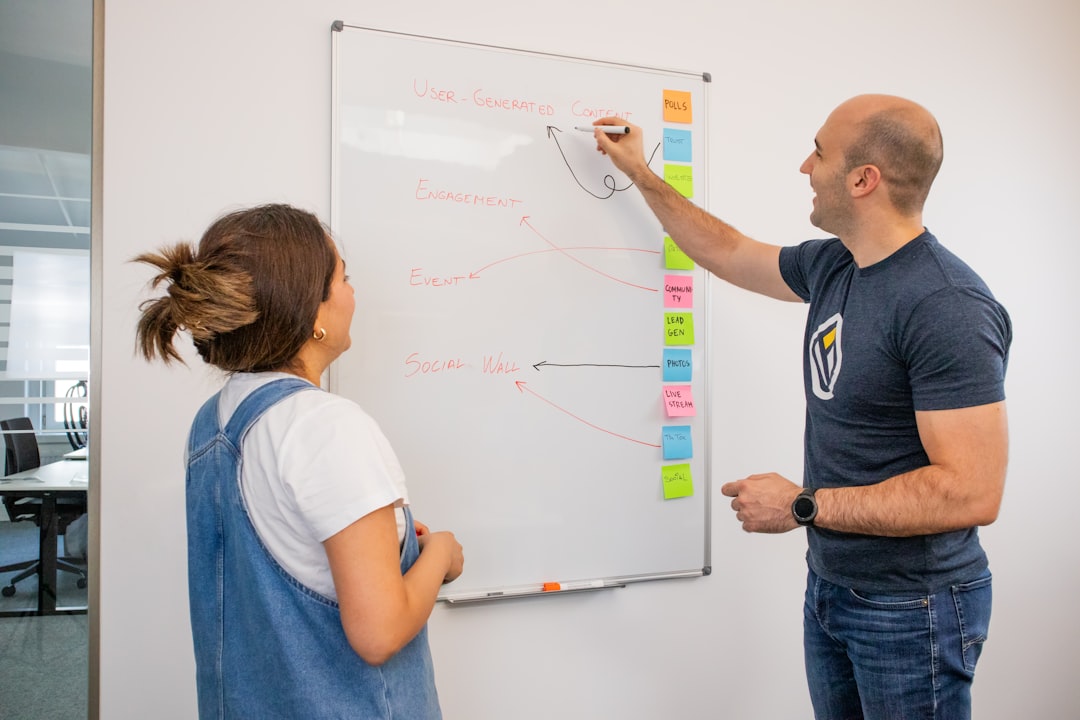
  • 소프트웨어 기술 부채 해결 전략 2026: 쌓인 빚을 지금 갚아야 하는 이유

    개발팀 리드를 맡고 있는 김 팀장은 요즘 밤잠을 설치고 있습니다. 3년 전 빠른 출시를 위해 ‘일단 돌아가게만 만들자’는 결정을 내렸던 그 코드들이, 이제 새 기능 하나 추가할 때마다 전체 시스템을 흔들고 있거든요. 배포할 때마다 긴장되고, 버그 하나 고치면 다른 곳에서 두 개가 터지는 상황. 익숙하시지 않나요? 이게 바로 기술 부채(Technical Debt)의 전형적인 모습이라고 봅니다.

    기술 부채는 나쁜 개발자가 만들어내는 것이 아니에요. 마감 압박, 빠른 MVP 출시, 인력 교체 등 지극히 현실적인 이유로 쌓입니다. 문제는 이 ‘빚’이 복리로 불어난다는 점이죠. 오늘 함께 기술 부채가 무엇인지, 왜 지금 당장 해결해야 하는지, 그리고 현실적으로 어떻게 접근할 수 있는지 고민해 보겠습니다.

    technical debt software development code complexity

    📊 기술 부채, 숫자로 보면 얼마나 심각할까?

    추상적인 개념처럼 느껴지는 기술 부채는, 사실 매우 구체적인 비용으로 측정됩니다.

    • 맥킨지(McKinsey) 연구 기준: 평균적인 기업의 IT 예산 중 약 20~40%가 기술 부채를 유지·보수하는 데 소비된다고 알려져 있습니다.
    • 스트라이프(Stripe) 조사: 전 세계 개발자들이 레거시 코드와 기술 부채 처리에 소비하는 시간이 전체 업무 시간의 약 33%에 달한다는 결과가 있어요.
    • CAST Software 분석: 대형 엔터프라이즈 소프트웨어 1개 기준, 기술 부채의 총량이 평균 3.61달러/코드 라인 수준이며, 시스템 전체로 환산하면 수백만 달러에 이르는 경우도 많습니다.
    • 개발 속도 저하: 기술 부채가 누적된 프로젝트에서는 새 기능 개발 속도가 건강한 코드베이스 대비 최대 4배까지 느려질 수 있다는 분석도 있습니다.

    2026년 현재, 클라우드 네이티브 전환과 AI 통합이 가속화되면서 레거시 시스템과의 충돌이 더욱 심화되고 있는 상황입니다. 기술 부채는 단순한 ‘코드 품질 문제’가 아니라, 비즈니스 민첩성을 직접적으로 갉아먹는 경영 리스크로 봐야 한다고 생각합니다.

    🌍 국내외 기업들은 어떻게 대응하고 있을까?

    [해외 사례] 넷플릭스(Netflix)의 점진적 마이그레이션 전략
    넷플릭스는 2008년 대규모 장애를 계기로 모놀리식(Monolithic) 아키텍처에서 마이크로서비스(Microservices) 구조로의 전환을 결정했습니다. 핵심은 ‘한 번에 다 바꾸지 않았다’는 점이에요. 약 7년에 걸쳐 서비스를 조각조각 분리하고, 각 서비스별로 독립 배포가 가능한 구조를 만들어 나갔습니다. 이 과정에서 ‘교살자 무화과 패턴(Strangler Fig Pattern)’을 활용했는데, 레거시 시스템을 갑자기 끄는 것이 아니라 신규 기능은 새로운 구조로 개발하면서 자연스럽게 낡은 코드를 대체하는 방식입니다.

    [국내 사례] 카카오의 리팩토링 문화 정착
    카카오는 주요 서비스들이 빠르게 성장하면서 코드베이스 복잡도가 폭발적으로 증가하는 경험을 했습니다. 이에 대응하기 위해 신규 개발 스프린트와 별도로 ‘기술 부채 해소 스프린트’를 정례화하는 문화를 정착시킨 것으로 알려져 있어요. 개발자가 스스로 리팩토링 항목을 발굴하고 우선순위를 팀과 협의하는 방식으로, 기술 부채 관리가 누군가의 숙제가 아니라 팀 전체의 루틴이 된 인 것 같습니다.

    [해외 사례] 구글(Google)의 ‘20% 룰’ 응용
    구글의 유명한 20% 자유 시간 정책은 혁신적인 제품 개발에 쓰이는 것으로 알려져 있지만, 내부적으로는 기술 부채 해소에도 적극적으로 활용된다고 합니다. 개발자들이 자율적으로 코드 품질 개선 작업에 시간을 투자할 수 있도록 제도적으로 보장해 주는 방식이에요. 이는 ‘기술 건강도(Tech Health)’를 장기적 생산성 지표로 보는 문화에서 나온 접근이라고 봅니다.

    software refactoring team collaboration agile sprint board

    🛠️ 2026년, 현실적으로 활용 가능한 기술 부채 해결 전략

    이론은 알겠는데, 정작 내 팀에서는 어디서부터 시작해야 할지 막막한 경우가 많죠. 실제로 적용 가능한 접근법을 단계별로 정리해 봤어요.

    • 1단계 – 가시화(Visualization): 기술 부채는 눈에 보이지 않아서 더 위험합니다. SonarQube, CodeClimate 같은 정적 분석 도구를 도입해 코드 복잡도, 중복도, 커버리지 지표를 수치화해야 해요. 측정되지 않은 문제는 해결될 수 없습니다.
    • 2단계 – 분류 및 우선순위 설정: 모든 부채를 다 갚을 수는 없어요. ‘비즈니스 영향도’와 ‘수정 난이도’를 기준으로 2×2 매트릭스를 그려서, 임팩트가 크고 수정이 비교적 쉬운 항목부터 공략하는 것이 현실적입니다.
    • 3단계 – 보이 스카웃 룰(Boy Scout Rule) 적용: “캠프장을 떠날 때는 왔을 때보다 깨끗하게.” 이 원칙을 코드에 적용하면, 어떤 코드든 건드릴 때 조금씩 더 나은 상태로 남기는 습관을 만들 수 있어요. 별도의 리팩토링 시간 없이도 코드베이스가 서서히 개선되는 효과가 있습니다.
    • 4단계 – 교살자 무화과 패턴(Strangler Fig Pattern) 활용: 레거시 시스템을 한꺼번에 교체하려는 ‘빅뱅 리팩토링’은 대부분 실패합니다. 넷플릭스처럼, 신규 기능부터 새 구조로 만들고 레거시를 점진적으로 대체하는 방식이 훨씬 안전해요.
    • 5단계 – 기술 부채를 백로그에 공식 등록: 기술 부채 항목을 Jira나 Linear 같은 이슈 트래커에 정식 티켓으로 등록하고, 스프린트마다 일정 비율(예: 전체 용량의 20%)을 부채 해소에 할당하는 것을 권장합니다. 이렇게 해야 경영진과의 소통에서도 가시적인 근거를 갖게 됩니다.
    • 6단계 – 아키텍처 의사결정 기록(ADR) 작성: 부채가 생기는 가장 큰 이유 중 하나는 ‘왜 이렇게 짰는지’를 아무도 모른다는 점이에요. Architecture Decision Record를 남기면, 나중에 합류한 팀원도 맥락을 이해하고 더 나은 판단을 내릴 수 있습니다.

    💬 경영진 설득, 어떻게 해야 할까?

    기술 부채 해결의 가장 큰 장벽 중 하나는, 역설적으로 ‘비즈니스 언어로 설명하지 못하는 것’입니다. 개발자들은 “코드가 엉망이에요”라고 하지만, 의사결정자들은 숫자로 이야기해야 설득됩니다.

    이럴 때는 ‘기술 부채 비용 = 추가 개발 시간 × 개발자 시급 × 빈도’로 환산해 보여주는 게 효과적이라고 봅니다. 예를 들어, 특정 모듈의 기술 부채 때문에 매 스프린트마다 추가로 16시간이 소요된다면, 연간으로 따지면 수백만 원의 비용이 낭비되고 있다는 걸 구체적으로 제시할 수 있어요. 기술 문제가 아니라 경영 리스크이자 기회비용으로 프레이밍하는 것이 핵심입니다.

    에디터 코멘트 : 기술 부채는 ‘언젠가 해결해야 할 것’이 아니라 ‘지금 이 순간에도 비용을 발생시키고 있는 것’으로 바라보는 시각의 전환이 먼저라고 생각해요. 완벽한 코드를 처음부터 짤 수는 없고, 빠른 결정이 필요한 순간은 항상 존재합니다. 중요한 건 부채를 인식하고, 측정하고, 계획적으로 갚아나가는 시스템을 만드는 것이라고 봅니다. 당장 전체를 뜯어고치려 하지 말고, 오늘 건드리는 코드 한 줄부터 조금 더 나은 상태로 남기는 것, 그게 시작이에요. 🛠️

    태그: [‘기술부채’, ‘소프트웨어리팩토링’, ‘기술부채해결전략’, ‘레거시코드’, ‘개발생산성’, ‘마이크로서비스’, ‘코드품질관리’]

  • Generative AI Enterprise Adoption in 2026: Real-World Cases, Hard Data, and What Actually Works

    Picture this: it’s early 2026, and a mid-sized logistics company in Seoul just cut its customer service response time by 68% — not by hiring more staff, but by deploying a generative AI assistant trained on their own operations manual. Meanwhile, a boutique marketing agency in Austin, Texas, doubled its content output without adding a single headcount. These aren’t hypothetical scenarios anymore. They’re happening right now, and the gap between companies that have figured out generative AI adoption and those still debating it is widening fast.

    So let’s think through this together — what does smart, realistic enterprise adoption of generative AI actually look like in 2026? And more importantly, what can your organization learn from it?

    generative AI enterprise office technology 2026

    The Numbers Don’t Lie: Where Enterprise AI Stands in 2026

    By early 2026, the generative AI enterprise market has crossed the $150 billion threshold globally, according to estimates from major industry analysts. That’s roughly a 3x growth from just two years prior. But here’s what’s more interesting than the headline number — the adoption pattern has shifted dramatically.

    Early adoption (2023–2024) was largely experimental: proof-of-concept pilots, sandbox deployments, and a lot of “we’re exploring it” press releases. By 2025, enterprises started integrating AI into actual workflows. Now in 2026, we’re seeing what analysts are calling the “ROI accountability phase” — companies are no longer asking “should we use AI?” but rather “are we getting measurable returns, and how do we scale what works?”

    Key data points worth noting:

    • 74% of Fortune 500 companies now have at least one production-level generative AI deployment (up from 43% in 2024).
    • The average enterprise reports a 22–35% reduction in repetitive knowledge-work hours after 12+ months of AI integration.
    • Customer service and content generation remain the top two use cases, but code assistance and internal knowledge management are closing the gap rapidly.
    • Companies with a dedicated AI governance framework report 2.4x higher ROI on their generative AI investments compared to those without one.
    • Interestingly, SMEs (small and medium enterprises) that adopted AI tools through platform-as-a-service models are seeing comparable efficiency gains to large enterprises at a fraction of the upfront cost.

    International Case Studies: Learning from the Front Lines

    Let’s look at some concrete examples — because data without context is just noise.

    Samsung Electronics (South Korea) rolled out an internal generative AI platform called “Gauss Enterprise” across its R&D and engineering divisions in late 2024. By mid-2026, the company reports that engineering documentation time has been reduced by roughly 40%, and cross-departmental knowledge sharing has improved measurably. The key lesson here? Samsung didn’t just deploy AI — they spent six months building proprietary training pipelines on their internal documentation before going live. The AI isn’t generic; it speaks Samsung’s language.

    JPMorgan Chase (USA) expanded its AI-assisted contract analysis tool — first piloted internally — to client-facing legal services in 2025. By 2026, the tool processes over 12,000 contracts per month, flagging anomalies and summarizing key clauses in seconds. What made this work was a phased rollout: legal teams were involved from the very beginning as domain experts, not as end-users handed a finished product. The human-in-the-loop design prevented the resistance that sinks so many enterprise AI projects.

    Carrefour (France) integrated generative AI into its supply chain forecasting and customer personalization engine. The retailer now uses AI-generated product descriptions across 8 languages simultaneously, dynamically adjusted based on regional consumer behavior data. Their e-commerce conversion rate improved by 18% within the first year of deployment — a number that would make any CMO sit up straight.

    Krafton (South Korea, gaming industry) is using generative AI not just for internal productivity but as part of the actual product. Their AI-assisted narrative engine generates dynamic in-game dialogue and storyline variations, reducing the workload on narrative designers while increasing player engagement metrics. This is a fascinating case of AI as a creative collaborator, not a cost-cutting tool.

    enterprise AI adoption case study global 2026

    What Separates Successful Adopters from the Struggling Majority

    Here’s where it gets really practical. Looking across dozens of adoption stories, a pattern emerges. Successful enterprise AI adoption in 2026 isn’t about having the biggest budget or the most sophisticated model. It comes down to a few critical differentiators:

    • Domain-specific fine-tuning: Companies that invest in adapting foundation models to their own data, terminology, and workflows consistently outperform those using off-the-shelf solutions.
    • Change management before tech deployment: The organizations seeing the best results started training employees and redefining workflows before the AI went live — not after.
    • Clear ownership of AI outputs: Every AI-generated piece of content, code, or recommendation has a human owner who is accountable for quality. This sounds simple, but many organizations skip it entirely.
    • Iterative deployment cycles: Rather than massive “big bang” implementations, successful adopters run 6–8 week iteration sprints, measure outcomes, and adjust. Think agile methodology applied to AI integration.
    • Ethics and compliance as a feature, not a constraint: Organizations that embedded AI governance frameworks early — covering data privacy, bias auditing, and output transparency — found that clients and partners actually view this as a competitive advantage.

    Realistic Alternatives: If a Full Deployment Isn’t Right for You Yet

    Not every organization is at the stage where a company-wide generative AI deployment makes sense — and that’s completely okay. Let’s think through some tiered alternatives based on where you actually are:

    If you’re a small business or startup: Start with API-based integrations through platforms like OpenAI, Anthropic, or Google Gemini for Business. Focus on one high-pain workflow — customer email responses, internal FAQ bots, or first-draft content creation. Keep a human reviewing outputs. This approach requires minimal upfront investment and lets you build institutional knowledge about what AI does well in your context before committing to anything larger.

    If you’re a mid-sized company with some IT infrastructure: Consider a private LLM deployment using open-weight models (like Meta’s Llama series or Mistral variants) hosted on your own cloud environment. This gives you data privacy control, which is critical for industries like finance, healthcare, and legal services. Partner with an AI integration consultant for the first 90 days rather than trying to build everything in-house.

    If you’re a large enterprise already running pilots: The 2026 priority should be scaling what works, not experimenting further. Audit your existing pilots rigorously — what generated measurable ROI? What didn’t? Double down on the former and sunset the latter. Also, consider building a centralized AI Center of Excellence (CoE) to avoid the fragmented, siloed deployments that are quietly creating technical debt across many large organizations right now.

    The bottom line is this: generative AI in the enterprise is no longer a futuristic bet — it’s a present-tense operational decision. The question isn’t whether to engage with it, but how honestly and strategically you’re willing to approach the integration process. The companies winning in 2026 are the ones who treat AI not as magic, but as infrastructure — worth investing in thoughtfully, worth maintaining carefully, and worth evaluating ruthlessly.

    Editor’s Comment : What struck me most while researching enterprise AI adoption patterns in 2026 is how much the success stories have in common with good old-fashioned change management principles. The technology has evolved remarkably fast, but human behavior hasn’t — and the organizations that seem to forget that end up with expensive AI tools that nobody actually uses. If I could give one piece of advice, it’s this: talk to the people who will use the AI before you build anything. Their skepticism is your roadmap.

    태그: [‘generative AI enterprise 2026’, ‘AI business adoption case studies’, ‘enterprise AI ROI’, ‘generative AI implementation strategy’, ‘AI workplace transformation’, ‘corporate AI deployment’, ‘AI productivity tools 2026’]

  • 생성형 AI 기업 도입 사례 2026: 실제로 어떤 변화가 일어나고 있을까?

    얼마 전, 한 중견 제조업체의 마케팅 팀장이 이런 말을 했다고 해요. “작년까지만 해도 AI는 IT 부서 얘기인 줄 알았는데, 지금은 제 팀에서 매일 쓰고 있어요.” 불과 2~3년 전만 해도 ‘생성형 AI’는 일부 얼리어답터나 빅테크 기업의 전유물처럼 느껴졌죠. 그런데 2026년 현재, 상황은 완전히 달라졌다고 봅니다. 스타트업부터 대기업, 공공기관까지 — 생성형 AI는 이제 선택이 아닌 ‘업무 인프라’의 일부로 자리 잡아가고 있어요. 오늘은 실제 도입 현황과 국내외 사례를 통해, 이 흐름이 어떤 의미인지 함께 살펴볼게요.

    generative AI enterprise adoption office workplace 2026

    📊 숫자로 보는 2026년 생성형 AI 기업 도입 현황

    글로벌 시장조사기관 가트너(Gartner)의 2026년 초 보고서에 따르면, 전 세계 대기업의 약 78%가 생성형 AI를 최소 하나 이상의 업무 프로세스에 공식 도입했다고 밝혔어요. 이는 2023년의 약 15%와 비교했을 때 불과 3년 만에 5배 이상 급증한 수치라는 점에서 상당히 인상적이라고 봅니다.

    국내 상황도 크게 다르지 않아요. 한국경영자총협회가 2026년 1분기에 발표한 조사에 따르면, 국내 매출 상위 500대 기업 중 61%가 사내 업무에 생성형 AI 툴을 도입했으며, 이 중 43%는 전사 단위로 확대 적용 중이라고 해요. 특히 눈에 띄는 점은, 도입 기업의 89%가 ‘업무 효율성 향상’을 주된 도입 이유로 꼽았고, 52%는 실제로 특정 업무 소요 시간이 평균 40% 이상 단축됐다고 응답했다는 거예요.

    비용 측면에서도 흥미로운 데이터가 있어요. 맥킨지(McKinsey)는 생성형 AI가 전 산업군에 걸쳐 연간 최대 4.4조 달러의 경제적 가치를 창출할 수 있다는 추정을 내놨는데, 2026년 현재 그 실현 속도가 당초 예측보다 약 1.5배 빠르게 진행되고 있다고 보고 있어요.

    🌍 국내외 실제 도입 사례 살펴보기

    말보다 사례가 더 설득력 있죠. 실제로 어떤 기업들이, 어떻게 생성형 AI를 활용하고 있는지 살펴볼게요.

    [ 해외 사례 ]

    • 골드만삭스(Goldman Sachs) — 2026년 초 기준, 내부 코드 리뷰 및 금융 리포트 초안 작성에 자체 개발 생성형 AI 플랫폼 ‘GS AI Studio’를 전면 도입했어요. 애널리스트 1인당 주간 보고서 작성 시간이 평균 12시간에서 4시간으로 줄었다고 해요.
    • 지멘스(Siemens) — 제조 현장의 설비 이상 탐지 및 유지보수 매뉴얼 자동 생성에 생성형 AI를 접목했어요. 비정형 데이터(엔지니어 메모, 현장 보고서 등)를 자동으로 요약하고 구조화하는 작업에서 특히 효과가 크다고 봅니다.
    • 존슨앤존슨(Johnson & Johnson) — 임상시험 문서 작성 및 규제 당국 제출 자료 초안 생성에 AI를 활용 중이에요. 특히 다국어 번역과 현지화 작업의 속도가 기존 대비 60% 향상됐다는 내부 발표가 있었어요.

    [ 국내 사례 ]

    • 삼성전자 — 사내 전용 생성형 AI 플랫폼 ‘삼성 가우스 2.0’을 통해 반도체 설계 문서 검토, 소프트웨어 코드 자동 완성, 사내 CS 챗봇 운영 등에 활용 중이에요. 특히 보안 이슈를 내재화한 ‘온프레미스(on-premise)’ 방식으로 운영한다는 점이 특징이라고 봅니다.
    • 카카오뱅크 — 여신 심사 보조, 고객 상담 자동화, 맞춤형 금융 상품 추천 문안 생성 등에 LLM 기반 AI를 접목했어요. 고객 응대 1건당 평균 처리 시간이 35% 단축됐다는 결과를 공개한 바 있어요.
    • CJ올리브영 — 상품 상세 페이지 카피라이팅, SNS 콘텐츠 초안 생성, 시즌별 프로모션 기획안 작성 등 마케팅 전 분야에 생성형 AI를 도입했어요. 콘텐츠 제작 비용을 전년 대비 약 30% 절감했다고 알려져 있어요.

    Korean enterprise AI technology digital transformation business team

    🤔 그렇다면 도입 과정에서 어떤 어려움이 있을까?

    물론 장밋빛 사례만 있는 건 아니에요. 실제 현장에서는 몇 가지 공통적인 어려움이 반복적으로 언급되고 있어요.

    • 데이터 보안 및 개인정보 이슈 — 외부 AI 서비스에 사내 데이터를 입력하는 것 자체가 보안 리스크가 될 수 있어요. 이 때문에 많은 기업이 ‘프라이빗 LLM 구축’이나 ‘API 기반 격리 환경’ 도입을 검토 중이에요.
    • AI 결과물의 신뢰성(할루시네이션) — 생성형 AI가 그럴듯하지만 틀린 정보를 만들어내는 ‘할루시네이션(hallucination)’ 현상은 여전히 현업에서 큰 고민거리예요. 특히 법무, 의료, 금융 분야에서는 이중 검수 프로세스가 필수적이라고 봅니다.
    • 직원 수용성 문제 — 아이러니하게도, 기술 도입 자체보다 ‘직원들이 실제로 사용하게 만드는 것’이 더 어렵다는 기업이 많아요. 변화 관리(Change Management)와 사내 교육이 도입 성패를 가른다는 시각이 힘을 얻고 있어요.
    • ROI 측정의 어려움 — 생산성 향상이나 창의적 아이디어 발굴처럼 정성적인 효과를 정량화하기가 쉽지 않아요. 투자 대비 효과를 명확히 보여주지 못하면 내부 반발에 부딪힐 수 있다는 점도 현실적인 과제예요.

    ✅ 중소기업·스타트업은 어떻게 접근하면 좋을까?

    대기업 사례만 보면 “우리 회사는 아직 멀었다”는 생각이 들 수도 있어요. 하지만 생성형 AI의 가장 큰 장점 중 하나가 ‘진입 장벽이 낮다’는 점이라고 봅니다. 수억 원의 시스템 구축 없이도, 이미 상용화된 도구들을 활용해 충분히 시작할 수 있어요.

    • 콘텐츠 마케팅 팀 → ChatGPT, Claude, Gemini 등으로 블로그·SNS 초안 작성, 키워드 분석 보조
    • 고객 서비스 팀 → 자주 묻는 질문(FAQ) 기반 챗봇 구축, 상담 이메일 초안 자동 생성
    • 개발팀 → GitHub Copilot, Cursor AI 등을 통한 코드 자동완성 및 버그 탐지
    • 인사/총무 팀 → 채용 공고 작성, 내부 정책 문서 요약, 회의록 자동 정리

    중요한 건, 모든 걸 한 번에 바꾸려 하지 않는 거예요. 가장 반복적이고 시간이 많이 드는 업무 하나부터 파일럿으로 시작해보는 접근이 현실적으로 가장 효과적이라고 봅니다.


    에디터 코멘트 : 2026년의 생성형 AI 도입 트렌드를 보면서 가장 인상 깊은 건, 이게 더 이상 ‘미래 이야기’가 아니라는 점이에요. 이미 우리 일상과 업무 깊숙이 들어와 있고, 잘 활용하는 기업과 그렇지 않은 기업 사이의 격차는 앞으로 더 벌어질 가능성이 높다고 봐요. 다만, 기술 자체보다 ‘어떻게 사람과 함께 쓸 것인가’를 먼저 고민하는 조직이 결국 더 오래, 더 잘 활용하게 될 것 같아요. AI는 도구예요. 도구를 잘 쓰려면, 사람이 먼저 준비되어 있어야 하니까요.

    태그: [‘생성형AI기업도입’, ‘AI도입사례2026’, ‘엔터프라이즈AI’, ‘생성형AI활용’, ‘AI업무자동화’, ‘국내AI사례’, ‘디지털트랜스포메이션’]

  • DevOps & Software Engineering in 2026: The Trends Reshaping How Teams Actually Build Things

    Picture this: it’s a Tuesday afternoon in 2019, and a developer just pushed a feature to production. The ops team finds out three weeks later when something breaks. Sound familiar? Fast forward to 2026, and that scenario feels like a story your grandparents tell about dial-up internet. The gap between “writing code” and “code living in the real world” has compressed dramatically — and the forces driving that compression are what we’re digging into today.

    I’ve been tracking the DevOps and software engineering space closely this year, and honestly? 2026 is shaping up to be one of the most pivotal years the industry has seen. Let’s think through what’s actually changing, what it means for different kinds of teams, and how you can position yourself — or your organization — smartly.

    DevOps pipeline automation 2026 software engineering team collaboration

    🔍 The State of DevOps in 2026: What the Data Actually Tells Us

    The 2026 State of DevOps Report (published by DORA in collaboration with Google Cloud) paints a compelling picture. Elite-performing engineering teams are now deploying to production multiple times per day, with mean time to restore (MTTR) dropping below 30 minutes on average — a metric that would have seemed aspirational just three years ago.

    But here’s where it gets interesting: the biggest differentiator in 2026 isn’t just tooling. It’s cultural integration of AI into the development loop. Teams that have embedded AI-assisted code review, automated observability, and intelligent incident response are outperforming peers by a margin of roughly 3.2x in deployment frequency, according to the same report.

    • Platform Engineering is now mainstream: Over 68% of mid-to-large engineering organizations have dedicated internal developer platforms (IDPs) in 2026, up from around 40% in 2023. Companies like Spotify (with Backstage), Netflix, and Shopify have popularized the model, and now even teams of 50 engineers are building lightweight versions.
    • AI-native CI/CD pipelines: Tools like GitHub Actions, GitLab CI, and newer entrants are shipping AI co-pilots that predict pipeline failures before they happen, suggest optimizations, and auto-remediate common build errors.
    • FinOps meets DevOps: Cloud cost accountability has moved from finance departments into engineering teams. Engineers in 2026 are expected to understand cost-per-deployment and resource efficiency as core competencies — not optional extras.
    • Security shifts further left (and right): DevSecOps isn’t just about scanning code before deployment anymore. Real-time runtime security monitoring and automated policy enforcement are standard practice at the enterprise level.
    • Green Software Engineering: Sustainability metrics — carbon per API call, energy efficiency of compute jobs — are starting to appear in engineering dashboards. The EU’s Digital Sustainability Directive has accelerated adoption in European tech hubs.

    🌍 Real-World Examples: Who’s Actually Doing This Well?

    Let’s ground this in some concrete cases, because trends without examples are just vibes.

    Kakao (South Korea) — One of Korea’s largest tech conglomerates, Kakao has been a fascinating case study in 2026. After a high-profile service outage in late 2022 that became a national conversation, the company undertook a radical infrastructure overhaul. By 2026, Kakao’s engineering teams operate on a multi-cloud, chaos-engineering-tested platform with automated canary deployments across all major services. Their internal developer portal, built on a modified Backstage setup, reduced onboarding time for new engineers from 3 weeks to under 4 days.

    Klarna (Sweden/Global) — The fintech giant made headlines when it dramatically reduced its engineering headcount through AI tooling, then quietly scaled back up with a different skill-set mix. In 2026, Klarna’s engineering org is leaner but ships faster, using AI pair programming tools for roughly 70% of routine code generation and freeing senior engineers to focus on architecture and complex problem-solving. It’s a model that other fintechs are watching very carefully.

    Coupang (South Korea/Global) — Coupang’s logistics-tech team has been pioneering what they internally call “continuous reliability engineering” — essentially merging SRE (Site Reliability Engineering) principles with ML-driven demand forecasting to preemptively scale infrastructure before peak loads hit, rather than reacting to them. The result? Near-zero downtime during major shopping events like Coupang Rocket Sale days in 2026.

    Linear (USA) — On the smaller-team end of the spectrum, Linear (the project management tool beloved by engineers) has become a case study in lean, high-trust DevOps culture. A team of under 50 engineers serves millions of users with deployment pipelines so refined that feature releases feel invisible to end users. Their philosophy: automate ruthlessly, trust your engineers, and make the feedback loop as tight as possible.

    platform engineering internal developer portal Backstage software team dashboard

    🤖 The AI Layer: Friend, Crutch, or Something More Nuanced?

    Okay, let’s be real for a second — no conversation about software engineering in 2026 is complete without talking about AI’s role, but let’s try to go deeper than “AI is changing everything.”

    The honest picture is this: AI tooling has dramatically raised the ceiling for what individual engineers can produce, but it’s also introduced new classes of problems. AI-generated code that passes linting and tests can still carry subtle logical flaws or security assumptions that are harder to catch in review. Teams that have thrived are those that treat AI as a junior pair programmer — productive, fast, needs supervision — rather than an autonomous system.

    The engineering skills most valued in 2026 have shifted accordingly:

    • Prompt engineering for code contexts — knowing how to give AI tools precise, well-scoped instructions
    • Systems thinking — understanding how components interact at scale, something AI still struggles to fully model
    • Observability literacy — reading distributed traces, understanding latency profiles, and diagnosing issues in complex systems
    • API design and contract thinking — as microservices proliferate, the ability to design clean, versioned, well-documented APIs is increasingly rare and valuable
    • DevOps culture advocacy — the soft skill of breaking down silos between dev, ops, security, and product teams remains surprisingly underrated

    🛠️ Realistic Alternatives: Where Should You Actually Focus?

    Here’s where I want to get practical, because the trends above can feel overwhelming if you’re a solo developer, a startup CTO, or an engineer mid-career trying to figure out where to invest your time.

    If you’re an individual engineer: Don’t try to master every tool. Pick one observability platform (Datadog, Grafana Cloud, or Honeycomb are solid in 2026) and get genuinely good at it. Learn to write Infrastructure-as-Code in Terraform or Pulumi — it’s now effectively table stakes. And yes, get comfortable with at least one AI coding assistant, but spend equal time learning to verify and review AI output critically.

    If you’re a small startup (under 20 engineers): Resist the urge to build an elaborate internal platform. Use managed services aggressively. Your competitive advantage is speed, not infrastructure sophistication. Focus on getting your CI/CD pipeline reliable and your on-call rotation sustainable. Tools like Railway, Render, or Fly.io can give you 80% of the benefits with 20% of the operational overhead.

    If you’re a mid-size engineering org (50–500 engineers): This is where platform engineering starts paying real dividends. Consider a small Platform team (even 2–3 dedicated engineers) to build and maintain an internal developer portal. The ROI compounds quickly as you scale. Also, invest seriously in FinOps tooling — cloud bills at this scale can become genuinely painful without visibility.

    If you’re enterprise-scale: The conversation shifts to governance, compliance integration, and cultural change management. Technology is almost never the bottleneck at this level — organizational alignment is. Invest in DevOps coaching and internal community-building as much as tooling.

    Editor’s Comment : What strikes me most about DevOps and software engineering in 2026 is that the technical problems are increasingly solvable — the ecosystem of tools is genuinely remarkable. The harder, more human challenge is building teams and cultures where those tools get used thoughtfully. The best engineering organizations I’ve observed this year aren’t the ones with the flashiest stack; they’re the ones where developers trust their systems, feel ownership over reliability, and have enough psychological safety to flag problems early. That’s not a pipeline configuration. That’s leadership. And it’s still very much a work in progress at most organizations — which, honestly, makes it one of the most exciting spaces to be working in right now.

    태그: [‘DevOps 2026’, ‘Software Engineering Trends’, ‘Platform Engineering’, ‘AI in DevOps’, ‘CI/CD Pipeline’, ‘Site Reliability Engineering’, ‘Developer Experience’]

  • 2026년 DevOps와 소프트웨어 엔지니어링 최신 동향: AI 자동화부터 플랫폼 엔지니어링까지

    얼마 전, 한 스타트업 CTO와 커피를 마시며 이런 이야기를 나눴어요. “배포 파이프라인을 고치는 데 개발자 두 명이 일주일을 통째로 날렸어요. 그런데 옆 팀은 AI 에이전트가 알아서 PR 리뷰에 테스트까지 돌려주더라고요.” 씁쓸하면서도 공감되는 이야기였습니다. 2026년 현재, DevOps와 소프트웨어 엔지니어링 현장은 불과 2~3년 전과는 완전히 다른 풍경을 보여주고 있어요. 단순히 ‘도구가 좋아졌다’는 수준을 넘어, 엔지니어의 역할 자체가 재정의되고 있다고 봅니다. 오늘은 그 흐름을 함께 들여다볼게요.

    DevOps AI automation platform engineering 2026

    📊 숫자로 보는 2026년 DevOps 생태계 현황

    먼저 시장 규모부터 살펴보면, 글로벌 DevOps 시장은 2026년 기준 약 250억 달러(한화 약 33조 원) 규모로 성장한 것으로 추정됩니다. 연평균 성장률(CAGR)은 여전히 18~20% 수준을 유지하고 있어요.

    더 흥미로운 건 내부 지표들입니다.

    • 배포 빈도(Deployment Frequency): 상위 25% 엘리트 팀의 경우, 하루 평균 10회 이상 프로덕션 배포를 달성하고 있습니다. 2023년 대비 약 40% 증가한 수치예요.
    • 변경 실패율(Change Failure Rate): AI 기반 테스트 자동화를 도입한 조직의 변경 실패율은 평균 3% 미만으로, 미도입 조직(약 15%)과 5배 이상 차이가 납니다.
    • MTTR(평균 복구 시간): AIOps 툴을 적극 활용하는 팀은 장애 발생 시 평균 복구 시간이 15분 이내로 단축됐습니다.
    • 개발자 생산성: GitHub Copilot, Cursor, Amazon Q Developer 등 AI 코딩 어시스턴트를 사용하는 개발자의 코드 작성 속도는 평균 55% 향상됐다는 조사 결과가 있습니다.

    이 수치들이 말해주는 건 결국 하나라고 봐요. ‘자동화의 품질’이 조직의 기술 경쟁력을 좌우하는 시대가 됐다는 거예요.

    🌍 국내외 주요 사례: 플랫폼 엔지니어링의 부상

    2026년 DevOps 트렌드에서 가장 뜨거운 키워드를 하나만 꼽으라면 단연 플랫폼 엔지니어링(Platform Engineering)이라고 할 수 있어요. 기존의 DevOps가 “개발팀과 운영팀의 협업”에 초점을 뒀다면, 플랫폼 엔지니어링은 한발 더 나아가 내부 개발자 플랫폼(IDP, Internal Developer Platform)을 구축해 개발자가 인프라를 신경 쓰지 않아도 되는 환경을 만드는 개념이에요.

    해외 사례 — Spotify의 Backstage 생태계 확장: 오픈소스 IDP 프레임워크인 Backstage를 처음 만든 Spotify는 2026년 현재 이 플랫폼의 생태계를 더욱 고도화했습니다. 수천 개의 플러그인과 AI 기반 서비스 카탈로그 추천 기능을 탑재해, 신규 개발자가 온보딩하는 데 걸리는 시간을 기존 대비 약 60% 단축했다고 알려져 있어요. 전 세계 수백 개 기업이 이 모델을 벤치마킹하고 있습니다.

    국내 사례 — 카카오와 토스의 내부 플랫폼 전략: 국내에서도 카카오와 토스(비바리퍼블리카) 같은 테크 기업들이 자체 IDP 구축에 적극적으로 투자하고 있는 것으로 알려져 있어요. 특히 토스는 수백 명의 개발자가 독립적으로 빠르게 서비스를 배포할 수 있도록 표준화된 인프라 셀프서비스 포털을 운영하고 있으며, 이 덕분에 인프라 팀에 대한 의존도를 크게 줄였다고 합니다. 이른바 ‘골든 패스(Golden Path)’ 전략이라고도 부르는데, 권장 기술 스택과 배포 경로를 미리 정의해두고 개발자가 그 경로를 따라가면 자연스럽게 베스트 프랙티스를 지키게 되는 구조예요.

    🤖 2026년을 뒤흔드는 핵심 기술 트렌드

    AI agent software engineering CI/CD pipeline cloud native

    플랫폼 엔지니어링 외에도 주목해야 할 흐름들이 있어요.

    • AI 에이전트 기반 CI/CD: 단순한 코드 자동 완성을 넘어, PR 생성부터 테스트 케이스 작성, 코드 리뷰, 보안 취약점 스캔까지 AI 에이전트가 파이프라인 전 구간에 개입하는 구조가 자리 잡고 있어요. Harness, Argo CD, Dagger 같은 툴들이 이 방향으로 빠르게 진화 중입니다.
    • FinOps의 주류화: 클라우드 비용 최적화를 전담하는 FinOps 역할이 DevOps 조직 안으로 통합되는 추세예요. 쿠버네티스 클러스터 자동 스케일링과 AI 기반 비용 예측 도구를 결합해 클라우드 낭비를 30~50% 줄이는 사례들이 보고되고 있습니다.
    • WebAssembly(Wasm)의 서버사이드 확장: 브라우저 기술로 출발한 WebAssembly가 서버리스 및 엣지 컴퓨팅 환경에서 경량 컨테이너 대안으로 각광받고 있어요. 도커보다 훨씬 빠른 시작 시간과 강력한 샌드박싱 특성이 강점입니다.
    • GitOps 2.0: 기존 GitOps가 Git을 단일 진실 공급원(Single Source of Truth)으로 삼는 개념이었다면, 이제는 AI가 Git 히스토리를 분석해 이상 징후를 자동 탐지하고 롤백을 제안하는 수준으로 진화하고 있습니다.
    • 소프트웨어 공급망 보안(SBOM): 미국 행정명령과 EU 사이버 복원력 법(CRA)의 영향으로, 소프트웨어 구성 요소 목록(SBOM, Software Bill of Materials)을 자동 생성하고 관리하는 것이 엔터프라이즈 개발의 기본 요건이 됐습니다.

    💡 현실적으로 어떻게 적용할 것인가?

    화려한 트렌드들을 보다 보면 오히려 어디서부터 시작해야 할지 막막할 수 있어요. 그래서 현실적인 접근 순서를 제안해 드리고 싶어요.

    먼저 DORA 메트릭(배포 빈도, 변경 리드 타임, 변경 실패율, MTTR)부터 측정해 보세요. 내 팀이 어느 수준인지 객관적으로 파악하는 게 첫 번째입니다. 그다음, 가장 반복적이고 시간이 많이 드는 작업 하나를 골라 AI 도구로 자동화해보는 거예요. 거대한 플랫폼을 한꺼번에 구축하려다 실패하는 팀을 너무 많이 봤거든요. 작게 시작해서 팀 내 신뢰를 먼저 쌓는 게 훨씬 현명한 것 같습니다.

    플랫폼 엔지니어링 도입을 고민하고 있다면, Spotify Backstage를 직접 띄워보는 것도 좋은 출발점이에요. 오픈소스이고 커뮤니티도 활발하거든요. 당장 전담 팀을 꾸리기 어렵다면, 기존 DevOps 팀 내에 플랫폼 엔지니어링 역할을 점진적으로 부여하는 방식도 라고 봅니다.

    에디터 코멘트 : 2026년 DevOps의 본질은 결국 “엔지니어가 가장 가치 있는 일에 집중할 수 있게 만드는 것”이라고 생각해요. AI와 자동화가 반복 작업을 대신 해주는 만큼, 이제 개발자에게 기대되는 역량은 도구를 다루는 능력보다 시스템을 설계하고 문제를 정의하는 능력으로 이동하고 있습니다. 트렌드를 쫓기에 바쁘기보다는, 내 팀의 병목이 어디에 있는지를 먼저 질문해보는 게 가장 좋은 시작점인 것 같아요.

    태그: [‘DevOps’, ‘소프트웨어엔지니어링’, ‘플랫폼엔지니어링’, ‘AI자동화’, ‘CI/CD’, ‘클라우드네이티브’, ‘2026개발트렌드’]

  • Edge AI in 2026: How Smart Devices Are Getting Scarily Good at Thinking for Themselves

    Picture this: you’re driving home late at night, and your car’s onboard system quietly reroutes you around a sudden road closure — without ever pinging a remote server, without a single blip of cloud latency. That’s not science fiction anymore. That’s Edge AI doing its thing in 2026, and honestly? It’s one of the most quietly radical shifts happening in consumer technology right now.

    If you’ve been hearing the term “Edge AI” thrown around but haven’t quite nailed down what it means in practical terms, let’s think through it together. At its core, Edge AI means artificial intelligence processing that happens locally — on the device itself — rather than shipping your data off to a distant cloud server. The “edge” refers to the edge of the network: your phone, your smart speaker, your car, your wearable. The implications of that shift are enormous, and in 2026, they’re finally becoming tangible in everyday life.

    edge AI smart device chip processing wearable technology 2026

    📊 The Numbers Don’t Lie: Edge AI Is Exploding in 2026

    Let’s ground this in some data, because the scale of what’s happening is genuinely staggering. According to IDC’s 2026 Worldwide Edge Computing Forecast, global spending on edge computing infrastructure — much of it AI-driven — is projected to surpass $350 billion by the end of this year, a jump of nearly 28% year-over-year. Gartner’s 2026 Emerging Tech Hype Cycle has pushed Edge AI out of the “peak of inflated expectations” and firmly into the “slope of enlightenment,” meaning real, functional deployments are now outpacing the hype.

    What’s fueling this? A few converging forces:

    • Next-gen neural processing units (NPUs): Chips like Qualcomm’s Snapdragon 8 Elite 2 and Apple’s M5 Neural Engine can execute trillions of operations per second locally, making on-device large language model inference actually practical.
    • Shrinking model sizes: Techniques like quantization and model pruning have allowed AI models that once required a data center to run comfortably on a 6-gram wearable chip.
    • Privacy legislation pressure: With GDPR enforcement ramping up in Europe and the US Federal Data Privacy Act now in effect, companies have a legal incentive to process sensitive data on-device rather than in the cloud.
    • Latency demands: Real-time applications — autonomous vehicles, surgical robots, AR glasses — simply cannot afford the 50-200ms round-trip delay of a cloud query. Edge AI eliminates that bottleneck entirely.

    🌍 Real-World Applications: What’s Actually Deployed Right Now

    This is where it gets fun. Let’s walk through some genuinely impressive examples from both sides of the globe that show Edge AI isn’t a roadmap promise — it’s already in people’s pockets and homes.

    Samsung Galaxy AI Hub (South Korea / Global): Samsung’s 2026 Galaxy S25 series introduced what they call the “Galaxy AI Hub,” a dedicated on-device AI orchestration layer. It handles real-time language translation during phone calls, live scene recognition in the camera app, and personalized health coaching through Galaxy Watch 8 — all without a single data packet leaving your phone. Samsung reported a 40% reduction in AI-related battery drain compared to cloud-offloaded equivalents, which is a massive quality-of-life win.

    Waymo’s 7th-Generation Autonomous Stack (USA): Waymo’s latest robotaxi fleet in San Francisco and Phoenix runs a hybrid Edge AI architecture where 93% of real-time driving decisions are made by onboard processors. Cloud connectivity is reserved for map updates and fleet-wide learning. The result? Safe operation even in tunnels or areas with zero cellular coverage — a critical safety threshold that previous generations couldn’t clear.

    Siemens MindSphere Edge (Germany / Industrial IoT): In manufacturing, Siemens has deployed Edge AI nodes directly on factory floor equipment across 200+ plants in Germany and Poland. These nodes detect micro-vibrations in machinery that predict bearing failures up to 72 hours in advance, reducing unplanned downtime by 31%. No sensitive production data ever leaves the factory floor — a huge win for industrial security.

    Kakao Brain’s On-Device Medical AI (South Korea): In a fascinating domestic example, Kakao Brain partnered with Seoul National University Hospital in 2026 to deploy dermatological AI directly on doctors’ tablets. The system analyzes skin lesion images and flags potential malignancies in under 800 milliseconds — entirely on-device — protecting patient privacy and enabling use in rural clinics with poor internet connectivity.

    Meta Ray-Ban Smart Glasses Gen 4 (Global): Meta’s latest wearable iteration processes visual context — reading menus, identifying landmarks, recognizing faces of consented contacts — entirely through an onboard Snapdragon AR chip. The 2026 model added real-time multilingual subtitle overlay for in-person conversations, all processed locally. It’s the most convincing argument yet that AR glasses might actually become mainstream.

    smart glasses AR edge computing on-device AI neural chip 2026

    🤔 But Wait — Edge AI Isn’t Perfect. Let’s Be Honest About the Trade-offs

    Here’s where I want to think critically with you, because Edge AI comes with real constraints that don’t always get the spotlight they deserve.

    • Model capability ceiling: On-device models are necessarily smaller and less capable than their cloud-hosted cousins. Your phone’s local LLM can handle conversational tasks well, but deep multi-step reasoning still benefits from cloud inference. The smart play is hybrid architecture — local for speed and privacy, cloud for heavy lifting.
    • Update complexity: Pushing AI model updates to millions of dispersed edge devices is logistically nightmarish compared to updating a single cloud endpoint. Companies like Qualcomm and MediaTek are building over-the-air neural model update frameworks, but it’s still an unsolved challenge at scale.
    • Hardware fragmentation: Unlike cloud AI where you control the hardware, Edge AI must run across wildly different chip architectures. Developers often have to optimize separately for Apple Silicon, Qualcomm, Samsung Exynos, and MediaTek — a significant cost multiplier.
    • Thermal and battery constraints: Sustained on-device AI inference generates heat and drains batteries. Extended AI-heavy tasks on wearables especially still push thermal limits that chipmakers are actively working to resolve.

    💡 Realistic Alternatives and Strategic Takeaways for 2026

    So what does this mean if you’re a consumer, a developer, or a business decision-maker? Let me offer some grounded, practical thinking:

    For consumers: When upgrading devices in 2026, prioritize models that explicitly advertise dedicated NPUs (Neural Processing Units). This isn’t just a spec-sheet buzzword anymore — it directly determines how much AI capability your device can handle privately and quickly. If privacy matters to you (and it should), ask specifically which AI features run on-device versus in the cloud.

    For developers and startups: Don’t try to port your full cloud model to the edge. Instead, design with a “local-first” philosophy — identify which parts of your AI pipeline genuinely need real-time, low-latency, or privacy-sensitive processing, and optimize those specifically for edge deployment. Tools like Google’s MediaPipe, Apple’s Core ML, and Qualcomm’s AI Hub SDK make this far more accessible in 2026 than it was even two years ago.

    For enterprises: The industrial IoT space is arguably the most mature Edge AI deployment environment right now. If your operations involve machinery monitoring, quality control vision systems, or real-time logistics, a pilot Edge AI deployment in 2026 has a credible ROI case. The Siemens example above — 31% downtime reduction — is representative of what well-scoped industrial edge projects can achieve.

    The broader takeaway? Edge AI in 2026 isn’t about replacing cloud AI — it’s about making intelligence contextually appropriate. Some decisions need the full horsepower of a data center. Others need to happen in 20 milliseconds on a chip smaller than your thumbnail. The most sophisticated systems now know which is which, and that intelligence about intelligence is perhaps the most interesting development of all.

    We’re genuinely at an inflection point where the devices around us aren’t just connected — they’re capable of thinking, in real time, on their own terms. That’s worth paying attention to.

    Editor’s Comment : Edge AI might be one of those rare tech trends where the reality in 2026 is actually more interesting than the hype suggested. The convergence of tinier chips, smarter model compression, and genuine regulatory tailwinds has pushed this from lab curiosity to everyday infrastructure faster than most analysts expected. If you’re only thinking about AI as something that lives in a distant data center, it might be time to look down at the device in your hand — the intelligence is already there.

    태그: [‘Edge AI 2026’, ‘smart device AI’, ‘on-device machine learning’, ‘neural processing unit’, ‘AI wearables’, ‘Edge Computing trends’, ‘privacy-first AI’]

  • 2026년 엣지 AI 기술 트렌드 총정리 — 스마트 디바이스는 어떻게 달라지고 있을까?

    얼마 전 지인이 이런 말을 했어요. “요즘 내 스마트워치가 나보다 내 몸 상태를 더 잘 아는 것 같아.” 농담처럼 들렸지만, 사실 이건 과장이 아닙니다. 손목 위의 작은 디바이스가 심박 이상을 감지해 병원 방문을 권유하고, 냉장고가 식재료 유통기한을 스스로 파악해 레시피를 추천하는 시대. 이 모든 것의 중심에는 엣지 AI(Edge AI)라는 기술이 자리하고 있습니다.

    클라우드에 데이터를 올려 처리하던 방식과 달리, 엣지 AI는 디바이스 자체에서 AI 연산을 수행합니다. 이게 왜 중요한지, 어떤 변화를 만들어내고 있는지 함께 살펴봐요.

    edge AI smart device wearable technology 2026

    📊 엣지 AI 시장, 숫자로 보면 얼마나 커졌을까?

    글로벌 시장조사 기관들의 최근 데이터를 종합해 보면, 엣지 AI 반도체 및 솔루션 시장은 2026년 현재 약 380억 달러(한화 약 51조 원) 규모로 성장한 것으로 추정됩니다. 2022년 대비 연평균 성장률(CAGR)이 약 20~23%에 달한다는 점에서, 이 분야가 얼마나 폭발적으로 확장되고 있는지 체감할 수 있어요.

    특히 주목할 만한 수치는 스마트 디바이스 내 AI 추론(Inference) 처리 비율입니다. 2022년에는 전체 AI 추론 작업의 약 40%만이 엣지에서 처리됐는데, 2026년에는 이 수치가 65% 이상으로 올라선 것으로 라고 봅니다. 쉽게 말해, 이제 AI의 두뇌 역할 절반 이상이 클라우드 서버가 아닌 우리 손 안의 기기에서 이뤄지고 있다는 뜻이에요.

    이런 변화를 가속화한 핵심 요인은 크게 세 가지인 것 같습니다.

    • NPU(신경망처리장치) 성능 향상: 퀄컴 스냅드래곤 8 엘리트, 애플 M 시리즈, 삼성 엑시노스 등 최신 AP(애플리케이션 프로세서)에 탑재된 NPU의 연산 성능이 불과 3년 전 대비 4~6배 이상 향상됐어요.
    • 전력 효율의 비약적 발전: 더 많은 연산을 더 적은 배터리로 처리할 수 있게 되면서, 웨어러블처럼 소형 디바이스에도 AI 탑재가 현실화됐습니다.
    • 개인정보 보호 규제 강화: 유럽 AI법(EU AI Act) 시행 등 데이터 역외 이전에 대한 규제가 강해지면서, 기업들이 온디바이스(On-Device) 처리 방식을 적극 채택하게 됐어요.

    🌍 국내외 스마트 디바이스 적용 사례 — 이미 우리 곁에 와 있어요

    [ 해외 사례 ]

    애플은 2025년 출시된 iPhone 17 시리즈부터 ‘온디바이스 개인화 AI 어시스턴트’를 본격 강화해, 사용자 음성 명령의 대부분을 서버 전송 없이 기기 내에서 처리하는 구조를 완성했습니다. 이를 통해 응답 지연(레이턴시)이 기존 클라우드 방식 대비 최대 8배 단축됐다고 알려져 있어요. 구글 역시 픽셀 시리즈에서 Gemini Nano 모델을 온디바이스로 구동하며, 실시간 통화 스캠 감지, 오프라인 번역 등 실용적인 기능을 선보이고 있습니다.

    산업용 분야에서는 독일 지멘스(Siemens)가 엣지 AI 기반 스마트 팩토리 비전 검사 시스템을 도입해 불량품 감지 정확도를 99.2%까지 끌어올린 사례가 주목받았어요. 클라우드로 이미지를 전송하지 않고 현장 카메라 단에서 즉시 분석하기 때문에, 생산 라인 속도를 전혀 늦추지 않는 것이 핵심 장점입니다.

    smart factory edge AI vision inspection industrial IoT

    [ 국내 사례 ]

    삼성전자는 갤럭시 S25 시리즈부터 ‘Galaxy AI 온디바이스 모드’를 통해 통역 전화, 실시간 문서 요약 등의 기능을 인터넷 연결 없이도 구동 가능하게 했습니다. 특히 국내 의료 스타트업 메디에이아이 같은 기업들은 웨어러블 패치 형태의 디바이스에 엣지 AI를 심어, 당뇨 환자의 혈당 패턴을 실시간으로 분석하고 이상 징후 발생 시 즉시 알림을 전송하는 서비스를 상용화 단계에 올려놨어요. 이런 의료용 엣지 AI 디바이스는 개인 건강 데이터가 외부 서버로 나가지 않는다는 점에서 환자 신뢰도도 높은 편입니다.

    LG전자의 경우 스마트홈 플랫폼 ThinQ AI를 통해 가전기기들이 중앙 서버 없이 가정 내 로컬 네트워크에서 AI 연산을 수행하는 ‘홈 엣지 허브’ 개념을 2025년 말부터 본격 적용하기 시작했어요. 냉장고, 에어컨, 세탁기 등이 서로 데이터를 주고받으며 사용 패턴을 학습하고 에너지를 최적화하는 방식이라고 봅니다.

    🔮 2026년 주목해야 할 엣지 AI 핵심 트렌드

    • 소형 언어 모델(SLM, Small Language Model)의 부상: GPT 같은 거대 모델을 축소·압축한 SLM이 스마트폰, 태블릿, 심지어 이어버드 수준의 디바이스에도 탑재되기 시작했어요.
    • 엣지-클라우드 하이브리드 연산: 단순 작업은 온디바이스에서, 복잡한 추론은 클라우드에서 처리하는 ‘인텔리전트 오프로딩’ 구조가 표준처럼 자리잡고 있습니다.
    • AI 카메라 모듈의 독립화: 스마트홈 보안 카메라가 영상을 클라우드에 올리지 않고 기기 자체에서 얼굴 인식·침입 감지를 완료하는 방식이 대중화되고 있어요.
    • 자동차 인캐빈(In-Cabin) AI: 현대차·기아의 최신 모델에 탑재된 엣지 AI 기반 운전자 모니터링 시스템이 졸음·주의 분산을 실시간으로 감지합니다.
    • 농업·환경 IoT 확산: 네트워크가 열악한 농촌·산간 지역에서도 작동 가능한 엣지 AI 센서가 스마트팜, 산불 감지 등에 활용되고 있어요.

    💡 일반 소비자 입장에서 어떻게 활용하면 좋을까?

    엣지 AI는 거창한 기술처럼 들리지만, 실생활에서 우리가 할 수 있는 것들도 꽤 있어요. 스마트폰 구매 시 NPU 성능 지표를 확인하는 습관을 들이거나, 스마트홈 기기를 고를 때 ‘로컬 처리 지원 여부’를 스펙에서 체크해 보는 것만으로도 프라이버시와 응답 속도 면에서 체감 차이가 생깁니다. 또한 건강 관리 앱을 선택할 때 데이터가 서버로 전송되는지, 온디바이스에서 처리되는지 확인하는 것도 좋은 방법인 것 같아요.

    기술의 발전 방향은 결국 더 빠르고, 더 안전하고, 더 개인적인 방향으로 가고 있습니다. 엣지 AI는 그 흐름의 정중앙에 있는 기술이라고 봐요.

    에디터 코멘트 : 엣지 AI를 이해하는 데 있어 가장 중요한 포인트는 ‘어디서 연산이 일어나는가’라는 질문인 것 같아요. 클라우드냐 디바이스냐의 선택은 단순한 기술적 결정이 아니라, 속도·비용·프라이버시를 모두 건드리는 문제거든요. 2026년 현재, 엣지 AI는 선택지가 아닌 스마트 디바이스의 기본 조건이 되어가고 있습니다. 다음 기기를 구매할 때, 스펙 표에서 ‘NPU’와 ‘온디바이스 AI’ 항목을 한 번쯤 들여다보는 것, 작지만 꽤 의미 있는 시작이 될 거예요.

    태그: [‘엣지AI’, ‘Edge AI’, ‘스마트디바이스’, ‘온디바이스AI’, ‘AI트렌드2026’, ‘NPU’, ‘스마트홈AI’]

  • Software Architecture Patterns in 2026: The Trends Reshaping How We Build Everything

    Picture this: it’s late 2023, and a mid-sized fintech startup in Seoul has just watched their monolithic banking platform buckle under a Black Friday-style payment surge. Engineers are scrambling, customers are furious, and the CTO is drafting a post-mortem that basically reads, “We built this like it’s 2010.” Fast forward to 2026, and that same company has re-architected around event-driven microservices with an AI-assisted orchestration layer — and their system barely blinks during peak load. That transformation didn’t happen by accident. It happened because the software architecture landscape shifted dramatically, and they were paying attention.

    So let’s think through what’s actually driving architecture decisions in 2026, what patterns are winning, and — just as importantly — what’s quietly fading out.

    software architecture diagram 2026 microservices cloud-native

    1. The Modular Monolith Is Having a Legitimate Renaissance

    Here’s something counterintuitive that’s worth sitting with: the modular monolith is back, and serious engineering teams aren’t embarrassed about it anymore. After years of microservices evangelism, the industry has had an honest reckoning. A 2025 Stack Overflow Developer Survey found that roughly 41% of engineering teams reported “microservices regret” — complexity costs, distributed system debugging nightmares, and astronomical cloud bills that didn’t match the scale they actually needed.

    The modular monolith sits in a sweet spot: you get clean internal boundaries (modules that could theoretically be extracted later), a single deployable unit, and dramatically simpler observability. Think of it as architectural optionality — you’re not over-committing to distribution before you’ve earned the need for it. Teams like those at Shopify and Basecamp have publicly defended this approach, and in 2026, it’s become a respectable first-choice architecture rather than a fallback.

    2. Event-Driven Architecture (EDA) + AI Orchestration: The Power Couple of 2026

    If there’s one architectural pattern that’s genuinely accelerating right now, it’s Event-Driven Architecture combined with AI-powered workflow orchestration. Here’s the logic chain: as systems become more autonomous (think AI agents triggering actions, IoT sensors generating continuous streams, real-time personalization engines), synchronous request-response patterns simply can’t keep up. Events — asynchronous, decoupled, replayable — fit this world far better.

    But what’s new in 2026 is the layer sitting on top of EDA: AI orchestrators that dynamically route events, predict consumer bottlenecks, and even self-heal processing pipelines. Platforms like Confluent (built on Apache Kafka) and Amazon EventBridge have integrated LLM-backed anomaly detection directly into their event mesh offerings. What used to require a dedicated platform engineering team can now be partially managed by intelligent automation.

    • Apache Kafka + Flink: Still the backbone for high-throughput streaming architectures in financial services and logistics.
    • NATS.io: Gaining serious traction for edge computing scenarios where lightweight, low-latency messaging matters.
    • AWS EventBridge Pipes: Popular among teams wanting EDA without managing broker infrastructure themselves.
    • Temporal.io: Rapidly becoming the go-to for durable workflow orchestration in complex, long-running business processes.
    • Dapr (Distributed Application Runtime): Loved by teams that want portable event-driven building blocks across cloud environments.

    3. Cell-Based Architecture: The Answer to Multi-Region Nightmares

    Here’s a pattern that’s moved from “big tech only” to “seriously, your team should know this”: cell-based architecture. The concept is straightforward once you hear it. Instead of scaling one giant globally-distributed system, you partition your infrastructure into independent “cells” — each cell serves a subset of users and is completely self-contained. A failure in Cell 7 doesn’t cascade into Cells 1 through 6.

    Amazon Web Services popularized this internally (it’s a core reason AWS can absorb regional outages without global collapse), and by 2026, tooling has matured enough that mid-scale companies are implementing cell-based designs. Cloudflare’s Workers platform essentially enables cell-like isolation at the edge. For any product with serious uptime SLAs — healthcare platforms, financial trading systems, government services — understanding cell-based thinking is becoming non-negotiable.

    4. Real-World Examples: Who’s Building What in 2026

    Kakao (South Korea): After their catastrophic 2022 data center outage that knocked out messaging, payments, and maps simultaneously, Kakao has spent three years rebuilding around a cell-based, multi-region architecture. Their engineering blog posts from early 2026 describe a system where each “cell” handles regional user cohorts independently — the kind of blast radius containment that would have prevented the original incident entirely.

    Klarna (Sweden/Global): The buy-now-pay-later giant made headlines in 2025 when they announced they’d reduced their microservices count from over 1,000 to around 100 by consolidating into domain-aligned modular services. This is a textbook example of the microservices hangover correction — not abandoning distribution, but right-sizing it to actual domain boundaries rather than team convenience.

    LINE Corporation (Japan/Asia): LINE’s messaging platform has doubled down on event-driven architecture for their AI-enhanced features, using a hybrid of Kafka and custom edge event processors to handle the latency requirements of real-time translation and AI-generated reply suggestions across 200+ million users.

    Stripe (Global): Stripe’s engineering team has been quietly pioneering what they internally call “API-first, schema-driven architecture” — every internal service exposes well-defined schemas, and their platform tooling generates client SDKs, documentation, and even test harnesses automatically. In 2026, this approach is influencing how many developer-focused companies think about internal platform design.

    event-driven architecture cloud infrastructure 2026 engineering

    5. The Patterns Quietly Losing Ground

    Let’s be honest about what’s fading, because this helps you make smarter bets:

    • Naive microservices sprawl: The “one service per function” dogma is largely discredited. Domain-Driven Design boundaries are being taken far more seriously as the right decomposition unit.
    • REST-only APIs: GraphQL has matured into a solid choice for client-facing APIs, and gRPC dominates internal service communication. REST isn’t dying, but “REST for everything” thinking is.
    • Stateless-only architectures: The pendulum has swung. With durable workflow engines like Temporal and better state management primitives, teams are embracing carefully managed stateful components rather than heroically avoiding all state.
    • Lift-and-shift cloud migration: Simply moving on-prem monoliths to VMs in the cloud without re-architecting is being recognized for what it is — expensive technical debt deferral, not modernization.

    6. Practical Considerations: Which Pattern Fits Your Situation?

    Here’s where I want to slow down and think with you rather than just listing trends. Architecture patterns aren’t universal solutions — they’re tradeoffs you make given your team size, traffic patterns, budget, and product maturity. Let me map out some realistic scenarios:

    • Early-stage startup (< 20 engineers, unproven scale needs): Start with a well-structured modular monolith. Seriously. Your biggest risk isn’t scale — it’s moving fast enough to find product-market fit. Distributed systems complexity will slow you down before it saves you.
    • Growth-stage product (20-100 engineers, clear scaling bottlenecks identified): Selectively extract services along domain boundaries where you have proven scale or team autonomy needs. Don’t extract everything — extract what’s causing friction.
    • Enterprise or high-scale platform (100+ engineers, multi-region requirements): EDA with careful cell-based isolation deserves serious evaluation. The operational investment pays off when your uptime SLA is measured in nines.
    • AI-native products (LLM-powered features, agentic workflows): Event-driven patterns with durable workflow orchestration (Temporal is worth evaluating seriously) are increasingly the right fit as AI actions become long-running, async, and retry-dependent.

    The honest truth is that 2026’s architecture conversation has matured beyond hype cycles. Engineers who lived through the microservices gold rush are now the decision-makers, and they’re bringing hard-won pragmatism. The question isn’t “which pattern is trendy?” — it’s “which pattern fits the actual constraints we’re operating under?”

    That’s a much healthier place to be having the conversation.

    Editor’s Comment : If there’s one takeaway from how software architecture has evolved into 2026, it’s this: sophistication now looks like restraint. The teams building the most resilient systems aren’t the ones with the most complex architectures — they’re the ones who can clearly articulate why they chose simplicity in one area and invested in complexity in another. Before chasing any pattern on this list, spend an afternoon mapping your actual pain points. Chances are, your architecture problems have more to do with unclear domain boundaries and missing observability than with which messaging broker you’re using.

    태그: [‘software architecture 2026’, ‘microservices trends’, ‘event-driven architecture’, ‘modular monolith’, ‘cell-based architecture’, ‘cloud-native design patterns’, ‘distributed systems 2026’]

  • 소프트웨어 아키텍처 패턴 2026 트렌드: 지금 당장 알아야 할 핵심 변화 5가지

    얼마 전 지인 개발자와 커피 한 잔을 마시며 나눈 대화가 생각나요. 3년 전 마이크로서비스 아키텍처(MSA)를 도입하느라 팀 전체가 고생했는데, 이제는 또 다른 패러다임으로 넘어가야 한다는 이야기를 들었거든요. “아키텍처 트렌드가 너무 빨리 바뀌어서 따라가기가 벅차다”는 그 말이 꽤 오래 머릿속에 남았습니다. 2026년 현재, 소프트웨어 아키텍처 패턴은 정말로 빠르게 진화하고 있어요. 단순히 ‘새 기술이 나왔다’는 수준을 넘어, 개발 조직의 구조와 비즈니스 운영 방식 자체를 바꾸는 흐름이라고 봅니다. 함께 차근차근 살펴볼게요.

    software architecture patterns 2026 modern tech diagram

    📊 수치로 보는 2026년 아키텍처 트렌드의 현주소

    먼저 숫자부터 짚어보면 흐름이 더 잘 보여요. 2026년 초 글로벌 IT 리서치 기관 가트너(Gartner)의 자료에 따르면, 전 세계 엔터프라이즈 기업의 약 72%가 클라우드 네이티브 아키텍처를 이미 부분 이상 도입했거나 로드맵에 포함시켰다고 합니다. 반면 전통적인 모놀리식(Monolithic) 아키텍처만을 유지하는 비율은 18% 수준으로 떨어졌고요.

    흥미로운 건 마이크로서비스만이 정답이 아니라는 인식이 확산되고 있다는 점이에요. 스택오버플로우(Stack Overflow)의 2026 개발자 설문 기준으로 보면, 개발자들이 ‘현재 가장 도전적인 아키텍처 문제’로 꼽은 것이 MSA의 복잡성 관리(38%)AI 워크로드 통합(29%)이었습니다. 이 두 가지가 현재 아키텍처 진화의 핵심 동인(Driver)이라 할 수 있어요.

    🔍 2026년 주목해야 할 핵심 아키텍처 패턴 5가지

    • 모듈러 모놀리스(Modular Monolith) — MSA의 운영 복잡성에 지친 팀들이 다시 주목하고 있어요. 단일 배포 단위를 유지하되 내부를 명확한 도메인 경계로 분리하는 방식으로, “MSA처럼 설계하되 모놀리스처럼 배포한다”는 개념이라고 보면 됩니다. Shopify가 대표적인 사례예요.
    • 이벤트 드리븐 아키텍처(Event-Driven Architecture, EDA) — 실시간 데이터 처리와 AI 파이프라인 연동이 핵심 과제가 된 지금, EDA의 중요성은 더욱 커졌어요. 특히 Apache Kafka와 결합한 스트리밍 아키텍처는 금융, 물류, 커머스 전반에 빠르게 확산 중이라고 봅니다.
    • AI 네이티브 아키텍처(AI-Native Architecture) — 2026년에 새롭게 부상한 개념이에요. AI 모델 추론(Inference) 워크로드를 아키텍처 설계 단계부터 고려하는 방식으로, GPU 클러스터 접근, 모델 서빙(Model Serving), 벡터 데이터베이스 통합 등이 아키텍처의 1급 구성 요소로 취급받고 있습니다.
    • 셀 기반 아키텍처(Cell-Based Architecture) — 넷플릭스, 우버 같은 하이퍼스케일 기업에서 먼저 시작된 패턴이에요. 마이크로서비스보다 한 단계 더 나아가, 서비스 그룹 전체를 독립적인 ‘셀(Cell)’로 격리함으로써 장애 전파를 막고 가용성을 극대화하는 방식입니다. 국내에서도 카카오, 토스 같은 대형 플랫폼이 유사한 접근을 도입하고 있는 것으로 알려져 있어요.
    • 에지 컴퓨팅 기반 분산 아키텍처(Edge-First Architecture) — 자율주행, IoT, 스마트 팩토리 영역에서 필수가 되어가고 있어요. 클라우드까지 갔다 오는 레이턴시(Latency)를 줄이기 위해 처리 로직을 에지 노드에 배치하는 방식으로, 5G 인프라 확대와 함께 폭발적으로 성장 중입니다.
    AI native architecture event driven microservices 2026 infographic

    🌏 국내외 실제 사례로 보는 아키텍처 전환

    해외 사례 — Shopify의 모듈러 모놀리스 회귀: 2022년경 Shopify는 기존 MSA 전환을 중단하고 ‘모듈러 모놀리스’로 방향을 선회했어요. 수백 개의 마이크로서비스가 만들어낸 분산 시스템 복잡성이 오히려 개발 속도를 저해한다는 판단이었습니다. 2026년 현재 이 결정은 업계에서 매우 용기 있는 ‘실용주의적 선택’으로 재평가받고 있어요. 소규모·중규모 팀에게 특히 시사하는 바가 크다고 봅니다.

    국내 사례 — 토스의 AI 네이티브 전환: 국내 핀테크 대표 기업 토스(Viva Republica)는 2025년 말부터 AI 모델 서빙을 위한 전용 추론 파이프라인을 기존 마이크로서비스 아키텍처에 통합하는 작업을 진행 중인 것으로 알려져 있어요. 기존 REST API 기반의 서비스 통신에 벡터 검색 레이어와 스트리밍 추론 엔드포인트를 병렬로 추가하는 ‘하이브리드 AI 아키텍처’ 접근 방식이라고 봅니다. 전통적인 금융 도메인에서도 AI 워크로드를 1급 시민으로 다루기 시작했다는 점에서 주목할 만해요.

    💡 그렇다면 우리 팀은 어떻게 해야 할까?

    솔직히 말하면, 트렌드만 쫓아 아키텍처를 바꾸는 것은 매우 위험한 선택이라고 생각해요. 아키텍처 패턴은 결국 ‘문제를 해결하기 위한 도구’이지, 그 자체가 목적이 될 수 없거든요. 몇 가지 현실적인 기준을 함께 생각해보면 좋을 것 같습니다.

    • 팀 규모 먼저 따져보기: 개발자 10명 이하라면 MSA보다 모듈러 모놀리스가 훨씬 현실적인 선택이에요. 운영 오버헤드를 감당할 DevOps 인력이 없으면 MSA는 득보다 실이 더 많을 수 있습니다.
    • AI 워크로드 유무 확인: LLM 기반 기능이나 실시간 추천 시스템을 계획하고 있다면, 지금 당장은 아니더라도 AI 네이티브 아키텍처로의 진화 경로를 설계 단계부터 고려해두는 게 좋다고 봐요.
    • 이벤트 드리븐은 필요할 때만: EDA는 강력하지만 디버깅과 추적이 매우 어려워요. 동기적(Synchronous) 처리로 충분한 도메인에서는 굳이 복잡성을 더할 필요가 없습니다.
    • 셀 기반 아키텍처는 하이퍼스케일 이후에: 일정 트래픽 규모 이상이 되기 전까지는 오버엔지니어링(Over-engineering)이 될 가능성이 높아요.

    에디터 코멘트 : 2026년 아키텍처 트렌드의 핵심은 결국 ‘복잡성과의 싸움’이라고 봅니다. MSA가 확장성 문제를 해결했지만 그 대가로 운영 복잡성을 가져왔고, AI 통합은 새로운 차원의 복잡성을 더하고 있어요. 가장 좋은 아키텍처는 ‘가장 유행하는 것’이 아니라 ‘지금 우리 팀이 이해하고 운영할 수 있는 것’이라는 점, 꼭 기억해두시면 좋겠습니다. 트렌드는 나침반으로만 활용하고, 결정은 항상 우리 팀의 맥락에서 내려야 한다고 생각해요.

    태그: [‘소프트웨어아키텍처’, ‘아키텍처패턴2026’, ‘마이크로서비스’, ‘AI네이티브아키텍처’, ‘이벤트드리븐아키텍처’, ‘모듈러모놀리스’, ‘클라우드네이티브’]