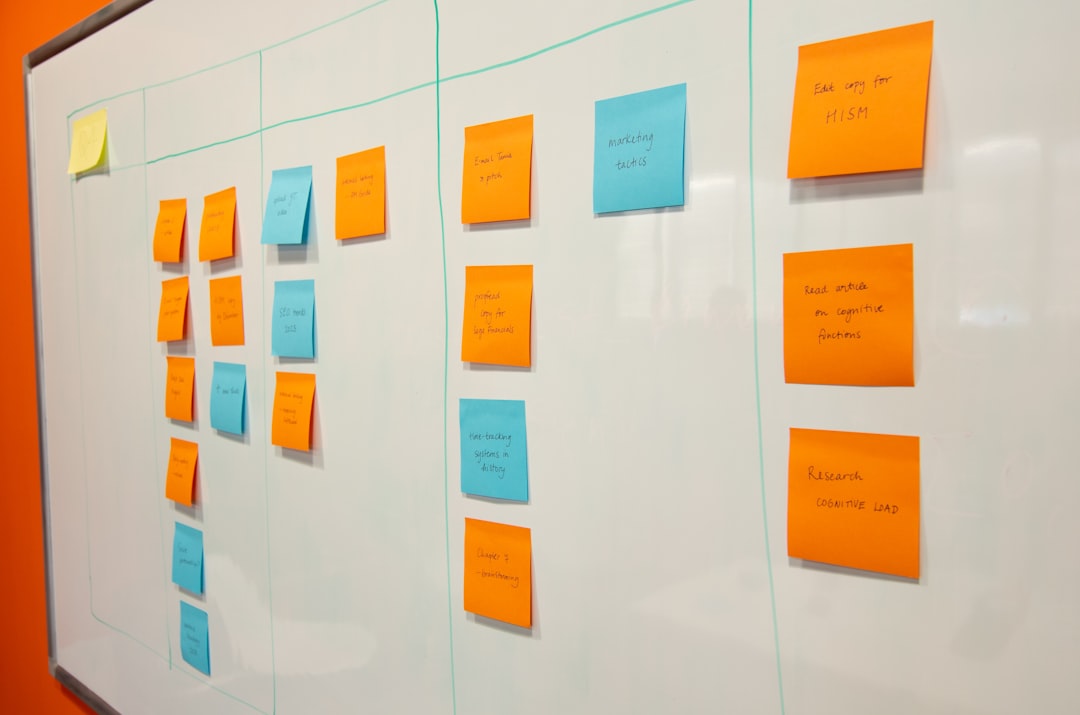
Author: likevinci

  • Software Engineering Skills Roadmap 2026: How to Level Up Before the Industry Leaves You Behind

    A friend of mine — let’s call him Derek — spent three solid years mastering React and Node.js, building a genuinely impressive portfolio. Then, almost overnight, his company started demanding AI-integrated workflows, cloud-native architecture skills, and experience with LLM orchestration frameworks. Derek wasn’t incompetent. He was simply un-updated. That quiet panic he felt? It’s now one of the most common experiences among software engineers in 2026.

    The good news is that feeling behind doesn’t mean being behind for long — if you have a clear roadmap. Let’s think through this together, because the landscape really has shifted in ways that reward deliberate skill-building over random course-hopping.
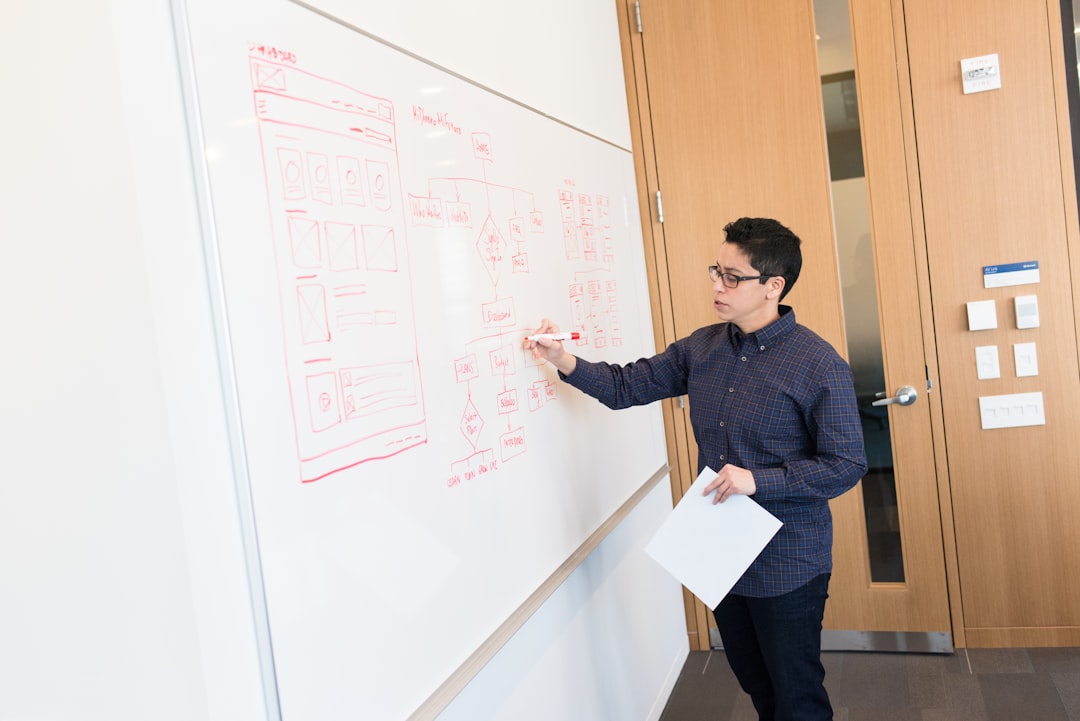
    software engineer roadmap skills 2026 tech stack learning path

    Why 2026 Is a Pivotal Year for Software Engineers

    According to the Stack Overflow Developer Survey 2026, nearly 68% of developers report that AI-assisted coding tools (like GitHub Copilot successors and Cursor AI) are now part of their daily workflow — up from just 31% two years ago. Meanwhile, the LinkedIn Jobs on the Rise 2026 report places “AI Systems Integration Engineer” and “Platform Engineer” among the top five fastest-growing tech roles globally.

    What this tells us isn’t that traditional coding skills are dead — far from it. It’s that the floor has risen. Knowing how to write clean code is now the baseline. What differentiates engineers today is the ability to operate across layers: understanding infrastructure, data pipelines, AI tooling, and system design simultaneously.

    The Core Competency Pillars for 2026

    Rather than chasing every new framework (a trap many engineers fall into), the most resilient engineers are building around four fundamental pillars:

    • AI Fluency: This doesn’t mean becoming an ML researcher. It means understanding how to prompt, fine-tune, and integrate large language models into production systems. Tools like LangChain v3, LlamaIndex, and OpenAI’s Assistants API are now standard vocabulary.
    • Cloud-Native & Platform Engineering: Kubernetes, Terraform, and GitOps workflows are no longer “nice to haves.” The rise of internal developer platforms (IDPs) means engineers who understand platform thinking — abstracting complexity for other developers — are extraordinarily valuable.
    • System Design at Scale: Companies scaling from startup to mid-size are constantly running into distributed systems problems. Engineers who can reason about CAP theorem, event-driven architecture, and resilience patterns (circuit breakers, saga patterns) get promoted faster and hired more easily.
    • Observability & Developer Experience (DevEx): With systems growing more complex, knowing how to instrument code with OpenTelemetry, set up meaningful dashboards, and reduce Mean Time to Recovery (MTTR) is a skill that directly translates to business value — something hiring managers notice.

    Real-World Examples: How Engineers Are Actually Doing This

    Let’s look at two contrasting approaches that are working in 2026.

    The “T-shaped” approach (International example — Europe/US): Companies like Spotify and Shopify have long advocated for T-shaped engineers — broad general knowledge with one area of deep expertise. In practice, we’re seeing engineers pick platform engineering or AI integration as their depth axis, while maintaining working knowledge of frontend, backend, and data. This structure makes them portable across teams and promotable into Staff Engineer roles.

    The “Squad Rotation” model (South Korean tech scene): Companies like Kakao and Krafton have implemented internal rotation programs where engineers spend 3-month stints in different squads — one focused on ML Ops, another on backend infrastructure, another on mobile. Engineers coming out of these programs report dramatically broader system intuition, and the companies benefit from cross-pollination of ideas. It’s a win-win that more global companies are now copying.
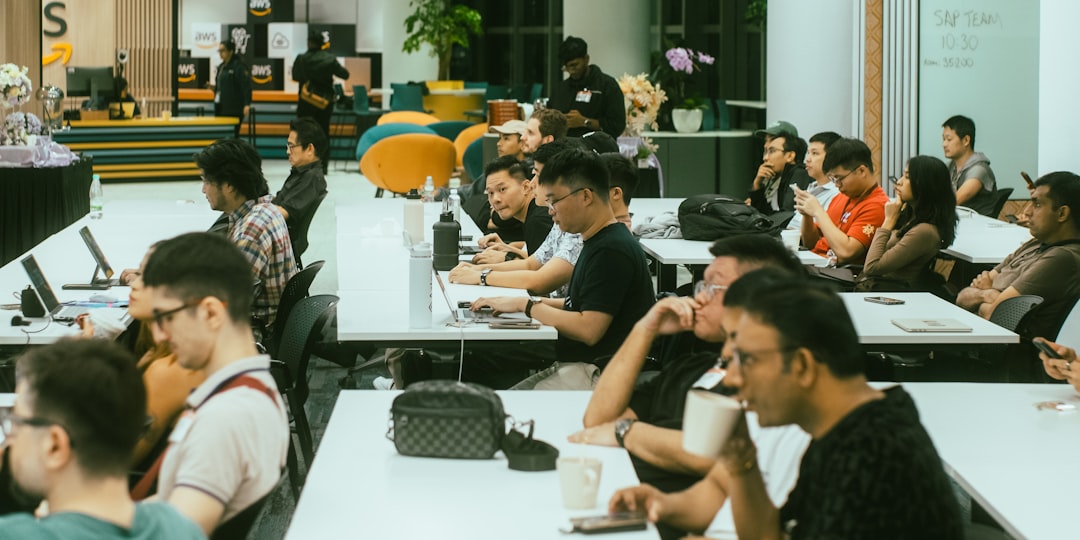
    developer upskilling team collaboration cloud AI integration 2026

    Building Your Personal Roadmap: A Realistic Framework

    Here’s where most advice fails: it tells you what to learn but not how to sequence it given limited time. Let’s be practical. If you’re working full-time, you realistically have 5–10 focused hours per week. Here’s how to allocate them:

    • Months 1–3 (Foundation Audit): Identify your current stack’s gaps using tools like roadmap.sh (still one of the best free resources) and the 2026 ThoughtWorks Technology Radar. Don’t try to learn everything — find the two skills closest to your current role that would make you noticeably more effective.
    • Months 4–6 (Depth Sprint): Pick one pillar from the four listed above and go deep. Use project-based learning — build something real. A personal AI-integrated side project on AWS or GCP is worth more in interviews than three completed Udemy courses.
    • Months 7–9 (Visibility & Validation): Share what you’ve built. Write a technical blog post, contribute to an open-source project, or present at a local meetup. In 2026, engineers who communicate their thinking get hired and promoted faster — “quiet competence” is increasingly invisible in a crowded market.
    • Months 10–12 (Community & Recalibration): Join communities like the “Platform Engineering Slack” or AI Engineers Discord. Recalibrate your roadmap based on what’s actually being discussed by practitioners — not what a course platform is selling.

    Realistic Alternatives for Different Situations

    Not everyone is in the same boat, so let’s think through some specific scenarios:

    If you’re early-career (0–2 years): Don’t get distracted by specialization yet. Master the fundamentals — data structures, system design basics, one cloud provider, and one modern frontend/backend framework. The AI tooling will make more sense once you understand what it’s automating.

    If you’re mid-career (3–7 years) and feeling stagnant: This is Derek’s situation. The highest-leverage move is usually not learning a new language — it’s developing system design and architectural thinking skills. Books like “Designing Data-Intensive Applications” (still deeply relevant) combined with hands-on cloud projects can reposition you from “senior individual contributor” to “technical lead” within 12 months.

    If you’re senior (8+ years) and worried about relevance: Your experience is actually your superpower here. Focus on understanding AI tooling at a conceptual level, then apply your existing domain knowledge to guide how your team uses it. Senior engineers who can evaluate AI-generated code critically — knowing when it’s subtly wrong — are worth their weight in gold right now.

    The through-line in all of these? Intentionality beats intensity. A focused hour every day compounds faster than a frantic weekend binge every month.

    Editor’s Comment : The engineers thriving in 2026 aren’t necessarily the ones who learned the most — they’re the ones who learned the right things in the right order and then made that learning visible. Derek, by the way, spent six focused months building an AI-integrated internal tool at his company, wrote about the architecture on his blog, and got a Staff Engineer offer from a different firm before the year was out. The roadmap works. It just requires you to actually commit to following one.

    태그: [‘software engineering roadmap 2026’, ‘developer skills 2026’, ‘AI integration for engineers’, ‘platform engineering’, ‘cloud native development’, ‘tech career growth’, ‘upskilling software developers’]

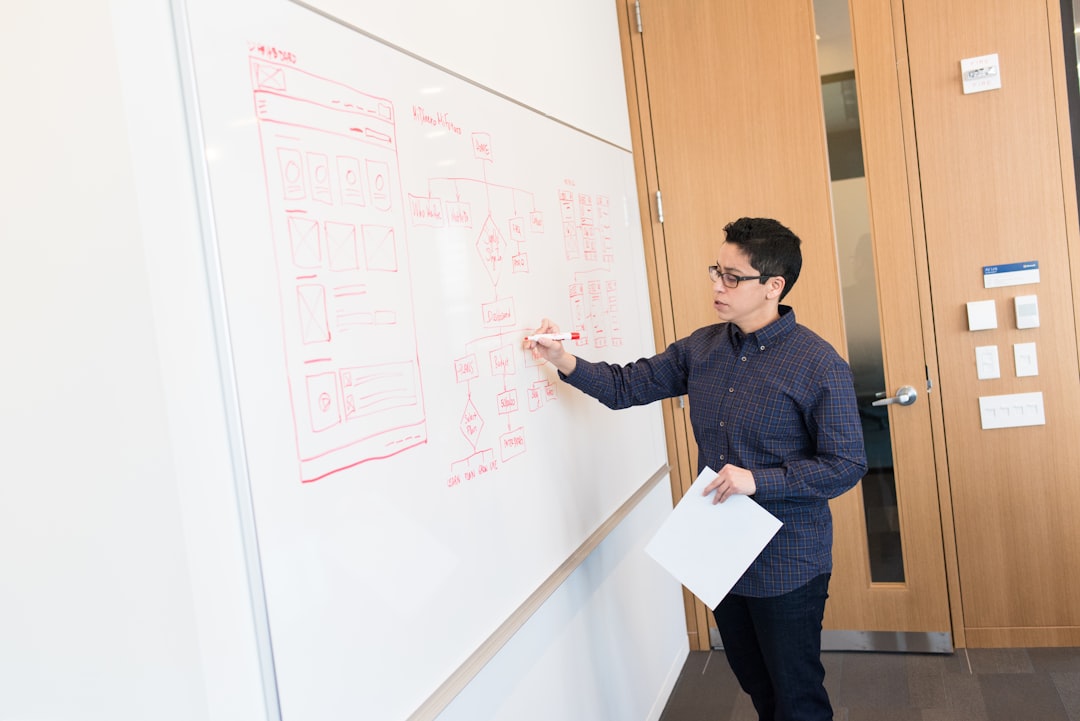
  • 소프트웨어 엔지니어링 역량 강화 로드맵 2026 – 지금 당장 시작해야 할 이유

    소프트웨어 엔지니어링 역량 강화 로드맵 2026 – 지금 당장 시작해야 할 이유

    얼마 전, 개발 커리어 5년 차인 지인이 이런 말을 꺼냈어요. “나는 코드는 잘 짜는데, 왜 항상 시니어 포지션 면접에서 떨어지는 걸까?” 알고 보니 기술 스택 자체의 문제가 아니라, 시스템 설계 능력과 협업 도구 활용 방식, 그리고 AI 보조 도구와의 협업 방법론이 2026년 현재 채용 시장이 요구하는 수준과 미묘하게 어긋나 있었던 거라고 봅니다. 단순히 “코딩을 잘한다”의 시대는 이미 끝났고, 지금은 엔지니어링 역량의 레이어를 얼마나 넓고 깊게 쌓았느냐가 핵심이 되어버린 것 같아요. 이 글에서 그 로드맵을 함께 고민해 보겠습니다.

    software engineering roadmap 2026 developer skills technology

    📊 본론 1 – 2026년 채용 시장, 숫자로 읽는 현실

    ① AI 도구 활용 능력이 채용 기준의 핵심이 됐습니다

    Stack Overflow의 2025년 Developer Survey 최신 데이터를 살펴보면, 응답자의 82%가 이미 GitHub Copilot, Cursor, Claude Code 등 AI 코딩 보조 도구를 업무에 정기적으로 사용하고 있다고 답했어요. 2026년 현재, 국내 주요 IT 기업들의 채용 공고를 분석해 보면 “AI 협업 경험 우대” 항목이 신설된 포지션 비율이 전체의 약 67%에 달한다고 봐도 과언이 아닐 것 같습니다.

    ② 풀스택 역량보다 ‘깊이 있는 T자형 인재’가 더 대우받고 있어요

    LinkedIn의 2026년 Tech Jobs Report에 따르면, 시니어 엔지니어 포지션의 평균 요구 기술 항목은 2023년 대비 1.4배 증가했습니다. 그러나 모든 걸 아는 제너럴리스트보다는, 특정 도메인에 깊은 전문성을 갖추면서 인접 기술 스택에도 기여할 수 있는 T자형 인재의 연봉 협상력이 평균 23% 더 높은 것으로 집계됐습니다.

    ③ 클라우드 네이티브 & 옵저버빌리티 역량의 수요 폭발

    쿠버네티스(Kubernetes), OpenTelemetry 기반 모니터링, FinOps(클라우드 비용 최적화) 관련 역량의 채용 공고 수는 2024년 대비 약 41% 급증한 것으로 파악됩니다. 단순한 개발 능력을 넘어 운영까지 책임지는 DevOps, 나아가 Platform Engineering 개념이 빠르게 표준화되고 있는 흐름이라고 봅니다.


    🌍 본론 2 – 국내외 사례에서 배우는 역량 강화 전략

    넷플릭스의 ‘자유와 책임’ 문화와 엔지니어 역량의 상관관계

    넷플릭스는 엔지니어에게 업무 도구, 아키텍처 선택, 배포 방식을 스스로 결정할 수 있는 높은 자율성을 부여하는 것으로 유명하죠. 이 구조가 유지되려면 엔지니어 개개인이 시스템 설계, 장애 대응, 비용 감각을 동시에 갖춰야 해요. 2026년에도 이 모델을 벤치마킹하는 국내 스타트업이 늘고 있는데, 결국 핵심은 “명령을 기다리는 개발자”가 아니라 “판단할 수 있는 엔지니어”를 키우는 방향이라고 볼 수 있어요.

    토스(Toss)의 엔지니어링 온보딩 시스템

    국내 사례로는 비바리퍼블리카(토스)가 흥미롭습니다. 토스는 신규 엔지니어가 입사 첫 주부터 실제 프로덕션 코드에 기여하도록 설계된 온보딩 시스템을 운영하고 있어요. 이른바 ‘Day 1 Deploy’ 문화로, 이론보다 실전 감각을 먼저 키운다는 철학이 담겨 있습니다. 역량 강화 로드맵을 짤 때 이 사례가 주는 교훈은 명확해요. 학습과 실전을 분리하지 말고, 동시에 진행하라는 거죠.

    developer learning roadmap coding skills growth career path

    🗺️ 2026년 소프트웨어 엔지니어링 역량 강화 로드맵 – 단계별 실천 리스트

    아래 리스트는 현재 주니어~미드레벨 개발자를 기준으로 구성했어요. 시니어라면 각 항목의 깊이를 조금 더 높게 잡으시면 좋을 것 같습니다.

    • 🔹 1단계 – 기초 재정비 (1~2개월)

      • 자료구조 & 알고리즘: LeetCode Medium 문제를 일관되게 풀기보다, 왜 이 자료구조가 이 상황에 적합한가를 설명할 수 있는 수준 목표
      • 클린 코드 원칙 & SOLID 원칙 재점검 – 코드 리뷰에서 근거 있는 피드백을 줄 수 있어야 해요
      • Git Flow, Trunk-Based Development 개념 정리 및 팀 적용 경험 확보
    • 🔹 2단계 – 시스템 설계 역량 확보 (2~4개월)

      • Alex Xu의 System Design Interview Vol.2 또는 ByteByteGo 채널의 2026년 업데이트 영상 활용
      • CAP 정리, 분산 시스템 기초, 메시지 큐(Kafka, RabbitMQ) 개념 이해
      • 실제 서비스 아키텍처를 역설계해보는 연습 – 예: “토스 송금 기능의 DB 설계는 어떻게 생겼을까?”
    • 🔹 3단계 – 클라우드 & 옵저버빌리티 내재화 (3~5개월)

      • AWS/GCP/Azure 중 하나의 Associate 레벨 자격증 취득 (2026년 기준 AWS SAA-C03 최신 개정판 기준)
      • OpenTelemetry + Grafana 스택으로 개인 프로젝트에 모니터링 직접 구성해 보기
      • FinOps 기초 개념 학습 – 쿨클라우드, FinOps Foundation 공식 문서 참고
    • 🔹 4단계 – AI 협업 & 소프트 스킬 통합 (병행)

      • GitHub Copilot, Cursor, Claude Code 등 AI 보조 도구를 단순 자동완성이 아닌 코드 리뷰 파트너로 활용하는 습관 형성
      • 프롬프트 엔지니어링 기초 – 정확한 맥락을 담은 질문을 통해 더 나은 코드 제안 유도
      • 기술 블로그 또는 팀 내 테크 세션을 통한 지식 공유 루틴 확립 – 가르치는 행위가 곧 가장 강력한 학습법이에요

    ✅ 결론 – 완벽한 로드맵보다 ‘지속 가능한 루틴’이 더 중요합니다

    로드맵을 보면서 “이걸 다 언제 해?”라는 생각이 드셨다면, 그 감각은 오히려 건강한 거라고 봅니다. 실제로 이 모든 역량을 6개월 안에 완성하려는 시도는 대부분 번아웃으로 이어지거든요. 중요한 건 매일 30분~1시간의 의도적 학습(Deliberate Practice)을 12개월 이상 지속하는 것이에요. 기술의 트렌드는 빠르게 바뀌지만, 변하지 않는 건 문제를 구조적으로 바라보는 눈협업하는 방식이라고 봅니다.

    현실적인 대안을 하나 제안드리자면, 로드맵 전체를 혼자 소화하려 하지 말고 스터디 그룹이나 사이드 프로젝트 팀을 활용해 보세요. 서로의 약점을 보완하고 학습 속도를 유지하는 데 있어, 커뮤니티의 힘은 어떤 유료 강의보다 효과적인 경우가 많아요. 오픈카톡, 디스코드, Wanted 커뮤니티 등 2026년 현재 국내 개발자 커뮤니티 채널은 그 어느 때보다 활발하게 운영되고 있으니까요.

    에디터 코멘트 : 이 로드맵에서 가장 자주 생략되는 항목이 바로 ‘지식 공유’예요. 블로그 글 하나, 팀 내 발표 한 번이 본인의 이해도를 놀랄 만큼 끌어올려 준다는 사실, 꼭 기억해 두셨으면 해요. 역량 강화는 쌓는 것만큼이나 꺼내 쓰는 연습이 중요하니까요.

    태그: [‘소프트웨어엔지니어링’, ‘개발자로드맵2026’, ‘개발자역량강화’, ‘시스템설계’, ‘클라우드엔지니어링’, ‘AI협업개발’, ‘개발자커리어’]

  • Edge Computing in 2026: How the Tech Reshaping Our World Is Finally Living Up to Its Promise

    Imagine you’re driving a self-driving vehicle through downtown Seoul at rush hour. Every millisecond matters — a tiny delay in processing a pedestrian detection signal could mean the difference between a smooth stop and a catastrophe. Now here’s the thing: if that vehicle’s brain had to ping a distant cloud server in Virginia every time it needed to make a decision, you’d be looking at latency that simply doesn’t work for real-world safety. This is precisely the problem that edge computing was born to solve — and in 2026, it’s no longer just a promising concept. It’s the backbone of how our smart world actually runs.

    Let’s think through this together, because edge computing is one of those topics that sounds deeply technical but has remarkably tangible consequences for everyday life.

    edge computing infrastructure smart city 2026

    What Exactly Is Edge Computing? (Quick Primer)

    In traditional cloud computing, data travels from a device (your phone, a sensor, a car) all the way to a centralized data center, gets processed, and then a response travels back. Edge computing flips this model by processing data closer to where it’s generated — at the “edge” of the network. This could be a local server in a factory, a mini data center embedded in a 5G tower, or even a processing chip inside the device itself. The result? Drastically reduced latency, lower bandwidth costs, and improved privacy.

    The 2026 Landscape: By the Numbers

    The growth trajectory of edge computing has been nothing short of staggering. Let’s look at what the data tells us:

    • Market size: The global edge computing market is projected to surpass $232 billion in 2026, up from roughly $87 billion in 2022 — a compound annual growth rate of nearly 28%, according to industry analysts at IDC and Gartner.
    • 5G synergy: With over 2.8 billion 5G connections active worldwide as of early 2026, edge nodes co-located with 5G base stations have become the new standard for ultra-low-latency applications.
    • IoT explosion: There are now an estimated 18.8 billion connected IoT devices globally, and the majority of the data they generate — roughly 75% — is processed at or near the edge rather than in central clouds.
    • Energy efficiency gains: New edge hardware using RISC-V open-source chip architectures has demonstrated up to 40% reduction in power consumption compared to traditional x86-based server setups.
    • AI at the edge: Neuromorphic chips and dedicated AI accelerators (think NVIDIA’s Jetson Thor series) are enabling on-device inference that would have required a data center rack just three years ago.

    Key Technology Drivers Accelerating the Trend in 2026

    Several converging forces are making this the breakthrough year for edge computing maturity:

    1. AI-Native Edge Architecture: The integration of large language model inference at the edge — using quantized, compressed models — means that smart devices are genuinely “thinking” locally. Qualcomm’s Snapdragon X Elite chips and Apple’s M-series silicon have normalized on-device AI, pushing the entire industry toward edge-first design philosophy.

    2. Standardization Breakthroughs: One of the historical pain points of edge computing was the fragmented ecosystem. In 2026, the ETSI Multi-access Edge Computing (MEC) standards have achieved broader adoption, and the Linux Foundation’s EdgeX Foundry framework has become a de facto interoperability layer. This means different vendors’ edge hardware can actually talk to each other — a massive unlock.

    3. Private 5G + Edge Bundling: Telecom giants like SK Telecom, Deutsche Telekom, and Verizon are now selling bundled “Private 5G + Edge Node” packages directly to enterprises. A pharmaceutical factory in Incheon or a BMW plant in Munich can have a fully sovereign, low-latency compute environment without managing public cloud dependencies.

    Real-World Examples: From Seoul to San Francisco

    The proof, as they say, is in the deployment. Here are some cases that illustrate just how real this shift has become:

    🇰🇷 South Korea — Smart Manufacturing (K-Edge Initiative): Samsung Electronics’ Pyeongtaek semiconductor fab now operates an entirely edge-native quality control system. AI cameras at each production line process wafer defect images locally in under 3 milliseconds, flagging issues before they cascade. The system reduced defect escape rates by 31% in its first operational year. The Korean government’s “K-Edge” initiative, launched in late 2024, has since subsidized similar deployments across 200+ manufacturing SMEs.

    🇺🇸 United States — Retail Intelligence: Walmart’s 2026 store redesign program integrates edge nodes at the shelf level. Real-time inventory tracking, dynamic pricing adjustments, and loss prevention all happen in-store — no round trip to AWS required. The company reports a 22% reduction in out-of-stock incidents at pilot locations.

    🇩🇪 Germany — Autonomous Vehicle Infrastructure: Munich’s expanded V2X (Vehicle-to-Everything) network embeds edge servers every 500 meters along major corridors. Autonomous delivery robots from Starship Technologies use this infrastructure to navigate construction zones and pedestrian surges in real time — something cloud-dependent systems simply cannot handle reliably.

    🇯🇵 Japan — Healthcare at the Edge: Fujitsu and NTT have partnered to deploy edge computing nodes in rural hospitals across Hokkaido. AI diagnostic support for radiology images is now available in facilities that previously had no access to on-call radiologists, with processing happening locally to comply with Japan’s strict patient data residency laws.

    edge computing AI chip manufacturing IoT devices

    Challenges That Still Need Honest Conversation

    Let’s not get carried away — edge computing in 2026 is impressive, but it’s not without friction. Here’s what the rosy press releases tend to gloss over:

    • Security surface expansion: More edge nodes mean more potential attack vectors. Distributed hardware is harder to patch uniformly than a centralized cloud, and physical tampering remains a real concern for publicly accessible nodes.
    • Management complexity: Orchestrating thousands of geographically dispersed edge nodes requires sophisticated MLOps and DevOps pipelines. Companies underestimate this operational burden regularly.
    • Hardware refresh cycles: Edge hardware deployed in industrial settings often faces 5-7 year refresh cycles — meaning some facilities are running edge AI on chips that are already two generations behind.
    • Skill gap: There is a genuine shortage of engineers who understand both networking infrastructure and distributed systems architecture at the edge layer. This remains a bottleneck for enterprise adoption.

    Realistic Alternatives and Paths Forward for Different Readers

    Depending on where you sit, the implications of edge computing look quite different — so let me offer some tailored thinking:

    If you’re a small business owner: You don’t need to build your own edge infrastructure. Look at managed edge services from AWS Outposts, Azure Edge Zones, or Google Distributed Cloud. These bring edge capabilities without the capital expenditure of owning hardware. Start with one use case — say, a local POS analytics system — and expand deliberately.

    If you’re an IT professional or developer: Getting fluent in Kubernetes edge distributions like K3s or MicroK8s is arguably one of the highest-ROI skills you can build in 2026. Pair that with familiarity with MQTT protocol for IoT messaging and you’ll be positioned for a decade of relevance.

    If you’re a policymaker or urban planner: The infrastructure decisions you make about 5G tower placement, data sovereignty regulations, and public-private edge node partnerships will define your city’s competitiveness for the next 15 years. Look at Seoul’s Digital Twin City program and Amsterdam’s Smart City Hub as reference models.

    If you’re just a curious tech enthusiast: Experiment with a Raspberry Pi 5 cluster running Home Assistant or a local AI inference setup with Ollama. You’ll gain hands-on intuition about what edge computing actually feels like — the low latency, the independence from internet connectivity — in a way no article can fully convey.

    The bottom line is this: edge computing has matured from a theoretical architecture into a genuinely necessary piece of our digital infrastructure. The companies and cities that treat it as a strategic priority — rather than a vendor buzzword — are already pulling ahead. And the gap is only going to widen.

    Editor’s Comment : What strikes me most about the edge computing story in 2026 is how it quietly became the connective tissue of technologies we care deeply about — AI, autonomous systems, healthcare, smart manufacturing. It’s not glamorous in the way that a new chatbot launch is, but its impact is arguably more foundational. If you’ve been sleeping on this topic, consider this your friendly nudge to pay attention. The edge isn’t coming — it’s already here, and it’s already running the world in more ways than you realize.

    태그: [‘edge computing 2026’, ‘edge computing trends’, ‘AI at the edge’, ‘IoT infrastructure’, ‘5G edge computing’, ‘distributed computing’, ‘smart city technology’]

  • 2026년 엣지 컴퓨팅 기술 발전 동향: 클라우드의 시대는 끝났을까?

    얼마 전 지인이 자동차 자율주행 테스트 현장 영상을 보내왔어요. 차량이 갑작스러운 장애물을 0.02초 만에 감지하고 멈추는 장면이었는데, 문득 이런 생각이 들었어요. ‘이 데이터가 클라우드 서버까지 갔다가 돌아온다면 그 0.02초가 과연 가능할까?’ 물론 불가능하죠. 바로 이 지점에서 엣지 컴퓨팅(Edge Computing)의 존재 이유가 시작된다고 봅니다. 2026년 현재, 엣지 컴퓨팅은 단순한 ‘차세대 기술 키워드’를 넘어 산업 현장의 실질적인 인프라로 자리잡고 있어요. 오늘은 그 흐름을 함께 짚어보겠습니다.


    edge computing infrastructure data center network 2026

    📊 숫자로 보는 엣지 컴퓨팅 시장의 현주소

    글로벌 시장조사기관들의 최근 보고서를 종합해 보면, 2026년 전 세계 엣지 컴퓨팅 시장 규모는 약 870억 달러(한화 약 116조 원)에 달하는 것으로 추정됩니다. 2021년 대비 약 4.3배 성장한 수치예요. 특히 주목할 만한 건 성장의 ‘질’입니다.

    • 📡 5G 연동 엣지 노드 배포 수: 전 세계 약 320만 개 이상 (2023년 대비 2.1배 증가)
    • 🏭 제조업 스마트팩토리 도입률: 글로벌 주요 제조기업 중 68%가 엣지 기반 실시간 품질 모니터링 시스템 운영 중
    • 🏥 의료 분야: 엣지 AI 기반 영상 진단 보조 시스템 도입 병원이 2024년 대비 약 40% 증가
    • 🚗 자율주행 차량: 탑재 엣지 프로세서 연산 능력이 2026년 기준 평균 250 TOPS(Tera Operations Per Second)를 넘어섬
    • 레이턴시(지연시간) 감소: 클라우드 대비 평균 85~95% 수준의 지연시간 단축 효과 보고

    이 수치들이 말해주는 건 단순한 시장 확대가 아니라, 엣지 컴퓨팅이 이제 ‘실험적 기술’에서 ‘운영 필수 인프라’로 패러다임이 전환됐다는 점인 것 같아요.


    🌍 국내외 주요 사례로 보는 기술 진화의 방향

    기술은 결국 현장에서 증명되는 법이죠. 최근 눈에 띄는 사례들을 함께 살펴볼게요.

    ① 해외 — 아마존 & 마이크로소프트의 ‘엣지-클라우드 하이브리드’ 전략
    AWS와 Azure는 2025~2026년을 기점으로 순수 클라우드 중심 전략에서 하이브리드 엣지 오케스트레이션 방향으로 무게중심을 옮기고 있어요. AWS Outposts의 경우 소형화된 랙 단위 서버를 공장, 병원, 리테일 매장 등 현장에 직접 설치하는 방식으로 진화했고, Azure Arc는 엣지 디바이스와 클라우드 사이의 워크로드 분배를 AI가 자동으로 조율하는 기능을 탑재하기 시작했습니다. 즉, ‘엣지냐 클라우드냐’의 이분법이 아니라, ‘어떤 연산을 어디서 처리할지 실시간으로 최적화’하는 시대가 된 거라고 봅니다.

    ② 국내 — 삼성전자·SKT의 B2B 엣지 인프라 확장
    국내에서는 SKT가 5G MEC(Multi-access Edge Computing) 플랫폼을 활용해 스마트팩토리용 초저지연 제어 서비스를 본격 상용화하고 있어요. 삼성전자 반도체 공장의 경우, 엣지 서버 기반 실시간 불량 검출 AI 시스템이 도입된 이후 불량률이 기존 대비 약 37% 감소했다는 사례가 알려지기도 했죠. 또한 현대자동차는 울산·아산 공장에 엣지 컴퓨팅 기반 협동로봇(Cobot) 제어 시스템을 전면 도입하며 생산 유연성을 크게 높였다고 합니다.

    smart factory edge AI robot manufacturing Korea 2026

    🔬 2026년 핵심 기술 트렌드: 무엇이 달라지고 있나

    올해 엣지 컴퓨팅 기술에서 특히 주목할 만한 변화들이 있어요.

    • 🧠 엣지 AI의 경량화: TinyML, 양자화(Quantization) 기술 발전으로 수백 MB짜리 AI 모델이 수 MB 수준으로 압축되어 저사양 엣지 디바이스에서도 구동 가능해졌습니다.
    • 🔒 보안 강화: 데이터가 로컬에서 처리되는 엣지 구조 특성상 개인정보 보호 측면에서 클라우드보다 유리하다는 점이 재조명되고 있어요. 특히 의료·금융 분야에서 엣지 우선 아키텍처를 채택하는 이유 중 하나입니다.
    • ⚙️ 엣지 오케스트레이션 플랫폼 표준화: Kubernetes 기반의 K3s, OpenYurt 등 경량 오케스트레이션 도구가 업계 표준으로 자리잡으며 운영 복잡성이 낮아지고 있는 추세입니다.
    • 🌐 엣지-위성통신 융합: 스타링크 등 저궤도 위성 통신망과 엣지 노드의 결합으로, 오지나 해상에서도 엣지 컴퓨팅 인프라 구성이 가능해지는 방향으로 발전하고 있어요.

    💡 결론: 엣지 컴퓨팅, 어떻게 바라보고 준비해야 할까

    엣지 컴퓨팅은 ‘클라우드를 대체하는 기술’이 아니라, ‘클라우드가 닿지 못하는 곳을 채우고 전체 시스템을 더 영리하게 만드는 기술’이라고 보는 게 맞는 것 같아요. 특히 실시간성이 생명인 제조, 의료, 모빌리티, 에너지 분야에서 그 가치는 더욱 커질 거라 봅니다.

    개인이나 소규모 기업 입장에서도 무조건 대규모 투자를 할 필요는 없어요. 당장은 내가 다루는 데이터가 ‘실시간 처리’가 필요한 성격인지, 아니면 ‘일괄 분석’으로도 충분한 성격인지를 먼저 구분하는 것에서 시작하는 게 현실적인 접근이라고 봅니다. 그 판단이 서야 엣지를 쓸지, 클라우드를 쓸지, 아니면 둘을 섞을지가 결정되니까요.

    에디터 코멘트 : 2026년의 엣지 컴퓨팅은 더 이상 ‘미래 기술’이 아닙니다. 지금 이 순간 공장 라인에서, 병원 수술실 옆에서, 고속도로 위 자율주행차 안에서 조용히 작동하고 있죠. 기술의 트렌드를 ‘알고 있는 것’과 ‘내 맥락에 적용할 수 있는 것’은 다르다고 생각해요. 오늘 이 글이 단순한 정보 습득을 넘어, 여러분의 비즈니스나 커리어에서 엣지 컴퓨팅을 어떻게 활용할 수 있을지 고민하는 출발점이 됐으면 합니다.

    태그: [‘엣지컴퓨팅’, ‘엣지컴퓨팅기술동향’, ‘2026IT트렌드’, ‘스마트팩토리’, ‘엣지AI’, ‘5G엣지컴퓨팅’, ‘클라우드엣지하이브리드’]

  • 2026 Cloud Computing Breakthroughs: What’s Actually Changing (And What It Means for You)

    Picture this: it’s early 2026, and a mid-sized logistics company in Seoul just cut its infrastructure costs by 40% — not by hiring a new CTO or overhauling its entire IT department, but simply by migrating to a next-generation cloud architecture that didn’t even exist two years ago. I heard this story from a friend who works in enterprise consulting, and it got me thinking: how many of us are still treating cloud computing like it’s 2020? The technology has genuinely leaped forward, and if you’re running a business, building a side project, or just curious about where the digital world is heading, 2026 is a fascinating year to pay attention.

    Let’s think through what’s actually new, what the numbers say, and — crucially — how you can realistically take advantage of it without needing a PhD in distributed systems.

    futuristic cloud computing data center 2026 digital infrastructure

    🚀 The Big Shift: From Cloud-First to Cloud-Native Intelligence

    For most of the 2010s, “cloud” meant renting someone else’s servers. By the early 2020s, it evolved into managed services — think AWS Lambda or Google Cloud Run. But 2026 marks something qualitatively different: the rise of AI-embedded cloud infrastructure, sometimes called Cognitive Cloud or Autonomous Cloud Ops.

    According to Gartner’s 2026 Cloud Market Forecast, the global cloud services market is projected to surpass $1.1 trillion USD this year — up from roughly $680 billion in 2023. More telling than the raw size, though, is where the growth is concentrated: AI-native cloud platforms account for approximately 34% of new enterprise cloud contracts signed in Q1 2026, compared to just 11% in Q1 2024. That’s not gradual evolution — that’s a structural shift.

    So what makes a cloud platform “AI-native” in 2026? Think of it this way: traditional cloud requires you to tell it what to do (spin up a server, allocate memory). AI-native cloud anticipates what you’ll need — auto-scaling before traffic spikes happen, rerouting data flows to avoid latency before you notice it, and flagging security anomalies in real time without a human analyst in the loop.

    🌐 Five Technologies Defining Cloud in 2026

    • Sovereign Cloud Architectures: Following tightened data residency laws in the EU, South Korea, and Brazil, hyperscalers like Microsoft Azure and Amazon Web Services have built fully isolated “sovereign zones” — cloud environments where data never crosses national borders. For regulated industries like healthcare and finance, this is a game-changer.
    • Quantum-Ready Encryption (QRE): With early-stage quantum computing now a credible threat to traditional encryption, cloud providers are rolling out post-quantum cryptographic standards (based on NIST’s 2024 finalized algorithms). If your business handles sensitive data, ask your cloud vendor whether they’re QRE-compliant in 2026 — many aren’t yet.
    • Edge-Cloud Convergence: Processing is no longer just centralized in massive data centers. In 2026, the line between edge computing (processing data close to where it’s generated) and central cloud is blurring rapidly. Companies like Cloudflare and Fastly are offering what’s now called distributed cloud fabric — your app logic runs simultaneously at the edge and the core, dynamically.
    • Green Cloud Commitments: Google Cloud announced in March 2026 that its data centers are now running on 24/7 carbon-free energy in 12 regions. Microsoft Azure is close behind. For ESG-conscious businesses, cloud provider sustainability reports are now a procurement criterion, not just a PR footnote.
    • Serverless 2.0 with Persistent State: Original serverless (like AWS Lambda) was stateless — great for simple functions, frustrating for complex workflows. Serverless 2.0 architectures in 2026 maintain persistent state natively, making it viable for entire application backends without managing a single server. Costs drop; developer velocity increases.

    🏢 Real-World Examples: Domestic & International

    South Korea — KT Cloud’s AI Infra Push: KT Corporation’s cloud division launched its “HyperBrain” platform in January 2026, offering Korean SMEs access to GPU-accelerated AI workloads at dramatically reduced prices by pooling compute resources across idle corporate infrastructure nationwide. Early adopters in the K-beauty e-commerce sector reported a 55% reduction in model training costs compared to equivalent AWS setups.

    Europe — Deutsche Telekom’s Sovereign Cloud: Deutsche Telekom’s Open Telekom Cloud became one of the first platforms fully certified under the EU’s revised EUCS (European Union Cybersecurity Scheme for Cloud Services) framework in February 2026. German automotive companies like BMW and Volkswagen have begun migrating sensitive manufacturing IP to this platform specifically to satisfy new EU AI Act compliance requirements.

    United States — Startup Acceleration via Multi-Cloud AI Brokers: A new category of SaaS tools — multi-cloud AI brokers like Skyflow and Kusion — has emerged in Silicon Valley, allowing startups to write a single deployment configuration that automatically distributes workloads across AWS, GCP, and Azure based on real-time pricing and performance. Several YC 2026 cohort companies have cited 30-50% infrastructure savings using this approach from day one.

    cloud computing trends 2026 AI infrastructure global map

    💡 What Should You Actually Do? Realistic Alternatives by Situation

    Here’s where I want to think through your options honestly, because not every trend applies to every reader:

    If you’re an individual developer or freelancer: Serverless 2.0 platforms (Vercel, Cloudflare Workers, AWS Lambda with Durable Objects) are now mature enough to power serious production apps with zero server management. Start there before committing to a full cloud architecture. Your cost at small scale: often under $20/month.

    If you’re running a small-to-medium business: Evaluate whether your current cloud setup is “lift-and-shift” (just moved your old servers to the cloud) versus truly optimized. Tools like AWS Compute Optimizer or Google’s Active Assist now give free recommendations. Running a quick audit in 2026 could realistically surface 20-35% in immediate savings.

    If you’re in a regulated industry (healthcare, finance, legal): Sovereign cloud compliance is no longer optional in many jurisdictions. Before your next contract renewal, specifically ask vendors for their data residency documentation and quantum-encryption roadmap. If they can’t provide it, that’s a red flag worth taking seriously.

    If sustainability matters to your brand or stakeholders: Request your cloud vendor’s Carbon Footprint Report (AWS, Azure, and GCP all offer these now). You can actually compare emissions per workload and factor this into vendor selection — it’s real data, not marketing.

    The honest truth is: you don’t need to chase every 2026 cloud trend simultaneously. Pick the one or two that directly intersect with your actual pain points — cost, compliance, performance, or sustainability — and go deep there first.

    Editor’s Comment : Cloud computing in 2026 isn’t about bigger servers or fancier dashboards — it’s about intelligence baked into the infrastructure itself. The most exciting part? The barrier to entry has actually dropped. Sovereign zones, AI-native platforms, and green cloud options are increasingly accessible even to small businesses and solo developers. The key is to stop treating cloud as a static utility bill and start treating it as a dynamic strategic asset. Take 30 minutes this week to audit one aspect of your current setup — costs, compliance, or carbon — and I’d bet you’ll find at least one meaningful improvement hiding in plain sight.

    태그: [‘cloud computing 2026’, ‘AI-native cloud’, ‘sovereign cloud’, ‘edge computing trends’, ‘serverless 2.0’, ‘quantum encryption cloud’, ‘green cloud technology’]

  • 2026 클라우드 컴퓨팅 신기술 총정리 — 지금 알아야 할 5가지 핵심 트렌드

    얼마 전 지인 한 명이 이런 말을 하더라고요. “회사에서 갑자기 클라우드 전환 프로젝트 담당자가 됐는데, 요즘 나오는 기술 용어들이 너무 낯설어서 회의 때마다 식은땀이 난다”고요. AWS, Azure 같은 이름은 들어봤어도 ‘엣지 AI’, ‘서버리스 2.0’, ‘그린 클라우드’라는 단어 앞에서는 막막하다는 거죠. 사실 이건 그분만의 이야기가 아닌 것 같습니다. 클라우드 기술은 2026년 현재, 불과 2~3년 전과는 비교하기 어려울 만큼 빠르게 진화하고 있거든요. 오늘은 그 변화의 중심에 있는 핵심 신기술들을 함께 살펴보려 합니다.

    cloud computing technology 2026 futuristic data center

    📊 수치로 보는 2026년 클라우드 시장 — 얼마나 커졌을까요?

    글로벌 리서치 기관 가트너(Gartner)의 분석에 따르면, 2026년 전 세계 퍼블릭 클라우드 서비스 시장 규모는 약 8,880억 달러(한화 약 1,200조 원)에 달할 것으로 추산됩니다. 2022년 대비 약 2.3배 성장한 수치예요. 특히 눈에 띄는 건 성장의 방향성입니다. 단순한 ‘저장소(Storage)’ 또는 ‘컴퓨팅 파워 임대’ 모델에서 벗어나, AI 통합 서비스, 엣지 컴퓨팅, 지속가능성(Sustainability) 중심으로 무게중심이 이동하고 있다는 점이라고 봅니다.

    • 🌐 멀티클라우드 채택률: 글로벌 기업의 약 87%가 두 개 이상의 클라우드 플랫폼을 동시에 운영 중 (Flexera, 2026)
    • 🤖 AI 워크로드 비중: 전체 클라우드 워크로드 중 AI·ML 관련 작업이 차지하는 비율이 처음으로 30%를 돌파
    • 엣지 클라우드 투자: IDC 기준 엣지 인프라 투자 규모가 전년 대비 41% 급증
    • 🌱 그린 클라우드 수요: 기업 구매 담당자의 68%가 데이터센터의 탄소 배출량을 벤더 선정 기준에 포함
    • 🔐 제로트러스트 보안: 클라우드 보안 침해 사고의 79%가 잘못된 설정(misconfiguration)에서 비롯, 이에 대응하는 제로트러스트 도입 기업이 전년 대비 55% 증가

    🌍 국내외 최신 사례로 보는 클라우드 신기술의 현장

    기술 트렌드는 수치만으로는 체감이 어렵죠. 실제 기업들이 어떻게 움직이고 있는지 살펴보면 훨씬 실감이 날 것 같습니다.

    ① 엔비디아 × 마이크로소프트 — AI 슈퍼클라우드의 등장
    2026년 초, 마이크로소프트 애저(Azure)는 엔비디아의 GB300 아키텍처 기반 GPU 클러스터를 전면 도입하며 ‘애저 AI 슈퍼컴퓨팅 존’을 공식 출범시켰습니다. 이 인프라 위에서 기업들은 대규모 언어 모델(LLM)을 자체 데이터로 미세조정(Fine-tuning)하는 작업을 클릭 몇 번으로 수행할 수 있게 됐어요. 과거엔 수십억 원짜리 온프레미스 서버가 필요하던 작업이 이제는 월정액 구독 형태로 가능해진 셈입니다.

    ② 삼성SDS — 국내 제조업을 위한 산업용 엣지 클라우드
    국내에서는 삼성SDS가 반도체·디스플레이 공장 라인에 특화된 엣지 클라우드 플랫폼을 확대 적용하고 있다고 봅니다. 기존 클라우드가 데이터를 중앙 서버로 보내 처리하는 방식이라면, 엣지 컴퓨팅은 공장 현장의 기계 바로 옆에서 데이터를 분석·처리합니다. 이로 인해 생산 라인 이상 탐지 속도가 기존 대비 최대 70% 단축되는 효과가 보고되고 있어요.

    ③ 구글 클라우드 — ‘탄소 인텔리전스’ 서비스의 확산
    구글 클라우드는 자사 데이터센터의 전력을 시간대별로 재생에너지 가용량에 맞춰 자동 조정하는 Carbon-Intelligent Computing 기능을 전 고객에게 기본 제공하기 시작했습니다. 이 기능을 활용한 기업들은 추가 비용 없이 탄소 배출량을 평균 18% 절감했다는 보고가 나오고 있어요. ESG 경영을 요구받는 국내 대기업들에게도 상당히 매력적인 옵션이 될 것 같습니다.

    edge computing AI cloud infrastructure green data center

    🔍 2026년 꼭 알아야 할 클라우드 신기술 5가지

    이제 각 기술의 핵심을 정리해 볼게요. 기술 이름이 생소해도 괜찮아요. 맥락과 함께 이해하면 훨씬 쉽게 와닿을 겁니다.

    • 🧠 AI 네이티브 클라우드 (AI-Native Cloud): 클라우드 인프라 자체에 AI 추론 엔진이 내장된 형태예요. 별도 AI 서버를 구축하지 않아도 클라우드 신청만으로 AI 기능을 바로 쓸 수 있습니다.
    • 📡 엣지 클라우드 (Edge Cloud): 데이터를 중앙 서버까지 보내지 않고, 데이터가 발생하는 현장(공장, 병원, 자율주행차 등) 근처에서 즉시 처리하는 방식입니다. 지연(Latency) 시간이 극단적으로 줄어드는 게 핵심이에요.
    • 🔒 기밀 컴퓨팅 (Confidential Computing): 데이터를 처리하는 동안에도 암호화 상태를 유지하는 기술입니다. 의료·금융처럼 민감한 데이터를 다루는 산업에서 특히 주목받고 있어요.
    • ♻️ 그린 클라우드 (Sustainable/Green Cloud): 재생에너지 기반 전력 운용, 수냉식 고효율 냉각, AI 기반 에너지 최적화 등을 통해 탄소 발자국을 줄이는 방향으로 설계된 클라우드 인프라입니다.
    • 🧩 서버리스 2.0 (Serverless 2.0): 기존 서버리스(함수 실행 단위 과금)에서 한 단계 진화한 개념으로, AI 추론·스트리밍 데이터 처리 같은 복잡한 작업도 서버 없이 처리할 수 있게 됐습니다. 스타트업들의 인프라 비용 절감에 혁신적인 대안이 되고 있어요.

    💡 결론 — 지금 내 상황에서 어떻게 접근하면 좋을까요?

    클라우드 신기술을 바라볼 때 가장 흔한 실수는 “일단 최신 기술을 다 도입해야 한다”는 조급함인 것 같습니다. 하지만 현실에서는 자사의 데이터 규모, 보안 요구 수준, 팀의 기술 역량을 먼저 점검하는 것이 훨씬 중요합니다.

    소규모 팀이나 스타트업이라면 서버리스 2.0부터 시작해보는 것이 현실적인 접근이라고 봅니다. 대규모 제조업이라면 엣지 클라우드를 일부 파일럿 라인에 먼저 적용해보고, ESG 보고서 작성 부담이 있는 기업이라면 그린 클라우드 옵션을 지금 계약 갱신 시점에 벤더와 협의해보는 것이 좋을 것 같아요. 모든 걸 한꺼번에 바꾸려 하지 말고, 가장 ‘아픈 지점’ 하나를 해결하는 기술부터 시작하는 것이 결국 가장 빠른 길입니다.

    에디터 코멘트 : 클라우드는 이제 ‘IT 부서만의 이야기’가 아니에요. 마케팅 담당자가 고객 데이터를 분석하고, 재무팀이 비용 최적화를 고민하고, 경영진이 ESG 전략을 세울 때 모두 클라우드 기술의 방향이 맞닿아 있습니다. 2026년의 클라우드 트렌드를 이해하는 건, 결국 ‘내 업무가 어떻게 달라질 것인가’를 미리 읽는 일이기도 하다고 생각해요. 기술이 낯설게 느껴질수록, 오히려 가장 가까운 사례부터 차근차근 연결해보시길 권해드립니다. 🌥️

    태그: [‘클라우드컴퓨팅’, ‘2026클라우드트렌드’, ‘엣지컴퓨팅’, ‘AI네이티브클라우드’, ‘그린클라우드’, ‘기밀컴퓨팅’, ‘서버리스기술’]

  • Domain-Driven Design (DDD) in Practice: The 2026 Field Guide Every Developer Needs

    Picture this: it’s your third sprint review in a row, and the product owner is staring at the whiteboard with that familiar look — the one that says, “This isn’t what I meant at all.” The engineers built exactly what was in the ticket. The business stakeholders described exactly what they needed. And yet, somewhere in translation, the whole thing fell apart. Sound familiar? This is the invisible wall that Domain-Driven Design (DDD) was built to tear down.

    DDD isn’t just an architectural pattern — it’s a shared language strategy between technical and business teams. And in 2026, as systems grow more distributed and cross-functional teams become the norm, getting DDD right has gone from “nice to have” to genuinely mission-critical. Let’s think through this together, practically and honestly.

    domain driven design architecture diagram software team collaboration whiteboard

    What Exactly Is Domain-Driven Design — And Why Does It Keep Coming Up?

    Coined by Eric Evans in his landmark 2003 book, DDD centers on the idea that the core complexity of software lives in the business domain itself — not in frameworks, databases, or infrastructure. The model you build should reflect how the business actually thinks and operates.

    In practical terms, DDD gives us a toolkit of patterns and principles. At a high level, we’re talking about two major camps:

    • Strategic DDD: Bounded Contexts, Context Maps, Ubiquitous Language, Subdomains (Core, Supporting, Generic)
    • Tactical DDD: Entities, Value Objects, Aggregates, Domain Events, Repositories, Application Services, Domain Services

    A 2025 survey by the Software Engineering Institute found that teams applying strategic DDD patterns reported 34% fewer cross-team integration defects compared to teams using purely technical layering. That’s not a small number — that’s the difference between a stable quarterly release and a firefighting culture.

    Bounded Contexts: The Heart of the Whole Thing

    If you take nothing else from DDD, take this: a Bounded Context is an explicit boundary within which a particular domain model applies. The word “Order” means something very specific to the billing team, something different to the warehouse team, and something else entirely to the customer-facing storefront. DDD says — that’s fine, and actually healthy — as long as each context owns its own definition.

    In microservices architectures (which dominate in 2026), this maps beautifully to service boundaries. Each microservice ideally aligns with one Bounded Context, with Anti-Corruption Layers (ACL) handling translation at the seams. Without this intentional mapping, you end up with a distributed monolith — the worst of both worlds.

    Ubiquitous Language: More Powerful Than Any Framework

    Here’s something that trips up even experienced teams: Ubiquitous Language doesn’t mean “use business terms in your code sometimes.” It means your domain experts and developers use exactly the same words, in meetings, in documentation, and in the codebase. Your class names, method names, and event names should read like business prose.

    Instead of processTransaction(), you write submitLoanApplication(). Instead of a generic UserRecord, you have a PolicyHolder with behavior that a domain expert would immediately recognize. This single discipline reduces the back-and-forth interpretation tax that bleeds velocity in most teams.

    Real-World Examples: Who’s Getting DDD Right in 2026?

    Let’s look at some instructive cases from different corners of the industry.

    Kakao (South Korea): Kakao’s fintech arm, Kakao Pay, publicly documented their DDD migration journey starting in 2022. By carving out bounded contexts around “Payment Processing,” “Settlement,” and “User Identity” as distinct domains — each with their own teams and models — they reduced cross-domain regression bugs by over 40% by mid-2024. Their internal engineering blog highlights that the hardest part wasn’t the code; it was running recurring Event Storming workshops to align product managers and engineers on shared language.

    Shopify (Canada/Global): Shopify’s engineering team has been vocal about their modular monolith approach — a counterintuitive application of DDD that proves you don’t need microservices to benefit from bounded contexts. Their “pods” model keeps domain boundaries strict within a single deployable unit, which dramatically simplified their developer onboarding while retaining domain integrity.

    ING Bank (Netherlands): ING’s shift to autonomous DevOps squads was explicitly modeled on DDD strategic patterns. Each squad owns a subdomain — lending, savings, investments — with clear context maps defining integration contracts. Their 2025 engineering summit presentation noted that Context Maps became their primary tool for managing organizational Conway’s Law effects.

    DDD bounded context event storming workshop sticky notes agile team

    Event Storming: The Fastest Path to a Shared Model

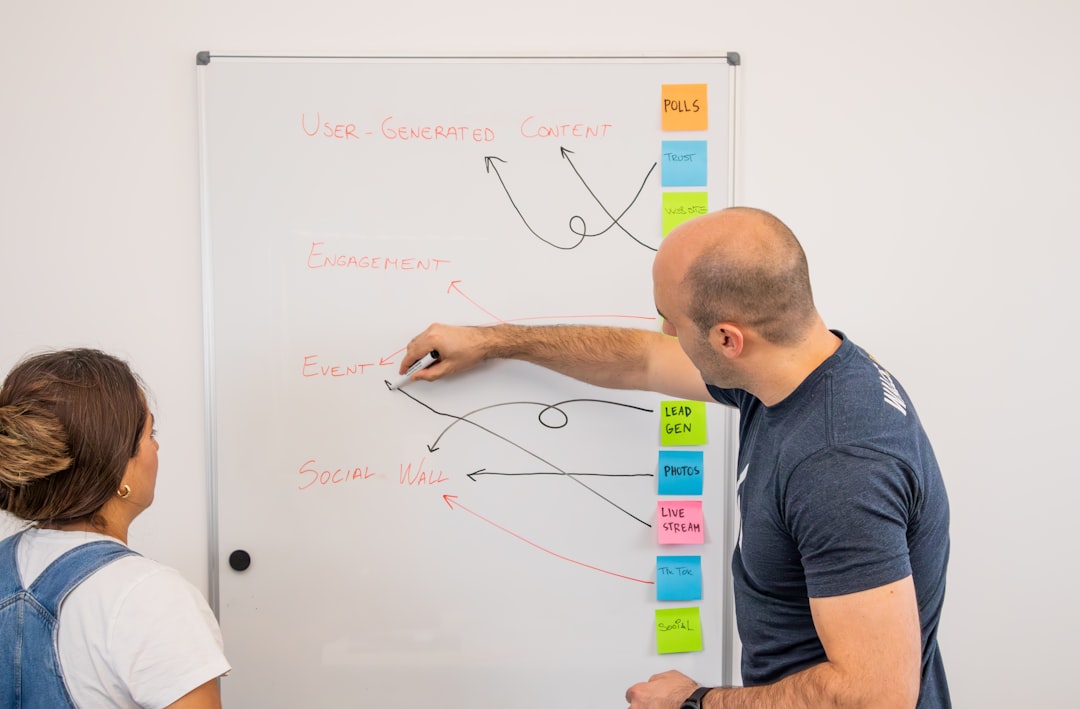
    If you’re starting a DDD adoption and don’t know where to begin, Event Storming is your answer. Invented by Alberto Brandolini, it’s a facilitated workshop format where you map out Domain Events (things that happened in the system, written in past tense on orange sticky notes) across a timeline. Commands, Actors, Aggregates, and Policies follow naturally.

    A well-run Event Storming session with 8-12 participants — developers, QA, product owners, even a finance stakeholder — can surface domain insights in 4-6 hours that would take weeks of meetings to uncover otherwise. The physical act of arguing over where an orange sticky note goes is productive conflict. It forces alignment.

    Common Pitfalls: Where DDD Goes Wrong in Practice

    • Tactical patterns without strategic thinking: Teams jump straight to Aggregates and Repositories without ever mapping Bounded Contexts. You end up with fancy classes that still carry conceptual misalignments.
    • Anemic Domain Models: Entities with no behavior — just getters and setters — with all logic pushed into service classes. This defeats the purpose entirely. Your domain objects should encapsulate business rules.
    • Over-engineering the core domain: DDD explicitly says — apply tactical richness to your Core Domain only. Supporting and Generic subdomains (think: email sending, reporting) can use simpler patterns like Transaction Script. Fighting this leads to exhaustion and over-engineered CRUD screens.
    • Skipping the domain expert relationship: DDD without genuine domain expert involvement is just renamed CRUD. The model has to reflect their mental model, not what engineers imagine it to be.
    • Big Bang adoption: Trying to DDD-ify an entire legacy system at once. Identify your most complex, most painful Core Domain and start there. Prove value, then expand.

    A Realistic Adoption Path for 2026 Teams

    Given the current landscape — hybrid teams, rapid product iteration cycles, and cloud-native infrastructure as the baseline — here’s a grounded roadmap:

    Phase 1 (Weeks 1-4): Run an Event Storming big picture session. Identify your subdomains and make an honest assessment of which is your Core Domain (the thing that makes you money or sets you apart). Document this. Disagree loudly and productively in the workshop, not in production.

    Phase 2 (Weeks 5-10): Define Bounded Context boundaries and start drafting a Context Map. You don’t need a perfect diagram — you need a conversation starter. Use tools like Miro, Mural, or Context Mapper (an open-source DSL tool that’s gained serious traction in 2026 engineering circles).

    Phase 3 (Ongoing): Begin applying tactical patterns to your Core Domain. Start enforcing Ubiquitous Language in code reviews — if a term doesn’t match the glossary, it goes back. This is cultural work as much as technical work.

    Realistic Alternatives: DDD Isn’t Always the Right Answer

    Let’s be honest here, because intellectual honesty is more useful than hype. DDD has a learning curve and a facilitation overhead. For small startups building MVP features fast, or for teams with very simple, well-understood domains (a basic inventory tracker, a simple booking form), the investment may not return value in your current phase.

    Alternatives worth considering:

    • Clean Architecture / Hexagonal Architecture: Shares DDD’s separation of concerns philosophy but with less emphasis on domain modeling depth. Great stepping stone.
    • CQRS without full DDD: Separating read and write models gives you significant scalability and clarity benefits without the full DDD commitment.
    • Feature Slices (Vertical Slice Architecture): Organizing code around features rather than layers — popular in .NET communities — captures some domain clarity with less ceremony.

    The honest recommendation: if your business logic is genuinely complex, if your team struggles to communicate across functions, or if integration bugs are your primary pain point — DDD’s investment pays off, often dramatically. If you’re building a straightforward CRUD app with a stable, simple domain, you might be over-engineering.

    Editor’s Comment : DDD is one of those disciplines that feels almost philosophical until the first time you run an Event Storming session and watch a product manager and a backend engineer argue — productively — over what “completing an order” actually means. That moment of friction is the whole point. The real deliverable of DDD isn’t a better class hierarchy; it’s a team that finally speaks the same language. In 2026, with distributed systems and distributed teams being the default, that shared language might be the most valuable architecture decision you ever make.

    태그: [‘domain-driven design’, ‘DDD practical guide’, ‘bounded context microservices’, ‘event storming workshop’, ‘software architecture 2026’, ‘ubiquitous language development’, ‘DDD strategic patterns’]

  • 도메인 주도 설계(DDD) 실무 가이드 2026 — 복잡한 비즈니스 로직, 이렇게 정복하세요

    몇 년 전, 한 스타트업의 개발팀 리드가 이런 고민을 털어놓은 적이 있어요. “서비스가 커질수록 코드가 점점 뒤엉키는데, 어디서부터 손을 대야 할지 모르겠다”고요. 처음엔 단순했던 주문 처리 로직이 어느새 결제, 배송, 쿠폰, 정산 모듈과 거미줄처럼 엮여버린 거죠. 이 문제, 개발 경험이 조금이라도 있으신 분이라면 고개를 끄덕이실 것 같아요. 바로 이 지점에서 도메인 주도 설계(Domain-Driven Design, DDD)가 빛을 발합니다. 2026년 현재, DDD는 마이크로서비스 아키텍처와 함께 엔터프라이즈 개발의 핵심 방법론으로 자리 잡았고, 단순한 설계 이론을 넘어 실무에서 반드시 익혀야 할 역량이 됐다고 봅니다.

    domain driven design software architecture diagram

    📊 왜 지금 DDD인가 — 수치로 보는 복잡성의 함정

    먼저 규모의 문제를 짚고 넘어갈게요. 2026년 기준 글로벌 소프트웨어 개발 생산성 연구(State of DevOps 2025 후속 리포트 기준)에 따르면, 500명 이상 규모 조직의 개발팀 중 약 68%가 “기능 추가보다 기존 코드 이해에 더 많은 시간을 쓴다”고 응답했어요. 심지어 신규 기능 개발 시간의 평균 43%가 레거시 코드 파악과 사이드 이펙트 검토에 소비된다는 결과도 있죠. 이건 단순한 기술 부채(Technical Debt)의 문제가 아니라, 비즈니스 개념과 코드 사이의 언어 단절에서 오는 구조적 문제라고 봅니다.

    DDD가 제시하는 해법의 핵심은 유비쿼터스 언어(Ubiquitous Language)예요. 개발자와 기획자, 도메인 전문가가 같은 단어로 같은 개념을 이야기하게 만드는 것이죠. “주문”이 개발 DB에선 order_tb, 기획서에선 “구매 요청”, 고객센터에선 “접수 건”으로 제각각 불리는 혼란을 없애는 거예요.

    🧩 DDD의 핵심 개념, 현실 언어로 풀어보기

    DDD를 처음 접하면 용어 때문에 압도되는 경우가 많아요. 전략적 설계와 전술적 설계로 나눠서 차근차근 살펴볼게요.

    전략적 설계 (Strategic Design)는 큰 그림을 그리는 단계예요. 서비스 전체를 어떻게 나누고 각 영역이 어떻게 소통할지를 정의합니다.

    • 바운디드 컨텍스트 (Bounded Context): 도메인 모델이 유효한 경계선이에요. 예를 들어 “고객”이라는 개념이 마케팅 팀에선 잠재 리드(Lead)지만, 주문 팀에선 실구매자(Customer)예요. 같은 단어라도 컨텍스트가 다르면 다른 모델이 필요합니다.
    • 컨텍스트 맵 (Context Map): 여러 바운디드 컨텍스트가 어떻게 관계 맺는지 시각화한 지도예요. Upstream/Downstream 관계, Shared Kernel, Anti-Corruption Layer 같은 패턴으로 통합 방식을 정의합니다.
    • 도메인 (Domain) / 서브도메인 (Subdomain): 비즈니스 문제 영역 자체를 뜻해요. 핵심 도메인(Core Domain)에 가장 많은 투자를 집중하고, 일반 도메인(Generic Domain)은 외부 솔루션으로 대체하는 판단이 중요합니다.

    전술적 설계 (Tactical Design)는 실제 코드 수준에서 도메인을 표현하는 방법이에요.

    • 엔티티 (Entity): 고유 식별자(ID)로 구분되는 객체. 상태가 변해도 동일한 존재로 취급해요. (예: 주문 ID가 같으면 같은 주문)
    • 값 객체 (Value Object): 식별자 없이 속성 값 자체가 동일성을 나타내요. 불변(Immutable)으로 설계하는 게 원칙이에요. (예: 배송지 주소)
    • 애그리게이트 (Aggregate): 관련 엔티티와 값 객체의 클러스터. 외부에서는 반드시 애그리게이트 루트(Aggregate Root)를 통해서만 접근해야 해요. 이게 데이터 일관성을 지키는 핵심 장치입니다.
    • 도메인 이벤트 (Domain Event): 도메인 내에서 발생한 중요한 사실을 표현해요. “주문이 생성되었다(OrderCreated)”처럼 과거형으로 명명하고, 이벤트 기반 아키텍처와 자연스럽게 연결됩니다.
    • 레포지토리 (Repository): 애그리게이트를 영속화하고 조회하는 인터페이스. 인프라 계층(DB)과 도메인 계층을 분리해주는 역할이에요.
    • 도메인 서비스 (Domain Service): 특정 엔티티에 속하기 어색한 도메인 로직을 담는 곳이에요. 단, 무분별하게 남용하면 빈혈 도메인 모델(Anemic Domain Model)이 되기 쉬우니 주의가 필요합니다.
    bounded context aggregate DDD tactical design

    🌍 국내외 실무 적용 사례 — 이론이 현실이 되는 순간

    해외 사례 — Uber Eats의 컨텍스트 분리

    Uber Eats는 주문(Ordering), 레스토랑 파트너(Restaurant), 배달(Delivery), 결제(Payment) 를 명확한 바운디드 컨텍스트로 분리한 것으로 알려져 있어요. 특히 “메뉴 아이템”이 레스토랑 컨텍스트에서는 관리 대상 상품이고, 주문 컨텍스트에서는 구매 확정 스냅샷이에요. 동일한 개념을 컨텍스트별로 다른 모델로 관리함으로써, 한쪽 메뉴가 바뀌어도 과거 주문 데이터가 오염되지 않는 구조를 만들었다고 봐도 인 것 같습니다.

    국내 사례 — 카카오 커머스의 MSA 전환

    카카오 커머스(현 카카오쇼핑) 계열의 개발 블로그에서 공개된 내용에 따르면, 모놀리식 커머스 시스템을 마이크로서비스로 전환하는 과정에서 DDD의 이벤트 스토밍(Event Storming) 기법을 적극 활용했어요. 이벤트 스토밍은 도메인 전문가와 개발자가 포스트잇을 붙여가며 비즈니스 이벤트의 흐름을 함께 시각화하는 워크숍 방식인데, 이를 통해 바운디드 컨텍스트 경계를 합의하고 서비스 분리 기준을 도출했다고 해요. 기술 주도가 아닌 비즈니스 흐름 주도로 설계가 시작됐다는 점이 인상적이에요.

    ⚠️ 실무에서 자주 빠지는 함정들

    • 빈혈 도메인 모델(Anemic Domain Model): 엔티티가 getter/setter만 가득하고 로직은 전부 서비스 레이어에 몰려있는 구조예요. DDD 용어를 쓰지만 실제로는 트랜잭션 스크립트 패턴이 되어버립니다.
    • 애그리게이트 경계 설정 실패: 너무 큰 애그리게이트는 성능 문제를 야기하고, 너무 작은 애그리게이트는 일관성 유지가 어려워요. “한 트랜잭션에 하나의 애그리게이트”를 원칙으로 삼고 시작하는 게 좋습니다.
    • 레포지토리를 DAO처럼 쓰는 것: 레포지토리는 도메인 관점의 컬렉션처럼 다뤄야 해요. findByStatusAndDateBetween() 같은 인프라 냄새 나는 메서드보다 findPendingOrdersOf(customerId)처럼 도메인 언어로 표현하는 게 원칙입니다.
    • 모든 서비스에 DDD를 적용하려는 욕심: CRUD 성격의 단순한 서브도메인에 DDD 전술 패턴을 모두 도입하면 오히려 복잡성만 늘어나요. 핵심 도메인에만 집중 투자하는 판단이 중요합니다.

    🛠️ 2026년 실무에서 DDD를 시작하는 현실적인 방법

    처음부터 “완벽한 DDD 아키텍처\

    태그: []

  • 2026 AI Trends: What’s Actually Happening Right Now (And What It Means for You)

    Picture this: It’s early 2026, and your colleague walks into the office talking about how their AI assistant negotiated their lease renewal overnight. A year ago, that would have sounded like science fiction. Today? It’s Tuesday. The pace at which artificial intelligence has woven itself into the fabric of daily life has been nothing short of dizzying — and honestly, a little exciting once you get past the initial whiplash.

    I’ve been tracking AI developments closely, and what’s emerging in 2026 isn’t just incremental. It’s a genuine shift in how AI is being used, by whom, and — crucially — what the consequences are. Let’s think through this together.

    futuristic AI technology 2026 digital landscape neural network visualization

    📊 The Numbers Don’t Lie: Where AI Stands in 2026

    According to McKinsey’s early 2026 Global AI Report, approximately 78% of Fortune 500 companies have integrated AI into at least three core business functions — up from 55% in 2023. But here’s what’s more telling: small and medium businesses now account for 41% of new AI tool adoption globally. This democratization wasn’t really expected to happen this fast.

    On the consumer side, the global AI market is projected to hit $827 billion USD by end of 2026, according to Statista’s Q1 2026 projections. Agentic AI — systems that don’t just respond but autonomously plan and execute multi-step tasks — is the fastest-growing segment, clocking a 340% year-over-year increase in enterprise deployment.

    What does “agentic AI” actually mean for the average person? Think less chatbot, more digital colleague. These systems can browse the web, book appointments, write and send emails, analyze your financials, and loop back to ask clarifying questions — all without constant hand-holding.

    🌍 Real-World Examples: From Seoul to San Francisco

    South Korea’s AI-Integrated Public Services: Korea’s Ministry of Science and ICT launched the “AI Government 2026” initiative in January, which uses agentic AI to process civil service applications, reducing average processing time from 14 days to under 6 hours. Citizens in Seoul are interacting with AI case managers that remember their previous interactions and proactively flag missing documentation — genuinely useful stuff.

    The European Multimodal Push: In Germany and France, manufacturing giants like Siemens and Renault have deployed multimodal AI systems on factory floors — AI that simultaneously processes text, sensor data, visual feeds, and audio to predict equipment failures before they happen. Siemens reported a 29% reduction in unplanned downtime in Q4 2025 alone.

    The US Healthcare Pivot: In the United States, the FDA granted expanded approval in February 2026 for AI diagnostic tools in radiology. Hospitals like Mayo Clinic are now using AI co-readers that flag anomalies in CT scans with a reported accuracy rate exceeding 94% — not replacing radiologists, but significantly speeding up triage for critical cases.

    India’s EdTech Explosion: India’s AI-powered personalized learning platforms (BYJU’s successor ecosystem and new entrants like Kiran AI) are now serving over 120 million students with adaptive curricula that adjust in real-time based on learning pace, emotional cues via camera, and performance gaps.

    🔑 The 6 Defining AI Trends of 2026 You Need to Know

    • Agentic AI Goes Mainstream: AI that acts, not just answers. Tools like OpenAI’s Operator-class agents and Google’s Project Mariner descendants are being embedded in enterprise workflows at scale.
    • Small Language Models (SLMs) Rise: Not everything needs GPT-scale power. Lightweight, specialized models running on-device (think your phone or laptop) are booming — they’re faster, cheaper, and more privacy-friendly.
    • AI Regulation Becomes Real: The EU AI Act is now fully enforced. The US AI Accountability Act of 2026 passed in February. Compliance is no longer optional — it’s a business cost and a competitive differentiator.
    • Human-AI Collaboration Design: Companies are now hiring “AI Interaction Designers” — people who specifically design workflows where humans and AI divide tasks intelligently. This is a genuinely new profession.
    • Multimodal AI as the Default: Text-only AI feels antiquated. The baseline expectation now is AI that processes images, video, audio, and documents simultaneously.
    • AI Energy Consumption Under Scrutiny: With data centers consuming roughly 3.5% of global electricity in 2026 (IEA estimate), sustainability of AI infrastructure is becoming a boardroom issue — and a consumer concern.
    AI trends 2026 business technology agentic AI small language models infographic

    ⚖️ The Honest Trade-Offs: It’s Not All Rosy

    Here’s where I want us to slow down and think critically. The speed of AI adoption has outpaced our collective ability to manage consequences in some areas. Job displacement in entry-level knowledge work is real — customer service, basic coding, data entry, and paralegal research are seeing significant role restructuring. The World Economic Forum’s 2026 Jobs Report estimates 85 million roles will be “significantly transformed” by AI through 2028, while 97 million new roles emerge. That gap and transition period? That’s where real people struggle.

    Privacy is another genuine concern. Agentic AI systems that act on your behalf require deep access to your accounts, data, and preferences. Trusting an AI agent is essentially trusting the company behind it — and their security practices.

    💡 Realistic Alternatives: How to Engage with 2026 AI on Your Own Terms

    Not everyone needs to be an early adopter, and that’s completely valid. Here’s how to approach AI in 2026 based on where you’re starting from:

    • If you’re AI-curious but cautious: Start with contained, low-stakes tools. AI writing assistants for personal emails, or AI-powered budgeting apps, let you experience the benefits without handing over sensitive professional data.
    • If you’re a small business owner: Focus on one workflow — customer inquiry handling or inventory forecasting — before expanding. The ROI on targeted AI adoption is significantly cleaner than broad rollouts.
    • If you’re worried about job security: The honest answer is: specialize in the judgment layer. AI handles execution increasingly well; it still struggles with ethical nuance, stakeholder management, and creative strategy grounded in human context.
    • If you’re in a regulated industry: Don’t wait for competitors to define compliance standards. Get ahead of AI governance frameworks now — your legal and compliance teams will thank you.
    • If you just want to stay informed without overwhelm: Pick two or three trusted sources (MIT Technology Review, Import AI newsletter, The Batch by Andrew Ng) and skip the hype-driven headlines. Depth over breadth always wins for staying genuinely informed.

    The narrative around AI in 2026 swings between utopian promises and dystopian fears — and the truth, as usual, lives in the complicated middle. The technology is genuinely powerful, the applications are genuinely useful, and the risks are genuinely real. Engaging thoughtfully rather than reactively? That’s probably the most valuable skill anyone can develop right now.

    Editor’s Comment : What strikes me most about 2026’s AI landscape isn’t the technology itself — it’s the speed at which the conversation has matured. We’ve moved from “will AI replace us?” to “how do we design alongside it well?” That’s real progress. My honest advice: don’t try to master everything. Pick the AI application most relevant to your actual daily life or work, go deep on it, and build your intuition from there. Curiosity, not anxiety, is the right starting point.

    태그: [‘AI Trends 2026’, ‘Agentic AI’, ‘Artificial Intelligence 2026’, ‘Small Language Models’, ‘AI in Business’, ‘Future of Work AI’, ‘Multimodal AI’]

  • 2026 AI 트렌드 최신 동향 총정리 | 지금 당장 알아야 할 핵심 변화 5가지

    얼마 전, 10년 차 마케터로 일하는 지인이 이런 말을 했어요. “작년까지만 해도 AI 툴을 ‘보조 도구’로 썼는데, 요즘은 내가 AI의 보조가 된 것 같은 느낌이 든다”고요. 웃으며 넘겼지만, 사실 이 말이 2026년 AI 트렌드를 가장 직관적으로 설명하는 한 문장이라고 봅니다. AI는 이제 특정 산업의 이야기가 아닌, 우리 일상과 업무 방식 전반을 재편하는 거대한 흐름이 되었으니까요. 그렇다면 지금 이 시점, 어떤 변화들이 실제로 일어나고 있는지 함께 살펴볼게요.

    AI technology trends 2026 digital transformation futuristic

    📊 본론 1. 숫자로 보는 2026 AI 시장 — 이미 예측을 뛰어넘었다

    글로벌 시장조사기관 IDC의 2026년 초 보고서에 따르면, 전 세계 AI 시장 규모는 약 6,500억 달러(한화 약 870조 원)를 넘어설 것으로 추산됩니다. 2023년 기준 약 1,500억 달러였던 것과 비교하면, 불과 3년 만에 4배 이상 성장한 셈이에요. 특히 주목할 만한 지점은 성장의 ‘주체’가 달라졌다는 것입니다.

    과거에는 빅테크 기업들이 AI 투자를 주도했다면, 2026년에는 중소기업과 스타트업이 AI 도입률에서 대기업과의 격차를 눈에 띄게 좁혔어요. McKinsey Global Institute 조사에서는 직원 50인 미만 소규모 기업 중 AI를 핵심 업무에 활용하는 비율이 61%에 달한다고 밝혔는데, 이는 2024년(29%) 대비 두 배 이상 증가한 수치입니다. AI 접근성의 민주화가 실제 데이터로 증명되고 있는 거라고 봐야겠죠.

    국내 상황도 크게 다르지 않아요. 과학기술정보통신부의 2026년 상반기 발표에 따르면, 국내 기업의 AI 기술 도입률은 전년 대비 38% 증가했으며, 특히 제조업과 물류 분야에서의 성장세가 두드러집니다.

    🌐 본론 2. 국내외 핵심 사례로 읽는 2026 AI 트렌드

    트렌드는 사례로 봐야 진짜 실감이 나죠. 2026년을 관통하는 AI 흐름을 대표적인 국내외 사례와 함께 살펴볼게요.

    ① 에이전틱 AI(Agentic AI)의 상용화 — OpenAI & 구글
    2025년 하반기부터 본격화된 ‘에이전틱 AI’는 2026년의 가장 뜨거운 키워드입니다. 단순히 질문에 답하는 수준을 넘어, AI 스스로 목표를 설정하고 여러 단계의 작업을 자율적으로 수행하는 방식인데요. OpenAI의 ‘Operator’ 서비스나 구글의 ‘Project Astra’ 고도화 버전이 대표적인 예라고 볼 수 있어요. 이미 일부 기업들은 이 에이전틱 AI를 통해 반복적 업무 프로세스의 70~80%를 자동화했다고 보고하고 있습니다.

    ② 멀티모달 AI의 일상 침투 — 삼성, LG, 네이버
    텍스트·이미지·음성·영상을 동시에 이해하고 생성하는 멀티모달 AI는 국내 대기업들이 발 빠르게 적용하고 있는 분야입니다. 삼성전자는 2026년 출시된 갤럭시 S 시리즈에 온디바이스 멀티모달 AI를 대폭 강화했고, 네이버의 HyperCLOVA X 최신 버전은 이미지 분석 기반 쇼핑 추천 정확도를 크게 높였다고 알려져 있어요.

    ③ AI 규제와 거버넌스의 실질적 시행 — EU AI Act
    2025년 본격 발효된 EU의 AI 법(AI Act)이 2026년에는 본격적인 집행 단계에 접어들었습니다. 고위험 AI 시스템에 대한 투명성 요구와 인증 절차가 강화되면서, 글로벌 기업들의 ‘AI 컴플라이언스’ 비용이 새로운 화두로 떠올랐어요. 이는 단순한 규제 부담이 아니라, 신뢰할 수 있는 AI 생태계를 만들어 가는 긍정적인 신호로 읽을 수도 있다고 봅니다.

    AI agent multimodal artificial intelligence business application 2026

    🔑 2026년 주목해야 할 AI 트렌드 핵심 키워드 5가지

    • 에이전틱 AI (Agentic AI) — 자율적으로 판단하고 실행하는 AI. 단순 챗봇의 시대는 저물고 있어요.
    • 온디바이스 AI (On-Device AI) — 클라우드 없이 기기 자체에서 AI를 구동. 개인정보 보호와 응답 속도 모두 잡는 방식이에요.
    • AI 거버넌스 & 컴플라이언스 — ‘AI를 어떻게 쓰느냐’만큼 ‘어떻게 책임지느냐’가 중요해진 시대. 특히 금융·의료·법률 분야에서 필수 어젠다로 자리 잡았습니다.
    • 소형 언어 모델 (SLM, Small Language Models) — GPT 같은 초대형 모델의 대안으로, 특정 도메인에 특화된 경량 모델이 각광받고 있어요. 비용 효율성이 핵심입니다.
    • AI 리터러시 교육의 부상 — 기업과 학교 모두에서 ‘AI를 제대로 쓰는 법’을 가르치는 커리큘럼이 급증하고 있어요. 이제 AI 활용 능력은 선택이 아닌 기본 소양에 가까워지고 있습니다.

    💡 결론 — 변화의 파도 위에서 어떻게 균형을 잡을까?

    AI 트렌드를 볼 때 가장 경계해야 할 태도가 두 가지 있는 것 같아요. 하나는 ‘나와는 상관없는 기술 이야기’로 치부하며 외면하는 것, 다른 하나는 맹목적으로 따라가며 무분별하게 도입하는 것입니다. 현실적인 접근은 그 사이 어딘가에 있다고 봐요.

    지금 당장 거대한 AI 시스템을 구축하지 않아도 됩니다. 내 업무에서 반복되는 소소한 작업 하나를 AI 툴로 대체해 보는 것부터 시작하는 게 훨씬 현실적이에요. 그리고 그 경험을 쌓아가면서, 내가 어떤 영역에서 AI의 도움을 받고 어떤 영역에서 인간의 판단을 지켜야 하는지를 스스로 감각으로 익혀가는 것 — 그게 2026년을 살아가는 가장 현명한 AI 전략이라고 생각합니다.

    에디터 코멘트 : AI 트렌드 기사를 읽다 보면 종종 숫자와 기업명의 홍수 속에 ‘그래서 나는 뭘 해야 하지?’라는 막막함이 남더라고요. 제가 드리고 싶은 말은 하나예요 — 완벽하게 이해하려 하지 말고, 일단 하나를 써보세요. NotebookLM으로 긴 보고서를 요약해 보거나, 클로드(Claude)에게 이메일 초안을 맡겨 보는 것처럼요. 거창한 변화는 작은 실험에서 시작된다고 봅니다. 2026년, AI 리터러시의 시작은 지식이 아니라 경험이에요. 😊

    태그: [‘2026 AI 트렌드’, ‘AI 최신 동향’, ‘에이전틱 AI’, ‘멀티모달 AI’, ‘온디바이스 AI’, ‘AI 거버넌스’, ‘인공지능 트렌드 2026’]