Author: likevinci

  • Quantum Computing Goes Commercial in 2026: What’s Actually Happening (And What It Means for You)

    Picture this: it’s early 2026, and a pharmaceutical researcher in Seoul doesn’t wait six months for a supercomputer cluster to simulate a new drug molecule โ€” she gets results in hours, thanks to a quantum processing unit rented via cloud API. Sounds like science fiction? It’s Tuesday. This is exactly the kind of quiet, unglamorous, and genuinely world-shifting moment that marks the real commercialization of quantum computing โ€” not a dramatic press conference, but a researcher just… getting her work done faster.

    So let’s think through this together: where does quantum computing actually stand in 2026, who’s using it, and โ€” more importantly โ€” does any of this matter to you right now?
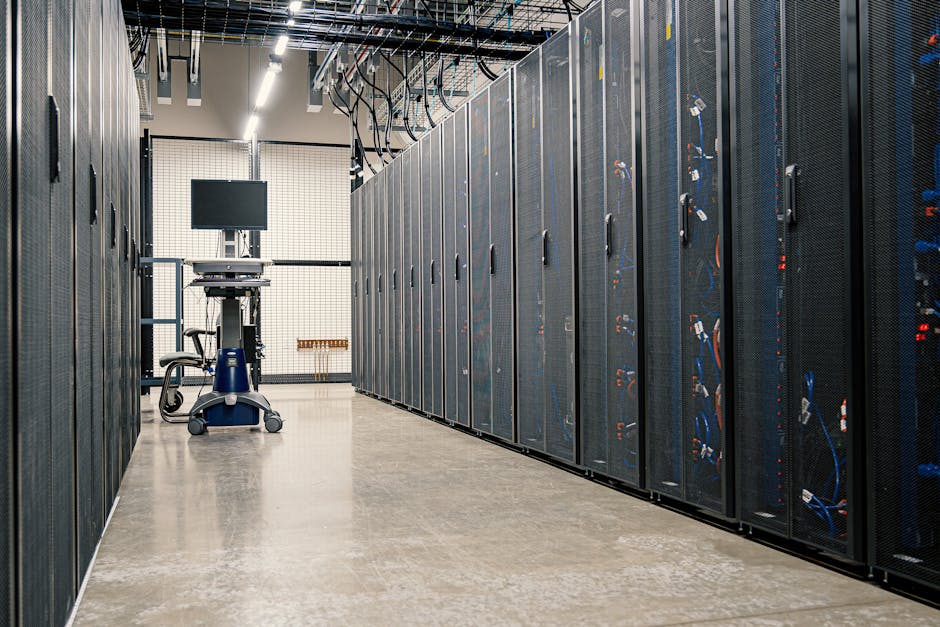
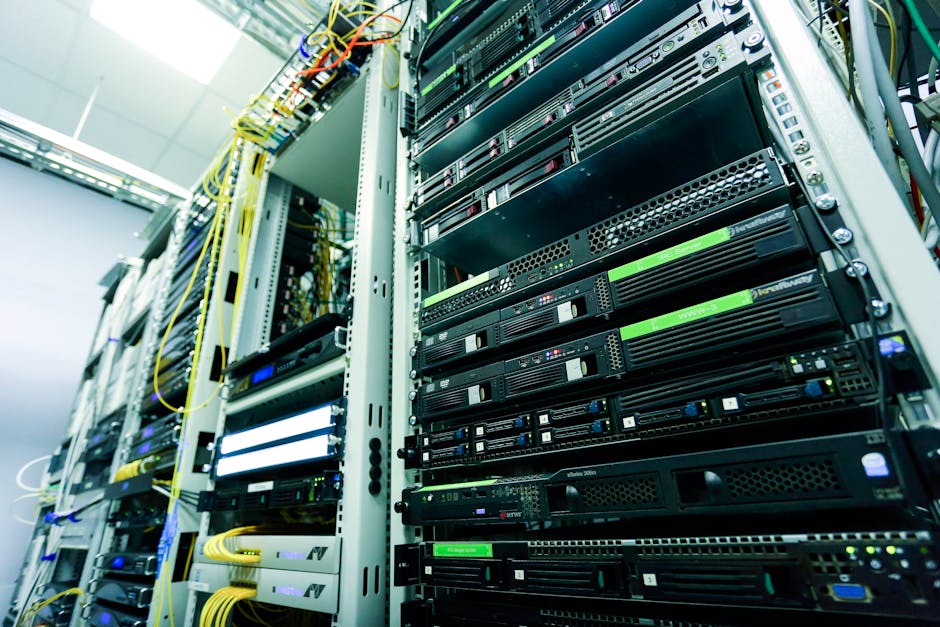
    quantum computing hardware 2026 IBM Google commercial data center

    ๐Ÿ“Š The Numbers Don’t Lie: Where Quantum Stands in 2026

    The global quantum computing market has crossed the $2.8 billion USD threshold in 2026, up from roughly $1.3 billion just two years ago. That’s not explosive โ€” it’s deliberate. The growth is concentrated in three sectors: financial modeling, pharmaceutical simulation, and logistics optimization. These aren’t hobbyist use cases; they’re industries where even a 3โ€“5% efficiency gain translates to hundreds of millions of dollars.

    Here’s what the technical landscape looks like right now:

    • Qubit counts: Leading systems from IBM (Condor-successor architecture), Google (Willow+), and newcomer QuEra Computing now operate reliably in the 1,000โ€“2,000 logical qubit range โ€” a massive leap from the noisy 50โ€“100 qubit systems of the early 2020s.
    • Error correction: The holy grail of fault-tolerant quantum computing is no longer purely theoretical. IBM’s 2025 roadmap delivered surface-code error correction at commercially viable thresholds, meaning results are now trustworthy enough for real business decisions.
    • Cloud access: AWS Braket, Azure Quantum, and IBM Quantum Network all offer pay-per-use quantum backends, making access genuinely democratized โ€” no need to buy a $15 million refrigerator.
    • Hybrid classical-quantum systems: Most real-world applications in 2026 aren’t purely quantum โ€” they’re hybrid pipelines where quantum processors handle specific subroutines while classical computers manage the rest. This is the pragmatic middle ground that’s actually shipping value.

    ๐ŸŒ Real-World Examples: Who’s Actually Using This?

    South Korea (domestic spotlight): SK Telecom and the Korea Institute of Science and Technology (KIST) launched a joint quantum-secured communication corridor between Seoul and Busan in early 2026. This isn’t theoretical โ€” it’s a live quantum key distribution (QKD) network protecting financial data transfers. Meanwhile, Samsung SDI has been quietly using quantum annealing (via D-Wave’s Advantage2 systems) to optimize battery material configurations for next-gen EV cells.

    United States: JPMorgan Chase published internal results in late 2025 showing that quantum-assisted Monte Carlo simulations for options pricing ran 40x faster than classical equivalents on equivalent problem sets. They’re not replacing their classical infrastructure โ€” they’re augmenting it. Lockheed Martin continues using quantum optimization for supply chain resilience modeling.

    Europe: Germany’s Fraunhofer Institute, backed by the โ‚ฌ2 billion European Quantum Flagship program, has deployed quantum systems in climate modeling. The UK’s Oxford Quantum Circuits (OQC) just signed commercial contracts with three NHS research hospitals for protein folding analysis โ€” directly competing with (and complementing) classical AI tools like AlphaFold.

    China: Origin Quantum’s Wuyuan 2.0 system, with 576 superconducting qubits, is now commercially available to domestic enterprises. China is notably investing in quantum communication infrastructure at a national-policy level, with dedicated quantum satellite networks expanding their QKD reach across East Asia.

    quantum computing applications pharmaceutical finance logistics 2026

    ๐Ÿค” The Honest Reality Check: What Quantum Can’t Do Yet

    Let’s be real โ€” because hype is the enemy of useful planning. In 2026, quantum computing is not going to:

    • Break RSA-2048 encryption (that’s estimated to require millions of stable logical qubits โ€” we’re not there)
    • Replace your data center’s GPU clusters for general AI training
    • Be something the average small business needs to budget for
    • Deliver universal speedups โ€” quantum advantage is problem-specific, not general

    The nuanced truth is that quantum computing in 2026 is like the internet in 1996 โ€” clearly transformative, already useful for specialists, but not yet something you restructure your entire life around. The organizations winning right now are those building quantum-ready workflows: understanding which of their bottleneck problems have quantum-suited structures (combinatorial optimization, simulation, sampling), and experimenting with cloud access before they need to scale.

    ๐Ÿ› ๏ธ Realistic Alternatives: What Should YOU Actually Do in 2026?

    Depending on who you are, here’s how to think about this practically:

    • If you’re an enterprise IT leader: Start a quantum literacy program internally. You don’t need quantum hardware โ€” you need people who can identify quantum-suitable problems in your pipeline. AWS and IBM both offer free quantum computing courses with cloud sandbox access.
    • If you’re in pharma, finance, or logistics: Run a proof-of-concept hybrid workflow on Azure Quantum or IBM Quantum Network. The cost of a 6-month experiment is trivial compared to the insight gained.
    • If you’re a developer: Learn Qiskit (IBM) or PennyLane (Xanadu). These are open-source quantum programming frameworks with active communities and cloud backends. Quantum software skills are genuinely scarce and valuable right now.
    • If you’re an investor or startup founder: The opportunity isn’t in building quantum hardware โ€” that’s a capital-intensive moat game. It’s in quantum software, error mitigation algorithms, and vertical-specific quantum applications.
    • If you’re just curious: IBM Quantum Experience still offers free access to real quantum processors. You can run actual quantum circuits from your browser today. It’s a genuinely mind-expanding 30 minutes.

    ๐Ÿ”ฎ Where Does This Go From Here?

    The trajectory through 2026 and beyond points toward quantum utility becoming routine in niche domains โ€” not a singular “quantum supremacy” moment, but a slow accumulation of cases where quantum is simply the better tool for a specific job. Think of it less like a moon landing and more like the gradual adoption of CRISPR in biology labs โ€” specialized, powerful, and increasingly embedded in professional workflows without most people noticing.

    The encryption story is worth watching closely, though. NIST finalized its post-quantum cryptography (PQC) standards in 2024, and 2026 is the year major enterprises are actively migrating. If your organization hasn’t started its PQC migration audit, that’s actually the most urgent quantum-related action item on your plate โ€” not because quantum will break your encryption tomorrow, but because migration takes years and the window to act comfortably is now.


    Editor’s Comment : What strikes me most about quantum computing in 2026 isn’t the raw technical achievement โ€” it’s the quiet normalization of access. The fact that a mid-sized biotech in Daejeon can spin up a quantum simulation job on a cloud API, the same way they’d spin up a virtual machine, is genuinely historic. We’re not in the quantum age yet โ€” but we’re unmistakably in the quantum ante-room. The smartest move isn’t to wait for full commercialization before paying attention. It’s to build quantum fluency now, at low cost, so you’re not scrambling to catch up when the door fully opens. And honestly? That’s kind of exciting.

    ํƒœ๊ทธ: [‘quantum computing 2026’, ‘quantum commercialization’, ‘IBM quantum’, ‘post-quantum cryptography’, ‘quantum cloud computing’, ‘quantum technology trends’, ‘enterprise quantum applications’]

  • ์–‘์ž์ปดํ“จํŒ… ์ƒ์šฉํ™” ํ˜„ํ™ฉ 2026: ๋“œ๋””์–ด ํ˜„์‹ค์ด ๋œ ๊ธฐ์ˆ , ์šฐ๋ฆฌ ์‚ถ์— ๋ฏธ์น˜๋Š” ์˜ํ–ฅ์€?

    ์–ผ๋งˆ ์ „ ์ง€์ธ ํ•œ ๋ช…์ด ์ด๋Ÿฐ ๋ง์„ ํ–ˆ์–ด์š”. “์–‘์ž์ปดํ“จํ„ฐ๊ฐ€ ์ƒ์šฉํ™”๋œ๋‹ค๊ณ  ๋‰ด์Šค์—์„œ ๋งจ๋‚  ๋– ๋“ค๋˜๋ฐ, ๋„๋Œ€์ฒด ๊ทธ๊ฒŒ ๋‚ด ์‚ถ์ด๋ž‘ ๋ฌด์Šจ ์ƒ๊ด€์ด์•ผ?” ์†”์งํžˆ ๊ณต๊ฐ์ด ๊ฐ”์Šต๋‹ˆ๋‹ค. ์ˆ˜๋…„๊ฐ„ ‘๊ณง ์˜จ๋‹ค, ๊ณง ์˜จ๋‹ค’๋ฅผ ๋ฐ˜๋ณตํ–ˆ๋˜ ์–‘์ž์ปดํ“จํŒ…์ด 2026๋…„ ํ˜„์žฌ, ๋“œ๋””์–ด ๋‹จ์ˆœํ•œ ์—ฐ๊ตฌ์‹ค ํ”„๋กœ์ ํŠธ๋ฅผ ๋„˜์–ด ์‹ค์ œ ์‚ฐ์—… ํ˜„์žฅ์— ์กฐ๊ธˆ์”ฉ ๋ฐœ์„ ๋“ค์—ฌ๋†“๊ธฐ ์‹œ์ž‘ํ–ˆ๊ฑฐ๋“ ์š”. ๊ทธ๋ ‡๋‹ค๊ณ  SF ์˜ํ™”์ฒ˜๋Ÿผ ๋ชจ๋“  ๊ฒŒ ํ•˜๋ฃจ์•„์นจ์— ๋ฐ”๋€ ๊ฑด ์•„๋‹ˆ์—์š”. ์˜คํžˆ๋ ค ‘์™„์ „ํ•œ ์ƒ์šฉํ™”’๋ณด๋‹ค๋Š” ‘์„ ํƒ์  ์‹ค์šฉํ™”’ ๋‹จ๊ณ„์— ๊ฐ€๊น๋‹ค๊ณ  ๋ณด๋Š” ๊ฒŒ ๋” ์ •ํ™•ํ•œ ๊ฒƒ ๊ฐ™์Šต๋‹ˆ๋‹ค. ์˜ค๋Š˜์€ ๊ทธ ํ˜„์‹ค์ ์ธ ์˜จ๋„๋ฅผ ํ•จ๊ป˜ ์งš์–ด๋ณผ๊ฒŒ์š”.

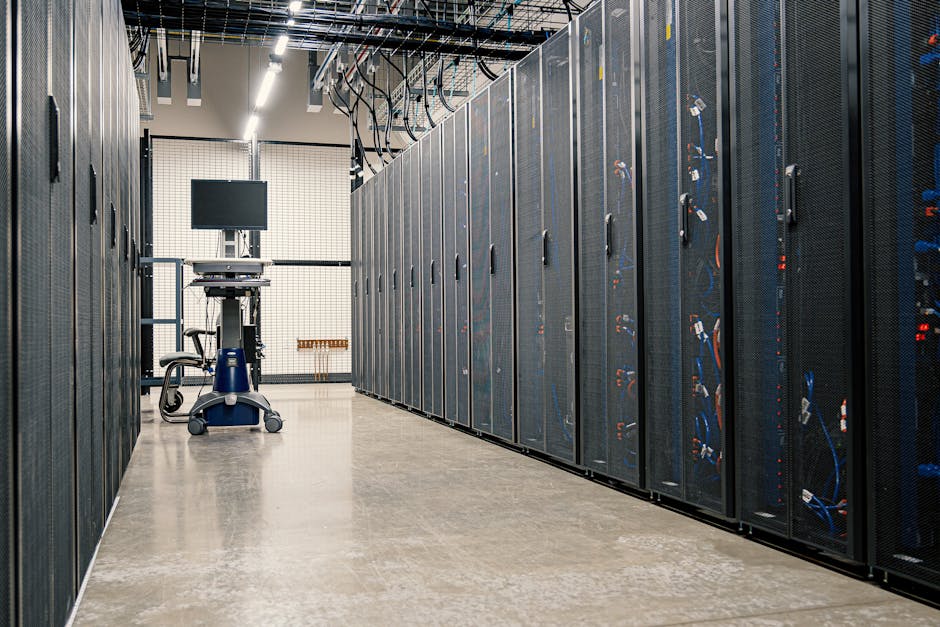
    quantum computing hardware data center 2026

    ๐Ÿ“Š ์ˆซ์ž๋กœ ๋ณด๋Š” ์–‘์ž์ปดํ“จํŒ… ์‹œ์žฅ ๊ทœ๋ชจ โ€” 2026๋…„ ํ˜„์žฌ

    ์‹œ์žฅ์กฐ์‚ฌ๊ธฐ๊ด€๋“ค์˜ ์ตœ๊ทผ ๋ฐ์ดํ„ฐ๋ฅผ ์ข…ํ•ฉํ•ด๋ณด๋ฉด, 2026๋…„ ๊ธ€๋กœ๋ฒŒ ์–‘์ž์ปดํ“จํŒ… ์‹œ์žฅ ๊ทœ๋ชจ๋Š” ์•ฝ 17~20์–ต ๋‹ฌ๋Ÿฌ(ํ•œํ™” ์•ฝ 2์กฐ 3์ฒœ์–ต~2์กฐ 7์ฒœ์–ต ์›) ์ˆ˜์ค€์œผ๋กœ ์ถ”์ •๋˜๊ณ  ์žˆ์–ด์š”. 2022๋…„ ๊ธฐ์ค€ ์•ฝ 5์–ต ๋‹ฌ๋Ÿฌ์— ๋ถˆ๊ณผํ–ˆ๋˜ ๊ฒƒ๊ณผ ๋น„๊ตํ•˜๋ฉด ๋ถˆ๊ณผ 4๋…„ ๋งŒ์— 3~4๋ฐฐ ์ด์ƒ ์„ฑ์žฅํ•œ ์…ˆ์ด์ฃ . ์—ฐํ‰๊ท  ์„ฑ์žฅ๋ฅ (CAGR)๋กœ ๋”ฐ์ง€๋ฉด 30~35% ์ˆ˜์ค€์œผ๋กœ, ๋™๊ธฐ๊ฐ„ AI ๋ฐ˜๋„์ฒด ์‹œ์žฅ ์„ฑ์žฅ๋ฅ ๊ณผ ๋น„๊ฒฌ๋  ๋งŒํ•œ ์ˆ˜์น˜๋ผ๊ณ  ๋ด…๋‹ˆ๋‹ค.

    ํ๋น„ํŠธ(Qubit) ์ˆ˜ ์ธก๋ฉด์—์„œ๋„ ์˜๋ฏธ ์žˆ๋Š” ๋ณ€ํ™”๊ฐ€ ์žˆ์–ด์š”. IBM์€ 2026๋…„ ์ดˆ ๊ธฐ์ค€ 1,000 ํ๋น„ํŠธ ์ด์ƒ์˜ ์‹œ์Šคํ…œ์„ ํด๋ผ์šฐ๋“œ ๊ธฐ๋ฐ˜์œผ๋กœ ์ผ๋ถ€ ๊ธฐ์—… ํŒŒํŠธ๋„ˆ์—๊ฒŒ ์ œ๊ณตํ•˜๊ณ  ์žˆ์œผ๋ฉฐ, Google DeepMind ํŒ€๊ณผ ํ˜‘๋ ฅํ•œ Willow ํ›„์† ์นฉ ํ”„๋กœ์ ํŠธ๋„ ์˜ค๋ฅ˜ ์ •์ •(Error Correction) ๋Šฅ๋ ฅ์„ ํฌ๊ฒŒ ๋Œ์–ด์˜ฌ๋ฆฐ ๊ฒƒ์œผ๋กœ ์•Œ๋ ค์ ธ ์žˆ์Šต๋‹ˆ๋‹ค. ๋‹ค๋งŒ ์—ฌ๊ธฐ์„œ ์ค‘์š”ํ•œ ํฌ์ธํŠธ๊ฐ€ ์žˆ์–ด์š”. ํ๋น„ํŠธ ์ˆ˜๊ฐ€ ๋งŽ๋‹ค๊ณ  ๊ณง๋ฐ”๋กœ ‘์‹ค์šฉ์ ์ธ ์ปดํ“จํ„ฐ’๊ฐ€ ๋˜๋Š” ๊ฑด ์•„๋‹ˆ์—์š”. ์˜ค๋ฅ˜์œจ(Error Rate)๊ณผ ํ๋น„ํŠธ ํ’ˆ์งˆ(Qubit Fidelity)์ด ํ•จ๊ป˜ ์˜ฌ๋ผ๊ฐ€์•ผ ๋น„๋กœ์†Œ ์‹ค์งˆ์ ์ธ ์—ฐ์‚ฐ์ด ๊ฐ€๋Šฅํ•˜๊ฑฐ๋“ ์š”. ์ด ๋‘ ๊ฐ€์ง€ ์ง€ํ‘œ๊ฐ€ ๋™๋ฐ˜ ๊ฐœ์„ ๋˜๊ณ  ์žˆ๋‹ค๋Š” ์ ์ด 2026๋…„์˜ ๊ฐ€์žฅ ํฐ ๋ณ€ํ™”๋ผ๊ณ  ํ•  ์ˆ˜ ์žˆ์„ ๊ฒƒ ๊ฐ™์Šต๋‹ˆ๋‹ค.

    ๐ŸŒ ๊ตญ๋‚ด์™ธ ์ฃผ์š” ์ƒ์šฉํ™” ์‚ฌ๋ก€ โ€” ์–ด๋””์„œ ์“ฐ์ด๊ณ  ์žˆ๋‚˜์š”?

    ํ•ด์™ธ ์‚ฌ๋ก€๋ถ€ํ„ฐ ๋ณผ๊ฒŒ์š”. ๊ธˆ์œต ๋ถ„์•ผ์—์„œ JP๋ชจ๊ฑด ์ฒด์ด์Šค๋Š” ์–‘์ž ์•Œ๊ณ ๋ฆฌ์ฆ˜์„ ํ™œ์šฉํ•œ ํฌํŠธํด๋ฆฌ์˜ค ์ตœ์ ํ™” ์‹œ๋ฎฌ๋ ˆ์ด์…˜์„ ์‹ค์ œ ๋‚ด๋ถ€ ๋ฆฌ์Šคํฌ ๊ด€๋ฆฌ ์—…๋ฌด์— ์ ์šฉํ•˜๊ณ  ์žˆ์–ด์š”. ์•„์ง ๊ธฐ์กด ์Šˆํผ์ปดํ“จํ„ฐ๋ฅผ ์™„์ „ํžˆ ๋Œ€์ฒดํ•˜๋Š” ๋‹จ๊ณ„๋Š” ์•„๋‹ˆ์ง€๋งŒ, ํŠน์ • ์ตœ์ ํ™” ์—ฐ์‚ฐ์—์„œ ์†๋„ ์šฐ์œ„๋ฅผ ํ™•์ธํ–ˆ๋‹ค๋Š” ์ ์—์„œ ์˜๋ฏธ๊ฐ€ ํฝ๋‹ˆ๋‹ค. ์ œ์•ฝยท๋ฐ”์ด์˜ค ๋ถ„์•ผ์—์„œ๋Š” Roche์™€ ๊ฐ™์€ ๊ธ€๋กœ๋ฒŒ ์ œ์•ฝ์‚ฌ๋“ค์ด ๋‹จ๋ฐฑ์งˆ ํด๋”ฉ ์‹œ๋ฎฌ๋ ˆ์ด์…˜์— ์–‘์ž์ปดํ“จํŒ…์„ ํ™œ์šฉํ•˜๊ธฐ ์‹œ์ž‘ํ–ˆ์–ด์š”. ์‹ ์•ฝ ๊ฐœ๋ฐœ ๊ธฐ๊ฐ„์„ ๋‹จ์ถ•ํ•  ์ˆ˜ ์žˆ๋‹ค๋Š” ๊ธฐ๋Œ€๊ฐ์ด ์ƒ๋‹นํžˆ ํ˜„์‹ค์ ์ธ ์ˆ˜์ค€์œผ๋กœ ๋‹ค๊ฐ€์˜ค๊ณ  ์žˆ์Šต๋‹ˆ๋‹ค.

    ๊ตญ๋‚ด ์‚ฌ๋ก€๋„ ์กฐ๊ธˆ์”ฉ ๊ฐ€์‹œํ™”๋˜๊ณ  ์žˆ์–ด์š”. ํ•œ๊ตญ๊ณผํ•™๊ธฐ์ˆ ์ •๋ณด์—ฐ๊ตฌ์›(KISTI)์€ ์–‘์ž์ปดํ“จํŒ… ํด๋ผ์šฐ๋“œ ์ ‘์† ํ™˜๊ฒฝ์„ ๊ตญ๋‚ด ์—ฐ๊ตฌ๊ธฐ๊ด€์— ์ œ๊ณตํ•˜๋Š” ์ธํ”„๋ผ๋ฅผ ํ™•๋Œ€ ์ค‘์ด๊ณ , SKT์™€ KT๋Š” ์–‘์ž ์•”ํ˜ธํ†ต์‹ (QKD, Quantum Key Distribution) ๊ธฐ์ˆ ์„ ๊ธฐ๋ฐ˜์œผ๋กœ ํ•œ ๋ณด์•ˆ ๋„คํŠธ์›Œํฌ ์„œ๋น„์Šค๋ฅผ ์ผ๋ถ€ ๊ณต๊ณต๊ธฐ๊ด€๊ณผ ๊ธˆ์œต๊ธฐ๊ด€์— ์‹œ๋ฒ” ์ ์šฉํ•˜๊ณ  ์žˆ์Šต๋‹ˆ๋‹ค. ์‚ผ์„ฑ์ „์ž์™€ LG์ „์ž ์—ญ์‹œ ๋ฐ˜๋„์ฒด ์„ค๊ณ„ ์ตœ์ ํ™”์— ์–‘์ž ์‹œ๋ฎฌ๋ ˆ์ด์…˜ ๊ธฐ์ˆ ์„ ๋‚ด๋ถ€์ ์œผ๋กœ ์—ฐ๊ตฌยท์ ์šฉํ•˜๋Š” ๋‹จ๊ณ„๋ผ๊ณ  ์•Œ๋ ค์ ธ ์žˆ์–ด์š”.

    quantum cryptography network Korea technology

    ๐Ÿ” ํ˜„์‹ค์ ์œผ๋กœ ์ง€๊ธˆ ์–‘์ž์ปดํ“จํŒ…์ด ‘์ž˜ ๋˜๋Š” ๊ฒƒ’๊ณผ ‘์•„์ง ์•ˆ ๋˜๋Š” ๊ฒƒ’

    ๊ณผ์žฅ๋œ ๊ธฐ๋Œ€์™€ ์ง€๋‚˜์นœ ํšŒ์˜๋ก  ์‚ฌ์ด์—์„œ ๊ท ํ˜•์„ ์žก์œผ๋ ค๋ฉด, ์ง€๊ธˆ ๊ธฐ์ˆ ์ด ์–ด๋””๊นŒ์ง€ ์™”๋Š”์ง€๋ฅผ ๋ƒ‰์ •ํ•˜๊ฒŒ ๋“ค์—ฌ๋‹ค๋ณผ ํ•„์š”๊ฐ€ ์žˆ๋‹ค๊ณ  ๋ด์š”.

    • โœ… ์ง€๊ธˆ ์ž˜ ๋˜๋Š” ๊ฒƒ: ํŠน์ • ์กฐํ•ฉ ์ตœ์ ํ™” ๋ฌธ์ œ(๋ฌผ๋ฅ˜ ๊ฒฝ๋กœ, ๊ธˆ์œต ํฌํŠธํด๋ฆฌ์˜ค), ์–‘์ž ์‹œ๋ฎฌ๋ ˆ์ด์…˜(๋ถ„์žยท์†Œ์žฌ ๋ชจ๋ธ๋ง), ์–‘์ž ์•”ํ˜ธยท๋ณด์•ˆ ํ†ต์‹ (QKD ๊ธฐ๋ฐ˜ ๋„คํŠธ์›Œํฌ)
    • โœ… ๋น ๋ฅด๊ฒŒ ๋ฐœ์ „ ์ค‘์ธ ๊ฒƒ: ์˜ค๋ฅ˜ ์ •์ • ๊ธฐ์ˆ (Fault-Tolerant Quantum Computing), ํด๋ผ์šฐ๋“œ ๊ธฐ๋ฐ˜ ์–‘์ž์ปดํ“จํ„ฐ ์ ‘๊ทผ์„ฑ(IBM Quantum, AWS Braket, Azure Quantum ๋“ฑ)
    • โš ๏ธ ์•„์ง ๊ณผ์ œ๋กœ ๋‚จ์€ ๊ฒƒ: ์ƒ์˜จ์—์„œ์˜ ์•ˆ์ •์  ํ๋น„ํŠธ ์šด์˜(ํ˜„์žฌ ๋Œ€๋ถ€๋ถ„ ๊ทน์ €์˜จ ํ™˜๊ฒฝ ํ•„์š”), ๋ฒ”์šฉ์  ์–‘์ž ์šฐ์œ„(Quantum Advantage) ์ž…์ฆ, ์–‘์ž ์†Œํ”„ํŠธ์›จ์–ด ์ƒํƒœ๊ณ„ ์„ฑ์ˆ™๋„
    • โŒ ์•„์ง ๋จผ ์ด์•ผ๊ธฐ: ๋น„ํŠธ์ฝ”์ธ ๋“ฑ ํ˜„์žฌ ์•”ํ˜ธํ™” ์ฒด๊ณ„์˜ ์ฆ‰๊ฐ์  ๋ถ•๊ดด(๋งŽ์€ ๋ฏธ๋””์–ด๊ฐ€ ๊ณผ์žฅํ•˜๋Š” ๋ถ€๋ถ„์ด์—์š”), ์ผ๋ฐ˜ ์†Œ๋น„์ž์šฉ ์–‘์ž PC

    ๐Ÿ’ก ๊ทธ๋ ‡๋‹ค๋ฉด ์šฐ๋ฆฌ๋Š” ์–ด๋–ป๊ฒŒ ์ค€๋น„ํ•ด์•ผ ํ• ๊นŒ์š”?

    ์ผ๋ฐ˜ ์†Œ๋น„์ž ์ž…์žฅ์—์„œ ๋‹น์žฅ ์–‘์ž์ปดํ“จํ„ฐ๋ฅผ ๊ตฌ๋งคํ•˜๊ฑฐ๋‚˜ ์‚ฌ์šฉํ•  ์ผ์€ ์—†๊ฒ ์ง€๋งŒ, ๊ฐ„์ ‘์ ์ธ ์˜ํ–ฅ์€ ์ด๋ฏธ ์‹œ์ž‘๋˜๊ณ  ์žˆ๋‹ค๊ณ  ๋ด์š”. ํŠนํžˆ ๋ฐ์ดํ„ฐ ๋ณด์•ˆ ์˜์—ญ์—์„œ ๊ทธ๋ ‡์Šต๋‹ˆ๋‹ค. ๋ฏธ๊ตญ NIST๋Š” 2024๋…„์— ์ด๋ฏธ ์–‘์ž ๋‚ด์„ฑ ์•”ํ˜ธ(Post-Quantum Cryptography, PQC) ํ‘œ์ค€์„ ๋ฐœํ‘œํ–ˆ๊ณ , ๊ตญ๋‚ด ๊ธˆ์œต๊ถŒ๊ณผ ๊ณต๊ณต๊ธฐ๊ด€๋„ ์ด ํ‘œ์ค€ ์ ์šฉ์„ ์ค€๋น„ํ•˜๋Š” ๋‹จ๊ณ„์˜ˆ์š”. ์ฆ‰, ์—ฌ๋Ÿฌ๋ถ„์ด ์‚ฌ์šฉํ•˜๋Š” ์ธํ„ฐ๋„ท ๋ฑ…ํ‚น์ด๋‚˜ ๊ณต๊ณต ์ธ์ฆ ์„œ๋น„์Šค์˜ ๋ณด์•ˆ ์ฒด๊ณ„๊ฐ€ ์•ž์œผ๋กœ 2~3๋…„ ์•ˆ์— PQC ๊ธฐ๋ฐ˜์œผ๋กœ ์ „ํ™˜๋  ๊ฐ€๋Šฅ์„ฑ์ด ๋†’์Šต๋‹ˆ๋‹ค.

    IT ์ง๊ตฐ์ด๋‚˜ ์Šคํƒ€ํŠธ์—… ์ฐฝ์—…์„ ๊ณ ๋ ค ์ค‘์ด๋ผ๋ฉด, ์ง€๊ธˆ์ด ์–‘์ž์ปดํ“จํŒ… ๊ด€๋ จ ์ƒํƒœ๊ณ„๋ฅผ ๊ณต๋ถ€ํ•ด๋‘๊ธฐ์— ์ ์ ˆํ•œ ํƒ€์ด๋ฐ์ด๋ผ๊ณ  ์ƒ๊ฐํ•ด์š”. IBM Quantum์ด๋‚˜ AWS Braket์€ ๋ฌด๋ฃŒ ์ฒดํ—˜ ํ”Œ๋žœ์„ ์ œ๊ณตํ•˜๊ณ  ์žˆ๊ณ , Qiskit ๊ฐ™์€ ์˜คํ”ˆ์†Œ์Šค ํ”„๋ ˆ์ž„์›Œํฌ๋กœ ์ž…๋ฌธํ•˜๋Š” ๊ฒƒ๋„ ์ข‹์€ ๋ฐฉ๋ฒ•์ž…๋‹ˆ๋‹ค.


    ์—๋””ํ„ฐ ์ฝ”๋ฉ˜ํŠธ : ์–‘์ž์ปดํ“จํŒ…์€ ‘๋ฏธ๋ž˜ ๊ธฐ์ˆ ’์ด๋ผ๋Š” ํ”„๋ ˆ์ž„์—์„œ ๋ฒ—์–ด๋‚˜ ์ง€๊ธˆ ๋ง‰ ‘ํ˜„์žฌ ์ง„ํ–‰ํ˜• ๊ธฐ์ˆ ’๋กœ ์ „ํ™˜๋˜๋Š” ๋ณ€๊ณก์ ์— ์žˆ๋Š” ๊ฒƒ ๊ฐ™์•„์š”. ์•„์ง ๋ชจ๋“  ๊ฒƒ์ด ์ค€๋น„๋œ ๊ฑด ์•„๋‹ˆ์ง€๋งŒ, ํŠน์ • ์‚ฐ์—…๊ณผ ๋ณด์•ˆ ์ธํ”„๋ผ ์˜์—ญ์—์„œ๋Š” ๋ถ„๋ช… ์‹ค์งˆ์ ์ธ ๋ณ€ํ™”๊ฐ€ ์ผ์–ด๋‚˜๊ณ  ์žˆ์Šต๋‹ˆ๋‹ค. ์ง€๊ธˆ ๋‹น์žฅ ์ „๋ฌธ๊ฐ€๊ฐ€ ๋  ํ•„์š”๋Š” ์—†์ง€๋งŒ, ์ ์–ด๋„ ์ด ๊ธฐ์ˆ ์ด ์–ด๋””์„œ ์–ด๋–ป๊ฒŒ ์šฐ๋ฆฌ ์ƒํ™œ์— ์Šค๋ฉฐ๋“ค๊ณ  ์žˆ๋Š”์ง€ ๋ˆˆ์—ฌ๊ฒจ๋ณด๋Š” ๊ฒƒ๋งŒ์œผ๋กœ๋„ ์ถฉ๋ถ„ํ•œ ์ค€๋น„๊ฐ€ ๋  ๊ฑฐ๋ผ๊ณ  ๋ด…๋‹ˆ๋‹ค. ๊ธฐ์ˆ ์ด ๋น ๋ฅด๊ฒŒ ์›€์ง์ด๋Š” ์‹œ๋Œ€์ผ์ˆ˜๋ก, ํฐ ๊ทธ๋ฆผ์„ ์ฝ๋Š” ๋ˆˆ์ด ์ •๋ง ์ค‘์š”ํ•˜๋‹ˆ๊นŒ์š”. ๐Ÿ”ญ

    ํƒœ๊ทธ: [‘์–‘์ž์ปดํ“จํŒ…’, ‘์–‘์ž์ปดํ“จํŒ…์ƒ์šฉํ™”2026’, ‘์–‘์ž์ปดํ“จํ„ฐํ˜„ํ™ฉ’, ‘ํฌ์ŠคํŠธ์–‘์ž์•”ํ˜ธํ™”’, ‘IBM์–‘์ž์ปดํ“จํ„ฐ’, ‘์–‘์ž๊ธฐ์ˆ ํŠธ๋ Œ๋“œ’, ‘๋ฏธ๋ž˜๊ธฐ์ˆ 2026’]

  • Spatial Computing & XR Tech: How Businesses Are Really Adopting It in 2026 (And What’s Actually Working)

    Picture this: a senior engineer at a manufacturing plant in Stuttgart straps on a mixed reality headset, and within seconds, she’s looking at a live digital overlay of the hydraulic system she needs to repair โ€” torque specs, failure history, and step-by-step guidance all floating in mid-air above the actual machine. No paper manual. No waiting for a specialist to fly in. Just her, the machine, and spatial computing doing the heavy lifting.

    That scene isn’t science fiction anymore. It happened at a Bosch facility earlier this year, and it’s becoming the new baseline for what enterprise XR (Extended Reality) looks like in 2026. But here’s the thing โ€” while the headlines are full of flashy demos and billion-dollar market projections, the actual story of how companies are really adopting spatial computing is far more nuanced, sometimes messy, and honestly a lot more interesting. Let’s dig in together.

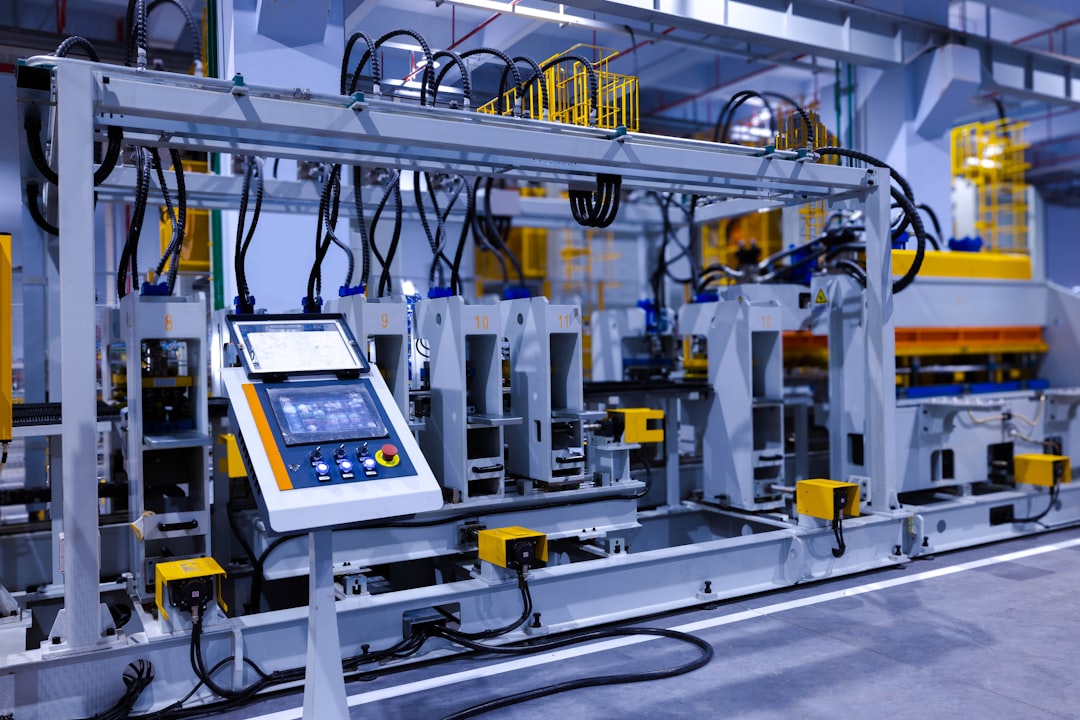
    spatial computing enterprise XR headset worker industrial 2026

    ๐Ÿ“Š The Numbers Behind the Buzz: Where the Market Actually Stands

    Let’s ground ourselves in some real data before we get swept up in the hype cycle. According to IDC’s Q1 2026 Enterprise Immersive Technology Report, global enterprise XR spending reached $42.7 billion in 2025, with projections putting it at $68 billion by end of 2026 โ€” a growth rate of roughly 59% year-over-year. That’s not slow, gradual adoption. That’s a sprint.

    But here’s what those top-line numbers hide: the growth isn’t evenly distributed. When you break it down by sector, three industries are doing the overwhelming majority of the heavy lifting:

    • Manufacturing & Industrial Maintenance: Accounting for 34% of enterprise XR deployment globally, this sector has embraced AR-guided repair and assembly workflows faster than almost anyone predicted. The ROI case is just too clean โ€” fewer errors, faster training, reduced downtime.
    • Healthcare & Medical Training: At 22% of market share, hospitals and medical schools are using VR surgical simulation and XR-assisted diagnostics at scale. The Cleveland Clinic’s partnership with Microsoft Mesh in early 2026 set a new benchmark for collaborative remote surgery planning.
    • Retail & Real Estate: Together representing about 18%, these sectors are using spatial commerce โ€” think virtual product placement and immersive property tours โ€” to reduce return rates and accelerate purchase decisions.
    • Education & Corporate Training: The remaining significant chunk, where VR onboarding is actively replacing traditional classroom formats at companies like Walmart (yes, still going strong) and Samsung SDI.

    What’s fascinating is that small and mid-sized businesses (SMBs) are now entering the picture in meaningful numbers. As hardware costs have dropped โ€” the average enterprise-grade XR headset now runs between $800โ€“$1,500 compared to $3,500+ in 2022 โ€” the barrier to entry has genuinely lowered.

    ๐ŸŒ Real-World Case Studies: Who’s Getting It Right (And Why)

    Rather than rattle off a generic list, let’s look at a few case studies that actually tell us something useful about adoption patterns.

    ๐Ÿ‡ฉ๐Ÿ‡ช Siemens Energy โ€” Germany: Siemens rolled out an XR-based turbine maintenance program across 14 global facilities in 2025. Using a custom-built spatial computing platform on top of the Apple Vision Pro ecosystem, technicians reduced average repair time by 31% and cut training time for new hires from 6 months to 11 weeks. The key insight here? They didn’t just buy hardware โ€” they spent 8 months building proprietary spatial content libraries first. The tech was almost secondary to the content strategy.

    ๐Ÿ‡ฐ๐Ÿ‡ท Samsung Display โ€” South Korea: This one is close to home for many of my Korean readers. Samsung Display implemented XR quality inspection systems at their Asan campus, using AI-integrated AR overlays to flag micro-defects in OLED panel production. The result: a 19% improvement in defect detection rates in the first quarter alone. What makes this case notable is how tightly XR was integrated with existing MES (Manufacturing Execution Systems) โ€” it wasn’t bolted on, it was woven in.

    ๐Ÿ‡บ๐Ÿ‡ธ Accenture Federal Services โ€” USA: On the service and consulting side, Accenture deployed spatial computing collaboration rooms for their government clients, allowing multi-location teams to co-design policy frameworks and infrastructure plans inside shared virtual environments. They reported a 40% reduction in project iteration cycles. The unexpected benefit? Junior staffers felt more empowered to contribute in spatial environments than in traditional video calls โ€” a fascinating organizational psychology finding.

    ๐Ÿ‡ฏ๐Ÿ‡ต Shimizu Corporation โ€” Japan: One of Japan’s largest construction firms is using XR for Building Information Modeling (BIM) visualization on-site. Workers can see beneath floors and behind walls using AR overlays anchored to GPS coordinates. Shimizu reported a 27% reduction in rework costs on their 2025 projects. In a country facing a severe construction labor shortage, this kind of efficiency multiplier is strategically critical.

    XR augmented reality construction architecture digital overlay building site

    โš ๏ธ The Honest Challenges Nobody Talks About Enough

    Okay, now let’s have a real conversation about what’s slowing things down โ€” because it’s not what most vendor marketing will tell you.

    • Content creation bottleneck: Building high-quality 3D spatial content is expensive and slow. Companies that buy headsets and then discover they have no compelling content to run on them is still the #1 failure mode in 2026.
    • Interoperability nightmares: Apple’s visionOS ecosystem, Meta’s Horizon OS, and Microsoft’s Mesh platform still don’t play nicely together. IT departments are pulling their hair out over fragmented workflows.
    • User fatigue and ergonomics: Extended use of current-generation headsets still causes discomfort after 45โ€“90 minutes. For industrial applications requiring 4โ€“6 hour shifts, this is a genuine physiological constraint, not a preference issue.
    • Data security in spatial environments: When your XR system is capturing real-time spatial maps of a factory floor or a hospital, the cybersecurity implications are enormous. Regulations in the EU (under the updated Digital Services Act spatial addendum) and in South Korea (under the revised Personal Information Protection Act) are still catching up to the technology.
    • Change management resistance: Perhaps the most underrated challenge โ€” getting a 55-year-old floor supervisor to trust a headset over his 30 years of instinct. This is a human problem, not a tech problem, and it requires patient, respectful change management strategies.

    ๐Ÿ”ฎ Realistic Alternatives & Entry Points for Businesses Not Yet Ready for Full XR

    Here’s where I want to be genuinely useful rather than just enthusiastic. Not every business needs to go all-in on spatial computing right now. Let’s think through some realistic on-ramps:

    Option 1 โ€” Start with AR on smartphones (WebAR): If you’re a retailer or real estate agency, WebAR (Augmented Reality delivered through a mobile browser without an app download) is mature, affordable, and consumer-friendly in 2026. Tools like 8th Wall and Niantic’s Lightship platform let you launch product visualization experiences for as little as $500โ€“$2,000/month. This is your lowest-risk entry point.

    Option 2 โ€” Pilot with a single use case, not a platform: Instead of buying 50 headsets and rolling out company-wide, identify ONE workflow that costs you real money โ€” could be onboarding, could be a specific repair procedure โ€” and run a 90-day pilot with 10 users. Measure hard outcomes: time saved, error rate reduction, user satisfaction. Let the data make the case for expansion.

    Option 3 โ€” Leverage SaaS-based XR platforms: Companies like Scope AR, Taqtile, and Korea’s XRspace offer subscription-based XR platforms that dramatically reduce the content creation burden. You’re essentially renting a proven system and customizing it, rather than building from scratch.

    Option 4 โ€” Join an industry consortium pilot: In South Korea, the Ministry of Science and ICT has been funding XR adoption pilots for SMBs through the Korea XR Industry Association (KXRIA) throughout 2025โ€“2026. Similar programs exist through the EU’s Digital Innovation Hubs. These subsidized pilots are a brilliant way to learn on someone else’s dime.

    Option 5 โ€” Invest in spatial literacy first: Before buying a single piece of hardware, spend 3 months getting your team comfortable with 3D design tools, spatial thinking frameworks, and XR content strategy. The technology will keep evolving; the organizational capability you build is durable.

    The companies winning at spatial computing in 2026 aren’t necessarily the ones with the biggest XR budgets. They’re the ones who thought clearly about the problem they were solving before they ever opened a box. The technology, impressive as it is, remains a means to an end โ€” and keeping that perspective is what separates the organizations getting genuine ROI from those with very expensive paperweights gathering dust in a server room.

    Editor’s Comment : If there’s one thing I’d want you to walk away with, it’s this โ€” spatial computing is real, it’s here, and it’s genuinely transforming how work gets done across industries. But it rewards the thoughtful adopter, not the impulsive one. Whether you’re a Fortune 500 CTO or a small business owner curious about AR for your storefront, the smartest move in 2026 is to pick one specific, measurable pain point, run a tight pilot, and let the results guide your next step. The spatial future is being built incrementally, one good use case at a time.

    ํƒœ๊ทธ: [‘spatial computing 2026’, ‘enterprise XR adoption’, ‘augmented reality business’, ‘mixed reality trends’, ‘XR technology ROI’, ‘extended reality industry’, ‘spatial computing use cases’]

  • 2026๋…„ ๊ณต๊ฐ„์ปดํ“จํŒ… XR ๊ธฐ์ˆ , ๊ธฐ์—… ๋„์ž… ํŠธ๋ Œ๋“œ ์™„์ „ ๋ถ„์„ โ€” ์™œ ์ง€๊ธˆ ์ด ๊ธฐ์ˆ ์ธ๊ฐ€?

    ์–ผ๋งˆ ์ „ ์ง€์ธ์ด ๋‹ค๋‹ˆ๋Š” ์ œ์กฐ์—… ํšŒ์‚ฌ์—์„œ ํฅ๋ฏธ๋กœ์šด ์ด์•ผ๊ธฐ๋ฅผ ๋“ค์—ˆ์–ด์š”. ์‹ ์ž… ์ง์› ํ˜„์žฅ ๊ต์œก์„ ๋” ์ด์ƒ ์‹ค์ œ ๊ณต์žฅ ๋ผ์ธ์—์„œ ํ•˜์ง€ ์•Š๋Š”๋‹ค๋Š” ๊ฑฐ์˜€์–ด์š”. ๋Œ€์‹  XR ํ—ค๋“œ์…‹์„ ์“ฐ๊ณ  ๊ฐ€์ƒ์˜ ์ƒ์‚ฐ ๋ผ์ธ ์œ„์—์„œ ์ˆ˜์‹ญ ๋ฒˆ ์‹œ๋ฎฌ๋ ˆ์ด์…˜์„ ๋ฐ˜๋ณตํ•œ ๋’ค ์‹ค์ œ ํ˜„์žฅ์— ํˆฌ์ž…๋œ๋‹ค๊ณ  ํ•˜๋”๋ผ๊ณ ์š”. ์ฒ˜์Œ์—” ‘๊ทธ๊ฒŒ ์‹คํšจ์„ฑ์ด ์žˆ์„๊นŒ?’ ์‹ถ์—ˆ๋Š”๋ฐ, ๊ต์œก ์‹œ๊ฐ„์ด ๊ธฐ์กด ๋Œ€๋น„ 40% ์ค„์—ˆ๊ณ  ์ดˆ๊ธฐ ์‹ค์ˆ˜์œจ๋„ ๋ˆˆ์— ๋„๊ฒŒ ๋‚ฎ์•„์กŒ๋‹ค๋Š” ์–˜๊ธธ ๋“ฃ๊ณ  ๋‚˜์„œ ์ƒ๊ฐ์ด ๋ฐ”๋€Œ์—ˆ์Šต๋‹ˆ๋‹ค. ๊ณต๊ฐ„์ปดํ“จํŒ…(Spatial Computing)๊ณผ XR(Extended Reality) ๊ธฐ์ˆ ์ด ์ด์ œ SF ์˜ํ™” ์† ์ด์•ผ๊ธฐ๊ฐ€ ์•„๋‹ˆ๋ผ, ์•„์ฃผ ์กฐ์šฉํ•˜๊ณ  ์‹ค์งˆ์ ์ธ ๋ฐฉ์‹์œผ๋กœ ๊ธฐ์—… ํ˜„์žฅ ๊นŠ์ˆ™์ด ์นจํˆฌํ•˜๊ณ  ์žˆ๋‹ค๋Š” ๊ฑธ ์‹ค๊ฐํ•˜๋Š” ์ˆœ๊ฐ„์ด์—ˆ์–ด์š”.

    2026๋…„ ํ˜„์žฌ, ์ด ํ๋ฆ„์€ ๋‹จ์ˆœํ•œ ‘ํŒŒ์ผ๋Ÿฟ ํ…Œ์ŠคํŠธ’ ๋‹จ๊ณ„๋ฅผ ํ›Œ์ฉ ๋„˜์–ด์„ฐ์Šต๋‹ˆ๋‹ค. ์˜ค๋Š˜์€ ๊ทธ ๊ตฌ์ฒด์ ์ธ ์ˆ˜์น˜์™€ ์‚ฌ๋ก€๋“ค์„ ํ•จ๊ป˜ ๋“ค์—ฌ๋‹ค๋ณด๋ฉด์„œ, ์šฐ๋ฆฌ๊ฐ€ ์ด ํŠธ๋ Œ๋“œ๋ฅผ ์–ด๋–ป๊ฒŒ ์ฝ์–ด์•ผ ํ• ์ง€ ๊ฐ™์ด ๊ณ ๋ฏผํ•ด ๋ณด๋ ค ํ•ฉ๋‹ˆ๋‹ค.

    spatial computing XR enterprise technology office immersive

    ๐Ÿ“Š ์ˆซ์ž๋กœ ๋ณด๋Š” XR ๊ธฐ์—… ๋„์ž… ํ˜„ํ™ฉ โ€” 2026๋…„ ์‹œ์žฅ์€ ์–ด๋””์ฏค ์™€ ์žˆ๋‚˜?

    ๊ธ€๋กœ๋ฒŒ ์‹œ์žฅ์กฐ์‚ฌ ๊ธฐ๊ด€๋“ค์˜ ์ตœ์‹  ์ง‘๊ณ„๋ฅผ ์ข…ํ•ฉํ•ด ๋ณด๋ฉด, 2026๋…„ ๊ธฐ์ค€ ์ „ ์„ธ๊ณ„ ๊ธฐ์—…์šฉ XR ์‹œ์žฅ ๊ทœ๋ชจ๋Š” ์•ฝ 1,200์–ต ๋‹ฌ๋Ÿฌ(ํ•œํ™” ์•ฝ 160์กฐ ์›) ์ˆ˜์ค€์— ๋„๋‹ฌํ•œ ๊ฒƒ์œผ๋กœ ์ถ”์ •๋ฉ๋‹ˆ๋‹ค. 2023๋…„ ๋Œ€๋น„ ์—ฐํ‰๊ท  ์„ฑ์žฅ๋ฅ (CAGR)์ด ์•ฝ 27%์— ๋‹ฌํ•œ๋‹ค๋Š” ์ ์—์„œ, ์ด ์‹œ์žฅ์ด ์–ผ๋งˆ๋‚˜ ๋น ๋ฅด๊ฒŒ ํŒฝ์ฐฝํ•˜๊ณ  ์žˆ๋Š”์ง€ ์ฒด๊ฐํ•  ์ˆ˜ ์žˆ์–ด์š”.

    ํŠนํžˆ ๋ˆˆ์—ฌ๊ฒจ๋ณผ ์ง€ํ‘œ๋Š” ‘๋„์ž… ์‚ฐ์—…์˜ ๋‹ค์–‘ํ™”’๋ผ๊ณ  ๋ด…๋‹ˆ๋‹ค. ๊ณผ๊ฑฐ์—๋Š” ๊ฒŒ์ž„ยท์—”ํ„ฐํ…Œ์ธ๋จผํŠธ ์ค‘์‹ฌ์ด์—ˆ๋‹ค๋ฉด, 2026๋…„ ๊ธฐ์ค€ ๊ธฐ์—…์šฉ XR ๋„์ž… ์‚ฐ์—… ๋ถ„ํฌ๋Š” ๋Œ€๋žต ๋‹ค์Œ๊ณผ ๊ฐ™์ด ๋ถ„์„๋ฉ๋‹ˆ๋‹ค:

    • ์ œ์กฐยท์‚ฐ์—… ํ˜„์žฅ โ€” ์•ฝ 28% ์ ์œ . ์›๊ฒฉ ์žฅ๋น„ ์ ๊ฒ€, ์กฐ๋ฆฝ ๊ฐ€์ด๋“œ, ์•ˆ์ „ ๊ต์œก์— ๊ฐ€์žฅ ์ ๊ทน์ ์œผ๋กœ ํ™œ์šฉ ์ค‘
    • ์˜๋ฃŒยทํ—ฌ์Šค์ผ€์–ด โ€” ์•ฝ 21%. ์ˆ˜์ˆ  ์‹œ๋ฎฌ๋ ˆ์ด์…˜, ์˜๋Œ€์ƒ ํ•ด๋ถ€ ์‹ค์Šต, ์žฌํ™œ ์น˜๋ฃŒ ํ”„๋กœ๊ทธ๋žจ์— ๋„์ž… ๊ฐ€์†ํ™”
    • ์œ ํ†ตยท๋ฆฌํ…Œ์ผ โ€” ์•ฝ 17%. ๊ฐ€์ƒ ํ”ผํŒ…๋ฃธ, ๋งค์žฅ ๋ ˆ์ด์•„์›ƒ ์‹œ๋ฎฌ๋ ˆ์ด์…˜, ์ง์› ์„œ๋น„์Šค ๊ต์œก
    • ๊ฑด์ถ•ยท๋ถ€๋™์‚ฐ โ€” ์•ฝ 14%. ์„ค๊ณ„ ๋‹จ๊ณ„ ๊ณต๊ฐ„ ์‹œ๊ฐํ™”, ๊ณ ๊ฐ ๋Œ€์ƒ ๊ฐ€์ƒ ๋ชจ๋ธํ•˜์šฐ์Šค ํˆฌ์–ด
    • ๊ต์œกยท๊ธฐ์—… ํŠธ๋ ˆ์ด๋‹ โ€” ์•ฝ 13%. ๋ชฐ์ž…ํ˜• ํ•™์Šต ์ฝ˜ํ…์ธ , ๋ฆฌ๋”์‹ญ ํ›ˆ๋ จ, ๊ณ ์œ„ํ—˜ ํ™˜๊ฒฝ ์‹œ๋ฎฌ๋ ˆ์ด์…˜
    • ๊ธฐํƒ€(๊ตญ๋ฐฉยทํ•ญ๊ณต ๋“ฑ) โ€” ๋‚˜๋จธ์ง€ 7%

    ๋˜ํ•œ ๊ธฐ์—… ๊ทœ๋ชจ๋ณ„๋กœ ๋ณด๋ฉด, ์ค‘๊ฒฌยท์ค‘์†Œ๊ธฐ์—…์˜ XR ๋„์ž…๋ฅ ์ด 2024๋…„ ๋Œ€๋น„ ์•ฝ 2๋ฐฐ ์ด์ƒ ์ฆ๊ฐ€ํ–ˆ๋‹ค๋Š” ์ ๋„ ์ฃผ๋ชฉํ•  ๋งŒํ•ฉ๋‹ˆ๋‹ค. ์ด๋Š” ํ•˜๋“œ์›จ์–ด ๊ฐ€๊ฒฉ ํ•˜๋ฝ(์Šคํƒ ๋“œ์–ผ๋ก  XR ํ—ค๋“œ์…‹์˜ ํ‰๊ท  ๊ธฐ์—…์šฉ ๋‹จ๊ฐ€๊ฐ€ 2026๋…„ ๊ธฐ์ค€ ์•ฝ 900~1,500๋‹ฌ๋Ÿฌ ์ˆ˜์ค€์œผ๋กœ ๋‚ฎ์•„์ง)๊ณผ ํด๋ผ์šฐ๋“œ ๊ธฐ๋ฐ˜ XR ํ”Œ๋žซํผ์˜ SaaS ๋ชจ๋ธ ํ™•์‚ฐ์ด ๋งž๋ฌผ๋ฆฐ ๊ฒฐ๊ณผ๋ผ๊ณ  ๋ณผ ์ˆ˜ ์žˆ์–ด์š”.

    ๐ŸŒ ๊ตญ๋‚ด์™ธ ๊ธฐ์—… ๋„์ž… ์‚ฌ๋ก€ โ€” ์‹ค์ œ๋กœ ์–ด๋–ป๊ฒŒ ์“ฐ์ด๊ณ  ์žˆ๋‚˜?

    [ํ•ด์™ธ ์‚ฌ๋ก€]

    ์• ํ”Œ์ด 2023๋…„ ๋ง Vision Pro๋ฅผ ์ถœ์‹œํ•œ ์ดํ›„, ๊ณต๊ฐ„์ปดํ“จํŒ…์ด๋ผ๋Š” ๊ฐœ๋…์ด B2B ์‹œ์žฅ์—์„œ๋„ ๋ณธ๊ฒฉ์ ์œผ๋กœ ์žฌ์กฐ๋ช…๋ฐ›๊ธฐ ์‹œ์ž‘ํ–ˆ์Šต๋‹ˆ๋‹ค. 2026๋…„ ํ˜„์žฌ Apple Vision Pro์˜ 2์„ธ๋Œ€ ์ œํ’ˆ์€ ๋ฌด๊ฒŒ์™€ ๋ฐฐํ„ฐ๋ฆฌ ์ด์Šˆ๋ฅผ ๋Œ€ํญ ๊ฐœ์„ ํ•˜๋ฉฐ ๊ธฐ์—… ํ˜„์žฅ ํ™œ์šฉ๋„๋ฅผ ๋†’์˜€๊ณ , ํŠนํžˆ ํ•ญ๊ณตยท์šฐ์ฃผ ๊ธฐ์—…์ธ ๋กํžˆ๋“œ๋งˆํ‹ด(Lockheed Martin)์€ Vision Pro ๊ธฐ๋ฐ˜์˜ 3D ์„ค๊ณ„ ๊ฒ€ํ†  ์›Œํฌํ”Œ๋กœ์šฐ๋ฅผ ์ „์‚ฌ์ ์œผ๋กœ ํ™•๋Œ€ ์ค‘์ธ ๊ฒƒ์œผ๋กœ ์•Œ๋ ค์ ธ ์žˆ์–ด์š”.

    ๋ฉ”ํƒ€(Meta)์˜ Quest for Business ํ”Œ๋žซํผ์€ ๊ฐ€์žฅ ๋„“์€ ๊ธฐ์—… ์ƒํƒœ๊ณ„๋ฅผ ํ˜•์„ฑํ•˜๊ณ  ์žˆ๋‹ค๊ณ  ๋ด…๋‹ˆ๋‹ค. ๊ธ€๋กœ๋ฒŒ ๋ฌผ๋ฅ˜ ๊ธฐ์—… DHL์€ ๋ฉ”ํƒ€ ํ—ค๋“œ์…‹์„ ํ™œ์šฉํ•œ ‘๋น„์ „ ํ”ผํ‚น(Vision Picking)’ ์‹œ์Šคํ…œ์œผ๋กœ ๋ฌผ๋ฅ˜ ์ฐฝ๊ณ  ์ž‘์—… ํšจ์œจ์„ ์•ฝ 25% ๊ฐœ์„ ํ–ˆ๋‹ค๊ณ  ๋ฐํ˜”๊ณ , ์•„ํฌ์…€(Accenture)์€ ์‹ ์ž…์‚ฌ์› ์˜จ๋ณด๋”ฉ ํ”„๋กœ๊ทธ๋žจ ์ „์ฒด๋ฅผ XR ๊ธฐ๋ฐ˜์œผ๋กœ ์ „ํ™˜ํ•ด ์—ฐ๊ฐ„ ๊ต์œก๋น„๋ฅผ 30% ์ด์ƒ ์ ˆ๊ฐํ–ˆ๋‹ค๋Š” ์‚ฌ๋ก€๋ฅผ ๊ณต๊ฐœํ–ˆ์Šต๋‹ˆ๋‹ค.

    ๋งˆ์ดํฌ๋กœ์†Œํ”„ํŠธ์˜ HoloLens ๊ณ„๋ณด๋ฅผ ์ž‡๋Š” ์‚ฐ์—…์šฉ ํ˜ผํ•ฉํ˜„์‹ค(MR) ์†”๋ฃจ์…˜์€ ๋ณด์ž‰(Boeing)์˜ ํ•ญ๊ณต๊ธฐ ๋ฐฐ์„  ์ž‘์—… ํ˜„์žฅ์—์„œ ๊ณ„์† ํ™œ์šฉ๋˜๊ณ  ์žˆ์œผ๋ฉฐ, ์ž‘์—… ์˜ค๋ฅ˜์œจ์„ ๊ธฐ์กด ๋Œ€๋น„ ์•ฝ 40% ๊ฐ์†Œ์‹œํ‚จ ๊ฒƒ์œผ๋กœ ๋ณด๊ณ ๋œ ๋ฐ” ์žˆ์–ด์š”.

    [๊ตญ๋‚ด ์‚ฌ๋ก€]

    ๊ตญ๋‚ด์—์„œ๋Š” ์ œ์กฐ์—…๊ณผ ๊ฑด์„ค์—…์„ ์ค‘์‹ฌ์œผ๋กœ ๋„์ž…์ด ํ™œ๋ฐœํ•ฉ๋‹ˆ๋‹ค. ํ˜„๋Œ€์ž๋™์ฐจ๊ทธ๋ฃน์€ ๋ฉ”ํƒ€๋ฒ„์ŠคยทXR ๊ธฐ๋ฐ˜ ๊ฐ€์ƒ ๊ณต์žฅ ์‹œ๋ฎฌ๋ ˆ์ด์…˜ ์‹œ์Šคํ…œ์„ ์ƒ์‚ฐ ๋ผ์ธ ์„ค๊ณ„์— ์ ์šฉํ•˜๊ณ  ์žˆ์œผ๋ฉฐ, ์ด๋ฅผ ํ†ตํ•ด ์‹ ๊ทœ ๋ผ์ธ ์„ค๊ณ„ ๊ธฐ๊ฐ„์„ ์•ฝ 20% ๋‹จ์ถ•ํ–ˆ๋‹ค๋Š” ๋‚ด๋ถ€ ๋ณด๊ณ ๊ฐ€ ์žˆ์Šต๋‹ˆ๋‹ค. ์‚ผ์„ฑ๋ฌผ์‚ฐ ๊ฑด์„ค๋ถ€๋ฌธ์€ XR ๊ธฐ์ˆ ์„ ํ™œ์šฉํ•œ ํ˜„์žฅ ์•ˆ์ „ ๊ต์œก ์‹œ์Šคํ…œ์„ ์ „ ๊ณต์‚ฌ ํ˜„์žฅ์— ํ™•๋Œ€ ์ ์šฉ ์ค‘์ด๊ณ , ์ด๋ฅผ ํ†ตํ•ด ์•ˆ์ „ ๊ต์œก ์ด์ˆ˜์œจ๊ณผ ์‹ค์ œ ์‚ฌ๊ณ  ์˜ˆ๋ฐฉ ํšจ๊ณผ๊ฐ€ ๋™์‹œ์— ๊ฐœ์„ ๋˜๋Š” ๊ฒฐ๊ณผ๋ฅผ ์–ป๊ณ  ์žˆ๋‹ค๊ณ  ์•Œ๋ ค์ ธ ์žˆ์–ด์š”.

    ์Šคํƒ€ํŠธ์—… ์ƒํƒœ๊ณ„์—์„œ๋„ ํฅ๋ฏธ๋กœ์šด ์›€์ง์ž„์ด ์žˆ์Šต๋‹ˆ๋‹ค. ๊ตญ๋‚ด XR ์†”๋ฃจ์…˜ ์Šคํƒ€ํŠธ์—…๋“ค์ด ์ œ์กฐยท์˜๋ฃŒ ํŠนํ™” ๋ฒ„ํ‹ฐ์ปฌ SaaS ํ˜•ํƒœ๋กœ ํ•ด์™ธ ์‹œ์žฅ์„ ๊ณต๋žตํ•˜๋Š” ์‚ฌ๋ก€๊ฐ€ 2026๋…„ ๋“ค์–ด ๋ˆˆ์— ๋„๊ฒŒ ๋Š˜์—ˆ์–ด์š”. ๋‹จ์ˆœํžˆ ์ฝ˜ํ…์ธ  ์ œ์ž‘์— ๋จธ๋ฌผ๋˜ ์ด์ „ ์„ธ๋Œ€์™€ ๋‹ฌ๋ฆฌ, ์ด์ œ๋Š” ํ”Œ๋žซํผ๊ณผ ๋ฐ์ดํ„ฐ ํŒŒ์ดํ”„๋ผ์ธ๊นŒ์ง€ ํ•จ๊ป˜ ์ œ๊ณตํ•˜๋Š” ๋ฐฉํ–ฅ์œผ๋กœ ์ง„ํ™”ํ•˜๊ณ  ์žˆ๋‹ค๋Š” ์ ์ด ์ธ์ƒ์ ์ž…๋‹ˆ๋‹ค.

    XR headset manufacturing workplace training simulation 2026

    ๐Ÿ” ๊ธฐ์—…๋“ค์ด XR ๋„์ž…์„ ๋ง์„ค์ด๋Š” ์ง„์งœ ์ด์œ  โ€” ๊ทธ๋ฆฌ๊ณ  ํ•ด๋ฒ•์€?

    ๋ฌผ๋ก  ์žฅ๋ฐ‹๋น› ์‚ฌ๋ก€๋งŒ ์žˆ๋Š” ๊ฑด ์•„๋‹™๋‹ˆ๋‹ค. ์‹ค์ œ๋กœ ๋งŽ์€ ๊ธฐ์—…์ด XR ๋„์ž…์„ ๊ฒ€ํ† ํ•˜๋‹ค๊ฐ€ ์ค‘๋‹จํ•˜๊ฑฐ๋‚˜ ํŒŒ์ผ๋Ÿฟ์—์„œ ๋ฉˆ์ถ”๋Š” ๊ฒฝ์šฐ๋„ ์ ์ง€ ์•Š์•„์š”. ๊ทธ ์ด์œ ๋ฅผ ์†”์งํ•˜๊ฒŒ ์งš์–ด๋ณด๋ฉด:

    • ์ดˆ๊ธฐ ๊ตฌ์ถ• ๋น„์šฉ ๋ถ€๋‹ด โ€” ํ•˜๋“œ์›จ์–ด ๋‹จ๊ฐ€๊ฐ€ ๋‚ฎ์•„์กŒ๋‹ค ํ•ด๋„, ๊ธฐ์—… ๋งž์ถคํ˜• ์ฝ˜ํ…์ธ  ๊ฐœ๋ฐœ๊ณผ ์‹œ์Šคํ…œ ํ†ตํ•ฉ(SI) ๋น„์šฉ์€ ์—ฌ์ „ํžˆ ์ƒ๋‹นํ•œ ์ˆ˜์ค€
    • ์ฝ˜ํ…์ธ  ์—…๋ฐ์ดํŠธ ์ง€์†์„ฑ ๋ฌธ์ œ โ€” ํ˜„์žฅ ๊ณต์ •์ด ๋ฐ”๋€” ๋•Œ๋งˆ๋‹ค XR ์ฝ˜ํ…์ธ ๋„ ์—…๋ฐ์ดํŠธํ•ด์•ผ ํ•˜๋Š”๋ฐ, ์ด ์œ ์ง€๋ณด์ˆ˜ ์ฒด๊ณ„๋ฅผ ๋‚ด์žฌํ™”ํ•˜์ง€ ๋ชปํ•œ ๊ธฐ์—…๋“ค์ด ๋งŽ์Œ
    • ์ง์› ์ˆ˜์šฉ์„ฑ๊ณผ ๋ฉ€๋ฏธ(์‚ฌ์ด๋ฒ„์‹œํฌ๋‹ˆ์Šค) ๋ฌธ์ œ โ€” ํŠนํžˆ 40~50๋Œ€ ํ˜„์žฅ ์ง์›๋“ค์˜ ๊ธฐ๊ธฐ ์ ์‘๋„๊ฐ€ ๋‚ฎ๊ณ , ์žฅ์‹œ๊ฐ„ ์ฐฉ์šฉ์— ๋”ฐ๋ฅธ ํ”ผ๋กœ๊ฐ ํ˜ธ์†Œ๊ฐ€ ์žˆ์Œ
    • ๋ณด์•ˆยท๋ฐ์ดํ„ฐ ์ฃผ๊ถŒ ์ด์Šˆ โ€” ๊ณต๊ฐ„ ๋ฐ์ดํ„ฐ(3D ์Šค์บ”, ์œ„์น˜ ์ •๋ณด ๋“ฑ)์˜ ํด๋ผ์šฐ๋“œ ์ „์†ก์— ๋Œ€ํ•œ ๋ณด์•ˆ ์šฐ๋ ค
    • ROI ์ธก์ •์˜ ์–ด๋ ค์›€ โ€” ๊ต์œก ํšจ์œจ์ด๋‚˜ ์˜ค๋ฅ˜ ๊ฐ์†Œ ํšจ๊ณผ๋ฅผ ์ˆ˜์น˜ํ™”ํ•˜๊ธฐ ์–ด๋ ค์›Œ ๊ฒฝ์˜์ง„ ์„ค๋“์— ์• ๋ฅผ ๋จน๋Š” ๊ฒฝ์šฐ๊ฐ€ ๋งŽ์Œ

    ์ด๋Ÿฐ ์žฅ๋ฒฝ๋“ค์„ ๋ณด๋ฉด, XR ๋„์ž…์˜ ํ•ต์‹ฌ์€ ‘๊ธฐ์ˆ ๋ ฅ’๋ณด๋‹ค ‘์šด์˜ ๋ชจ๋ธ ์„ค๊ณ„’์— ์žˆ๋‹ค๋Š” ์ƒ๊ฐ์ด ๋“ญ๋‹ˆ๋‹ค. ์‹ค์ œ๋กœ ์„ฑ๊ณต ์‚ฌ๋ก€๋“ค์„ ๋“ค์—ฌ๋‹ค๋ณด๋ฉด ๊ธฐ์ˆ  ์ž์ฒด๋ณด๋‹ค ๋ณ€ํ™”๊ด€๋ฆฌ(Change Management)์™€ ๋‚ด๋ถ€ ์ฑ”ํ”ผ์–ธ(๋‹ด๋‹น์ž) ์œก์„ฑ์ด ์„ฑํŒจ๋ฅผ ๊ฐˆ๋ž๋‹ค๋Š” ๊ณตํ†ต์ ์„ ๋ฐœ๊ฒฌํ•  ์ˆ˜ ์žˆ์–ด์š”.

    ๐Ÿ’ก ๊ฒฐ๋ก  โ€” ์ง€๊ธˆ ๊ธฐ์—…์ด ์ทจํ•ด์•ผ ํ•  ํ˜„์‹ค์ ์ธ ์ ‘๊ทผ๋ฒ•

    ๊ณต๊ฐ„์ปดํ“จํŒ…๊ณผ XR ๊ธฐ์ˆ ์ด ‘์–ธ์  ๊ฐ€ ์“ฐ๊ฒŒ ๋  ๋ฏธ๋ž˜ ๊ธฐ์ˆ ’์—์„œ ‘์ง€๊ธˆ ๋‹น์žฅ ๊ฒฝ์Ÿ๋ ฅ์„ ๊ฐ€๋ฅด๋Š” ํ˜„์žฌ ๊ธฐ์ˆ ’๋กœ ์ด๋™ํ•˜๊ณ  ์žˆ๋‹ค๋Š” ๊ฑด ๋ถ€์ธํ•˜๊ธฐ ์–ด๋ ต์Šต๋‹ˆ๋‹ค. ๋‹ค๋งŒ ๋ชจ๋“  ๊ธฐ์—…์ด ๋‹น์žฅ ์ „๋ฉด ๋„์ž…์„ ์„œ๋‘๋ฅผ ํ•„์š”๋Š” ์—†๋‹ค๊ณ  ๋ด์š”.

    ํ˜„์‹ค์ ์ธ ์ ‘๊ทผ ์ˆœ์„œ๋ฅผ ์ œ์•ˆํ•˜์ž๋ฉด, ๋จผ์ € ‘๊ต์œกยทํ›ˆ๋ จ’ ์˜์—ญ์—์„œ ์ž‘๊ฒŒ ์‹œ์ž‘ํ•˜๋Š” ๊ฒƒ์ด ๊ฐ€์žฅ ๋ฆฌ์Šคํฌ๊ฐ€ ๋‚ฎ๊ณ  ROI๋ฅผ ๋น ๋ฅด๊ฒŒ ํ™•์ธํ•  ์ˆ˜ ์žˆ๋Š” ์ง„์ž…์ ์ด๋ผ๊ณ  ์ƒ๊ฐํ•ฉ๋‹ˆ๋‹ค. ์ „์‚ฌ ๋„์ž…๋ณด๋‹ค๋Š” ํŠน์ • ํŒ€, ํŠน์ • ํ”„๋กœ์„ธ์Šค ํ•˜๋‚˜์— ์ง‘์ค‘ํ•ด์„œ 6๊ฐœ์›” ์ด๋‚ด์— ์ˆ˜์น˜๋กœ ์ฆ๋ช…ํ•  ์ˆ˜ ์žˆ๋Š” ํŒŒ์ผ๋Ÿฟ์„ ์„ค๊ณ„ํ•˜๋Š” ๊ฒƒ์ด ํ›จ์”ฌ ํšจ๊ณผ์ ์ธ ๊ฒƒ ๊ฐ™์Šต๋‹ˆ๋‹ค. ๊ทธ ๋‹ค์Œ ๋‹จ๊ณ„๋กœ ์ฝ˜ํ…์ธ  ์—…๋ฐ์ดํŠธ๋ฅผ ๋‚ด์žฌํ™”ํ•  ์ธ๋ ฅ๊ณผ ํ”„๋กœ์„ธ์Šค๋ฅผ ๋™์‹œ์— ํ‚ค์›Œ๊ฐ€๋Š” ๊ฒƒ, ๊ทธ๋ฆฌ๊ณ  ํ”Œ๋žซํผ์€ ๊ฐ€๋Šฅํ•˜๋ฉด ์˜คํ”ˆ ์ƒํƒœ๊ณ„ ๊ธฐ๋ฐ˜์˜ SaaS๋ฅผ ์„ ํƒํ•ด ๋ฒค๋” ์ข…์†์„ ์ตœ์†Œํ™”ํ•˜๋Š” ๊ฒƒ์ด ์ค‘์š”ํ•˜๋‹ค๊ณ  ๋ด์š”.

    2026๋…„์€ XR ๊ธฐ์ˆ ์ด ‘๊ธฐ์—… ์˜ต์…˜’์—์„œ ‘๊ธฐ์—… ํ‘œ์ค€’์œผ๋กœ ๋„˜์–ด๊ฐ€๋Š” ๋ณ€๊ณก์ ์— ์žˆ๋‹ค๊ณ  ๋ด…๋‹ˆ๋‹ค. ์ด ํ๋ฆ„์„ ์–ผ๋งˆ๋‚˜ ๋นจ๋ฆฌ, ์–ผ๋งˆ๋‚˜ ์˜๋ฆฌํ•˜๊ฒŒ ํƒ€๋А๋ƒ๊ฐ€ ํ–ฅํ›„ 3~5๋…„์˜ ๊ฒฝ์Ÿ๋ ฅ์„ ๊ฒฐ์ •ํ•  ๊ฒƒ ๊ฐ™์Šต๋‹ˆ๋‹ค.

    ์—๋””ํ„ฐ ์ฝ”๋ฉ˜ํŠธ : XR ๊ธฐ์ˆ ์„ ๊ฒ€ํ†  ์ค‘์ธ ๊ธฐ์—… ๋‹ด๋‹น์ž๋ผ๋ฉด, ํ™”๋ คํ•œ ๋ฐ๋ชจ๋ณด๋‹ค ‘์œ ์ง€๋ณด์ˆ˜ ๊ณ„ํš์ด ์žˆ๋Š”๊ฐ€’๋ฅผ ๋จผ์ € ๋ฌผ์–ด๋ณด์‹œ๊ธธ ๊ถŒํ•ฉ๋‹ˆ๋‹ค. ํ˜„์žฅ์—์„œ ์‹ค์ œ๋กœ ์‚ด์•„๋‚จ๋Š” XR ์‹œ์Šคํ…œ์€ ๋Œ€๋ถ€๋ถ„ ์ฒ˜์Œ์—” ์†Œ๋ฐ•ํ–ˆ์ง€๋งŒ ์šด์˜

    ํƒœ๊ทธ: []

  • Cloud Native Architecture Trends in 2026: What’s Actually Changing and What It Means for You

    A friend of mine who runs a mid-sized e-commerce startup told me something interesting last month. She said, ‘I finally understand why we kept crashing every Black Friday โ€” we were building a skyscraper on a foundation meant for a bungalow.’ That metaphor stuck with me, because it perfectly captures why cloud native architecture has stopped being a buzzword and started being a business survival strategy in 2026.

    Whether you’re a developer trying to future-proof your stack, a product manager justifying infrastructure spending, or just a curious tech enthusiast, let’s walk through what’s actually happening in the cloud native world right now โ€” and what it realistically means for different kinds of teams.

    cloud native architecture diagram microservices kubernetes 2026

    What Does “Cloud Native” Actually Mean in 2026?

    Let’s get grounded first. Cloud native isn’t just “running things on AWS.” It’s a design philosophy where applications are built specifically to exploit the cloud’s elasticity, distributed nature, and managed services โ€” rather than just lifting old monolithic apps onto virtual machines. The Cloud Native Computing Foundation (CNCF) defines it around four pillars: containers, microservices, dynamic orchestration (like Kubernetes), and declarative APIs.

    By early 2026, the CNCF landscape has grown to over 1,200 projects, and Kubernetes adoption sits above 78% among enterprises with more than 500 employees, according to the CNCF Annual Survey 2025. That’s not a niche trend anymore โ€” that’s infrastructure becoming a utility, like electricity.

    Trend #1 โ€” The Rise of Platform Engineering (and Why It’s Replacing DevOps as a Title)

    Here’s something I’ve been tracking: “Platform Engineering” job postings grew by 340% between 2023 and 2025, according to LinkedIn Talent Insights data. Why? Because DevOps as a concept got stretched too thin. Teams needed an internal developer platform (IDP) โ€” a curated, golden-path environment where developers can self-serve infrastructure without needing to become Kubernetes experts themselves.

    Tools like Backstage (originally open-sourced by Spotify), Crossplane, and Port are now mainstream IDP building blocks. The logic is elegant: instead of every developer learning 47 CNCF tools, platform engineers abstract that complexity into a clean interface. Think of it like the difference between driving a car and understanding how the engine works โ€” most people just need to drive.

    Trend #2 โ€” WebAssembly (Wasm) Is Seriously Challenging the Container Model

    Okay, this one is genuinely exciting and worth explaining carefully. WebAssembly started as a browser technology but has evolved into a portable, sandboxed runtime that can run on servers. In 2026, projects like wasmCloud and Fermyon Spin are demonstrating that Wasm workloads can cold-start in microseconds โ€” compared to container cold starts that take seconds.

    For serverless and edge computing use cases, this is a paradigm shift. Cloudflare Workers, which runs Wasm at the edge in 300+ data centers globally, reported serving over 45 trillion requests per month as of Q4 2025. That’s workloads running closer to users than ever before, with dramatically lower latency. Wasm won’t replace containers entirely โ€” but it’s carving out a very real niche, especially for edge-first applications.

    Trend #3 โ€” FinOps and the Cost Reckoning

    Nobody talks about this enough, but cloud bills have become the most uncomfortable conversation in many boardrooms. A 2025 Gartner report noted that 82% of organizations overspent their cloud budget in the previous year, often by 20โ€“35%. The cultural response? FinOps โ€” the practice of bringing financial accountability into cloud operations.

    In cloud native contexts, this means tools like OpenCost (now a CNCF graduated project), Kubecost, and native cost anomaly detection in AWS and Google Cloud. Teams are now building cost visibility directly into their CI/CD pipelines โ€” so a developer can see the projected cost impact of a code change before it ships. That’s a fascinating behavioral shift: cloud cost is becoming a first-class engineering concern, not an afterthought for the finance team.

    Real-World Examples: From Seoul to San Francisco

    Let’s ground this in reality with some examples that span different contexts:

    • Kakao (South Korea): After a high-profile outage in 2022 that knocked out services for millions of users, Kakao invested heavily in multi-region cloud native resilience. By 2025, they had re-architected core services around chaos engineering practices and multi-cloud failover using Kubernetes federation. Their reported recovery time objective (RTO) dropped from hours to under 15 minutes.
    • Spotify: The company behind Backstage didn’t just open-source a tool โ€” they demonstrated that platform engineering at scale means fewer “toil” hours for developers. Spotify’s internal data showed a 40% reduction in time-to-production for new microservices after standardizing on their IDP.
    • Toss (South Korea’s leading fintech): Toss runs a fully cloud native stack on AWS with heavy Kubernetes usage, and has spoken publicly about using GitOps (via ArgoCD) to manage hundreds of microservices with a relatively small infrastructure team โ€” a ratio that would have been impossible with traditional VM-based deployments.
    • A mid-size European retailer (anonymized case study, Google Cloud Next 2025): By migrating from a legacy monolith to a cloud native architecture over 18 months, they reduced infrastructure costs by 31% while tripling their deployment frequency โ€” shipping features daily instead of monthly.
    platform engineering finops cloud cost kubernetes dashboard team collaboration

    What If You’re Not a Big Enterprise? Realistic Alternatives

    Here’s where I want to have an honest conversation. The cloud native ecosystem can feel overwhelming โ€” and frankly, for a 5-person startup or a small internal tool team, running a full Kubernetes cluster might be overkill. So let’s think through some realistic paths:

    • Managed Kubernetes (EKS, GKE, AKS): If you do want Kubernetes without the operational burden, managed services have matured enormously. You get the orchestration benefits without managing the control plane. Cost: higher than DIY, but so is your sanity.
    • Serverless-first (AWS Lambda, Google Cloud Run, Vercel): For teams that want cloud native benefits without container complexity, serverless is a legitimate long-term architecture โ€” not just a stepping stone. Cloud Run in particular has bridged the gap between containers and serverless beautifully.
    • PaaS options (Railway, Render, Fly.io): These platforms have grown significantly and offer a cloud native experience with dramatically less configuration. For startups and indie developers, this is often the smartest starting point in 2026.
    • The monolith-first approach: Controversial in cloud native circles, but Martin Fowler’s old advice still holds โ€” don’t start with microservices. Build a well-structured monolith first, understand your domain boundaries, then extract services where it genuinely makes sense.

    The Human Side of Cloud Native Adoption

    Technology trends don’t exist in a vacuum. One of the most underappreciated challenges of cloud native adoption is the cultural and organizational change required. Microservices distribute not just code โ€” they distribute ownership and responsibility. Teams that try to adopt cloud native architectures without also rethinking team structures often end up with the worst of both worlds: distributed complexity without the corresponding autonomy.

    Team Topologies (the organizational design framework by Matthew Skelton and Manuel Pais) has become the go-to reference for thinking through this. The idea of stream-aligned teams owning end-to-end services, supported by platform teams โ€” that’s the organizational complement to cloud native architecture. In 2026, companies that are winning at cloud native are almost always also winning at organizational design.

    What to Watch for the Rest of 2026

    A few things I’m personally tracking as the year unfolds:

    • AI-native infrastructure: LLM inference workloads are creating new demands on GPU scheduling, distributed memory, and cost optimization โ€” and the cloud native ecosystem is scrambling to address this with tools like KubeAI and Karpenter’s GPU-aware node provisioning.
    • WASI (WebAssembly System Interface) standardization: As the WASI standard matures, Wasm’s viability for server-side workloads will accelerate significantly.
    • Regulation catching up: The EU’s Cloud Rulebook and emerging data sovereignty requirements are forcing companies to think harder about multi-cloud and data residency โ€” which is pushing more organizations toward cloud native abstractions that can span providers.

    The cloud native landscape in 2026 is less about any single technology and more about a maturing ecosystem that’s becoming the default way serious software gets built and run. The question isn’t really whether to go cloud native anymore โ€” it’s how fast, how far, and how to avoid the complexity traps along the way.

    My honest take? Start with your actual problem, not with the technology. The best architecture is the one your team can actually build, operate, and evolve. Cloud native principles are genuinely powerful โ€” but they’re tools in service of outcomes, not outcomes in themselves.

    Editor’s Comment : Cloud native in 2026 has crossed the chasm from early adopter territory into mainstream practice โ€” but that doesn’t mean every team needs to run the same playbook. The most important trend isn’t Kubernetes or Wasm or FinOps in isolation; it’s the growing maturity of the ecosystem that makes cloud native accessible at more scales than ever before. If you’ve been on the fence, the entry points have genuinely never been lower. Start small, stay curious, and let the architecture evolve with your understanding.

    ํƒœ๊ทธ: [‘cloud native architecture’, ‘kubernetes 2026’, ‘platform engineering’, ‘WebAssembly server’, ‘FinOps cloud cost’, ‘microservices trends’, ‘DevOps cloud native’]

  • 2026๋…„ ํด๋ผ์šฐ๋“œ ๋„ค์ดํ‹ฐ๋ธŒ ์•„ํ‚คํ…์ฒ˜ ํŠธ๋ Œ๋“œ: ์ง€๊ธˆ ์•Œ์•„์•ผ ํ•  ํ•ต์‹ฌ ๋ณ€ํ™” 5๊ฐ€์ง€

    ์–ผ๋งˆ ์ „ ์ง€์ธ ์ค‘ ํ•œ ๋ช…์ด ์Šคํƒ€ํŠธ์—… CTO๋กœ ํ•ฉ๋ฅ˜ํ•˜๋ฉด์„œ ์ด๋Ÿฐ ๋ง์„ ํ–ˆ์–ด์š”. “์˜จํ”„๋ ˆ๋ฏธ์Šค ์„œ๋ฒ„ ์œ ์ง€ํ•˜๋Š” ํŒ€์„ ๋ณด๋‹ˆ๊นŒ, ๋งˆ์น˜ 2010๋…„๋Œ€์— ์˜จ ๊ฒƒ ๊ฐ™๋”๋ผ.” ๋†๋‹ด์ฒ˜๋Ÿผ ์›ƒ๊ณ  ๋„˜๊ฒผ์ง€๋งŒ, ์‚ฌ์‹ค ์ด ๋ง์ด ๊ฝค ๋ฌต์งํ•˜๊ฒŒ ๋“ค๋ ธ์Šต๋‹ˆ๋‹ค. ํด๋ผ์šฐ๋“œ ๋„ค์ดํ‹ฐ๋ธŒ(Cloud Native)๋ผ๋Š” ๊ฐœ๋…์ด ์ด์ œ ๋‹จ์ˆœํ•œ ์ธํ”„๋ผ ์„ ํƒ์ง€๊ฐ€ ์•„๋‹ˆ๋ผ, ๊ธฐ์—…์˜ ์ƒ์กด ์ „๋žต์œผ๋กœ ์ž๋ฆฌ์žก๊ณ  ์žˆ๋‹ค๋Š” ๊ฑธ ์‹ค๊ฐํ•˜๊ฒŒ ๋˜๊ฑฐ๋“ ์š”.

    2026๋…„ ํ˜„์žฌ, ํด๋ผ์šฐ๋“œ ๋„ค์ดํ‹ฐ๋ธŒ ์•„ํ‚คํ…์ฒ˜๋Š” ๋‹จ์ˆœํžˆ “ํด๋ผ์šฐ๋“œ์— ์˜ฌ๋ฆฐ๋‹ค”๋Š” ๊ฐœ๋…์„ ํ›Œ์ฉ ๋„˜์–ด์„ฐ์–ด์š”. ๋งˆ์ดํฌ๋กœ์„œ๋น„์Šค, ์„œ๋ฒ„๋ฆฌ์Šค, ์—ฃ์ง€ ์ปดํ“จํŒ…, AI ๊ธฐ๋ฐ˜ ์˜ต์ €๋ฒ„๋นŒ๋ฆฌํ‹ฐ(Observability)๊นŒ์ง€ โ€” ๊ทธ ์ŠคํŽ™ํŠธ๋Ÿผ์ด ๋„ˆ๋ฌด ๋„“์–ด์„œ ์–ด๋””์„œ๋ถ€ํ„ฐ ๋ด์•ผ ํ• ์ง€ ๋ง‰๋ง‰ํ•œ ๋ถ„๋“ค๋„ ๋งŽ์„ ๊ฒƒ ๊ฐ™์Šต๋‹ˆ๋‹ค. ์˜ค๋Š˜์€ ๊ทธ ๋ณต์žกํ•œ ์ง€ํ˜•์„ ๊ฐ™์ด ํ›‘์–ด๋ณด๋ฉด์„œ, ์ง€๊ธˆ ๊ฐ€์žฅ ์ฃผ๋ชฉํ•ด์•ผ ํ•  ํ๋ฆ„๋“ค์„ ์ •๋ฆฌํ•ด ๋ณผ๊ฒŒ์š”.

    cloud native architecture 2026 kubernetes microservices

    ๐Ÿ“Š ๋ณธ๋ก  1. ์ˆซ์ž๋กœ ๋ณด๋Š” ํด๋ผ์šฐ๋“œ ๋„ค์ดํ‹ฐ๋ธŒ ์‹œ์žฅ โ€” ์–ผ๋งˆ๋‚˜ ๋น ๋ฅด๊ฒŒ ์ปค์ง€๊ณ  ์žˆ๋‚˜์š”?

    ๊ธ€๋กœ๋ฒŒ ์‹œ์žฅ์กฐ์‚ฌ๊ธฐ๊ด€ Gartner์™€ IDC์˜ ์ตœ๊ทผ ๋ณด๊ณ ์„œ๋ฅผ ์ข…ํ•ฉํ•ด ๋ณด๋ฉด, 2026๋…„ ๊ธฐ์ค€ ์ „ ์„ธ๊ณ„ ํด๋ผ์šฐ๋“œ ๋„ค์ดํ‹ฐ๋ธŒ ํ”Œ๋žซํผ ์‹œ์žฅ ๊ทœ๋ชจ๋Š” ์•ฝ 2,100์–ต ๋‹ฌ๋Ÿฌ(ํ•œํ™” ์•ฝ 280์กฐ ์›)๋ฅผ ๋„˜์–ด์„ค ๊ฒƒ์œผ๋กœ ์ „๋ง๋˜๊ณ  ์žˆ์–ด์š”. 2023๋…„๊ณผ ๋น„๊ตํ•˜๋ฉด ๋ถˆ๊ณผ 3๋…„ ๋งŒ์— ์•ฝ 2.4๋ฐฐ ์„ฑ์žฅํ•œ ์ˆ˜์น˜๋ผ๊ณ  ๋ด…๋‹ˆ๋‹ค.

    ํŠนํžˆ ์ฃผ๋ชฉํ•  ๋งŒํ•œ ์ง€ํ‘œ๋“ค์ด ์žˆ์–ด์š”.

    • ๐Ÿ”น ์ฟ ๋ฒ„๋„คํ‹ฐ์Šค(Kubernetes) ๋„์ž…๋ฅ : ๊ธ€๋กœ๋ฒŒ ์—”ํ„ฐํ”„๋ผ์ด์ฆˆ ๊ธฐ์—… ์ค‘ ์•ฝ 78%๊ฐ€ ํ”„๋กœ๋•์…˜ ํ™˜๊ฒฝ์—์„œ ์ฟ ๋ฒ„๋„คํ‹ฐ์Šค๋ฅผ ์šด์˜ ์ค‘์ธ ๊ฒƒ์œผ๋กœ ํŒŒ์•…๋ฉ๋‹ˆ๋‹ค. 2020๋…„ 40% ์ˆ˜์ค€์ด์—ˆ๋˜ ๊ฒƒ๊ณผ ๋น„๊ตํ•˜๋ฉด ์‚ฌ์‹ค์ƒ ํ‘œ์ค€ ์ธํ”„๋ผ๋กœ ๊ตณ์–ด์ง„ ์…ˆ์ด์—์š”.
    • ๐Ÿ”น ์„œ๋ฒ„๋ฆฌ์Šค(Serverless) ์ฑ„ํƒ ์ฆ๊ฐ€์œจ: AWS Lambda, Google Cloud Run ๋“ฑ์„ ํ™œ์šฉํ•œ ์„œ๋ฒ„๋ฆฌ์Šค ์›Œํฌ๋กœ๋“œ๋Š” ์ „๋…„ ๋Œ€๋น„ ์•ฝ 35% ์ฆ๊ฐ€ํ–ˆ๊ณ , ํŠนํžˆ ์ด๋ฒคํŠธ ๊ธฐ๋ฐ˜(Event-Driven) ์ฒ˜๋ฆฌ ์˜์—ญ์—์„œ ํญ๋ฐœ์ ์œผ๋กœ ์„ฑ์žฅํ•˜๊ณ  ์žˆ์–ด์š”.
    • ๐Ÿ”น ๋ฉ€ํ‹ฐํด๋ผ์šฐ๋“œ ์ „๋žต: ๋‹จ์ผ ํด๋ผ์šฐ๋“œ ๋ฒค๋”์— ์˜์กดํ•˜๋Š” ๊ธฐ์—… ๋น„์œจ์€ ์ด์ œ 20% ๋ฏธ๋งŒ์œผ๋กœ ์ค„์—ˆ์–ด์š”. ๋Œ€๋ถ€๋ถ„์˜ ๊ธฐ์—…์ด AWS, Azure, GCP๋ฅผ ๋™์‹œ์— ์“ฐ๊ฑฐ๋‚˜ ๊ตญ๋‚ด NCP(Naver Cloud Platform)๋ฅผ ํ˜ผํ•ฉํ•˜๋Š” ๋ฉ€ํ‹ฐํด๋ผ์šฐ๋“œ ์ „๋žต์„ ํƒํ•˜๊ณ  ์žˆ๋‹ค๊ณ  ๋ด๋„ ๋ฌด๋ฐฉํ•ฉ๋‹ˆ๋‹ค.
    • ๐Ÿ”น AI ๊ธฐ๋ฐ˜ ์˜ต์ €๋ฒ„๋นŒ๋ฆฌํ‹ฐ ํˆฌ์ž: ์ธํ”„๋ผ ๋ชจ๋‹ˆํ„ฐ๋ง์— AI/ML์„ ์ ‘๋ชฉํ•œ AIOps ์†”๋ฃจ์…˜ ์‹œ์žฅ์€ 2026๋…„ ๊ธฐ์ค€ ์—ฐ๊ฐ„ ์„ฑ์žฅ๋ฅ (CAGR) ์•ฝ 29%๋กœ ๊ฐ€์žฅ ๋น ๋ฅด๊ฒŒ ์„ฑ์žฅํ•˜๋Š” ์„ธ๋ถ€ ์˜์—ญ์œผ๋กœ ๊ผฝํž™๋‹ˆ๋‹ค.

    ์ด๋Ÿฐ ์ˆ˜์น˜๋“ค์„ ๋ณด๋ฉด, ํด๋ผ์šฐ๋“œ ๋„ค์ดํ‹ฐ๋ธŒ๊ฐ€ ๋‹จ์ˆœํ•œ IT ํŠธ๋ Œ๋“œ๊ฐ€ ์•„๋‹ˆ๋ผ ๋น„์ฆˆ๋‹ˆ์Šค ๋ฏผ์ฒฉ์„ฑ(Business Agility)์˜ ํ•ต์‹ฌ ์ธํ”„๋ผ๋กœ ์ž๋ฆฌ์žก์•˜๋‹ค๋Š” ๊ฑธ ๋А๋‚„ ์ˆ˜ ์žˆ์–ด์š”.

    ๐ŸŒ ๋ณธ๋ก  2. ๊ตญ๋‚ด์™ธ ์‹ค์ œ ์‚ฌ๋ก€๋กœ ๋ณด๋Š” ํด๋ผ์šฐ๋“œ ๋„ค์ดํ‹ฐ๋ธŒ ์•„ํ‚คํ…์ฒ˜์˜ ์ง„ํ™”

    ์ด๋ก ์€ ์ถฉ๋ถ„ํžˆ ๋ดค์œผ๋‹ˆ, ์‹ค์ œ ํ˜„์žฅ์—์„œ๋Š” ์–ด๋–ค ์ผ์ด ๋ฒŒ์–ด์ง€๊ณ  ์žˆ๋Š”์ง€ ์‚ดํŽด๋ณด๋Š” ๊ฒŒ ๋” ์™€๋‹ฟ์„ ๊ฒƒ ๊ฐ™์•„์š”.

    ๐Ÿ‡บ๐Ÿ‡ธ ํ•ด์™ธ ์‚ฌ๋ก€ โ€” Netflix์˜ ์นด์˜ค์Šค ์—”์ง€๋‹ˆ์–ด๋ง๊ณผ ์„œ๋น„์Šค ๋ฉ”์‹œ(Service Mesh)
    ๋„ทํ”Œ๋ฆญ์Šค๋Š” ์˜ค๋ž˜์ „๋ถ€ํ„ฐ ํด๋ผ์šฐ๋“œ ๋„ค์ดํ‹ฐ๋ธŒ์˜ ๊ต๊ณผ์„œ ๊ฐ™์€ ์กด์žฌ์˜€์ฃ . 2026๋…„ ํ˜„์žฌ ๋„ทํ”Œ๋ฆญ์Šค๋Š” ๋‹จ์ˆœํ•œ ๋งˆ์ดํฌ๋กœ์„œ๋น„์Šค๋ฅผ ๋„˜์–ด, ์„œ๋น„์Šค ๋ฉ”์‹œ(Istio ๊ธฐ๋ฐ˜)๋ฅผ ํ†ตํ•ด ์ˆ˜์ฒœ ๊ฐœ์˜ ๋งˆ์ดํฌ๋กœ์„œ๋น„์Šค ๊ฐ„ ํŠธ๋ž˜ํ”ฝ์„ ์„ธ๋ฐ€ํ•˜๊ฒŒ ์ œ์–ดํ•˜๊ณ  ์žˆ์–ด์š”. ํŠนํžˆ “์นด์˜ค์Šค ์—”์ง€๋‹ˆ์–ด๋ง(Chaos Engineering)” โ€” ์˜๋„์ ์œผ๋กœ ์žฅ์• ๋ฅผ ์œ ๋ฐœํ•ด์„œ ์‹œ์Šคํ…œ ๋ณต์›๋ ฅ์„ ๊ฒ€์ฆํ•˜๋Š” ๋ฐฉ์‹ โ€” ์€ ์ด์ œ ๋งŽ์€ ๊ธฐ์—…๋“ค์ด ๋ฒค์น˜๋งˆํ‚นํ•˜๋Š” ๋ฌธํ™”๋กœ ์ž๋ฆฌ์žก์•˜์Šต๋‹ˆ๋‹ค.

    ๐Ÿ‡ฐ๐Ÿ‡ท ๊ตญ๋‚ด ์‚ฌ๋ก€ โ€” ์นด์นด์˜คํŽ˜์ด์™€ ๋„ค์ด๋ฒ„์˜ ํ•˜์ด๋ธŒ๋ฆฌ๋“œ ๋ฉ€ํ‹ฐํด๋ผ์šฐ๋“œ
    ๊ตญ๋‚ด์—์„œ๋Š” ์นด์นด์˜คํŽ˜์ด์™€ ๋„ค์ด๋ฒ„๊ฐ€ ์ฃผ๋ชฉํ•  ๋งŒํ•œ ํ–‰๋ณด๋ฅผ ๋ณด์ด๊ณ  ์žˆ์–ด์š”. ์นด์นด์˜คํŽ˜์ด๋Š” ๊ธˆ์œต ๊ทœ์ œ ํ™˜๊ฒฝ์— ๋Œ€์‘ํ•˜๋ฉด์„œ๋„ ์„œ๋น„์Šค ํƒ„๋ ฅ์„ฑ์„ ํ™•๋ณดํ•˜๊ธฐ ์œ„ํ•ด ํ”„๋ผ์ด๋น— ํด๋ผ์šฐ๋“œ + AWS ํผ๋ธ”๋ฆญ ํด๋ผ์šฐ๋“œ ํ˜ผํ•ฉ ๊ตฌ์กฐ๋ฅผ ์ •๊ตํ•˜๊ฒŒ ์šด์˜ ์ค‘์ธ ๊ฒƒ์œผ๋กœ ์•Œ๋ ค์ ธ ์žˆ์–ด์š”. ๊ธˆ์œต ๋ฐ์ดํ„ฐ๋Š” ์˜จํ”„๋ ˆ๋ฏธ์Šค ๋˜๋Š” ํ”„๋ผ์ด๋น— ํด๋ผ์šฐ๋“œ์— ๋‘๋˜, ํŠธ๋ž˜ํ”ฝ์ด ๋ชฐ๋ฆฌ๋Š” ์ด๋ฒคํŠธ์„ฑ ์›Œํฌ๋กœ๋“œ๋Š” ํผ๋ธ”๋ฆญ ํด๋ผ์šฐ๋“œ๋กœ ๋ฒ„์ŠคํŒ…(Bursting)ํ•˜๋Š” ๋ฐฉ์‹์ด๋ผ๊ณ  ๋ด…๋‹ˆ๋‹ค.

    ๋„ค์ด๋ฒ„์˜ ๊ฒฝ์šฐ, ์ž์ฒด ํด๋ผ์šฐ๋“œ ํ”Œ๋žซํผ(NCP)์„ ๊ธฐ๋ฐ˜์œผ๋กœ ํ•˜๋ฉด์„œ๋„ ๊ธ€๋กœ๋ฒŒ ์„œ๋น„์Šค(๋ผ์ธ, ์›นํˆฐ ๋“ฑ)๋Š” ๊ฐ ๋ฆฌ์ „ ํŠน์„ฑ์— ๋งž๊ฒŒ AWS๋‚˜ Azure๋ฅผ ํ˜ผ์šฉํ•˜๋Š” ์ „๋žต์„ ํƒํ•˜๊ณ  ์žˆ์–ด์š”. ํŠนํžˆ GitOps ๋ฐฉ์‹์˜ ๋ฐฐํฌ ์ž๋™ํ™”์™€ FinOps(ํด๋ผ์šฐ๋“œ ๋น„์šฉ ์ตœ์ ํ™”)์— ์ง‘์ค‘ ํˆฌ์žํ•˜๊ณ  ์žˆ๋‹ค๋Š” ์ ์ด ์ธ์ƒ์ ์ž…๋‹ˆ๋‹ค.

    kubernetes service mesh microservices diagram enterprise 2026

    ๐Ÿ”ฎ ๋ณธ๋ก  3. 2026๋…„ ์ง€๊ธˆ, ๊ฐ€์žฅ ์ฃผ๋ชฉํ•ด์•ผ ํ•  5๊ฐ€์ง€ ํด๋ผ์šฐ๋“œ ๋„ค์ดํ‹ฐ๋ธŒ ํŠธ๋ Œ๋“œ

    ํ˜„์žฅ์—์„œ ์‹ค์ œ๋กœ ํ™”๋‘๊ฐ€ ๋˜๊ณ  ์žˆ๋Š” ํ๋ฆ„๋“ค์„ ์ •๋ฆฌํ•ด ๋ดค์–ด์š”. ๊ธฐ์ˆ  ์šฉ์–ด๊ฐ€ ๋‚ฏ์„ค๋”๋ผ๋„ ์ฒœ์ฒœํžˆ ๋”ฐ๋ผ์˜ค์‹œ๋ฉด ์™œ ์ค‘์š”ํ•œ์ง€ ๋А๊ปด์ง€์‹ค ๊ฑฐ์˜ˆ์š”.

    • โ‘  ํ”Œ๋žซํผ ์—”์ง€๋‹ˆ์–ด๋ง(Platform Engineering)์˜ ๋ถ€์ƒ
      DevOps์˜ ์ง„ํ™” ๋ฒ„์ „์ด๋ผ๊ณ  ๋ณผ ์ˆ˜ ์žˆ์–ด์š”. ๊ฐœ๋ฐœ์ž๋“ค์ด ์ธํ”„๋ผ๋ฅผ ์ง์ ‘ ๋‹ค๋ฃจ์ง€ ์•Š์•„๋„ ๋˜๋„๋ก, ๋‚ด๋ถ€ ๊ฐœ๋ฐœ์ž ํ”Œ๋žซํผ(IDP, Internal Developer Platform)์„ ๊ตฌ์ถ•ํ•˜๋Š” ์›€์ง์ž„์ด ๊ฐ•ํ•ด์ง€๊ณ  ์žˆ์–ด์š”. Backstage(Spotify ์˜คํ”ˆ์†Œ์Šค)๊ฐ€ ๊ทธ ๋Œ€ํ‘œ์ ์ธ ๋„๊ตฌ์ž…๋‹ˆ๋‹ค.
    • โ‘ก WebAssembly(WASM)์˜ ์„œ๋ฒ„์‚ฌ์ด๋“œ ํ™•์žฅ
      ์›๋ž˜ ๋ธŒ๋ผ์šฐ์ €์šฉ ๊ธฐ์ˆ ์ด์—ˆ๋˜ WebAssembly๊ฐ€ ์„œ๋ฒ„์‚ฌ์ด๋“œ ํด๋ผ์šฐ๋“œ ๋„ค์ดํ‹ฐ๋ธŒ ํ™˜๊ฒฝ์œผ๋กœ ์˜์—ญ์„ ๋„“ํžˆ๊ณ  ์žˆ์–ด์š”. ์ปจํ…Œ์ด๋„ˆ๋ณด๋‹ค ํ›จ์”ฌ ๊ฐ€๋ณ๊ณ  ๋น ๋ฅธ ์‹คํ–‰ ํ™˜๊ฒฝ์„ ์ œ๊ณตํ•˜๊ธฐ ๋•Œ๋ฌธ์—, ์ฐจ์„ธ๋Œ€ ์„œ๋ฒ„๋ฆฌ์Šค ๋Ÿฐํƒ€์ž„์œผ๋กœ ์ฃผ๋ชฉ๋ฐ›๊ณ  ์žˆ์Šต๋‹ˆ๋‹ค.
    • โ‘ข AI ๋„ค์ดํ‹ฐ๋ธŒ ์ธํ”„๋ผ(AI-Native Infrastructure)
      LLM(๋Œ€ํ˜• ์–ธ์–ด ๋ชจ๋ธ) ์„œ๋น™, GPU ํด๋Ÿฌ์Šคํ„ฐ ์˜ค์ผ€์ŠคํŠธ๋ ˆ์ด์…˜, ๋ฒกํ„ฐ ๋ฐ์ดํ„ฐ๋ฒ ์ด์Šค ํ†ตํ•ฉ ๋“ฑ AI ์›Œํฌ๋กœ๋“œ์— ์ตœ์ ํ™”๋œ ํด๋ผ์šฐ๋“œ ๋„ค์ดํ‹ฐ๋ธŒ ์•„ํ‚คํ…์ฒ˜ ์ˆ˜์š”๊ฐ€ ํญ๋ฐœํ•˜๊ณ  ์žˆ์–ด์š”. ์ฟ ๋ฒ„๋„คํ‹ฐ์Šค ์œ„์—์„œ AI ํŒŒ์ดํ”„๋ผ์ธ์„ ๊ด€๋ฆฌํ•˜๋Š” Kubeflow, MLflow ๊ฐ™์€ ๋„๊ตฌ๋“ค์ด ๋” ์„ฑ์ˆ™ํ•ด์ง€๊ณ  ์žˆ๋Š” ์‹œ์ ์ด๋ผ๊ณ  ๋ด…๋‹ˆ๋‹ค.
    • โ‘ฃ ์ œ๋กœ ํŠธ๋Ÿฌ์ŠคํŠธ ๋„คํŠธ์›Œํฌ(Zero Trust Network)
      “์ผ๋‹จ ๋‚ด๋ถ€ ๋„คํŠธ์›Œํฌ๋Š” ๋ฏฟ๋Š”๋‹ค”๋Š” ๊ธฐ์กด ๋ณด์•ˆ ํŒจ๋Ÿฌ๋‹ค์ž„์ด ์™„์ „ํžˆ ๋ฌด๋„ˆ์ง€๊ณ  ์žˆ์–ด์š”. ๋ชจ๋“  ์ ‘๊ทผ์„ ๊ธฐ๋ณธ์ ์œผ๋กœ ์˜์‹ฌํ•˜๊ณ  ๊ฒ€์ฆํ•˜๋Š” ์ œ๋กœ ํŠธ๋Ÿฌ์ŠคํŠธ ์•„ํ‚คํ…์ฒ˜๊ฐ€ ํด๋ผ์šฐ๋“œ ๋„ค์ดํ‹ฐ๋ธŒ ๋ณด์•ˆ์˜ ๊ธฐ๋ณธ๊ฐ’์ด ๋˜๊ณ  ์žˆ์Šต๋‹ˆ๋‹ค.
    • โ‘ค FinOps์˜ ์˜๋ฌดํ™” ์ˆ˜์ค€ ํ™•์‚ฐ
      ํด๋ผ์šฐ๋“œ ๋น„์šฉ์ด ๊ธฐ์—…์˜ ๋‘ ๋ฒˆ์งธ ๋˜๋Š” ์„ธ ๋ฒˆ์งธ ์ตœ๋Œ€ ์ง€์ถœ ํ•ญ๋ชฉ์ด ๋˜๋ฉด์„œ, ํด๋ผ์šฐ๋“œ ์‚ฌ์šฉ๋Ÿ‰์„ ์‹ค์‹œ๊ฐ„์œผ๋กœ ๋ชจ๋‹ˆํ„ฐ๋งํ•˜๊ณ  ์ตœ์ ํ™”ํ•˜๋Š” FinOps ๋ฌธํ™”๊ฐ€ ์„ ํƒ์ด ์•„๋‹Œ ํ•„์ˆ˜๊ฐ€ ๋˜๊ณ  ์žˆ์–ด์š”. ์ŠคํŒŸ ์ธ์Šคํ„ด์Šค ํ™œ์šฉ, ๋ฆฌ์†Œ์Šค ์Šค์ผ€์ผ๋ง ์ž๋™ํ™”, ํƒœ๊น…(Tagging) ์ •์ฑ… ๋“ฑ์ด ํ•ต์‹ฌ ์ˆ˜๋‹จ์ž…๋‹ˆ๋‹ค.

    ๐Ÿ’ก ๊ฒฐ๋ก . ๊ทธ๋ž˜์„œ ์šฐ๋ฆฌ๋Š” ์ง€๊ธˆ ๋ฌด์—‡์„ ์ค€๋น„ํ•ด์•ผ ํ• ๊นŒ์š”?

    ํด๋ผ์šฐ๋“œ ๋„ค์ดํ‹ฐ๋ธŒ ์•„ํ‚คํ…์ฒ˜ ํŠธ๋ Œ๋“œ๋ฅผ ๋ณด๊ณ  ์žˆ์œผ๋ฉด, ๊ธฐ์ˆ  ์Šคํƒ์ด ๋ฐ”๋€Œ๋Š” ์†๋„๊ฐ€ ์ •๋ง ์ˆจ์ฐจ๊ฒŒ ๋А๊ปด์งˆ ๋•Œ๊ฐ€ ์žˆ์–ด์š”. ํ•˜์ง€๋งŒ ๋ชจ๋“  ๊ฑธ ํ•œ๊บผ๋ฒˆ์— ๋”ฐ๋ผ๊ฐˆ ํ•„์š”๋Š” ์—†๋‹ค๊ณ  ๋ด์š”.

    ๊ฐœ๋ฐœ์ž๋‚˜ ์•„ํ‚คํ…ํŠธ๋ผ๋ฉด ์ฟ ๋ฒ„๋„คํ‹ฐ์Šค ๊ธฐ๋ณธ๊ธฐ + GitOps ์›Œํฌํ”Œ๋กœ์šฐ + ์˜ต์ €๋ฒ„๋นŒ๋ฆฌํ‹ฐ ๋„๊ตฌ(OpenTelemetry ๋“ฑ) ์„ธ ๊ฐ€์ง€๋Š” 2026๋…„ ํ˜„์žฌ ์‹œ์ ์—์„œ ๊ฑฐ์˜ ๊ธฐ๋ณธ ์†Œ์–‘ ์ˆ˜์ค€์ด ๋์–ด์š”. ์—ฌ๊ธฐ์— ํ”Œ๋žซํผ ์—”์ง€๋‹ˆ์–ด๋ง ๊ฐœ๋…์„ ๋”ํ•˜๋ฉด ์ปค๋ฆฌ์–ด ์ธก๋ฉด์—์„œ๋„ ๊ฝค ์ฐจ๋ณ„ํ™”๊ฐ€ ๋  ๊ฒƒ ๊ฐ™์Šต๋‹ˆ๋‹ค.

    ์Šคํƒ€ํŠธ์—…์ด๋‚˜ ์ค‘์†Œ๊ธฐ์—… ์˜์‚ฌ๊ฒฐ์ •์ž๋ผ๋ฉด, ๋ฌด์กฐ๊ฑด ์ตœ์‹  ๊ธฐ์ˆ  ์Šคํƒ์„ ๋”ฐ๋ผ๊ฐ€๊ธฐ๋ณด๋‹ค FinOps ๊ด€์ ์—์„œ ํ˜„์žฌ ํด๋ผ์šฐ๋“œ ๋น„์šฉ ๊ตฌ์กฐ๋ถ€ํ„ฐ ์ ๊ฒ€ํ•˜๋Š” ๊ฒŒ ๋” ํ˜„์‹ค์ ์ธ ์ถœ๋ฐœ์ ์ผ ์ˆ˜ ์žˆ์–ด์š”. ๊ธฐ์ˆ ์ ์œผ๋กœ ์™„๋ฒฝํ•œ ์•„ํ‚คํ…์ฒ˜๋ณด๋‹ค, ์ง€๊ธˆ ์กฐ์ง์ด ๊ฐ๋‹นํ•  ์ˆ˜ ์žˆ๋Š” ์ˆ˜์ค€์˜ ํด๋ผ์šฐ๋“œ ๋„ค์ดํ‹ฐ๋ธŒ ์ „ํ™˜ ๋กœ๋“œ๋งต์ด ๋” ๊ฐ€์น˜ ์žˆ๋‹ค๊ณ  ๋ด…๋‹ˆ๋‹ค.

    ์—๋””ํ„ฐ ์ฝ”๋ฉ˜ํŠธ : ํด๋ผ์šฐ๋“œ ๋„ค์ดํ‹ฐ๋ธŒ๋Š” ๊ฒฐ๊ตญ “๊ธฐ์ˆ ”์ด ์•„๋‹ˆ๋ผ “๋ฌธํ™”์™€ ์ฒ ํ•™\

    ํƒœ๊ทธ: []

  • AI-Powered Software Development Automation in 2026: Is Your Dev Team Ready for the Shift?

    Picture this: it’s 9 AM, and instead of your lead developer spending three hours debugging a legacy authentication module, an AI agent has already identified the issue, proposed a fix, written the unit tests, and flagged it for a 10-minute human review. That’s not a Silicon Valley fantasy anymore โ€” that’s Tuesday morning in 2026 for a growing number of engineering teams worldwide.

    The conversation around AI-based software development automation has matured dramatically. We’re no longer debating whether AI will change how code gets written โ€” we’re now figuring out how fast it’s reshaping team structures, workflows, and even the very definition of what a “software developer” does. Let’s think through this together, because the implications are genuinely fascinating and a little complex.

    AI software development automation coding robot developer 2026

    Where Are We Actually in 2026? The Numbers Tell a Striking Story

    According to McKinsey’s 2026 State of AI in Engineering report, approximately 67% of enterprise software teams now use at least one AI-assisted development tool in their daily pipeline โ€” up from just 31% in early 2024. More telling is the productivity data: teams using full-stack AI automation tools (think Cursor Pro, GitHub Copilot Workspace, Amazon Q Developer, and emerging agentic platforms like Devin 2.0) report a 40โ€“55% reduction in time-to-deploy for mid-complexity features.

    But here’s where it gets really interesting โ€” and where we need to reason carefully rather than just celebrate the numbers. That productivity gain is not distributed evenly. It skews heavily toward:

    • Greenfield projects โ€” New codebases where AI agents can establish architecture from scratch without fighting technical debt.
    • Well-documented APIs and frameworks โ€” AI tools still struggle with proprietary, poorly-documented internal systems.
    • Teams with strong code review cultures โ€” Organizations that treat AI output as a draft, not a deliverable, consistently outperform those that don’t.
    • Smaller, modular microservices architectures โ€” Monolithic legacy systems remain a significant bottleneck for automation tools.
    • English-dominant codebases โ€” Comment quality, documentation language, and variable naming conventions in English still give AI tools a meaningful edge.

    What Does “Automation” Actually Mean in 2026’s Dev Stack?

    Let’s be precise here, because “automation” means wildly different things depending on context. In 2026, AI-based development automation broadly falls into three operational tiers:

    Tier 1 โ€” Assisted Generation: This is the most mature layer. Tools like GitHub Copilot and JetBrains AI Assistant help developers write boilerplate, suggest completions, and generate test cases in real time. Most mid-to-large engineering teams are already here.

    Tier 2 โ€” Agentic Task Completion: This is where things get genuinely disruptive. Agentic systems like Devin 2.0 (Cognition AI), SWE-agent platforms, and OpenAI’s Operator-integrated dev tools can now autonomously handle multi-step tasks โ€” opening a GitHub issue, reading the related codebase context, writing a fix, running tests, and submitting a PR โ€” with minimal human handholding. This tier is scaling rapidly in 2026.

    Tier 3 โ€” Autonomous System Design: Still experimental but no longer science fiction. Multi-agent frameworks (LangGraph-based pipelines, AutoGen 3.x architectures) are being piloted by companies like Shopify, Klarna, and several Korean fintech firms to design and prototype entire subsystems from product specs. Expect this to mature significantly by late 2027.

    Real-World Examples: From Seoul to San Francisco

    Let’s ground this in actual stories, because theory only takes us so far.

    Kakao’s Internal AI Dev Pipeline (South Korea): Kakao Corp’s engineering division publicly shared in their Q4 2025 engineering blog that their internal “KakaoCode Assistant” โ€” built on a fine-tuned LLM trained on their proprietary codebase โ€” reduced their average sprint cycle for backend feature development by 38%. Crucially, they didn’t reduce headcount. Instead, developers were redeployed toward architecture design, system resilience planning, and AI model oversight. This is the “augmentation over replacement” model done right.

    Stripe’s Agentic QA System (USA): Stripe quietly deployed an agentic testing framework in mid-2025 that autonomously generates regression test suites every time a code change is merged. Their engineering team reported a 72% reduction in post-deployment bugs reaching production in Q1 2026. The system doesn’t just run tests โ€” it reasons about edge cases based on the product’s API contract documentation.

    Thoughtworks Global Delivery Model: The consulting giant restructured its global delivery teams in early 2026 to operate with what they call “AI-paired squads” โ€” smaller human teams (3โ€“4 engineers) supported by dedicated AI agent infrastructure handling routine implementation tasks. Their client delivery speed reportedly improved by over 50% for standard enterprise web applications.

    software team collaboration AI tools dashboard 2026 productivity

    The Honest Challenges Nobody Wants to Talk About

    It would be intellectually dishonest to paint only a rosy picture here. There are real, legitimate friction points that teams are wrestling with right now:

    • Code ownership and accountability gaps: When an AI agent writes 60% of a module, who owns the technical debt? Most organizations are still drafting governance policies for this.
    • Security vulnerabilities in AI-generated code: A 2026 SANS Institute study found that AI-generated code has a 23% higher rate of subtle security misconfigurations compared to experienced human-written code โ€” particularly around authentication flows and data serialization.
    • Skill atrophy in junior developers: There’s a growing concern that junior developers relying too heavily on AI generation tools are missing foundational problem-solving experiences that historically built senior-level intuition.
    • Vendor lock-in and cost scaling: Many of the most powerful agentic tools are API-cost-intensive. A mid-size startup running aggressive AI-assisted development can easily burn $8,000โ€“$15,000/month in AI API costs alone.
    • Hallucination in complex domain logic: AI tools still confidently generate plausible-looking but functionally incorrect logic in highly domain-specific financial, medical, or regulatory compliance codebases.

    Realistic Alternatives for Teams at Different Stages

    Here’s where I want to be genuinely useful, not just descriptive. Your optimal approach really does depend on where you are:

    If you’re a solo developer or small startup: Start with Tier 1 tools aggressively โ€” Cursor, Copilot Workspace, or Claude’s coding mode with extended context. The ROI is immediate and the risk is low. Don’t overinvest in agentic tools yet; your codebase needs more structure first.

    If you’re a mid-size engineering team (10โ€“50 devs): This is the sweet spot for Tier 2 adoption. Invest in one agentic tool pilot (Devin 2.0 or a custom SWE-agent stack), assign a small task force to evaluate it on a non-critical project for 60 days, and measure carefully. The governance frameworks you build now will be your competitive advantage later.

    If you’re an enterprise with legacy systems: Don’t rush toward full automation. Focus first on AI-assisted documentation generation (tools like Swimm AI are excellent here) and automated test coverage improvement. These create the preconditions for deeper automation without destabilizing your existing infrastructure.

    If you’re a developer worried about your role: The evidence strongly suggests that developers who understand how to prompt, direct, review, and architect around AI systems are becoming more valuable, not less. Your most strategic investment right now is developing AI orchestration fluency โ€” understanding multi-agent systems, prompt engineering for code tasks, and AI output auditing.

    The bottom line? AI-based software development automation in 2026 is real, measurably impactful, and accelerating โ€” but it rewards teams who approach it as a thoughtful systems challenge rather than a magic productivity button. The teams winning right now are the ones treating AI as a very capable junior contributor that needs clear direction, strong review processes, and well-defined guardrails.

    Editor’s Comment : The most fascinating thing I keep observing in 2026 is that the biggest differentiator isn’t which AI tool a team uses โ€” it’s the quality of their human judgment layered on top of it. The engineers who thrive aren’t the ones who automate the most; they’re the ones who know precisely what should and shouldn’t be automated. That meta-skill โ€” knowing the boundaries โ€” might just be the most valuable thing to cultivate right now.

    ํƒœ๊ทธ: [‘AI software development automation 2026’, ‘agentic coding tools’, ‘GitHub Copilot Workspace’, ‘developer productivity AI’, ‘software engineering future’, ‘AI code generation’, ‘DevOps automation 2026’]

  • AI ๊ธฐ๋ฐ˜ ์†Œํ”„ํŠธ์›จ์–ด ๊ฐœ๋ฐœ ์ž๋™ํ™” 2026: ๊ฐœ๋ฐœ์ž๋Š” ์ด์ œ ๋ฌด์—‡์„ ํ•ด์•ผ ํ• ๊นŒ?

    ์–ผ๋งˆ ์ „, ์Šคํƒ€ํŠธ์—…์—์„œ ์ผํ•˜๋Š” ์ง€์ธ ๊ฐœ๋ฐœ์ž๊ฐ€ ์ด๋Ÿฐ ๋ง์„ ํ–ˆ์–ด์š”. “์š”์ฆ˜์€ ์ฝ”๋“œ ์งœ๋Š” ์‹œ๊ฐ„๋ณด๋‹ค AI๊ฐ€ ์งœ์ค€ ์ฝ”๋“œ ๊ฒ€ํ† ํ•˜๋Š” ์‹œ๊ฐ„์ด ๋” ๊ธธ์–ด์กŒ์–ด.” ์ฒ˜์Œ์—” ๋†๋‹ด์ฒ˜๋Ÿผ ๋“ค๋ ธ๋Š”๋ฐ, ์ด๊ฒŒ 2026๋…„ ๊ฐœ๋ฐœ ํ˜„์žฅ์˜ ๊ฝค ์ •ํ™•ํ•œ ๋‹จ๋ฉด์ด๋ผ๋Š” ๊ฑธ ์—ฌ๋Ÿฌ ๋ฐ์ดํ„ฐ๊ฐ€ ๋ณด์—ฌ์ฃผ๊ณ  ์žˆ์Šต๋‹ˆ๋‹ค. AI๊ฐ€ ์†Œํ”„ํŠธ์›จ์–ด ๊ฐœ๋ฐœ์˜ ‘์กฐ์ˆ˜’ ์—ญํ• ์—์„œ ์ ์ฐจ ‘๊ณต๋™ ์ž‘์„ฑ์ž’ ์ˆ˜์ค€์œผ๋กœ ์ง„ํ™”ํ•˜๋ฉด์„œ, ๊ฐœ๋ฐœ์ž์˜ ์—ญํ• ๊ณผ ์ƒ์‚ฐ์„ฑ ์ž์ฒด๊ฐ€ ๊ทผ๋ณธ์ ์œผ๋กœ ์žฌํŽธ๋˜๊ณ  ์žˆ๋Š” ๊ฒƒ ๊ฐ™์Šต๋‹ˆ๋‹ค. ์˜ค๋Š˜์€ ์ด ๋ณ€ํ™”๋ฅผ ์ˆ˜์น˜์™€ ์‚ฌ๋ก€๋กœ ํ•จ๊ป˜ ์งš์–ด๋ณด๊ณ , ํ˜„์‹ค์ ์ธ ๋ฐฉํ–ฅ๊นŒ์ง€ ๊ณ ๋ฏผํ•ด ๋ณผ๊ฒŒ์š”.

    AI software development automation coding 2026

    ๐Ÿ“Š ์ˆซ์ž๋กœ ๋ณด๋Š” AI ๊ฐœ๋ฐœ ์ž๋™ํ™”์˜ ํ˜„์ฃผ์†Œ

    2026๋…„ ํ˜„์žฌ, ์†Œํ”„ํŠธ์›จ์–ด ๊ฐœ๋ฐœ ์ž๋™ํ™” ์‹œ์žฅ์€ ํญ๋ฐœ์ ์œผ๋กœ ์„ฑ์žฅํ•˜๊ณ  ์žˆ๋‹ค๊ณ  ๋ด…๋‹ˆ๋‹ค. ๊ธ€๋กœ๋ฒŒ ์‹œ์žฅ์กฐ์‚ฌ๊ธฐ๊ด€ Gartner์˜ ์ตœ๊ทผ ์ „๋ง์— ๋”ฐ๋ฅด๋ฉด, 2026๋…„ ๊ธฐ์ค€์œผ๋กœ ์ „ ์„ธ๊ณ„ ๊ธฐ์—…์˜ ์•ฝ 75% ์ด์ƒ์ด AI ๋ณด์กฐ ์ฝ”๋”ฉ ๋„๊ตฌ๋ฅผ ์–ด๋–ค ํ˜•ํƒœ๋กœ๋“  ์—…๋ฌด์— ๋„์ž…ํ–ˆ๊ฑฐ๋‚˜ ๋„์ž… ์ค‘์ธ ๊ฒƒ์œผ๋กœ ์ถ”์‚ฐ๋ฉ๋‹ˆ๋‹ค. GitHub Copilot, Amazon Q Developer, Cursor AI ๊ฐ™์€ ๋„๊ตฌ๋“ค์ด ์ด๋ฏธ ์ˆ˜๋ฐฑ๋งŒ ๋ช…์˜ ๊ฐœ๋ฐœ์ž ์›Œํฌํ”Œ๋กœ์— ๊นŠ์ˆ™์ด ์ž๋ฆฌ๋ฅผ ์žก์•˜๊ณ ์š”.

    ๋” ๊ตฌ์ฒด์ ์ธ ์ˆ˜์น˜๋ฅผ ์‚ดํŽด๋ณด๋ฉด:

    • ์ฝ”๋“œ ์ƒ์„ฑ ์†๋„: McKinsey ์—ฐ๊ตฌ ๊ฒฐ๊ณผ, AI ์ฝ”๋”ฉ ์–ด์‹œ์Šคํ„ดํŠธ๋ฅผ ์‚ฌ์šฉํ•˜๋Š” ๊ฐœ๋ฐœ์ž๋Š” ๋™์ผํ•œ ๊ธฐ๋Šฅ ๊ตฌํ˜„ ์ž‘์—…์—์„œ ํ‰๊ท  30~55%์˜ ์‹œ๊ฐ„ ๋‹จ์ถ• ํšจ๊ณผ๋ฅผ ๋ณด์ธ ๊ฒƒ์œผ๋กœ ๋‚˜ํƒ€๋‚ฌ์Šต๋‹ˆ๋‹ค.
    • ๋ฒ„๊ทธ ํƒ์ง€ ์ž๋™ํ™”: Meta, Google ๋“ฑ ๋น…ํ…Œํฌ ๊ธฐ์—…๋“ค์€ AI ๊ธฐ๋ฐ˜ ์ •์  ๋ถ„์„ ๋„๊ตฌ๋ฅผ ํ†ตํ•ด ์ฝ”๋“œ ๋ฆฌ๋ทฐ ๋‹จ๊ณ„์—์„œ ๋ฐœ๊ฒฌ๋˜๋Š” ๋ฒ„๊ทธ์˜ 40% ์ด์ƒ์„ ์ž๋™์œผ๋กœ ์‚ฌ์ „ ์ฐจ๋‹จํ•˜๊ณ  ์žˆ๋‹ค๊ณ  ๋ฐํ˜”์Šต๋‹ˆ๋‹ค.
    • ํ…Œ์ŠคํŠธ ์ฝ”๋“œ ์ž๋™ ์ƒ์„ฑ: 2026๋…„ ๋“ค์–ด ‘AI-generated test coverage’๊ฐ€ ๊ธ‰๋ถ€์ƒํ•˜๋ฉด์„œ, ์ผ๋ถ€ ํŒ€์—์„œ๋Š” ์ „์ฒด ๋‹จ์œ„ ํ…Œ์ŠคํŠธ์˜ 60~70%๋ฅผ AI๊ฐ€ ์ดˆ์•ˆ์„ ์ž‘์„ฑํ•˜๋Š” ๋ฐฉ์‹์œผ๋กœ ์šด์˜ ์ค‘์ž…๋‹ˆ๋‹ค.
    • ๊ตญ๋‚ด ๋„์ž…๋ฅ : ๊ตญ๋‚ด IT ๊ธฐ์—… ๋Œ€์ƒ ์„ค๋ฌธ(2026๋…„ 1๋ถ„๊ธฐ ๊ธฐ์ค€)์—์„œ๋Š” ์‘๋‹ต ๊ธฐ์—…์˜ ์•ฝ 62%๊ฐ€ AI ์ฝ”๋”ฉ ๋„๊ตฌ๋ฅผ ๊ณต์‹ ๊ฐœ๋ฐœ ํ”„๋กœ์„ธ์Šค์— ํ†ตํ•ฉํ–ˆ๋‹ค๊ณ  ์‘๋‹ตํ–ˆ์œผ๋ฉฐ, ์ด๋Š” 1๋…„ ์ „ ๋Œ€๋น„ ์•ฝ 2๋ฐฐ ์ˆ˜์ค€์ž…๋‹ˆ๋‹ค.

    ์ด ์ˆ˜์น˜๋“ค์ด ๋งํ•ด์ฃผ๋Š” ๊ฑด ๋‹จ์ˆœํ•œ ํŠธ๋ Œ๋“œ๊ฐ€ ์•„๋‹ˆ์—์š”. ๊ฐœ๋ฐœ ์ƒ์‚ฐ์„ฑ์˜ ๊ธฐ์ค€์„  ์ž์ฒด๊ฐ€ ์˜ฌ๋ผ๊ฐ€๊ณ  ์žˆ๋‹ค๋Š” ์‹ ํ˜ธ๋ผ๊ณ  ๋ด…๋‹ˆ๋‹ค. AI ๋„๊ตฌ๋ฅผ ์“ฐ์ง€ ์•Š๋Š” ๊ฐœ๋ฐœ์ž๊ฐ€ ‘๋’ค์ฒ˜์ง€๋Š”’ ๊ตฌ์กฐ๊ฐ€ ์„œ์„œํžˆ ํ˜•์„ฑ๋˜๊ณ  ์žˆ๋Š” ์…ˆ์ด์ฃ .

    ๐ŸŒ ๊ตญ๋‚ด์™ธ ์ฃผ์š” ์‚ฌ๋ก€: ์‹ค์ œ๋กœ ์–ด๋–ป๊ฒŒ ์“ฐ์ด๊ณ  ์žˆ๋‚˜?

    [ํ•ด์™ธ ์‚ฌ๋ก€ โ€” Microsoft + GitHub Copilot Workspace]
    2026๋…„ ์ดˆ Microsoft๋Š” GitHub Copilot Workspace๋ฅผ ๋ณธ๊ฒฉ ํ™•๋Œ€ ์ ์šฉํ–ˆ์Šต๋‹ˆ๋‹ค. ์ด ๊ธฐ๋Šฅ์€ ๋‹จ์ˆœ ์ฝ”๋“œ ์ž๋™์™„์„ฑ์„ ๋„˜์–ด, ์ด์Šˆ(Issue) ํ•˜๋‚˜๋ฅผ ์ž…๋ ฅํ•˜๋ฉด “์–ด๋–ค ํŒŒ์ผ์„ ์ˆ˜์ •ํ•ด์•ผ ํ•˜๋Š”์ง€”, “์–ด๋–ค ํ…Œ์ŠคํŠธ๋ฅผ ์ถ”๊ฐ€ํ•ด์•ผ ํ•˜๋Š”์ง€”๊นŒ์ง€ ์ „์ฒด ์ž‘์—… ๊ณ„ํš์„ ์ œ์•ˆํ•˜๋Š” ๋ฐฉ์‹์œผ๋กœ ์ž‘๋™ํ•ฉ๋‹ˆ๋‹ค. ๊ฐœ๋ฐœ์ž๋Š” ์ด ‘ํ”Œ๋žœ’์„ ๊ฒ€ํ† ํ•˜๊ณ  ์Šน์ธ๋งŒ ํ•˜๋ฉด ๋˜๋Š” ๊ตฌ์กฐ์˜ˆ์š”. ์‹ค์งˆ์ ์œผ๋กœ ๊ธฐํš-๊ตฌํ˜„-๊ฒ€์ฆ์˜ ์ผ๋ถ€ ์‚ฌ์ดํด์„ AI๊ฐ€ ๋ฐ˜์ž๋™์œผ๋กœ ์ˆ˜ํ–‰ํ•˜๋Š” ์…ˆ์ž…๋‹ˆ๋‹ค.

    [ํ•ด์™ธ ์‚ฌ๋ก€ โ€” Cognition AI์˜ ‘Devin’ ํ›„์† ๋ชจ๋ธ]
    ์ž์œจ ์†Œํ”„ํŠธ์›จ์–ด ์—”์ง€๋‹ˆ์–ด๋ฅผ ํ‘œ๋ฐฉํ•˜๋ฉฐ ๋“ฑ์žฅํ•œ Devin์€ 2026๋…„ ํ˜„์žฌ 2์„ธ๋Œ€ ๋ฒ„์ „์œผ๋กœ ์—…๊ทธ๋ ˆ์ด๋“œ๋˜๋ฉด์„œ ์‹ค์ œ ์ค‘์†Œ๊ธฐ์—…์˜ ๋ฐฑ์—”๋“œ ๋งˆ์ด๊ทธ๋ ˆ์ด์…˜ ์ž‘์—… ๋“ฑ ์ผ๋ถ€ ์‹ค๋ฌด ํ”„๋กœ์ ํŠธ์— ํˆฌ์ž…๋˜๊ณ  ์žˆ๋‹ค๊ณ  ์•Œ๋ ค์ ธ ์žˆ์Šต๋‹ˆ๋‹ค. ์•„์ง ์™„์ „ํ•œ ์ž์œจ ์šด์šฉ๋ณด๋‹ค๋Š” ‘์ธ๊ฐ„ ๊ฐ๋… ํ•˜์˜ ์ž์œจ ์ˆ˜ํ–‰’ ์ˆ˜์ค€์ด์ง€๋งŒ, ๊ทธ ๋ฒ”์œ„๊ฐ€ ๋น ๋ฅด๊ฒŒ ๋„“์–ด์ง€๊ณ  ์žˆ๋Š” ๊ฒƒ ๊ฐ™์Šต๋‹ˆ๋‹ค.

    [๊ตญ๋‚ด ์‚ฌ๋ก€ โ€” ์นด์นด์˜ค, ๋„ค์ด๋ฒ„์˜ ๋‚ด๋ถ€ AI ๋„๊ตฌ ๋‚ด์žฌํ™”]
    ๊ตญ๋‚ด์—์„œ๋„ ๋ณ€ํ™”๊ฐ€ ๋šœ๋ ทํ•ฉ๋‹ˆ๋‹ค. ์นด์นด์˜ค์™€ ๋„ค์ด๋ฒ„๋Š” ์ž์ฒด ๊ฐœ๋ฐœํ•œ LLM(๋Œ€ํ˜•์–ธ์–ด๋ชจ๋ธ) ๊ธฐ๋ฐ˜์˜ ์‚ฌ๋‚ด ์ฝ”๋”ฉ ์–ด์‹œ์Šคํ„ดํŠธ๋ฅผ ์ „์‚ฌ ๊ฐœ๋ฐœ์ž๋“ค์—๊ฒŒ ๋ฐฐํฌํ•œ ๊ฒƒ์œผ๋กœ ์•Œ๋ ค์ ธ ์žˆ์–ด์š”. ํŠนํžˆ ์ž์‚ฌ ์„œ๋น„์Šค์˜ ๋‚ด๋ถ€ ์ฝ”๋“œ๋ฒ ์ด์Šค ๋งฅ๋ฝ์„ ํ•™์Šต์‹œํ‚จ ‘ํŒŒ์ธํŠœ๋‹’ ๋ชจ๋ธ์„ ํ™œ์šฉํ•จ์œผ๋กœ์จ, ๋ฒ”์šฉ AI ๋„๊ตฌ๋ณด๋‹ค ํ›จ์”ฌ ๋†’์€ ๋งฅ๋ฝ ์ •ํ™•๋„๋ฅผ ํ™•๋ณดํ•˜๊ณ  ์žˆ๋‹ค๊ณ  ํ•ฉ๋‹ˆ๋‹ค. ์ค‘๊ฒฌ SaaS ๊ธฐ์—…๋“ค๋„ ์ด ํ๋ฆ„์„ ๋”ฐ๋ผ ๋‚ด๋ถ€ AI ๋„๊ตฌ ๊ตฌ์ถ•์— ์˜ˆ์‚ฐ์„ ์ง‘์ค‘ ๋ฐฐ๋ถ„ํ•˜๋Š” ์ถ”์„ธ์ž…๋‹ˆ๋‹ค.

    developer reviewing AI generated code on laptop screen

    ๐Ÿค” ๊ทธ๋ ‡๋‹ค๋ฉด ๊ฐœ๋ฐœ์ž๋Š” ์–ด๋””๋กœ ๊ฐ€์•ผ ํ• ๊นŒ?

    AI๊ฐ€ ์ฝ”๋“œ๋ฅผ ์งœ์ค€๋‹ค๋ฉด, ๊ฐœ๋ฐœ์ž๋Š” ํ•„์š” ์—†์–ด์ง€๋Š” ๊ฑธ๊นŒ์š”? ์ด ์งˆ๋ฌธ์— ๋Œ€ํ•œ ์ œ ์ƒ๊ฐ์€ ‘๋Œ€์ฒด’๊ฐ€ ์•„๋‹ˆ๋ผ ‘์—ญํ• ์˜ ์žฌ์ •์˜’์— ๊ฐ€๊น๋‹ค๊ณ  ๋ด…๋‹ˆ๋‹ค. ์‹ค์ œ๋กœ AI๊ฐ€ ์ž˜ํ•˜๋Š” ์˜์—ญ๊ณผ ์•„์ง ์‚ฌ๋žŒ์ด ํ•„์š”ํ•œ ์˜์—ญ์ด ๋ถ„๋ช…ํžˆ ๊ฐˆ๋ฆฌ๊ณ  ์žˆ๊ฑฐ๋“ ์š”.

    • AI๊ฐ€ ์ž˜ํ•˜๋Š” ๊ฒƒ: ๋ฐ˜๋ณต์ ์ธ ๋ณด์ผ๋Ÿฌํ”Œ๋ ˆ์ดํŠธ ์ฝ”๋“œ ์ž‘์„ฑ, ์•Œ๋ ค์ง„ ํŒจํ„ด์˜ ๊ตฌํ˜„, ๋‹จ์œ„ ํ…Œ์ŠคํŠธ ์ดˆ์•ˆ ์ƒ์„ฑ, ๋ฌธ์„œํ™”, ์ฝ”๋“œ ๋ฆฌํŒฉํ† ๋ง ์ œ์•ˆ
    • ์•„์ง ์‚ฌ๋žŒ์ด ํ•„์š”ํ•œ ๊ฒƒ: ๋น„์ฆˆ๋‹ˆ์Šค ๋งฅ๋ฝ ์ดํ•ด์™€ ์š”๊ตฌ์‚ฌํ•ญ ํ•ด์„, ์‹œ์Šคํ…œ ์•„ํ‚คํ…์ฒ˜ ์„ค๊ณ„, AI ์ƒ์„ฑ ์ฝ”๋“œ์˜ ํ’ˆ์งˆ ๋ฐ ๋ณด์•ˆ ๊ฒ€ํ† , ์˜ˆ์™ธ์ ์ด๊ณ  ๋ณต์žกํ•œ ์—ฃ์ง€์ผ€์ด์Šค ๋Œ€์‘, ์œค๋ฆฌ์  ํŒ๋‹จ์ด ํ•„์š”ํ•œ ์˜์‚ฌ๊ฒฐ์ •

    ๊ฒฐ๊ตญ 2026๋…„์˜ ๊ฐœ๋ฐœ์ž์—๊ฒŒ ์š”๊ตฌ๋˜๋Š” ํ•ต์‹ฌ ์—ญ๋Ÿ‰์€ ‘AI ์ถœ๋ ฅ๋ฌผ์„ ์ž˜ ๊ฐ๋…ํ•˜๊ณ  ๊ฒ€์ฆํ•˜๋Š” ๋Šฅ๋ ฅ’์œผ๋กœ ์ด๋™ํ•˜๊ณ  ์žˆ๋‹ค๊ณ  ๋ด์š”. ์ด๋ฅธ๋ฐ” “ํ”„๋กฌํ”„ํŠธ ์—”์ง€๋‹ˆ์–ด๋ง”์„ ๋„˜์–ด, AI์™€ ํ˜‘์—…ํ•˜๋Š” ์ „์ฒด ์›Œํฌํ”Œ๋กœ๋ฅผ ์„ค๊ณ„ํ•˜๋Š” ๋Šฅ๋ ฅ์ด ์ค‘์š”ํ•ด์ง€๊ณ  ์žˆ๋Š” ๊ฑฐ์ฃ .

    ํ˜„์‹ค์ ์ธ ๋Œ€์•ˆ์„ ๋ช‡ ๊ฐ€์ง€ ์ œ์•ˆํ•˜์ž๋ฉด:

    • โœ… AI ๋„๊ตฌ ๋ฆฌํ„ฐ๋Ÿฌ์‹œ ๊ฐ•ํ™”: GitHub Copilot, Cursor, Amazon Q ๋“ฑ ์ฃผ์š” ๋„๊ตฌ๋ฅผ ์ง์ ‘ ์จ๋ณด๊ณ  ๊ฐ ๋„๊ตฌ์˜ ๊ฐ•์ ๊ณผ ํ•œ๊ณ„๋ฅผ ํŒŒ์•…ํ•ด ๋‘๋Š” ๊ฒŒ ์ค‘์š”ํ•ฉ๋‹ˆ๋‹ค.
    • โœ… ์•„ํ‚คํ…์ฒ˜ ๋ฐ ์„ค๊ณ„ ์—ญ๋Ÿ‰ ํˆฌ์ž: ์ฝ”๋“œ ๊ตฌํ˜„๋ณด๋‹ค ‘์™œ ์ด๋ ‡๊ฒŒ ์„ค๊ณ„ํ•ด์•ผ ํ•˜๋Š”๊ฐ€’๋ฅผ ์„ค๋ช…ํ•  ์ˆ˜ ์žˆ๋Š” ๋Šฅ๋ ฅ์ด ์ ์  ๋” ๊ฐ€์น˜ ์žˆ์–ด์ง€๊ณ  ์žˆ์–ด์š”.
    • โœ… AI ์ฝ”๋“œ ๋ฆฌ๋ทฐ ์Šคํ‚ฌ: AI๊ฐ€ ์ƒ์„ฑํ•œ ์ฝ”๋“œ์—์„œ ๋ณด์•ˆ ์ทจ์•ฝ์ , ๋…ผ๋ฆฌ ์˜ค๋ฅ˜, ์„ฑ๋Šฅ ๋ณ‘๋ชฉ์„ ์žก์•„๋‚ด๋Š” ๋ฆฌ๋ทฐ ๋Šฅ๋ ฅ์€ ์ง€๊ธˆ ๋‹น์žฅ ์—ฐ์Šตํ•  ์ˆ˜ ์žˆ๋Š” ์‹ค์šฉ์ ์ธ ์—ญ๋Ÿ‰์ž…๋‹ˆ๋‹ค.
    • โœ… ๋„๋ฉ”์ธ ์ „๋ฌธ์„ฑ ๊ฒฐํ•ฉ: AI๋Š” ๋„๋ฉ”์ธ ์ง€์‹์ด ์—†์Šต๋‹ˆ๋‹ค. ํ•€ํ…Œํฌ, ํ—ฌ์Šค์ผ€์–ด, ๋ฌผ๋ฅ˜ ๋“ฑ ํŠน์ • ์‚ฐ์—…์˜ ๊นŠ์€ ์ดํ•ด์™€ ๊ฐœ๋ฐœ ์—ญ๋Ÿ‰์„ ๊ฒฐํ•ฉํ•˜๋ฉด AI๋กœ ๋Œ€์ฒด๋˜๊ธฐ ์–ด๋ ค์šด ํฌ์ง€์…˜์„ ๋งŒ๋“ค ์ˆ˜ ์žˆ์–ด์š”.

    ์—๋””ํ„ฐ ์ฝ”๋ฉ˜ํŠธ : AI ๊ฐœ๋ฐœ ์ž๋™ํ™”๋Š” ๋ถ„๋ช…ํžˆ ์œ„ํ˜‘์ด๊ธฐ๋„ ํ•˜์ง€๋งŒ, ์†”์งํžˆ ๋งํ•˜๋ฉด ์ง€๋ฃจํ•˜๊ณ  ๋ฐ˜๋ณต์ ์ธ ์ž‘์—…์—์„œ ๋ฒ—์–ด๋‚  ์ˆ˜ ์žˆ๋Š” ๊ธฐํšŒ์ด๊ธฐ๋„ ํ•ฉ๋‹ˆ๋‹ค. ์ค‘์š”ํ•œ ๊ฑด ์ด ํ๋ฆ„์„ ‘๋‚˜์™€ ์ƒ๊ด€์—†๋Š” ์ด์•ผ๊ธฐ’๋กœ ๋ฏธ๋ฃจ์ง€ ์•Š๋Š” ๊ฒƒ ๊ฐ™์•„์š”. ์ง€๊ธˆ ๋‹น์žฅ ํ•˜๋‚˜์˜ AI ์ฝ”๋”ฉ ๋„๊ตฌ๋ฅผ ์‹ค์ œ ํ”„๋กœ์ ํŠธ์— 2์ฃผ๋งŒ ์จ๋ณด๋Š” ๊ฒƒ, ๊ทธ๊ฒŒ ๊ฐ€์žฅ ํ˜„์‹ค์ ์ธ ์ฒซ๊ฑธ์Œ์ด๋ผ๊ณ  ๋ด…๋‹ˆ๋‹ค. ๋ณ€ํ™”์˜ ์†๋„๊ฐ€ ๋น ๋ฅผ์ˆ˜๋ก, ์ง์ ‘ ๋ถ€๋”ชํ˜€ ๋ณธ ๊ฒฝํ—˜์ด ๊ฐ€์žฅ ๊ฐ•๋ ฅํ•œ ๋‚˜์นจ๋ฐ˜์ด ๋˜๋‹ˆ๊นŒ์š”.

    ํƒœ๊ทธ: [‘AI๊ฐœ๋ฐœ์ž๋™ํ™”’, ‘์†Œํ”„ํŠธ์›จ์–ด๊ฐœ๋ฐœ2026’, ‘AI์ฝ”๋”ฉ๋„๊ตฌ’, ‘๊นƒํ—ˆ๋ธŒ์ฝ”ํŒŒ์ผ๋Ÿฟ’, ‘๊ฐœ๋ฐœ์ž๋ฏธ๋ž˜’, ‘AI์ƒ์‚ฐ์„ฑ’, ‘ํ”„๋กœ๊ทธ๋ž˜๋ฐํŠธ๋ Œ๋“œ2026’]

  • Edge Computing in 2026: The New Tech Trends Quietly Reshaping How We Live and Work

    Picture this: it’s a Tuesday morning in 2026, and a surgical robot in a rural hospital in rural Montana is performing a procedure โ€” without a single millisecond of lag โ€” guided by real-time AI analysis. No cloud roundtrip. No waiting. The intelligence lives right there, at the edge of the network. That’s not science fiction anymore. That’s edge computing doing exactly what it promised, and honestly? It’s just getting started.

    If you’ve been hearing “edge computing” thrown around in tech circles and nodded politely without really knowing what it means โ€” you’re not alone. Let’s think through this together, because the implications for everyday life in 2026 are genuinely fascinating.

    edge computing network nodes futuristic data center 2026

    So What Exactly Is Edge Computing? (And Why Should You Care?)

    Traditional cloud computing sends your data far away โ€” to massive data centers often hundreds or thousands of miles from where you are โ€” processes it, then sends results back. Edge computing flips that model: processing happens close to the source of data, whether that’s a factory floor sensor, a smart traffic light, or your autonomous vehicle. The result is dramatically lower latency (we’re talking sub-millisecond response times), reduced bandwidth costs, and improved privacy since sensitive data doesn’t always have to leave the premises.

    According to a 2026 report by Grand View Research, the global edge computing market is projected to surpass $232 billion by 2030, growing at a compound annual growth rate (CAGR) of roughly 37.4%. That’s not a niche trend โ€” that’s a structural shift in how digital infrastructure works.

    The Hottest Edge Computing Trends Defining 2026

    Let’s break down what’s actually moving the needle right now:

    • AI-at-the-Edge (TinyML & On-Device AI): Compressed AI models are now running on microcontrollers and IoT devices that cost under $5. Companies like Qualcomm and Arm are shipping chips specifically designed to run neural networks locally โ€” no internet required. This is huge for smart agriculture, wearables, and industrial automation.
    • 5G + Edge Convergence: Telecom providers are embedding edge compute nodes directly into 5G base stations (a concept called Multi-Access Edge Computing, or MEC). In 2026, carriers like SK Telecom, Deutsche Telekom, and Verizon are actively commercializing this, enabling real-time AR/VR experiences and vehicle-to-everything (V2X) communication.
    • Sovereign & Private Edge Clouds: Governments and enterprises are building “sovereign edge” infrastructure โ€” edge clouds that stay strictly within national or corporate boundaries, addressing data residency laws like the EU’s GDPR and emerging digital sovereignty frameworks in Asia-Pacific.
    • Edge-Native Security Models: As attack surfaces multiply with billions of edge nodes, zero-trust architecture is being baked directly into edge hardware. Startups like Zscaler and Palo Alto Networks are releasing edge-specific security stacks that authenticate every micro-interaction locally.
    • Serverless Edge Functions: Cloudflare Workers, AWS Lambda@Edge, and Fastly’s Compute platform have matured significantly. Developers in 2026 are routinely deploying functions that execute in 30+ cities simultaneously, with no cold-start delays โ€” a developer experience that was genuinely painful just three years ago.

    Real-World Examples: From Seoul to Stuttgart

    The theory is exciting, but let’s ground it in what’s actually happening around the world:

    South Korea โ€” Smart Factory Leadership: Hyundai Motor’s Ulsan plant has deployed a full edge computing mesh across its assembly lines. Local edge servers process quality-control camera feeds in real time (analyzing over 400 variables per second per line), catching defects that previously slipped through. The result? A reported 31% reduction in recall-related costs since 2024. NAVER Cloud has also launched a dedicated “Edge Zone” product specifically for Korean manufacturers wanting low-latency inference without sending proprietary design data offshore.

    Germany โ€” Industry 4.0 Grows Up: Siemens and Deutsche Telekom’s joint MEC (Multi-Access Edge Computing) rollout at the Siemens Amberg Electronics Plant is considered a global benchmark. By 2026, over 75% of their production data is processed on-premise via edge nodes, slashing cloud bandwidth bills by approximately 60% while enabling digital twin simulations that update in near-real time.

    United States โ€” Healthcare at the Edge: The Mayo Clinic’s 2026 “Edge Health Initiative” is deploying edge AI nodes in rural clinics across the Midwest. Diagnostic imaging AI runs locally, meaning a patient in a small town gets a preliminary radiology analysis in under 90 seconds โ€” compared to the previous multi-hour waits for cloud-processed results. This is a compelling case for how edge computing literally closes healthcare equity gaps.

    Singapore โ€” Smart Nation 2.0: Singapore’s government has integrated edge nodes into its city-wide sensor network. Traffic signals now adjust in under 50ms based on real-time pedestrian and vehicle density, reducing average urban commute times by an estimated 18% in pilot zones. The data barely ever leaves the intersection.

    smart city edge computing IoT sensors autonomous vehicles infrastructure

    The Honest Challenges (Because It’s Not All Smooth Sailing)

    Here’s where I want us to think critically for a moment. Edge computing is genuinely transformative, but it introduces complexities that are worth understanding before you start pitching it to your CTO or building your startup around it:

    • Management sprawl: Managing 10,000 distributed edge nodes is fundamentally harder than managing one centralized cloud region. Orchestration platforms like K3s (lightweight Kubernetes) and AWS Outposts help, but the operational overhead is real.
    • Hardware refresh cycles: Edge hardware in harsh environments (factories, outdoors) degrades faster than climate-controlled data centers. Building replacement cost into your TCO (Total Cost of Ownership) model is essential.
    • Standardization gaps: Despite progress, interoperability between edge platforms from different vendors remains patchy. The Eclipse Foundation’s EdgeX Foundry project is trying to address this, but enterprise buyers should proceed with eyes open.
    • Security at scale: Every edge node is a potential attack vector. If your zero-trust implementation isn’t thorough, a compromised edge node on a factory floor could cascade badly.

    Realistic Alternatives Based on Your Situation

    Not everyone needs a full edge deployment. Let’s think through what actually makes sense depending on where you’re starting from:

    If you’re a small business or startup: You almost certainly don’t need to build your own edge infrastructure in 2026. Instead, leverage serverless edge functions through Cloudflare Workers or Vercel Edge Runtime. You get geographic distribution and low latency without managing hardware. Start here, grow into it.

    If you’re a mid-size manufacturer: Look seriously at hybrid edge-cloud architectures. Run time-sensitive operations (quality control, safety systems) on local edge nodes, but push analytics and long-term storage to the cloud. AWS Outposts or Azure Stack Edge can give you a managed starting point without a massive team.

    If you’re an enterprise or government entity: Sovereign edge is worth evaluating seriously, especially if you operate in regulated industries or jurisdictions with strict data residency rules. The upfront investment is higher, but the compliance and operational control benefits compound over time.

    If you’re a developer curious about building edge-native apps: Start with Cloudflare’s free tier for Workers, explore Deno Deploy, or experiment with AWS Lambda@Edge. The learning curve is gentle, and the mental model shift from centralized to distributed thinking is genuinely valuable for your career trajectory in 2026 and beyond.

    Edge computing in 2026 isn’t a single technology โ€” it’s a philosophy of where intelligence should live. And as our physical and digital worlds continue to merge, placing that intelligence closer to the action isn’t just efficient โ€” it’s increasingly necessary. The question isn’t really whether edge matters to your world. It’s when you’ll start designing for it.

    Editor’s Comment : What strikes me most about the edge computing wave in 2026 is how democratizing it’s becoming โ€” what was once reserved for hyperscale tech giants is now accessible to rural hospitals, small manufacturers, and solo developers. The infrastructure shift is real, but the more profound change is the mindset shift: we’re finally asking “where should this computation happen?” rather than defaulting to “send it to the cloud.” If you take one thing from this piece, let it be that edge isn’t replacing the cloud โ€” it’s completing it. And wherever you sit on the tech-savviness spectrum, there’s an entry point here worth exploring.

    ํƒœ๊ทธ: [‘edge computing 2026’, ‘edge AI trends’, ‘IoT edge computing’, ‘5G MEC technology’, ‘TinyML on-device AI’, ‘smart factory edge’, ‘serverless edge functions’]

  • 2026๋…„ ์—ฃ์ง€ ์ปดํ“จํŒ… ์‹ ๊ธฐ์ˆ  ๋™ํ–ฅ ์™„๋ฒฝ ์ •๋ฆฌ โ€” ํด๋ผ์šฐ๋“œ ๋„ˆ๋จธ, ๋ฐ์ดํ„ฐ๋Š” ์ด๋ฏธ ‘ํ˜„์žฅ’์—์„œ ์ฒ˜๋ฆฌ๋˜๊ณ  ์žˆ๋‹ค

    ์–ผ๋งˆ ์ „ ์ง€์ธ์ด ์Šค๋งˆํŠธ ๊ณต์žฅ์—์„œ ์ผํ•œ๋‹ค๋ฉฐ ์ด๋Ÿฐ ๋ง์„ ํ–ˆ์–ด์š”. “์˜ˆ์ „์—” ์„ผ์„œ ๋ฐ์ดํ„ฐ๊ฐ€ ์„œ์šธ ํด๋ผ์šฐ๋“œ ์„œ๋ฒ„๊นŒ์ง€ ๊ฐ”๋‹ค ์™€์•ผ ํ•ด์„œ 0.5์ดˆ์”ฉ ๋”œ๋ ˆ์ด๊ฐ€ ์ƒ๊ฒผ๋Š”๋ฐ, ์š”์ฆ˜์€ ๊ธฐ๊ณ„ ์˜†์— ์กฐ๊ทธ๋งŒ ๋ฐ•์Šค ํ•˜๋‚˜ ๋‹ฌ๊ณ  ๋‚˜์„œ ๊ฑฐ์˜ ์‹ค์‹œ๊ฐ„์œผ๋กœ ๋ถˆ๋Ÿ‰์„ ์žก์•„๋‚ธ๋‹ค”๊ณ ์š”. ๊ทธ ‘์กฐ๊ทธ๋งŒ ๋ฐ•์Šค’๊ฐ€ ๋ฐ”๋กœ ์—ฃ์ง€ ์ปดํ“จํŒ… ๋””๋ฐ”์ด์Šค์ž…๋‹ˆ๋‹ค. ๋ฐ์ดํ„ฐ๋ฅผ ๋จผ ์ค‘์•™ ์„œ๋ฒ„๋กœ ๋ณด๋‚ด์ง€ ์•Š๊ณ , ๋ฐ์ดํ„ฐ๊ฐ€ ๋ฐœ์ƒํ•˜๋Š” ๋ฐ”๋กœ ๊ทธ ‘์—ฃ์ง€(edge)’โ€”์ฆ‰ ํ˜„์žฅโ€”์—์„œ ์—ฐ์‚ฐ์„ ์ฒ˜๋ฆฌํ•˜๋Š” ํŒจ๋Ÿฌ๋‹ค์ž„์ด์ฃ .

    2026๋…„ ํ˜„์žฌ, ์—ฃ์ง€ ์ปดํ“จํŒ…์€ ๋‹จ์ˆœํ•œ ‘์œ ํ–‰์–ด’๋ฅผ ๋„˜์–ด ์‚ฐ์—… ํ˜„์žฅ๊ณผ ์ผ์ƒ ๊ณณ๊ณณ์— ์กฐ์šฉํ•˜๊ณ  ๋น ๋ฅด๊ฒŒ ์Šค๋ฉฐ๋“ค๊ณ  ์žˆ๋‹ค๊ณ  ๋ด…๋‹ˆ๋‹ค. ์˜ค๋Š˜์€ ์ตœ์‹  ๊ธฐ์ˆ  ๋™ํ–ฅ์„ ๊ตฌ์ฒด์ ์ธ ์ˆ˜์น˜์™€ ์‚ฌ๋ก€๋กœ ํ•จ๊ป˜ ์งš์–ด๋ณผ๊ฒŒ์š”.

    edge computing device industrial IoT factory 2026

    ๐Ÿ“Š ๋ณธ๋ก  1 โ€” ์ˆซ์ž๋กœ ๋ณด๋Š” ์—ฃ์ง€ ์ปดํ“จํŒ… ์‹œ์žฅ์˜ ํ˜„์žฌ

    ์‹œ์žฅ์กฐ์‚ฌ ๊ธฐ๊ด€๋“ค์˜ ์ตœ๊ทผ ์ง‘๊ณ„๋ฅผ ์ข…ํ•ฉํ•ด ๋ณด๋ฉด, 2026๋…„ ๊ธ€๋กœ๋ฒŒ ์—ฃ์ง€ ์ปดํ“จํŒ… ์‹œ์žฅ ๊ทœ๋ชจ๋Š” ์•ฝ 870์–ต ๋‹ฌ๋Ÿฌ(ํ•œํ™” ์•ฝ 117์กฐ ์›)์— ๋‹ฌํ•˜๋Š” ๊ฒƒ์œผ๋กœ ์ถ”์‚ฐ๋ฉ๋‹ˆ๋‹ค. 2021๋…„ ๋Œ€๋น„ ์—ฐํ‰๊ท  ์„ฑ์žฅ๋ฅ (CAGR)์ด ์•ฝ 18~22%์— ์ด๋ฅธ๋‹ค๋Š” ์ ์—์„œ, ํด๋ผ์šฐ๋“œ ์‹œ์žฅ์˜ ์„ฑ์žฅ ์†๋„๋ฅผ ์ด๋ฏธ ์•ž์ง€๋ฅด๊ณ  ์žˆ๋‹ค๋Š” ๋ถ„์„๋„ ๋‚˜์˜ค๊ณ  ์žˆ์–ด์š”.

    ํŠนํžˆ ์ฃผ๋ชฉํ•  ๋งŒํ•œ ์ˆ˜์น˜๋Š” ‘๋ฐ์ดํ„ฐ ๋ฐœ์ƒ ์œ„์น˜’์ž…๋‹ˆ๋‹ค.

    • 2026๋…„ ๊ธฐ์ค€, ์ „ ์„ธ๊ณ„์—์„œ ์ƒ์„ฑ๋˜๋Š” ๋ฐ์ดํ„ฐ์˜ ์•ฝ 75% ์ด์ƒ์ด ๋ฐ์ดํ„ฐ์„ผํ„ฐ ์™ธ๋ถ€โ€”์ฆ‰ ์—ฃ์ง€ ํ™˜๊ฒฝโ€”์—์„œ ๋ฐœ์ƒํ•˜๋Š” ๊ฒƒ์œผ๋กœ ์ถ”์ •๋ฉ๋‹ˆ๋‹ค.
    • ์ž์œจ์ฃผํ–‰์ฐจ ํ•œ ๋Œ€๊ฐ€ ํ•˜๋ฃจ์— ์ƒ์„ฑํ•˜๋Š” ๋ฐ์ดํ„ฐ๋Š” ํ‰๊ท  4~5ํ…Œ๋ผ๋ฐ”์ดํŠธ(TB)์— ๋‹ฌํ•˜๋Š”๋ฐ, ์ด๋ฅผ ์ „๋ถ€ ํด๋ผ์šฐ๋“œ๋กœ ์ „์†กํ•˜๋ฉด ๋Œ€์—ญํญ ๋น„์šฉ๊ณผ ์ง€์—ฐ ์‹œ๊ฐ„ ๋ฌธ์ œ๊ฐ€ ์‹ฌ๊ฐํ•ด์ง‘๋‹ˆ๋‹ค.
    • ์—ฃ์ง€ ์ฒ˜๋ฆฌ๋ฅผ ๋„์ž…ํ•œ ์ œ์กฐ์—…์ฒด์˜ ๊ฒฝ์šฐ, ์ƒ์‚ฐ ๋ผ์ธ ๋ถˆ๋Ÿ‰ ๊ฐ์ง€ ๋ฐ˜์‘ ์†๋„๊ฐ€ ํ‰๊ท  60~80ms โ†’ 5ms ์ดํ•˜๋กœ ๋‹จ์ถ•๋˜์—ˆ๋‹ค๋Š” ๋ณด๊ณ ๊ฐ€ ๋‚˜์˜ค๊ณ  ์žˆ์–ด์š”.
    • ํ†ต์‹  ๋ถ„์•ผ์—์„œ๋Š” 5G์™€ ์—ฃ์ง€์˜ ๊ฒฐํ•ฉ(MEC, Multi-access Edge Computing)์œผ๋กœ ์—”๋“œ-ํˆฌ-์—”๋“œ ์ง€์—ฐ์„ 1ms ์ˆ˜์ค€๊นŒ์ง€ ๋‚ฎ์ถ”๋Š” ์‹œ๋„๊ฐ€ ์ด๋ฏธ ์ƒ์šฉํ™” ๋‹จ๊ณ„์— ์ ‘์–ด๋“  ์ƒํƒœ์ž…๋‹ˆ๋‹ค.

    ์ด ์ˆ˜์น˜๋“ค์ด ์˜๋ฏธํ•˜๋Š” ๊ฑด ๋‹จ์ˆœํ•ด์š”. ๋ฐ์ดํ„ฐ๋Š” ์ด๋ฏธ ‘ํ˜„์žฅ’์—์„œ ํƒœ์–ด๋‚˜๊ณ  ์žˆ๊ณ , ๊ทธ๊ฑธ ๊ตณ์ด ๋ฉ€๋ฆฌ ๋ณด๋‚ด๋Š” ๊ฒƒ์ด ์ ์  ๋น„ํšจ์œจ์ ์ด ๋˜๊ณ  ์žˆ๋‹ค๋Š” ๊ฒ๋‹ˆ๋‹ค.

    ๐ŸŒ ๋ณธ๋ก  2 โ€” ๊ตญ๋‚ด์™ธ ์ตœ์‹  ๊ธฐ์ˆ  ์‚ฌ๋ก€ ๋“ค์—ฌ๋‹ค๋ณด๊ธฐ

    โ‘  NVIDIA์˜ ‘Jetson Thor’ ํ”Œ๋žซํผ ํ™•์‚ฐ
    NVIDIA๋Š” 2026๋…„ ์ดˆ ์—ฃ์ง€ AI ์ถ”๋ก  ์ „์šฉ ์นฉ ‘Jetson Thor’์˜ ๋ณด๊ธ‰ํ˜• ๋ผ์ธ์—…์„ ํ™•๋Œ€ ์ถœ์‹œํ–ˆ์Šต๋‹ˆ๋‹ค. ๊ธฐ์กด Jetson Orin ๋Œ€๋น„ ์ถ”๋ก  ์„ฑ๋Šฅ์€ ์•ฝ 8๋ฐฐ ํ–ฅ์ƒ๋˜๋ฉด์„œ๋„ ์†Œ๋น„ ์ „๋ ฅ์€ ์ ˆ๋ฐ˜ ์ˆ˜์ค€์œผ๋กœ ์ค„์˜€๋‹ค๊ณ  ํ•˜๋Š”๋ฐ์š”, ์ด ์นฉ์€ ๋“œ๋ก , ์ˆ˜์ˆ  ๋กœ๋ด‡, ํ•ญ๋งŒ ์ž์œจํ™” ์žฅ๋น„ ๋“ฑ์— ํƒ‘์žฌ๋˜๋ฉฐ ‘ํ˜„์žฅ AI’์˜ ๋‘๋‡Œ ์—ญํ• ์„ ๋งก๊ณ  ์žˆ์Šต๋‹ˆ๋‹ค.

    โ‘ก ์‚ผ์„ฑ์ „์ž ยท SKํ…”๋ ˆ์ฝค์˜ ๊ตญ๋‚ด MEC ์ƒ์šฉํ™”
    ๊ตญ๋‚ด์—์„œ๋Š” SKํ…”๋ ˆ์ฝค์ด 5G MEC ์„œ๋น„์Šค๋ฅผ ์ธ์ฒœ ์Šค๋งˆํŠธ ํ•ญ๋งŒ ํ”„๋กœ์ ํŠธ์— ์ ์šฉํ•ด, ํ•ญ๊ตฌ ํฌ๋ ˆ์ธ ์ œ์–ด ์‹ ํ˜ธ์˜ ์ฒ˜๋ฆฌ ์ง€์—ฐ์„ ๊ธฐ์กด ํด๋ผ์šฐ๋“œ ๋ฐฉ์‹ ๋Œ€๋น„ 90% ์ด์ƒ ๊ฐ์†Œ์‹œํ‚จ ์‚ฌ๋ก€๋ฅผ ๋ฐœํ‘œํ–ˆ์Šต๋‹ˆ๋‹ค. ์‚ผ์„ฑ์ „์ž๋„ ์ž์‚ฌ ๋ฐ˜๋„์ฒด ํ‰ํƒ ๊ณต์žฅ์— ์—ฃ์ง€ ์„œ๋ฒ„๋ฅผ ๋„์ž…ํ•ด ๋ถˆ๋Ÿ‰ ์›จ์ดํผ ๊ฒ€์ถœ ์ •ํ™•๋„๋ฅผ 99.3%๊นŒ์ง€ ๋Œ์–ด์˜ฌ๋ ธ๋‹ค๋Š” ๊ฒฐ๊ณผ๋ฅผ ๊ณต์œ ํ•œ ๋ฐ” ์žˆ์–ด์š”.

    โ‘ข ๋งˆ์ดํฌ๋กœ์†Œํ”„ํŠธ ‘Azure Edge Zones’ ๊ณ ๋„ํ™”
    MS๋Š” 2026๋…„ ๋“ค์–ด Azure Edge Zones๋ฅผ ๋ณ‘์›, ๊ฒฝ๊ธฐ์žฅ, ์ œ์กฐ ํ˜„์žฅ ๋“ฑ ‘์ดˆ๋ฐ€์ง‘ ์ธํ”„๋ผ ํ™˜๊ฒฝ’์— ํŠนํ™”๋œ ํ˜•ํƒœ๋กœ ์—…๊ทธ๋ ˆ์ด๋“œํ–ˆ์Šต๋‹ˆ๋‹ค. ํŠนํžˆ ๋ณ‘์› MRI ์˜์ƒ ๋ถ„์„์„ ์—ฃ์ง€ ๋‹จ์—์„œ ์ˆ˜ํ–‰ํ•ด ํŒ๋… ๋Œ€๊ธฐ ์‹œ๊ฐ„์„ ํ‰๊ท  40๋ถ„ โ†’ 3๋ถ„์œผ๋กœ ์ค„์ธ ์‚ฌ๋ก€๋Š” ์˜๋ฃŒ ํ˜„์žฅ์—์„œ ํฐ ์ฃผ๋ชฉ์„ ๋ฐ›๊ณ  ์žˆ์Šต๋‹ˆ๋‹ค.

    edge AI chip smart hospital autonomous vehicle data processing

    ๐Ÿ” ๋ณธ๋ก  3 โ€” 2026๋…„ ์—ฃ์ง€ ์ปดํ“จํŒ…์˜ ํ•ต์‹ฌ ๊ธฐ์ˆ  ํŠธ๋ Œ๋“œ

    • ์—ฃ์ง€ AI ์˜จ๋””๋ฐ”์ด์Šคํ™”: LLM(๊ฑฐ๋Œ€์–ธ์–ด๋ชจ๋ธ)์˜ ๊ฒฝ๋Ÿ‰ํ™” ๊ธฐ์ˆ ์ด ๋ฐœ์ „ํ•˜๋ฉด์„œ, ์Šค๋งˆํŠธํฐ์ด๋‚˜ ์†Œํ˜• ์—ฃ์ง€ ๋””๋ฐ”์ด์Šค์—์„œ๋„ AI ์ถ”๋ก ์ด ๊ฐ€๋Šฅํ•ด์กŒ์–ด์š”. ํ€„์ปด์˜ Snapdragon X Elite ์นฉ์ด ๋Œ€ํ‘œ์ ์ธ ์˜ˆ์‹œ์ž…๋‹ˆ๋‹ค.
    • ์—ฃ์ง€-ํด๋ผ์šฐ๋“œ ์—ฐ์† ์•„ํ‚คํ…์ฒ˜: ์—ฃ์ง€์™€ ํด๋ผ์šฐ๋“œ๋ฅผ ์ด๋ถ„๋ฒ•์œผ๋กœ ๋‚˜๋ˆ„๋Š” ๊ฒŒ ์•„๋‹ˆ๋ผ, ์ฒ˜๋ฆฌ ์ค‘์š”๋„์™€ ์ง€์—ฐ ๋ฏผ๊ฐ๋„์— ๋”ฐ๋ผ ์—ฐ์‚ฐ์„ ์ž๋™์œผ๋กœ ๋ถ„์‚ฐ์‹œํ‚ค๋Š” ‘ํ•˜์ด๋ธŒ๋ฆฌ๋“œ ์˜ค์ผ€์ŠคํŠธ๋ ˆ์ด์…˜’ ๊ธฐ์ˆ ์ด ์ฃผ๋ชฉ๋ฐ›๊ณ  ์žˆ์–ด์š”.
    • ๋ณด์•ˆ ๋‚ด์žฌํ™”(Security-by-Design): ์—ฃ์ง€ ๋…ธ๋“œ๊ฐ€ ๋Š˜์–ด๋‚ ์ˆ˜๋ก ๊ณต๊ฒฉ ํ‘œ๋ฉด๋„ ๋„“์–ด์ง‘๋‹ˆ๋‹ค. ์ด๋ฅผ ํ•ด๊ฒฐํ•˜๊ธฐ ์œ„ํ•ด ํ•˜๋“œ์›จ์–ด ์ˆ˜์ค€์˜ ๋ณด์•ˆ ์นฉ(TPM, Trusted Platform Module)๊ณผ ์ œ๋กœํŠธ๋Ÿฌ์ŠคํŠธ ์•„ํ‚คํ…์ฒ˜๋ฅผ ์—ฃ์ง€์— ๊ฒฐํ•ฉํ•˜๋Š” ํ๋ฆ„์ด ๊ฐ•ํ•ด์ง€๊ณ  ์žˆ์–ด์š”.
    • ์—ฃ์ง€ ์˜ค์ผ€์ŠคํŠธ๋ ˆ์ด์…˜ ํ”Œ๋žซํผ: ์ˆ˜๋ฐฑ~์ˆ˜์ฒœ ๊ฐœ์˜ ์—ฃ์ง€ ๋…ธ๋“œ๋ฅผ ์ค‘์•™์—์„œ ๊ด€๋ฆฌํ•˜๋Š” ํ”Œ๋žซํผ(์˜ˆ: KubeEdge, OpenNESS)์ด ๊ธฐ์—… ๋„์ž…์˜ ํ•ต์‹ฌ ์ธํ”„๋ผ๋กœ ์ž๋ฆฌ์žก๊ณ  ์žˆ์Šต๋‹ˆ๋‹ค.
    • ์ €์ „๋ ฅ ๋‰ด๋กœ๋ชจํ”ฝ ์นฉ: ์ธํ…”์˜ Loihi 2์ฒ˜๋Ÿผ ๋‡Œ์˜ ์‹ ๊ฒฝ ํšŒ๋กœ๋ฅผ ๋ชจ๋ฐฉํ•œ ์นฉ์ด ์ดˆ์ €์ „๋ ฅ ์—ฃ์ง€ ํ™˜๊ฒฝ์— ์ ์šฉ๋˜๊ธฐ ์‹œ์ž‘ํ•˜๋ฉด์„œ, ๋ฐฐํ„ฐ๋ฆฌ ๊ธฐ๋ฐ˜ IoT ๊ธฐ๊ธฐ์˜ ์ˆ˜๋ช…์„ ํš๊ธฐ์ ์œผ๋กœ ๋Š˜๋ฆฌ๋Š” ๋ฐฉํ–ฅ์œผ๋กœ ๋ฐœ์ „ํ•˜๊ณ  ์žˆ์Šต๋‹ˆ๋‹ค.

    ๐Ÿ’ก ๊ฒฐ๋ก  โ€” ์—ฃ์ง€ ์ปดํ“จํŒ…, ์–ด๋–ป๊ฒŒ ์ค€๋น„ํ•˜๋ฉด ์ข‹์„๊นŒ์š”?

    ์—ฃ์ง€ ์ปดํ“จํŒ…์€ ์ด์ œ ‘๋Œ€๊ธฐ์—… ์ „์šฉ ๊ธฐ์ˆ ’์ด ์•„๋‹™๋‹ˆ๋‹ค. ๋ผ์ฆˆ๋ฒ ๋ฆฌํŒŒ์ด ์ˆ˜์ค€์˜ ์ €๊ฐ€ ํ•˜๋“œ์›จ์–ด์—๋„ ๊ฒฝ๋Ÿ‰ AI ์ถ”๋ก  ํ”„๋ ˆ์ž„์›Œํฌ(TensorFlow Lite, ONNX Runtime ๋“ฑ)๋ฅผ ์˜ฌ๋ฆด ์ˆ˜ ์žˆ๋Š” ์‹œ๋Œ€๊ฐ€ ๋๊ฑฐ๋“ ์š”.

    ๊ฐœ์ธ์ด๋‚˜ ์ค‘์†Œ๊ธฐ์—… ์ž…์žฅ์—์„œ ํ˜„์‹ค์ ์œผ๋กœ ์ ‘๊ทผํ•œ๋‹ค๋ฉด, ์ฒ˜์Œ๋ถ€ํ„ฐ ํ’€์Šคํƒ ์—ฃ์ง€ ์ธํ”„๋ผ๋ฅผ ๊ตฌ์ถ•ํ•˜๋ ค ํ•˜๊ธฐ๋ณด๋‹ค๋Š” ํŠน์ • ๋ณ‘๋ชฉ ์ง€์ (์˜ˆ: ์˜์ƒ ๊ฐ์‹œ, ํ’ˆ์งˆ ๊ฒ€์‚ฌ, ์‹ค์‹œ๊ฐ„ ๊ณ ๊ฐ ๋ถ„์„)์—์„œ ํŒŒ์ผ๋Ÿฟ ํ”„๋กœ์ ํŠธ๋ฅผ ์ž‘๊ฒŒ ์‹œ์ž‘ํ•˜๋Š” ๊ฒŒ ์ข‹๋‹ค๊ณ  ๋ด…๋‹ˆ๋‹ค. ํด๋ผ์šฐ๋“œ ๋น„์šฉ ์ ˆ๊ฐ ํšจ๊ณผ๋ฅผ ์ˆ˜์น˜๋กœ ํ™•์ธํ•œ ๋’ค ์ ์ง„์ ์œผ๋กœ ํ™•์žฅํ•˜๋Š” ๋ฐฉ์‹์ด ๋ฆฌ์Šคํฌ๋ฅผ ์ค„์ด๋Š” ํ˜„์‹ค์ ์ธ ์ „๋žต์ด์—์š”.

    ์—๋””ํ„ฐ ์ฝ”๋ฉ˜ํŠธ : ์—ฃ์ง€ ์ปดํ“จํŒ…์ด ํฅ๋ฏธ๋กœ์šด ์ด์œ ๋Š” ๊ธฐ์ˆ ์ด ‘์ค‘์•™’์—์„œ ‘ํ˜„์žฅ’์œผ๋กœ ๋‚ด๋ ค์˜จ๋‹ค๋Š” ์ฒ ํ•™์  ๋ณ€ํ™” ๋•Œ๋ฌธ์ธ ๊ฒƒ ๊ฐ™์•„์š”. ๋ฐ์ดํ„ฐ๊ฐ€ ํƒœ์–ด๋‚œ ๋ฐ”๋กœ ๊ทธ ์ž๋ฆฌ์—์„œ ์˜๋ฏธ๋ฅผ ๋งŒ๋“ค์–ด๋‚ธ๋‹ค๋Š” ๊ฒƒโ€”์ด๊ฒŒ ๋‹จ์ˆœํ•œ ์†๋„์˜ ๋ฌธ์ œ๊ฐ€ ์•„๋‹ˆ๋ผ, ๋””์ง€ํ„ธ ์„ธ๊ณ„๊ฐ€ ๋ฌผ๋ฆฌ ์„ธ๊ณ„์™€ ์ง„์งœ๋กœ ์œตํ•ฉ๋˜๋Š” ์ถœ๋ฐœ์ ์ด ์•„๋‹๊นŒ ์‹ถ์Šต๋‹ˆ๋‹ค. ๊ธฐ์ˆ ์„ ์†Œ๋น„ํ•˜๋Š” ์ž…์žฅ์—์„œ๋„, ์ด ํ๋ฆ„์„ ์ดํ•ดํ•ด ๋‘๋ฉด ์•ž์œผ๋กœ 5๋…„์ด ํ•œ๊ฒฐ ์„ ๋ช…ํ•˜๊ฒŒ ๋ณด์ผ ๊ฑฐ์˜ˆ์š”.

    ํƒœ๊ทธ: [‘์—ฃ์ง€์ปดํ“จํŒ…’, ‘์—ฃ์ง€AI’, ‘2026์‹ ๊ธฐ์ˆ ๋™ํ–ฅ’, ‘IoT๊ธฐ์ˆ ’, ‘์Šค๋งˆํŠธํŒฉํ† ๋ฆฌ’, ‘MEC5G’, ‘์˜จ๋””๋ฐ”์ด์ŠคAI’]