Author: likevinci

  • 6G Technology in 2026: What’s Actually Happening Right Now and What It Means for You

    Remember when 4G felt like magic? Suddenly streaming a full HD movie on a bus didn’t feel absurd anymore. Then 5G rolled in and promised us a hyper-connected world โ€” and while it delivered in some areas, many of us are still waiting for that ‘revolutionary’ promise to fully land in our daily lives. Now, the conversation has already shifted to 6G, and honestly, the scale of what’s being discussed is something else entirely.

    In early 2026, I attended a telecom futures panel where an engineer casually mentioned that 6G wouldn’t just be ‘faster 5G’ โ€” it would fundamentally change the relationship between the physical and digital worlds. That stuck with me. So let’s dig into what’s actually happening in 6G development right now, look at real-world examples from around the globe, and think through what this means for everyday people โ€” not just tech insiders.

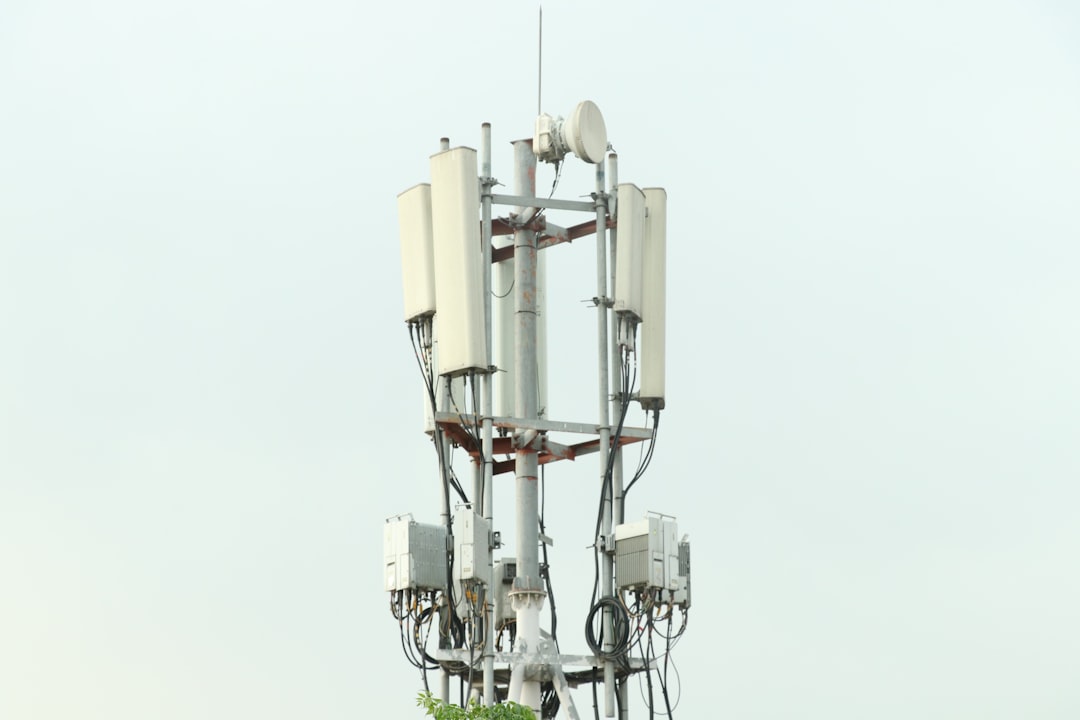
    6G wireless technology futuristic network connectivity 2026

    ๐Ÿ“ก So What Exactly Is 6G โ€” And Why Are We Talking About It Already?

    6G refers to the sixth generation of mobile network technology, expected to reach commercial deployment somewhere between 2030 and 2035. But the groundwork โ€” research, spectrum allocation, standardization โ€” is being laid right now, in 2026. This is exactly the phase where 5G was being debated a decade ago, and decisions made today will shape the infrastructure of tomorrow.

    Here’s what makes 6G fundamentally different from its predecessor:

    • Speed: Theoretical peak speeds of 1 Tbps (terabit per second) โ€” roughly 100x faster than 5G’s theoretical max of 20 Gbps.
    • Latency: Sub-millisecond latency (targeting under 0.1ms), compared to 5G’s ~1ms. This matters enormously for real-time applications like remote surgery or autonomous vehicle coordination.
    • Frequency Bands: 6G is expected to use terahertz (THz) spectrum (between 100 GHz and 10 THz), a range that’s currently largely unused but incredibly data-dense.
    • AI Integration: Unlike previous generations, 6G is being designed from the ground up with native AI/ML capabilities embedded into the network architecture itself.
    • Energy Efficiency: Targets a 100x improvement in energy efficiency per bit compared to 5G โ€” a crucial consideration given global sustainability goals.
    • Sensing + Communication Fusion: 6G networks won’t just transmit data โ€” they’ll also act as environmental sensors, enabling real-time 3D mapping of physical spaces.

    ๐ŸŒ Who’s Leading the Race? Global 6G Development in 2026

    The 6G development landscape in 2026 is intensely competitive, with governments treating it as a matter of national strategic interest โ€” not just a telecom upgrade.

    South Korea is arguably the most aggressive player right now. The Korean government launched its 6G R&D Promotion Strategy back in 2021 and has since funneled over $200 million USD into foundational research through agencies like ETRI (Electronics and Telecommunications Research Institute). By 2026, Korean researchers have successfully demonstrated THz-band data transmission over short distances with prototype hardware, and Samsung and LG Uplus are deeply embedded in international standardization bodies like ITU-R and 3GPP.

    China launched its IMT-2030 (6G) Promotion Group in 2019 and has been publishing white papers at a staggering pace. Chinese companies โ€” particularly Huawei, ZTE, and state-backed research institutes โ€” have filed a significant portion of early 6G patents globally. As of early 2026, China holds an estimated 40%+ of early-stage 6G patent filings, though the quality and implementability of those patents vary widely.

    The European Union has been channeling 6G efforts through the Hexa-X-II project (a successor to Hexa-X), a โ‚ฌ250 million consortium involving Nokia, Ericsson, and dozens of universities. The EU’s approach emphasizes open, interoperable architectures and sustainability โ€” essentially trying to make sure 6G doesn’t become another proprietary ecosystem battle.

    The United States, through the FCC, NIST, and DARPA, has been funding 6G research with a strong focus on spectrum security and AI-native networking. The Next G Alliance (part of the Alliance for Telecommunications Industry Solutions) has been coordinating a North American roadmap, with companies like Qualcomm, Apple, and Google filing 6G-related patents at an accelerating clip.

    Japan set an ambitious target to deploy 6G commercially by 2030, and NTT’s IOWN (Innovative Optical and Wireless Network) initiative is considered one of the most technically sophisticated national 6G frameworks, with particular emphasis on photonic networking and ultra-low power consumption.

    global 6G technology race countries South Korea China EU USA Japan 2026

    ๐Ÿ”ฌ The Technical Hurdles Nobody Talks About Enough

    Here’s where I want to be honest with you, because a lot of 6G coverage tends to be either breathlessly optimistic or vague. The real challenges are significant:

    • THz signal propagation: Terahertz waves are easily absorbed by moisture, walls, and even human bodies. Coverage range is extremely short โ€” we’re talking meters, not kilometers in some bands. Solving this likely requires dense networks of intelligent reflective surfaces (called Reconfigurable Intelligent Surfaces or RIS).
    • Hardware immaturity: Devices capable of processing THz-band signals at consumer scale simply don’t exist yet at manufacturable costs. This is a 2028โ€“2030 problem, but investment decisions are being made now.
    • Spectrum allocation conflicts: The THz band overlaps with atmospheric sensing frequencies used by meteorologists and climate scientists. There are real, ongoing negotiations about who gets what.
    • Standardization fragmentation: With the US, China, EU, and others each pushing their own technical frameworks, the risk of incompatible 6G ecosystems is non-trivial โ€” which would be a massive problem for a globally connected world.
    • Energy infrastructure: Even with efficiency improvements, the sheer density of 6G base stations needed could increase total network energy consumption significantly unless powered by renewables.

    ๐Ÿ’ก What Does This Actually Mean for Regular People?

    Let’s be realistic here. If you’re not a network engineer or a policy wonk, 6G might feel distant and abstract. And honestly? In 2026, it still is โ€” for most consumers. But here’s why it matters to think about it now:

    The applications being designed around 6G are already reshaping industries. Think about holographic communication (actual 3D holograms in meetings, not just VR headsets), fully autonomous transportation systems that require network reliability orders of magnitude beyond what 5G can provide, precision agriculture with real-time sensor networks across entire farms, and remote robotic surgery that becomes genuinely viable when latency is 0.1ms rather than 1ms.

    For the average person, the most tangible near-term impact will likely come through trickle-down infrastructure improvements โ€” better indoor coverage, more reliable IoT devices, and eventually, phones that don’t drop calls in an elevator. (A modest dream, but a valid one.)

    ๐Ÿ›ค๏ธ Realistic Alternatives: What If You Can’t Wait for 6G?

    Here’s my practical take for businesses and individuals trying to make technology decisions today:

    • For businesses: Don’t delay digital transformation waiting for 6G. Invest in robust 5G infrastructure now โ€” the architectural lessons will translate. Look for 5G Advanced (sometimes called 5.5G) deployments, which are rolling out in 2026 and offer meaningful intermediate improvements.
    • For developers and entrepreneurs: Build applications that leverage current 5G capabilities (edge computing, network slicing, URLLC for ultra-reliable low-latency communication) โ€” these skills and concepts will be directly transferable to 6G environments.
    • For individuals: Focus on what connectivity enables rather than the generation number. A well-optimized 5G network in your city will deliver better real-world performance than theoretical 6G specs on paper.
    • For investors: The 6G supply chain โ€” semiconductor companies, antenna technology firms, photonics specialists โ€” is where early positioning makes sense, rather than trying to pick winner operators.

    The 6G story in 2026 is fundamentally a story about preparation โ€” nations, companies, and researchers laying foundations for a technology that will mature over the next decade. The decisions being made in labs and standards bodies right now will echo through the 2030s. And understanding the landscape today means you won’t be caught off guard when 6G stops being a buzzword and starts being your actual network signal.

    Editor’s Comment : What excites me most about 6G isn’t the raw speed numbers โ€” it’s the idea of a network that genuinely understands its environment and adapts intelligently. We’ve spent decades building communications infrastructure that moves data fast; 6G might be the first generation that actually thinks alongside us. That said, the gap between research promise and everyday reality is always wider than headlines suggest. Keep your expectations grounded, stay curious, and watch the standardization process โ€” that’s where the real story unfolds.

    ํƒœ๊ทธ: [‘6G technology 2026’, ‘6G development trends’, ‘next generation wireless network’, ‘6G vs 5G comparison’, ‘terahertz communication’, ‘6G global race’, ‘future connectivity technology’]

  • 2026๋…„ 6G ํ†ต์‹  ๊ธฐ์ˆ  ๊ฐœ๋ฐœ ๋™ํ–ฅ ์ด์ •๋ฆฌ โ€” ์šฐ๋ฆฌ ์ผ์ƒ์€ ์–ด๋–ป๊ฒŒ ๋ฐ”๋€”๊นŒ?

    ์–ผ๋งˆ ์ „ ์ง€์ธ์ด ์ด๋Ÿฐ ๋ง์„ ํ•˜๋”๊ตฐ์š”. “5G๋„ ์•„์ง ์ œ๋Œ€๋กœ ๋ชป ์“ฐ๋Š”๋ฐ ๋ฒŒ์จ 6G ์–˜๊ธฐ์•ผ?” ์†”์งํžˆ ๊ณต๊ฐ์ด ๊ฐ€๋Š” ๋ง์ด์—์š”. 5G๊ฐ€ ์ƒ์šฉํ™”๋œ ์ง€ ์ฑ„ 10๋…„๋„ ๋˜์ง€ ์•Š์•˜๋Š”๋ฐ ์ด๋ฏธ ์ „ ์„ธ๊ณ„ ์ฃผ์š” ๊ตญ๊ฐ€์™€ ๊ธฐ์—…๋“ค์€ 6G๋ผ๋Š” ๋‹ค์Œ ํŒ์„ ๋†“๊ณ  ์น˜์—ดํ•˜๊ฒŒ ์›€์ง์ด๊ณ  ์žˆ๊ฑฐ๋“ ์š”. ๋‹จ์ˆœํ•œ ‘๋” ๋น ๋ฅธ ์ธํ„ฐ๋„ท’ ์ด์•ผ๊ธฐ๊ฐ€ ์•„๋‹ˆ์—์š”. 6G๋Š” ํ†ต์‹  ๊ธฐ์ˆ ์„ ๋„˜์–ด์„œ ์—๋„ˆ์ง€, ์ธ๊ณต์ง€๋Šฅ, ์šฐ์ฃผ ์ธํ”„๋ผ๊นŒ์ง€ ์—ฎ์ด๋Š” ๊ฑฐ๋Œ€ํ•œ ํŒจ๋Ÿฌ๋‹ค์ž„ ์ „ํ™˜์ด๋ผ๊ณ  ๋ด…๋‹ˆ๋‹ค. ์ง€๊ธˆ๋ถ€ํ„ฐ 2026๋…„ ํ˜„์žฌ ๊ธฐ์ค€์œผ๋กœ 6G ๊ธฐ์ˆ ์ด ์–ด๋””์ฏค ์™€ ์žˆ๋Š”์ง€, ๊ทธ๋ฆฌ๊ณ  ์šฐ๋ฆฌ ์‚ถ์— ์–ด๋–ค ์˜๋ฏธ์ธ์ง€ ํ•จ๊ป˜ ์งš์–ด๋ณผ๊ฒŒ์š”.

    6G wireless technology network futuristic concept

    ๐Ÿ“ก 6G, ์ˆซ์ž๋กœ ๋จผ์ € ์ดํ•ดํ•ด ๋ณด๊ธฐ

    6G๋ฅผ ๋ง‰์—ฐํ•˜๊ฒŒ ๋А๋ผ๋Š” ๋ถ„๋“ค์ด ๋งŽ์€๋ฐ, ์ผ๋‹จ ์ˆ˜์น˜๋กœ ๋น„๊ตํ•ด ๋ณด๋ฉด ์ง๊ด€์ ์œผ๋กœ ์ดํ•ด๊ฐ€ ๋ผ์š”.

    • ์ตœ๋Œ€ ์ „์†ก ์†๋„: 6G๋Š” ์ด๋ก ์ƒ ์ตœ๋Œ€ 1Tbps(ํ…Œ๋ผ๋น„ํŠธ ํผ ์ดˆ)๋ฅผ ๋ชฉํ‘œ๋กœ ํ•˜๊ณ  ์žˆ์–ด์š”. ํ˜„์žฌ 5G ์ตœ๋Œ€์น˜์ธ 20Gbps์™€ ๋น„๊ตํ•˜๋ฉด ์•ฝ 50๋ฐฐ ๋น ๋ฅธ ์†๋„๋ผ๊ณ  ๋ด…๋‹ˆ๋‹ค.
    • ์ง€์—ฐ ์‹œ๊ฐ„(Latency): 5G๊ฐ€ 1ms(๋ฐ€๋ฆฌ์ดˆ) ์ˆ˜์ค€์ธ ๋ฐ ๋ฐ˜ํ•ด, 6G๋Š” 0.1ms ์ดํ•˜๋ฅผ ๋ชฉํ‘œ๋กœ ํ•ด์š”. ์ด ์ •๋„๋ฉด ์‚ฌ์‹ค์ƒ ‘์‹ค์‹œ๊ฐ„’์ด๋ผ๋Š” ๊ฐœ๋… ์ž์ฒด๊ฐ€ ๋‹ฌ๋ผ์ง€๋Š” ์ˆ˜์ค€์ด์—์š”.
    • ์ฃผํŒŒ์ˆ˜ ๋Œ€์—ญ: 6G๋Š” ํ…Œ๋ผํ—ค๋ฅด์ธ (THz) ๋Œ€์—ญ(100GHz~10THz)์„ ํ™œ์šฉํ•ฉ๋‹ˆ๋‹ค. ์ด ๋Œ€์—ญ์€ ๊ธฐ์กด ๋ฐ€๋ฆฌ๋ฏธํ„ฐํŒŒ๋ณด๋‹ค ํ›จ์”ฌ ๋„“์€ ๋Œ€์—ญํญ์„ ์ œ๊ณตํ•˜์ง€๋งŒ, ํˆฌ๊ณผ์„ฑ์ด ๋‚ฎ์•„ ๊ธฐ์ง€๊ตญ ์ธํ”„๋ผ๋ฅผ ์ƒˆ๋กญ๊ฒŒ ์„ค๊ณ„ํ•ด์•ผ ํ•˜๋Š” ๊ณผ์ œ๊ฐ€ ์žˆ์–ด์š”.
    • ์—ฐ๊ฒฐ ๋ฐ€๋„: 1ใŽข๋‹น ์ตœ๋Œ€ 1,000๋งŒ ๊ฐœ์˜ ๊ธฐ๊ธฐ๋ฅผ ๋™์‹œ์— ์—ฐ๊ฒฐํ•˜๋Š” ๊ฒƒ์„ ๋ชฉํ‘œ๋กœ ํ•˜๊ณ  ์žˆ์–ด์š”. IoT์™€ ์Šค๋งˆํŠธ ์‹œํ‹ฐ๊ฐ€ ์™„์ „ํžˆ ๋‹ค๋ฅธ ์ฐจ์›์œผ๋กœ ์ง„ํ™”ํ•  ์ˆ˜ ์žˆ๋‹ค๋Š” ์˜๋ฏธ๋ผ๊ณ  ๋ด์š”.
    • ์—๋„ˆ์ง€ ํšจ์œจ: ITU(๊ตญ์ œ์ „๊ธฐํ†ต์‹ ์—ฐํ•ฉ)๋Š” 6G๊ฐ€ 5G ๋Œ€๋น„ ์—๋„ˆ์ง€ ํšจ์œจ์„ 100๋ฐฐ ์ด์ƒ ๊ฐœ์„ ํ•˜๋Š” ๋ฐฉํ–ฅ์œผ๋กœ ํ‘œ์ค€์„ ๋…ผ์˜ ์ค‘์ด์—์š”. ‘๋น ๋ฅธ ๊ฒƒ’๋งŒํผ ‘์นœํ™˜๊ฒฝ์ ์ธ ๊ฒƒ’๋„ ํ•ต์‹ฌ ๋ชฉํ‘œ์ธ ๊ฑฐ์ฃ .

    ๐ŸŒ ๊ตญ๋‚ด์™ธ 6G ๊ฐœ๋ฐœ ํ˜„ํ™ฉ โ€” ์ง€๊ธˆ ์–ด๋””๊นŒ์ง€ ์™”์„๊นŒ?

    2026๋…„ ํ˜„์žฌ, 6G๋ฅผ ๋‘˜๋Ÿฌ์‹ผ ๊ธ€๋กœ๋ฒŒ ๊ฒฝ์Ÿ์€ ๋‹จ์ˆœํ•œ ๊ธฐ์ˆ  ์‹ธ์›€์„ ๋„˜์–ด ํ‘œ์ค€ ์ฃผ๋„๊ถŒ ์‹ธ์›€์œผ๋กœ ํ™•์žฅ๋์–ด์š”.

    ๐Ÿ‡ฐ๐Ÿ‡ท ํ•œ๊ตญ: ์‚ผ์„ฑ์ „์ž์™€ LG์ „์ž, ETRI(ํ•œ๊ตญ์ „์žํ†ต์‹ ์—ฐ๊ตฌ์›)๋Š” 6G ํ•ต์‹ฌ ๊ธฐ์ˆ  ํŠนํ—ˆ ํ™•๋ณด์—์„œ ๊ธ€๋กœ๋ฒŒ ์ƒ์œ„๊ถŒ์„ ์œ ์ง€ํ•˜๊ณ  ์žˆ์–ด์š”. ๊ณผํ•™๊ธฐ์ˆ ์ •๋ณดํ†ต์‹ ๋ถ€๋Š” ‘6G ๊ธฐ์ˆ  ์„ ๋„ ๊ตญ๊ฐ€ ๋„์•ฝ’ ์ „๋žต์„ ๋ฐ”ํƒ•์œผ๋กœ 2025๋…„๋ถ€ํ„ฐ ๋ณธ๊ฒฉ์ ์ธ ํ…Œ์ŠคํŠธ๋ฒ ๋“œ ๊ตฌ์ถ•์— ๋“ค์–ด๊ฐ”๊ณ , 2026๋…„ ํ˜„์žฌ ์ˆ˜๋„๊ถŒ ์ผ๋ถ€ ์ง€์—ญ์—์„œ 6G ์‹œ๋ฒ” ์ฃผํŒŒ์ˆ˜ ์‹คํ—˜์ด ์ง„ํ–‰ ์ค‘์ธ ๊ฒƒ์œผ๋กœ ์•Œ๋ ค์ ธ ์žˆ์–ด์š”. ์‚ผ์„ฑ์ „์ž๋Š” ํŠนํžˆ ํ…Œ๋ผํ—ค๋ฅด์ธ  ๋Œ€์—ญ ํ†ต์‹  ๋ชจ๋“ˆ๊ณผ ์ง€๋Šฅํ˜• ๋ฐ˜์‚ฌ๋ฉด(RIS, Reconfigurable Intelligent Surface) ๊ธฐ์ˆ ์—์„œ ์˜๋ฏธ ์žˆ๋Š” ์„ฑ๊ณผ๋ฅผ ๋ฐœํ‘œํ–ˆ์Šต๋‹ˆ๋‹ค.

    ๐Ÿ‡บ๐Ÿ‡ธ ๋ฏธ๊ตญ: FCC(์—ฐ๋ฐฉํ†ต์‹ ์œ„์›ํšŒ)๋Š” ์ด๋ฏธ ํ…Œ๋ผํ—ค๋ฅด์ธ  ์ฃผํŒŒ์ˆ˜ ๋Œ€์—ญ์˜ ์‹คํ—˜์  ์‚ฌ์šฉ์„ ํ—ˆ๊ฐ€ํ–ˆ๊ณ , AT&TยทVerizonยทํ€„์ปด์ด ์ปจ์†Œ์‹œ์—„์„ ๊ตฌ์„ฑํ•ด 6G ๊ธฐ๋ฐ˜ ๊ธฐ์ˆ  ํ‘œ์ค€ ์—ฐ๊ตฌ๋ฅผ ์ง„ํ–‰ํ•˜๊ณ  ์žˆ์–ด์š”. ํŠนํžˆ ์˜คํ”ˆRAN(O-RAN) ๊ธฐ๋ฐ˜์˜ ์œ ์—ฐํ•œ ๋„คํŠธ์›Œํฌ ๊ตฌ์กฐ๋ฅผ 6G์— ์ ์šฉํ•˜๋ ค๋Š” ์‹œ๋„๊ฐ€ ๋ˆˆ์— ๋•๋‹ˆ๋‹ค.

    ๐Ÿ‡จ๐Ÿ‡ณ ์ค‘๊ตญ: ํ™”์›จ์ด์™€ ์ฐจ์ด๋‚˜ํ…”๋ ˆ์ฝค์€ 6G ๊ด€๋ จ ํŠนํ—ˆ ์ถœ์› ๊ฑด์ˆ˜์—์„œ ์ „ ์„ธ๊ณ„ 1์œ„ ์ˆ˜์ค€์„ ์œ ์ง€ํ•˜๊ณ  ์žˆ์–ด์š”. ์ค‘๊ตญ์€ 2030๋…„ ์ƒ์šฉํ™”๋ฅผ ๊ณต์‹ ๋ชฉํ‘œ๋กœ ์„ ์–ธํ•˜๊ณ , ๊ตญ๊ฐ€ ์ฃผ๋„ R&D ํˆฌ์ž๋ฅผ ๊ณต๊ฒฉ์ ์œผ๋กœ ์ด์–ด๊ฐ€๋Š” ์ค‘์ด์—์š”. ๋‹ค๋งŒ ๋ฏธยท์ค‘ ๊ธฐ์ˆ  ํŒจ๊ถŒ ๊ฐˆ๋“ฑ ์†์—์„œ ๊ธ€๋กœ๋ฒŒ ํ‘œ์ค€ ์ฑ„ํƒ ์—ฌ๋ถ€๋Š” ์—ฌ์ „ํžˆ ๋ถˆํ™•์‹ค์„ฑ์ด ํฌ๋‹ค๊ณ  ๋ด…๋‹ˆ๋‹ค.

    ๐Ÿ‡ช๐Ÿ‡บ ์œ ๋Ÿฝ: EU๋Š” Hexa-X-II ํ”„๋กœ์ ํŠธ๋ฅผ ํ†ตํ•ด 2026๋…„ ํ˜„์žฌ 6G ์•„ํ‚คํ…์ฒ˜ ์„ค๊ณ„์™€ ์œ ์Šค์ผ€์ด์Šค(Use Case) ๊ฒ€์ฆ์— ์ง‘์ค‘ํ•˜๊ณ  ์žˆ์–ด์š”. ๋…ธํ‚ค์•„, ์—๋ฆญ์Šจ, ๋„์ด์น˜ํ…”๋ ˆ์ฝค ๋“ฑ์ด ํ•ต์‹ฌ ์ฐธ์—ฌ ๊ธฐ์—…์ด์—์š”.

    6G global competition research lab engineers

    ๐Ÿ” 6G์˜ ํ•ต์‹ฌ ๊ธฐ์ˆ  ํ‚ค์›Œ๋“œ โ€” ๋‹จ์ˆœํžˆ ‘๋” ๋น ๋ฅธ 5G’๊ฐ€ ์•„๋‹Œ ์ด์œ 

    6G๋ฅผ ํŠน๋ณ„ํ•˜๊ฒŒ ๋งŒ๋“œ๋Š” ๊ฑด ์†๋„๋งŒ์ด ์•„๋‹ˆ์—์š”. ๊ธฐ์ˆ  ๊ตฌ์กฐ ์ž์ฒด๊ฐ€ ๋‹ฌ๋ผ์ง€๋Š” ๋ถ€๋ถ„์ด ์žˆ๊ฑฐ๋“ ์š”.

    • AI-Native Network(AI ๋‚ด์žฌํ™” ๋„คํŠธ์›Œํฌ): 6G๋Š” ๋„คํŠธ์›Œํฌ ์ž์ฒด์— AI๊ฐ€ ๋‚ด์žฅ๋œ ๊ตฌ์กฐ๋ฅผ ์ง€ํ–ฅํ•ด์š”. ํŠธ๋ž˜ํ”ฝ์„ ์˜ˆ์ธกํ•˜๊ณ , ์ž๋™์œผ๋กœ ์ž์›์„ ๋ฐฐ๋ถ„ํ•˜๊ณ , ์žฅ์• ๋ฅผ ์‚ฌ์ „์— ๊ฐ์ง€ํ•˜๋Š” ๊ธฐ๋Šฅ์ด ํ†ต์‹ ๋ง ์•ˆ์— ๋…น์•„๋“œ๋Š” ๊ฐœ๋…์ด์—์š”.
    • ํ†ต์‹ -๊ฐ์ง€ ์œตํ•ฉ(ISAC, Integrated Sensing and Communication): ๊ธฐ์ง€๊ตญ์ด ํ†ต์‹  ์‹ ํ˜ธ๋ฅผ ์ฃผ๊ณ ๋ฐ›๋Š” ๋™์‹œ์— ์ฃผ๋ณ€ ํ™˜๊ฒฝ์„ ‘๊ฐ์ง€’ํ•˜๋Š” ๋ ˆ์ด๋” ์—ญํ• ๊นŒ์ง€ ์ˆ˜ํ–‰ํ•ด์š”. ์ž์œจ์ฃผํ–‰, ์Šค๋งˆํŠธ ๋ฌผ๋ฅ˜, ์žฌ๋‚œ ๊ฐ์ง€ ๋“ฑ์— ํ˜์‹ ์ ์œผ๋กœ ํ™œ์šฉ๋  ์ˆ˜ ์žˆ๋‹ค๊ณ  ๋ด…๋‹ˆ๋‹ค.
    • ๋น„์ง€์ƒ ๋„คํŠธ์›Œํฌ(NTN, Non-Terrestrial Network): ์œ„์„ฑยท๋“œ๋ก ยท๊ณ ๊ณ ๋„ ํ”Œ๋žซํผ๊ณผ ์ง€์ƒ๋ง์„ ํ•˜๋‚˜๋กœ ํ†ตํ•ฉํ•˜๋Š” ๊ตฌ์กฐ์˜ˆ์š”. ์ด๋ก ์ ์œผ๋กœ ์ „ ์ง€๊ตฌ ์–ด๋””์„œ๋‚˜ 6G ํ’ˆ์งˆ์˜ ์—ฐ๊ฒฐ์„ ๋ณด์žฅํ•˜๊ฒ ๋‹ค๋Š” ๋น„์ „์ด์—์š”.
    • ๋””์ง€ํ„ธ ํŠธ์œˆ ๋„คํŠธ์›Œํฌ: ๋ฌผ๋ฆฌ ์„ธ๊ณ„๋ฅผ ๋””์ง€ํ„ธ๋กœ ๋ณต์ œํ•œ ‘ํŠธ์œˆ’์„ ํ†ต์‹ ๋ง์ด ์‹ค์‹œ๊ฐ„์œผ๋กœ ๋™๊ธฐํ™”ํ•˜๋Š” ๊ธฐ์ˆ ์ด์—์š”. ์Šค๋งˆํŠธ ํŒฉํ† ๋ฆฌ๋‚˜ ๋„์‹œ ์ธํ”„๋ผ ๊ด€๋ฆฌ์— ํฐ ๋ณ€ํ™”๋ฅผ ๊ฐ€์ ธ์˜ฌ ๊ฒƒ์œผ๋กœ ์˜ˆ์ƒ๋ผ์š”.

    โš ๏ธ ํ˜„์‹ค์ ์ธ ๋„์ „ ๊ณผ์ œ๋“ค

    ๋ฌผ๋ก  ์žฅ๋ฐ‹๋น› ์ „๋ง๋งŒ ์žˆ๋Š” ๊ฑด ์•„๋‹ˆ์—์š”. 6G๊ฐ€ ์‹ค์ œ๋กœ ์šฐ๋ฆฌ ์†์— ๋‹ฟ์œผ๋ ค๋ฉด ๋„˜์–ด์•ผ ํ•  ์‚ฐ์ด ๋งŽ์Šต๋‹ˆ๋‹ค.

    ํ…Œ๋ผํ—ค๋ฅด์ธ  ๋Œ€์—ญ์€ ์ง์ง„์„ฑ์ด ๊ฐ•ํ•˜๊ณ  ํˆฌ๊ณผ๋ ฅ์ด ๋‚ฎ์•„์„œ ๋„์‹ฌ ๊ฑด๋ฌผ ํ•˜๋‚˜๋งŒ ์žˆ์–ด๋„ ์‹ ํ˜ธ๊ฐ€ ํฌ๊ฒŒ ๊ฐ์‡„๋ผ์š”. ์ด๋ฅผ ๋ณด์™„ํ•˜๋ ค๋ฉด ํ˜„์žฌ๋ณด๋‹ค ํ›จ์”ฌ ์ด˜์ด˜ํ•œ ๊ธฐ์ง€๊ตญ ์ธํ”„๋ผ๊ฐ€ ํ•„์š”ํ•œ๋ฐ, ๋น„์šฉ๊ณผ ๋„์‹œ ๊ฒฝ๊ด€ ๋ฌธ์ œ, ์ „์žํŒŒ ์šฐ๋ ค๊นŒ์ง€ ํ•ด๊ฒฐํ•ด์•ผ ํ•˜๋Š” ๋ณต์žกํ•œ ๋ฌธ์ œ์ธ ๊ฒƒ ๊ฐ™์•„์š”. ๋˜ํ•œ ITU๋Š” 2030๋…„์„ ๋ชฉํ‘œ๋กœ IMT-2030(6G ๊ตญ์ œ ํ‘œ์ค€) ํ™•์ •์„ ์ถ”์ง„ ์ค‘์ธ๋ฐ, ๋ฏธ๊ตญยท์ค‘๊ตญยท์œ ๋Ÿฝ ๊ฐ„์˜ ํ‘œ์ค€ ์ฃผ๋„๊ถŒ ์‹ธ์›€์ด ์ƒ์šฉํ™” ์ผ์ •์— ๋ณ€์ˆ˜๋กœ ์ž‘์šฉํ•  ๊ฐ€๋Šฅ์„ฑ์ด ์žˆ์–ด์š”.


    ๐Ÿ’ก ๊ฒฐ๋ก  โ€” 6G ์‹œ๋Œ€, ์šฐ๋ฆฌ๋Š” ์–ด๋–ป๊ฒŒ ์ค€๋น„ํ• ๊นŒ?

    6G ์ƒ์šฉํ™”๋Š” ํ˜„์žฌ ์ „๋ง์ƒ 2030๋…„๋Œ€ ์ดˆ๋ฐ˜์ด๋ผ๊ณ  ๋ด์š”. ์•„์ง 4~5๋…„์˜ ์‹œ๊ฐ„์ด ์žˆ์ง€๋งŒ, ๊ธฐ์ˆ  ํˆฌ์ž์™€ ์ƒํƒœ๊ณ„ ํ˜•์„ฑ์€ ์ง€๊ธˆ ์ด ์ˆœ๊ฐ„์—๋„ ์ง„ํ–‰ ์ค‘์ด์—์š”. ์ผ๋ฐ˜ ์†Œ๋น„์ž ์ž…์žฅ์—์„œ๋Š” 5G ์ธํ”„๋ผ๊ฐ€ ์•ˆ์ •๋˜๋Š” ์ด ์‹œ๊ธฐ์— 5G๋ฅผ ์ œ๋Œ€๋กœ ํ™œ์šฉํ•˜๋Š” ์—ฐ์Šต์„ ํ•˜๋Š” ๊ฒƒ์ด ํ˜„์‹ค์ ์ธ ์ ‘๊ทผ์ด๋ผ๊ณ  ๋ด…๋‹ˆ๋‹ค. ๋ฐ˜๋ฉด ๊ธฐ์—…์ด๋‚˜ ์Šคํƒ€ํŠธ์—…์ด๋ผ๋ฉด 6G๊ฐ€ ๊ฐ€์ ธ์˜ฌ AI ๋‚ด์žฌ ๋„คํŠธ์›Œํฌ, ISAC, ๋””์ง€ํ„ธ ํŠธ์œˆ ๊ฐ™์€ ๊ธฐ์ˆ ์„ ๋ฏธ๋ฆฌ ๊ณต๋ถ€ํ•˜๊ณ  ๋น„์ฆˆ๋‹ˆ์Šค ๋ชจ๋ธ์„ ๊ตฌ์ƒํ•ด ๋†“๋Š” ๊ฒŒ ์ค‘์š”ํ•ด ๋ณด์—ฌ์š”.

    ๊ธฐ์ˆ ์€ ํ•ญ์ƒ ์šฐ๋ฆฌ๊ฐ€ ์ƒ๊ฐํ•˜๋Š” ๊ฒƒ๋ณด๋‹ค ๋น ๋ฅด๊ฒŒ, ๋•Œ๋กœ๋Š” ๋А๋ฆฌ๊ฒŒ ์˜ต๋‹ˆ๋‹ค. ์ค‘์š”ํ•œ ๊ฑด ๊ทธ ํ๋ฆ„์„ ๋†“์น˜์ง€ ์•Š๊ณ  ๋‚ด ์‚ถ๊ณผ ์ผ์— ์–ด๋–ป๊ฒŒ ์—ฐ๊ฒฐํ• ์ง€๋ฅผ ๋ฏธ๋ฆฌ ๊ทธ๋ ค๋ณด๋Š” ๊ฑฐ๋ผ๊ณ  ์ƒ๊ฐํ•ด์š”.

    ์—๋””ํ„ฐ ์ฝ”๋ฉ˜ํŠธ : 6G๋ฅผ ๊ณต๋ถ€ํ•˜๋‹ค ๋ณด๋ฉด ๊ฒฐ๊ตญ ํ•ต์‹ฌ์€ ‘์—ฐ๊ฒฐ’์ด ์•„๋‹ˆ๋ผ ‘์ง€๋Šฅ’์ด๋ผ๋Š” ์ƒ๊ฐ์ด ๋“œ๋Š” ๊ฒƒ ๊ฐ™์•„์š”. ๋‹จ์ˆœํžˆ ๋ฐ์ดํ„ฐ๋ฅผ ๋น ๋ฅด๊ฒŒ ์ฃผ๊ณ ๋ฐ›๋Š” ํŒŒ์ดํ”„๊ฐ€ ์•„๋‹ˆ๋ผ, ๋„คํŠธ์›Œํฌ ์ž์ฒด๊ฐ€ ํŒ๋‹จํ•˜๊ณ  ๊ฐ์ง€ํ•˜๊ณ  ๋ฐ˜์‘ํ•˜๋Š” ์กด์žฌ๋กœ ์ง„ํ™”ํ•˜๋Š” ๊ฑฐ๊ฑฐ๋“ ์š”. ์–ด์ฉŒ๋ฉด 6G๋Š” ์šฐ๋ฆฌ๊ฐ€ ์ธํ„ฐ๋„ท์„ ‘์‚ฌ์šฉํ•˜๋Š”’ ๋งˆ์ง€๋ง‰ ์„ธ๋Œ€์˜ ํ†ต์‹  ๊ธฐ์ˆ ์ผ์ง€๋„ ๋ชจ๋ฅธ๋‹ค๋Š” ์ƒ๊ฐ์ด ๋“œ๋Š” ๊ฑด ์ €๋งŒ์˜ ๋А๋‚Œ์ผ๊นŒ์š”? ์•ž์œผ๋กœ์˜ ๋ณ€ํ™”, ํ•จ๊ป˜ ์ฃผ๋ชฉํ•ด ๋ณด๊ธฐ๋กœ ํ•ด์š”.

    ํƒœ๊ทธ: [‘6Gํ†ต์‹ ’, ‘6G๊ธฐ์ˆ ๊ฐœ๋ฐœ๋™ํ–ฅ’, ‘์ฐจ์„ธ๋Œ€ํ†ต์‹ ๊ธฐ์ˆ ’, ‘ํ…Œ๋ผํ—ค๋ฅด์ธ ํ†ต์‹ ’, ‘6G์ƒ์šฉํ™”’, ‘AI๋„คํŠธ์›Œํฌ’, ‘๋ฏธ๋ž˜ํ†ต์‹ ๊ธฐ์ˆ ’]

  • 2026 Cybersecurity Threat Trends: What’s Actually Coming for You (And How to Stay Ahead)

    Picture this: It’s a Tuesday morning in March 2026, and your colleague gets a voicemail from what sounds exactly like your CEO โ€” same cadence, same slight accent, same way of saying “circle back.” The message asks for an urgent wire transfer. Your colleague almost does it. Almost. This isn’t a hypothetical scare story โ€” incidents like this have already been reported across financial firms in Seoul, Frankfurt, and Chicago in early 2026. And honestly? It’s just the tip of the iceberg of what we’re navigating this year in cybersecurity.

    Whether you’re running a small business, managing a remote team, or just trying to protect your personal data, understanding the 2026 cybersecurity threat landscape isn’t optional anymore โ€” it’s survival. So let’s think through this together, piece by piece.

    cybersecurity 2026 digital threat hacker network glowing

    ๐Ÿ” The Big Picture: Where the Threat Landscape Stands in 2026

    According to Cybersecurity Ventures’ 2026 Global Risk Report, cybercrime is projected to cost the world $10.5 trillion annually by mid-decade โ€” a figure that surpasses the GDP of every nation except the United States and China. More startling? The average time to detect a breach still hovers around 197 days, meaning attackers often live inside your systems for over six months before anyone notices.

    What’s changed dramatically in 2026 is the sophistication of the attacker, not just the frequency. AI-powered tools have democratized hacking โ€” meaning someone with minimal technical skill can now launch a fairly advanced attack using off-the-shelf AI toolkits available on the dark web for as little as $50/month. Let that sink in.

    โš ๏ธ Top Cybersecurity Threats Dominating 2026

    • AI-Generated Deepfake Social Engineering: As we saw in the intro, voice and video deepfakes have matured to near-perfect replication. Attackers are impersonating executives, IT support staff, and even government officials to manipulate employees into sharing credentials or authorizing transactions.
    • Quantum-Assisted Cryptographic Attacks: While full-scale quantum computing isn’t mainstream yet, nation-state actors (particularly well-resourced groups linked to geopolitical tensions in 2025-2026) are believed to be harvesting encrypted data now to decrypt it later โ€” a strategy called “harvest now, decrypt later.”
    • AI-Powered Phishing (Spear Phishing 2.0): Gone are the days of obvious typos and suspicious grammar. AI now crafts hyper-personalized phishing emails using scraped LinkedIn data, public social media posts, and even leaked HR records. The click-through rate on these has reportedly jumped to 34%, compared to 3% for generic phishing.
    • Supply Chain Infiltration: Attackers are targeting smaller vendors and SaaS providers to backdoor their way into larger enterprises. The 2026 MedSync breach โ€” where patient records from 47 hospitals across Southeast Asia were compromised through a third-party scheduling software update โ€” is a sobering example.
    • IoT & Smart Infrastructure Vulnerabilities: With smart cities expanding in South Korea, the UAE, and Scandinavia, the attack surface has exploded. Compromising a traffic management system or a hospital’s HVAC (yes, HVAC) can now be a vector for ransomware deployment.
    • Ransomware-as-a-Service (RaaS) Evolution: RaaS platforms in 2026 now come with customer service dashboards, affiliate programs, and even SLAs for attack customization. It’s disturbingly corporate.

    ๐ŸŒ Real-World Examples: What’s Already Happened in 2026

    South Korea โ€” The KISA Alert of January 2026: The Korea Internet & Security Agency (KISA) issued a nationwide alert in January 2026 after detecting a coordinated spear-phishing campaign targeting mid-sized Korean manufacturing exporters. The attackers used AI-generated emails mimicking trade partners in Vietnam and Indonesia, resulting in an estimated โ‚ฉ47 billion in fraudulent transfers before the campaign was identified.

    Europe โ€” The Rotterdam Port Cyberattack (February 2026): A ransomware group disrupted logistics operations at Europe’s largest port for 36 hours, delaying an estimated โ‚ฌ2.3 billion in cargo shipments. The entry point? A compromised login credential from a subcontracted freight management firm. This case reignited the EU’s debate around the NIS2 Directive enforcement timeline.

    United States โ€” Healthcare Sector Under Siege: Following 2024’s Change Healthcare debacle, 2026 has seen a second wave of attacks targeting regional hospital networks. The FBI’s Cyber Division reported in February 2026 that healthcare remained the #1 targeted sector for ransomware, with average ransom demands now exceeding $4.2 million per incident.

    ransomware attack hospital data breach 2026 cybersecurity warning

    ๐Ÿ›ก๏ธ Realistic Alternatives & What You Can Actually Do

    Here’s where I want to think through practical action with you โ€” because doom-scrolling threat reports doesn’t help anyone. The good news is that the same AI driving threats is also powering better defenses, and you don’t need an enterprise budget to improve your posture meaningfully.

    • For individuals: Adopt a password manager (Bitwarden, 1Password) and enable hardware-based MFA (like a YubiKey) for critical accounts. Treat every unexpected urgent request โ€” even from known contacts โ€” as suspicious until verified via a second channel.
    • For small business owners: Conduct a vendor audit. Map out every third-party tool that touches your systems or customer data. Even one poorly secured SaaS app can be your undoing. Tools like SecurityScorecard offer affordable third-party risk ratings.
    • For IT teams: Zero-trust architecture isn’t a buzzword anymore โ€” it’s baseline. Implement least-privilege access policies, microsegmentation, and continuous authentication. Also: tabletop exercises. Running simulated breach scenarios quarterly keeps your team sharp and reveals gaps no audit will.
    • For executives: Cybersecurity is a board-level conversation in 2026. Appoint or empower a CISO with real authority, not just a compliance checkbox. Budget for cyber insurance โ€” but understand its coverage limits carefully, as many policies now exclude AI-generated attack vectors without specific riders.

    ๐Ÿ”ฎ Looking Forward: The Next 12 Months

    The second half of 2026 will likely see regulatory frameworks catch up โ€” the EU AI Act’s cybersecurity provisions kick in fully by Q3 2026, and the U.S. Cyber Trust Mark program for IoT devices is gaining real traction. South Korea’s revised Personal Information Protection Act (PIPA) amendments are also placing stricter incident reporting requirements on companies operating there.

    The arms race between attackers and defenders is accelerating, but here’s the thing: most successful breaches still exploit human behavior more than technical vulnerabilities. Culture, awareness, and habits remain your most powerful โ€” and most underinvested โ€” security layer.

    Staying informed isn’t paranoia. In 2026, it’s just good sense.

    Editor’s Comment : What strikes me most about the 2026 threat landscape isn’t the sophistication of the tools โ€” it’s how quickly the barrier to entry for attackers has collapsed. When a $50/month AI toolkit can launch a convincing spear-phishing campaign, the old idea of “I’m too small to be a target” is genuinely dead. The most empowering thing you can do today is pick one thing from the list above and implement it this week. Start with the password manager. That single step puts you ahead of a majority of potential victims. The threats are real, but so is your ability to make yourself a harder target.

    ํƒœ๊ทธ: [‘cybersecurity 2026’, ‘cyber threat trends’, ‘AI cybersecurity attacks’, ‘ransomware 2026’, ‘deepfake social engineering’, ‘data breach prevention’, ‘zero trust security’]

  • 2026 ์‚ฌ์ด๋ฒ„๋ณด์•ˆ ์œ„ํ˜‘ ํŠธ๋ Œ๋“œ: ์ง€๊ธˆ ๋‹น์žฅ ์•Œ์•„์•ผ ํ•  5๊ฐ€์ง€ ํ•ต์‹ฌ ๋ณ€ํ™”

    ์–ผ๋งˆ ์ „ ์ง€์ธ์ด ํ™ฉ๋‹นํ•œ ๊ฒฝํ—˜์„ ํ„ธ์–ด๋†จ์–ด์š”. ํ‰์†Œ ์“ฐ๋˜ ํด๋ผ์šฐ๋“œ ์ €์žฅ์†Œ์— ๋กœ๊ทธ์ธํ–ˆ๋Š”๋ฐ, ๋ณธ์ธ์ด ์ €์žฅํ•œ ์  ์—†๋Š” ํŒŒ์ผ๋“ค์ด ์•”ํ˜ธํ™”๋˜์–ด ์žˆ์—ˆ๋‹ค๋Š” ๊ฑฐ์˜ˆ์š”. ๋žœ์„ฌ์›จ์–ด์˜€์Šต๋‹ˆ๋‹ค. ๋” ์ถฉ๊ฒฉ์ ์ธ ๊ฑด, ํ•ด์ปค๊ฐ€ ๋ณด๋‚ธ ํ˜‘๋ฐ• ๋ฉ”์‹œ์ง€๊ฐ€ ์ง€์ธ์˜ ์ด๋ฆ„๊ณผ ์ง์žฅ๋ช…๊นŒ์ง€ ์ •ํ™•ํžˆ ์ ํ˜€ ์žˆ์—ˆ๋‹ค๋Š” ์ ์ด์—์š”. ‘์–ด๋–ป๊ฒŒ ์ด๊ฑธ ์•Œ์•˜์ง€?’๋ผ๋Š” ๊ณตํฌ๊ฐ, ๋‹จ์ˆœํ•œ ํ•ดํ‚น์ด ์•„๋‹ˆ๋ผ AI๊ฐ€ ๊ฐœ์ธ ์ •๋ณด๋ฅผ ์ˆ˜์ง‘ยท๋ถ„์„ํ•ด ์ •๊ตํ•˜๊ฒŒ ํƒ€๊นƒ์„ ์„ค์ •ํ•œ ๊ฒฐ๊ณผ๋ผ๊ณ  ๋ด…๋‹ˆ๋‹ค.

    2026๋…„ ํ˜„์žฌ, ์‚ฌ์ด๋ฒ„ ์œ„ํ˜‘์€ ๋” ์ด์ƒ ‘์šด ๋‚˜์œ ์†Œ์ˆ˜’์˜ ๋ฌธ์ œ๊ฐ€ ์•„๋‹ˆ์—์š”. ๊ฐœ์ธ, ์ค‘์†Œ๊ธฐ์—…, ๋Œ€๊ธฐ์—… ํ•  ๊ฒƒ ์—†์ด ๋ˆ„๊ตฌ๋‚˜ ํ‘œ์ ์ด ๋  ์ˆ˜ ์žˆ๋Š” ํ™˜๊ฒฝ์ด ๋์Šต๋‹ˆ๋‹ค. ์ง€๊ธˆ๋ถ€ํ„ฐ ์˜ฌํ•ด ์ฃผ๋ชฉํ•ด์•ผ ํ•  ์‚ฌ์ด๋ฒ„๋ณด์•ˆ ์œ„ํ˜‘ ํŠธ๋ Œ๋“œ๋ฅผ ํ•จ๊ป˜ ์‚ดํŽด๋ณผ๊ฒŒ์š”.

    cybersecurity threat 2026 AI hacker digital

    โ‘  AI ๊ธฐ๋ฐ˜ ๊ณต๊ฒฉ์˜ ๊ณ ๋„ํ™” โ€” ์ด์ œ ํ•ด์ปค๋„ ‘AI ๋„ค์ดํ‹ฐ๋ธŒ’์ž…๋‹ˆ๋‹ค

    2026๋…„ ๊ฐ€์žฅ ๋‘๋“œ๋Ÿฌ์ง€๋Š” ๋ณ€ํ™”๋Š” ๋‹จ์—ฐ ๊ณต๊ฒฉํ˜• AI(Offensive AI)์˜ ๋ณดํŽธํ™”๋ผ๊ณ  ํ•  ์ˆ˜ ์žˆ์–ด์š”. ๊ธ€๋กœ๋ฒŒ ์‚ฌ์ด๋ฒ„๋ณด์•ˆ ๊ธฐ์—… CrowdStrike์˜ 2026๋…„ ์ƒ๋ฐ˜๊ธฐ ์œ„ํ˜‘ ๋ณด๊ณ ์„œ์— ๋”ฐ๋ฅด๋ฉด, ์ „์ฒด ํ”ผ์‹ฑ ์ด๋ฉ”์ผ์˜ ์•ฝ 74%๊ฐ€ ์ƒ์„ฑํ˜• AI๋กœ ์ž‘์„ฑ๋œ ๊ฒƒ์œผ๋กœ ์ถ”์ •๋œ๋‹ค๊ณ  ํ•ด์š”. ๋ถˆ๊ณผ 2๋…„ ์ „๋งŒ ํ•ด๋„ ์–ด์ƒ‰ํ•œ ๋ฌธ์žฅ์ด๋‚˜ ์˜คํƒˆ์ž๋กœ ํ”ผ์‹ฑ ๋ฉ”์ผ์„ ๊ฑธ๋Ÿฌ๋‚ผ ์ˆ˜ ์žˆ์—ˆ์ง€๋งŒ, ์ด์ œ๋Š” ๊ทธ ๋ฐฉ๋ฒ•์ด ๊ฑฐ์˜ ํ†ตํ•˜์ง€ ์•Š๋Š” ์ˆ˜์ค€์ด ๋์Šต๋‹ˆ๋‹ค.

    AI๋Š” ๊ณต๊ฒฉ ์†๋„๋„ ๋ฐ”๊ฟจ์–ด์š”. ๋ณด์•ˆ ์ทจ์•ฝ์ ์ด ๋ฐœ๊ฒฌ๋œ ํ›„ ํ•ด์ปค๊ฐ€ ์‹ค์ œ ๊ณต๊ฒฉ ์ฝ”๋“œ(์ต์Šคํ”Œ๋กœ์ž‡)๋ฅผ ๊ฐœ๋ฐœํ•˜๋Š” ๋ฐ ๊ฑธ๋ฆฌ๋Š” ์‹œ๊ฐ„์ด ๊ณผ๊ฑฐ ํ‰๊ท  ์ˆ˜์‹ญ ์ผ์—์„œ ํ˜„์žฌ ์ˆ˜ ์‹œ๊ฐ„ ์ด๋‚ด๋กœ ์ค„์–ด๋“ค์—ˆ๋‹ค๋Š” ๋ถ„์„๋„ ๋‚˜์˜ค๊ณ  ์žˆ์–ด์š”. ‘์ œ๋กœ๋ฐ์ด ์ทจ์•ฝ์ ’์˜ ์œ„ํ—˜์„ฑ์ด ๊ธฐํ•˜๊ธ‰์ˆ˜์ ์œผ๋กœ ์ปค์ง„ ์…ˆ์ž…๋‹ˆ๋‹ค.

    โ‘ก ๋”ฅํŽ˜์ดํฌ ์‚ฌ๊ธฐ โ€” ๋ชฉ์†Œ๋ฆฌ์™€ ์–ผ๊ตด๊นŒ์ง€ ์œ„์กฐํ•˜๋Š” ์‹œ๋Œ€

    ํ…์ŠคํŠธ๋ฅผ ๋„˜์–ด ์ด์ œ๋Š” ์Œ์„ฑยท์˜์ƒ ๋”ฅํŽ˜์ดํฌ๋ฅผ ํ™œ์šฉํ•œ ์‚ฌ๊ธฐ๊ฐ€ ๋ณธ๊ฒฉ์ ์œผ๋กœ ๊ธฐ์—…๊ณผ ๊ฐœ์ธ์„ ์œ„ํ˜‘ํ•˜๊ณ  ์žˆ์–ด์š”. 2026๋…„ ์ดˆ ๊ตญ๋‚ด์—์„œ ๋ฐœ์ƒํ•œ ์‹ค์ œ ์‚ฌ๋ก€๋ฅผ ๋ณด๋ฉด, ํ•œ ์ค‘๊ฒฌ๊ธฐ์—… CFO๊ฐ€ ‘๋Œ€ํ‘œ์ด์‚ฌ์˜ ํ™”์ƒํ†ตํ™”’๋ฅผ ํ†ตํ•ด 30์–ต ์› ๊ทœ๋ชจ์˜ ํ•ด์™ธ ์†ก๊ธˆ์„ ์ง€์‹œ๋ฐ›์•˜๋Š”๋ฐ, ์•Œ๊ณ  ๋ณด๋‹ˆ ๋”ฅํŽ˜์ดํฌ๋กœ ํ•ฉ์„ฑ๋œ ๊ฐ€์งœ ์˜์ƒ์ด์—ˆ์Šต๋‹ˆ๋‹ค. ํ•ด์™ธ์—์„œ๋Š” ์ด๋ฏธ 2024~2025๋…„๋ถ€ํ„ฐ ์œ ์‚ฌ ์‚ฌ๋ก€๊ฐ€ ๊ธ‰์ฆํ–ˆ๊ณ , ๊ตญ๋‚ด๋„ ์ด์ œ ์˜ˆ์™ธ๊ฐ€ ์•„๋‹Œ ๊ฑฐ์˜ˆ์š”.

    ๊ตญ์ œ ์‚ฌ์ด๋ฒ„๋ฒ”์ฃ„ ์ถ”์  ๊ธฐ๊ด€ IC3์— ๋”ฐ๋ฅด๋ฉด, ๋”ฅํŽ˜์ดํฌ ๊ด€๋ จ ๊ธˆ์œต ์‚ฌ๊ธฐ ํ”ผํ•ด ๊ทœ๋ชจ๋Š” 2025๋…„ ๋Œ€๋น„ 2026๋…„ ์ƒ๋ฐ˜๊ธฐ์—๋งŒ ์•ฝ 2.3๋ฐฐ ์ฆ๊ฐ€ํ•œ ๊ฒƒ์œผ๋กœ ์ง‘๊ณ„๋˜๊ณ  ์žˆ์Šต๋‹ˆ๋‹ค.

    โ‘ข ๊ณต๊ธ‰๋ง ๊ณต๊ฒฉ(Supply Chain Attack) โ€” ์•ฝํ•œ ๊ณ ๋ฆฌ๋ฅผ ๋…ธ๋ฆฐ๋‹ค

    ‘๋‚ด ์‹œ์Šคํ…œ์€ ์ž˜ ๋ง‰์•˜๋Š”๋ฐ ์™œ ํ„ธ๋ ธ์„๊นŒ?’๋ผ๋Š” ์˜๋ฌธ, ๊ณต๊ธ‰๋ง ๊ณต๊ฒฉ์ด ๊ทธ ๋‹ต์ผ ์ˆ˜ ์žˆ์–ด์š”. ํ•ด์ปค๋“ค์€ ์ง์ ‘ ๋Œ€๊ธฐ์—…์„ ๊ณต๋žตํ•˜๋Š” ๋Œ€์‹ , ํ•ด๋‹น ๊ธฐ์—…๊ณผ ์—ฐ๊ฒฐ๋œ ์†Œํ”„ํŠธ์›จ์–ด ๋ฒค๋”, ํ˜‘๋ ฅ์—…์ฒด, ์˜คํ”ˆ์†Œ์Šค ๋ผ์ด๋ธŒ๋Ÿฌ๋ฆฌ๋ฅผ ๋จผ์ € ์นจํˆฌํ•ฉ๋‹ˆ๋‹ค. ์‹ ๋ขฐํ•  ์ˆ˜ ์žˆ๋Š” ๊ฒฝ๋กœ๋ฅผ ํ†ตํ•ด ์•…์„ฑ์ฝ”๋“œ๊ฐ€ ๋“ค์–ด์˜ค๋‹ˆ ํƒ์ง€๊ฐ€ ํ›จ์”ฌ ์–ด๋ ต์ฃ .

    2026๋…„ ์ฃผ๋ชฉ๋ฐ›์€ ์‚ฌ๋ก€ ์ค‘ ํ•˜๋‚˜๋Š” ํŠน์ • ์˜คํ”ˆ์†Œ์Šค ํŒจํ‚ค์ง€ ๊ด€๋ฆฌ์ž์— ์•…์„ฑ ์ฝ”๋“œ๊ฐ€ ์‚ฝ์ž…๋œ ์ด๋ฅธ๋ฐ” ‘ํƒ€์ดํฌ์Šค์ฟผํŒ…(Typosquatting)’ ๊ณต๊ฒฉ์ด์—์š”. ๊ฐœ๋ฐœ์ž๊ฐ€ ํŒจํ‚ค์ง€ ์ด๋ฆ„์„ ํ•œ ๊ธ€์ž ์ž˜๋ชป ์ž…๋ ฅํ•˜๋ฉด, ์•…์„ฑ ์ฝ”๋“œ๊ฐ€ ๋‹ด๊ธด ๊ฐ€์งœ ํŒจํ‚ค์ง€๊ฐ€ ์ž๋™์œผ๋กœ ์„ค์น˜๋˜๋Š” ๋ฐฉ์‹์ž…๋‹ˆ๋‹ค. ์ „ ์„ธ๊ณ„ ์ˆ˜์ฒœ ๊ฐœ์˜ ํ”„๋กœ์ ํŠธ๊ฐ€ ์˜ํ–ฅ์„ ๋ฐ›์„ ์ˆ˜ ์žˆ๋Š” ๊ตฌ์กฐ์ ์ธ ์ทจ์•ฝ์ ์ด๋ผ๊ณ  ๋ณผ ์ˆ˜ ์žˆ์–ด์š”.

    supply chain attack network security vulnerability

    โ‘ฃ ๋žœ์„ฌ์›จ์–ด 2.0 โ€” ‘์‚ผ์ค‘ ํ˜‘๋ฐ•’ ์ „๋žต์˜ ์ผ์ƒํ™”

    ๋žœ์„ฌ์›จ์–ด๋Š” ์ด๋ฏธ ์˜ค๋ž˜๋œ ์œ„ํ˜‘์ด์ง€๋งŒ, 2026๋…„์˜ ๋žœ์„ฌ์›จ์–ด๋Š” ๊ณผ๊ฑฐ์™€ ๋‹ค๋ฆ…๋‹ˆ๋‹ค. ๊ณผ๊ฑฐ์—” ๋‹จ์ˆœํžˆ ํŒŒ์ผ์„ ์•”ํ˜ธํ™”ํ•˜๊ณ  ๋ˆ์„ ์š”๊ตฌํ–ˆ๋‹ค๋ฉด, ์ง€๊ธˆ์€ ์ด๋ฅธ๋ฐ” ‘์‚ผ์ค‘ ํ˜‘๋ฐ•(Triple Extortion)’ ์ „๋žต์ด ํ‘œ์ค€์ด ๋์–ด์š”.

    • 1์ฐจ ํ˜‘๋ฐ•: ํŒŒ์ผ ์•”ํ˜ธํ™” ํ›„ ๋ณตํ˜ธํ™” ํ‚ค๋ฅผ ๋นŒ๋ฏธ๋กœ ๊ธˆ์ „ ์š”๊ตฌ
    • 2์ฐจ ํ˜‘๋ฐ•: ํƒˆ์ทจํ•œ ๊ธฐ๋ฐ€ ๋ฐ์ดํ„ฐ๋ฅผ ๋‹คํฌ์›น์— ๊ณต๊ฐœํ•˜๊ฒ ๋‹ค๊ณ  ์œ„ํ˜‘
    • 3์ฐจ ํ˜‘๋ฐ•: ํ”ผํ•ด ๊ธฐ์—…์˜ ๊ณ ๊ฐยทํŒŒํŠธ๋„ˆ์‚ฌ์—๊ฒŒ ์ง์ ‘ ์—ฐ๋ฝํ•ด ์••๋ฐ• ๊ฐ•ํ™”

    ํŠนํžˆ ์ค‘์†Œ๊ธฐ์—…๊ณผ ๋ณ‘์›, ํ•™๊ต ๋“ฑ ๋ณด์•ˆ ์ธํ”„๋ผ๊ฐ€ ์ƒ๋Œ€์ ์œผ๋กœ ์ทจ์•ฝํ•œ ๊ธฐ๊ด€์ด ์ฃผ์š” ํƒ€๊นƒ์ด ๋˜๊ณ  ์žˆ์–ด์š”. ๋ฐฑ์—…์„ ํ•ด๋‘”๋‹ค๊ณ  ํ•ด์„œ ์™„์ „ํžˆ ์•ˆ์‹ฌํ•  ์ˆ˜ ์—†๋Š” ์ด์œ ๊ฐ€ ๋ฐ”๋กœ ์—ฌ๊ธฐ์— ์žˆ์Šต๋‹ˆ๋‹ค.

    โ‘ค ์–‘์ž์ปดํ“จํŒ… ์œ„ํ˜‘์˜ ํ˜„์‹คํ™” โ€” ‘์ง€๊ธˆ ํ›”์ณ์„œ ๋‚˜์ค‘์— ํ•ด๋…’

    ์•„์ง ์–‘์ž์ปดํ“จํ„ฐ๊ฐ€ ์ผ๋ฐ˜ํ™”๋œ ๊ฑด ์•„๋‹ˆ์ง€๋งŒ, ์ด๋ฏธ ์‚ฌ์ด๋ฒ„๋ณด์•ˆ ์„ธ๊ณ„์—์„  HNDL(Harvest Now, Decrypt Later) ์ „๋žต์ด ์‹ค์ œ ์œ„ํ˜‘์œผ๋กœ ๋– ์˜ค๋ฅด๊ณ  ์žˆ์–ด์š”. ์ง€๊ธˆ ์•”ํ˜ธํ™”๋œ ๋ฐ์ดํ„ฐ๋ฅผ ํƒˆ์ทจํ•ด ๋‘๊ณ , ์–‘์ž์ปดํ“จํ„ฐ ๊ธฐ์ˆ ์ด ์„ฑ์ˆ™ํ•˜๋ฉด ๊ทธ๋•Œ ํ•ด๋…ํ•˜๊ฒ ๋‹ค๋Š” ์žฅ๊ธฐ ์ „๋žต์ž…๋‹ˆ๋‹ค. ๊ตญ๊ฐ€ ๊ธฐ๋ฐ€, ๊ธˆ์œต ์ •๋ณด, ์˜๋ฃŒ ๋ฐ์ดํ„ฐ์ฒ˜๋Ÿผ ์žฅ๊ธฐ๊ฐ„ ๊ฐ€์น˜๋ฅผ ์œ ์ง€ํ•˜๋Š” ์ •๋ณด๊ฐ€ ํŠนํžˆ ์œ„ํ—˜์— ๋…ธ์ถœ๋ผ ์žˆ์–ด์š”.

    ๋ฏธ๊ตญ NIST๋Š” ์ด๋ฏธ 2024๋…„๋ถ€ํ„ฐ ์–‘์ž ๋‚ด์„ฑ ์•”ํ˜ธํ™”(Post-Quantum Cryptography) ํ‘œ์ค€ํ™”๋ฅผ ์ง„ํ–‰ํ•ด์™”๊ณ , 2026๋…„ ํ˜„์žฌ ์ฃผ์š” ๊ธฐ์—…๊ณผ ์ •๋ถ€ ๊ธฐ๊ด€๋“ค์ด ์ด ์ „ํ™˜์— ์†๋„๋ฅผ ๋‚ด๊ณ  ์žˆ์Šต๋‹ˆ๋‹ค. ๊ตญ๋‚ด์—์„œ๋„ ๊ณผ๊ธฐ์ •ํ†ต๋ถ€ ์ฃผ๋„๋กœ ๊ด€๋ จ ๊ฐ€์ด๋“œ๋ผ์ธ์ด ๋ฐฐํฌ๋œ ์ƒํƒœ์˜ˆ์š”.

    ๊ทธ๋ž˜์„œ, ์šฐ๋ฆฌ๋Š” ์–ด๋–ป๊ฒŒ ๋Œ€๋น„ํ•ด์•ผ ํ• ๊นŒ์š”?

    ์œ„ํ˜‘์ด ์ปค์กŒ๋‹ค๊ณ  ํ•ด์„œ ๋ฌด์กฐ๊ฑด ๊ฒ๋จน์„ ํ•„์š”๋Š” ์—†์–ด์š”. ๋‹ค๋งŒ ๊ธฐ์กด์˜ ‘์˜ˆ๋ฐฉ ์ค‘์‹ฌ’ ๋ณด์•ˆ์—์„œ ‘ํƒ์ง€ยท๋Œ€์‘ยท๋ณต๊ตฌ’ ์ค‘์‹ฌ์œผ๋กœ ์‚ฌ๊ณ ๋ฐฉ์‹์„ ์ „ํ™˜ํ•˜๋Š” ๊ฒŒ ์ค‘์š”ํ•˜๋‹ค๊ณ  ๋ด…๋‹ˆ๋‹ค. ๋ชจ๋“  ๊ณต๊ฒฉ์„ ๋ง‰์„ ์ˆ˜๋Š” ์—†์ง€๋งŒ, ํ”ผํ•ด๋ฅผ ์ตœ์†Œํ™”ํ•˜๊ณ  ๋น ๋ฅด๊ฒŒ ํšŒ๋ณตํ•˜๋Š” ๊ตฌ์กฐ๋ฅผ ๊ฐ–์ถ”๋Š” ๊ฒƒ์ด ํ˜„์‹ค์ ์ธ ๋ชฉํ‘œ์˜ˆ์š”.

    • MFA(๋‹ค์ค‘ ์ธ์ฆ)๋ฅผ ๋ชจ๋“  ๊ณ„์ •์— ์ ์šฉํ•˜๊ณ , ๊ฐ€๋Šฅํ•˜๋ฉด ํŒจ์Šคํ‚ค(Passkey) ๋ฐฉ์‹์œผ๋กœ ์ „ํ™˜ ๊ณ ๋ ค
    • ์†Œํ”„ํŠธ์›จ์–ด ๊ณต๊ธ‰๋ง ์ ๊ฒ€: ์‚ฌ์šฉ ์ค‘์ธ ์˜คํ”ˆ์†Œ์Šค ํŒจํ‚ค์ง€์˜ ์ถœ์ฒ˜์™€ ๋ฒ„์ „ ์ •๊ธฐ ํ™•์ธ
    • ์ž„์ง์› ๋Œ€์ƒ ๋”ฅํŽ˜์ดํฌ ์‹๋ณ„ ๊ต์œก ๋ฐ ‘์ด์ค‘ ํ™•์ธ ํ”„๋กœ์„ธ์Šค’ ๋‚ด๊ทœํ™”
    • ์ค‘์š” ๋ฐ์ดํ„ฐ๋Š” ์˜คํ”„๋ผ์ธ ๋ฐฑ์—… + ํด๋ผ์šฐ๋“œ ๋ฐฑ์—…์„ ๋ณ‘ํ–‰ํ•˜๋Š” 3-2-1 ๋ฐฑ์—… ์ „๋žต ์œ ์ง€
    • ์–‘์ž ๋‚ด์„ฑ ์•”ํ˜ธํ™” ์ „ํ™˜ ๋กœ๋“œ๋งต ์ˆ˜๋ฆฝ (ํŠนํžˆ ์žฅ๊ธฐ ๋ณด์กด ๋ฐ์ดํ„ฐ ๋ณด์œ  ๊ธฐ๊ด€)

    ์—๋””ํ„ฐ ์ฝ”๋ฉ˜ํŠธ : 2026๋…„์˜ ์‚ฌ์ด๋ฒ„ ์œ„ํ˜‘์€ ๊ธฐ์ˆ ์˜ ๋ฌธ์ œ์ด๊ธฐ ์ด์ „์— ‘์ธ์‹์˜ ๋ฌธ์ œ’๋ผ๊ณ  ์ƒ๊ฐํ•ด์š”. ์ตœ์‹  ๋ณด์•ˆ ์†”๋ฃจ์…˜์„ ๋„์ž…ํ–ˆ๋”๋ผ๋„ ์กฐ์ง ๊ตฌ์„ฑ์› ํ•œ ๋ช…์ด ๋”ฅํŽ˜์ดํฌ ์˜์ƒ์— ์†๊ฑฐ๋‚˜, ๊ฐœ๋ฐœ์ž๊ฐ€ ํŒจํ‚ค์ง€ ์ด๋ฆ„ ํ•˜๋‚˜๋ฅผ ์ž˜๋ชป ์ž…๋ ฅํ•˜๋ฉด ๋ชจ๋“  ๊ฒŒ ๋ฌด๋„ˆ์งˆ ์ˆ˜ ์žˆ๊ฑฐ๋“ ์š”. ๊ธฐ์ˆ ์  ๋ฐฉ์–ด๋ง‰๊ณผ ํ•จ๊ป˜, ์‚ฌ๋žŒ์ด ์ตœํ›„์˜ ๋ณด์•ˆ ๋ ˆ์ด์–ด๊ฐ€ ๋  ์ˆ˜ ์žˆ๋„๋ก ๊พธ์ค€ํ•œ ๊ต์œก๊ณผ ์ธ์‹ ๊ฐœ์„ ์ด ๋ณ‘ํ–‰๋ผ์•ผ ํ•œ๋‹ค๊ณ  ๋ด…๋‹ˆ๋‹ค. ๋ณด์•ˆ์€ ํ•œ ๋ฒˆ์˜ ํˆฌ์ž๊ฐ€ ์•„๋‹ˆ๋ผ ์ง€์†์ ์ธ ์Šต๊ด€์ด์—์š”.

    ํƒœ๊ทธ: [‘์‚ฌ์ด๋ฒ„๋ณด์•ˆ’, ‘2026๋ณด์•ˆ์œ„ํ˜‘’, ‘AIํ•ดํ‚น’, ‘๋”ฅํŽ˜์ดํฌ์‚ฌ๊ธฐ’, ‘๋žœ์„ฌ์›จ์–ด’, ‘๊ณต๊ธ‰๋ง๊ณต๊ฒฉ’, ‘์–‘์ž์ปดํ“จํŒ…๋ณด์•ˆ’]

  • Event-Driven Architecture in the Real World: Proven Implementation Cases That Actually Work in 2026

    Picture this: it’s Black Friday 2023, and a mid-sized e-commerce platform watches helplessly as their monolithic backend collapses under a 40x traffic spike. Orders queue up, inventory updates lag by minutes, and customer notifications arrive hours late. Sound familiar? Fast forward to 2026, and that same company is now processing 2 million events per second without breaking a sweat โ€” all because they made one architectural pivot: Event-Driven Architecture (EDA).

    I’ve been deep in conversations with platform engineers and CTO-level folks over the past year, and the consensus is clear โ€” EDA has moved from “nice-to-have” to a foundational pattern for any system that needs to scale gracefully. So let’s think through this together: what does a real, working EDA implementation actually look like?

    event-driven architecture microservices diagram real-time data flow

    What Is Event-Driven Architecture, Anyway?

    Before we dive into case studies, let’s get grounded. EDA is a software design paradigm where system components communicate by producing and consuming events โ€” discrete records of something that happened (e.g., “OrderPlaced”, “PaymentConfirmed”, “StockUpdated”). Instead of Service A directly calling Service B (tight coupling), A simply publishes an event to a broker (like Apache Kafka or AWS EventBridge), and B โ€” along with C, D, and E โ€” can react to it independently.

    The magic here? Loose coupling + high scalability + resilience. But it also introduces real complexity: eventual consistency, event ordering, idempotency, and dead-letter queues. No free lunch, right?

    Real-World Data: Why EDA Adoption Is Accelerating in 2026

    According to a January 2026 report by Gartner, over 68% of enterprises with more than 500 engineers now have at least one production EDA system, up from 41% in 2023. More tellingly, companies that migrated critical workflows to EDA reported:

    • 3.2x improvement in system throughput on average
    • 47% reduction in service-to-service latency under peak load
    • 62% fewer cascading failures compared to synchronous REST-heavy architectures
    • Median time-to-deploy for new features dropped from 11 days to 3.4 days
    • Engineering teams reported 28% less on-call incident fatigue due to better fault isolation

    These aren’t hypothetical benchmarks โ€” they reflect lived operational realities from companies across fintech, logistics, healthcare, and retail.

    Case Study 1: Kakao Pay’s Real-Time Financial Event Pipeline (South Korea)

    Kakao Pay, South Korea’s dominant mobile payment platform, faced a uniquely brutal challenge: regulatory compliance requiring real-time fraud detection across 85 million transactions daily, while simultaneously updating user ledgers, sending notifications, and syncing with partner banks โ€” all within milliseconds.

    Their solution, fully productionized by late 2025, centered on an Apache Kafka cluster with 240 brokers handling a sustained throughput of 1.8 million events/second. Here’s what made their implementation stand out:

    • Event Sourcing + CQRS: Every financial state change is stored as an immutable event log, not just a DB update. This means full audit trails are essentially free.
    • Schema Registry (Confluent): Strict Avro schemas prevent producer-consumer contract breaks across 120+ microservices.
    • Consumer Group Isolation: Fraud detection, ledger updates, and push notifications all consume from the same topic but in separate consumer groups โ€” so a slowdown in notifications never blocks fraud checks.
    • Exactly-once semantics: Critical for financial accuracy; achieved using Kafka’s transactional API with idempotent producers.

    The result? Fraud detection latency dropped from an average of 340ms to under 18ms, and they achieved 99.999% uptime during the 2025 Lunar New Year peak โ€” historically their most punishing traffic day.

    Case Study 2: Shopify’s Checkout Reliability Overhaul

    Shopify’s engineering blog (February 2026) detailed how they refactored their checkout flow using EDA principles after their synchronous pipeline became a bottleneck during flash sales. The core challenge: a single checkout touches inventory, pricing, tax calculation, fraud scoring, and payment โ€” in the old model, any one of these timing out could kill the whole transaction.

    Their new model decouples the “critical path” from the “eventual path”:

    • Critical path (synchronous): Only payment authorization and inventory reservation remain synchronous โ€” the bare minimum needed to confirm an order.
    • Eventual path (event-driven): Tax reporting, loyalty points, email confirmations, analytics, and fulfillment kickoff are all triggered by a “CheckoutCompleted” event consumed asynchronously.
    • AWS EventBridge + SQS FIFO queues handle fan-out to 30+ downstream consumers.
    • Dead-letter queues (DLQs) with automated alerting ensure no event is silently dropped.

    The outcome: checkout success rate improved by 2.3 percentage points (enormous at Shopify’s scale), and they can now add new post-checkout workflows without touching the critical checkout service at all.

    Kafka event streaming producer consumer broker architecture 2026

    Case Study 3: A Healthcare Platform’s HIPAA-Compliant Event Mesh

    A U.S.-based telehealth startup (anonymized per their request) needed to synchronize patient records across EHR systems, billing, pharmacy partners, and care coordinators โ€” all while maintaining strict HIPAA compliance. EDA felt risky here because events inherently mean data in transit across multiple systems.

    Their clever solution? An “event envelope” pattern:

    • Events carry only a reference ID (e.g., “PatientRecordUpdated: ID-8821”) โ€” no PHI in the event payload itself.
    • Consumers fetch actual data from a secured, access-controlled data store using the ID.
    • All event metadata is encrypted at rest and in transit using AES-256.
    • AWS MSK (Managed Kafka) with VPC isolation and CloudTrail audit logging satisfies HIPAA audit requirements.

    This “thin event” approach is a beautiful pattern worth stealing for any compliance-heavy domain.

    The Honest Tradeoffs: What Nobody Tells You

    Okay, let’s be real for a second. EDA is powerful but it’s not a silver bullet. Here’s what these teams consistently flagged as their hardest problems:

    • Eventual consistency is mentally hard: Engineers used to “read your own writes” semantics struggle when a user updates their profile but the recommendation engine still sees the old version for 200ms.
    • Distributed tracing is non-negotiable: Without tools like Jaeger or AWS X-Ray, debugging an event chain across 15 services is a nightmare. This is infrastructure investment that must happen before you go live.
    • Event schema versioning: Events are contracts. When you evolve them, you need backward/forward compatibility strategies. Confluent Schema Registry helps enormously here.
    • Ordering guarantees: Kafka guarantees order within a partition, not globally. Getting this wrong in financial or inventory contexts is catastrophic.

    Realistic Alternatives: Not Every Team Needs Full EDA

    Here’s where I want to be genuinely useful rather than just hype-driven. Full EDA is a significant investment. If your team is small or your domain is relatively simple, consider these graduated approaches:

    • Outbox Pattern + Change Data Capture (CDC): Use Debezium to stream DB changes as events without fully re-architecting. Great for teams with existing relational databases.
    • Partial EDA: Apply event-driven patterns only to your highest-traffic, most volatile domain (e.g., notifications, analytics) while keeping core business logic synchronous.
    • Serverless event triggers (AWS Lambda + EventBridge): Perfect for teams without Kafka expertise. Lower throughput ceiling but dramatically simpler ops.
    • NATS or Redis Streams: Lighter-weight alternatives to Kafka for teams who need event streaming without Kafka’s operational complexity.

    The honest question to ask yourself: “Do I have multiple independent consumers reacting to the same business event?” If yes, EDA likely pays off. If you’re mostly doing request-response with occasional async jobs, a well-structured message queue (SQS, RabbitMQ) may be all you need.

    The 2026 EDA landscape is mature enough that you don’t have to choose between all-in and nothing. Start with one domain, validate the pattern fits your team’s cognitive model, then expand deliberately.

    Editor’s Comment : The companies winning with EDA in 2026 aren’t necessarily the ones with the most sophisticated Kafka setup โ€” they’re the ones who clearly mapped their business events first, then chose technology second. Before you spin up a broker, spend a week on an event storming workshop with your domain experts. The architecture clarity you get from that exercise will be worth more than any tooling decision you make afterward.

    ํƒœ๊ทธ: [‘event-driven architecture’, ‘EDA implementation’, ‘Apache Kafka use cases’, ‘microservices real world’, ‘event sourcing CQRS’, ‘scalable backend architecture 2026’, ‘software architecture patterns’]

  • ์ด๋ฒคํŠธ ๋“œ๋ฆฌ๋ธ ์•„ํ‚คํ…์ฒ˜ ์‹ค์ „ ๊ตฌํ˜„ ์‚ฌ๋ก€ 2026 โ€” ์นดํ”„์นด๋ถ€ํ„ฐ ์„œ๋ฒ„๋ฆฌ์Šค๊นŒ์ง€, ์‹ค๋ฌด์—์„œ ์‚ด์•„๋‚จ๋Š” ์„ค๊ณ„ ์ „๋žต

    ์ด๋ฒคํŠธ ๋“œ๋ฆฌ๋ธ ์•„ํ‚คํ…์ฒ˜ ์‹ค์ „ ๊ตฌํ˜„ ์‚ฌ๋ก€ 2026 โ€” ์นดํ”„์นด๋ถ€ํ„ฐ ์„œ๋ฒ„๋ฆฌ์Šค๊นŒ์ง€, ์‹ค๋ฌด์—์„œ ์‚ด์•„๋‚จ๋Š” ์„ค๊ณ„ ์ „๋žต

    ์–ผ๋งˆ ์ „, ํ•œ ์Šคํƒ€ํŠธ์—… ๊ฐœ๋ฐœํŒ€์žฅ์ด ์ด๋Ÿฐ ๋ง์„ ํ–ˆ๋‹ค๊ณ  ํ•ด์š”. “๋งˆ์ดํฌ๋กœ์„œ๋น„์Šค๋กœ ์ชผ๊ฐœ๋†จ๋”๋‹ˆ ์„œ๋น„์Šค๋ผ๋ฆฌ API ํ˜ธ์ถœ์ด ๋„ˆ๋ฌด ๋งŽ์•„์ ธ์„œ, ์˜คํžˆ๋ ค ๋” ๋А๋ ค์กŒ์–ด์š”.” ์ด ๋ง์ด ๋”ฑ ์ด๋ฒคํŠธ ๋“œ๋ฆฌ๋ธ ์•„ํ‚คํ…์ฒ˜(EDA, Event-Driven Architecture)๊ฐ€ ์™œ ํ•„์š”ํ•œ์ง€๋ฅผ ์„ค๋ช…ํ•ด ์ค€๋‹ค๊ณ  ๋ด…๋‹ˆ๋‹ค. ์„œ๋น„์Šค ๊ฐ„ ์ง์ ‘ ํ˜ธ์ถœ(๋™๊ธฐ ํ†ต์‹ )์— ์˜์กดํ•˜๋‹ค ๋ณด๋ฉด, ํ•œ ์„œ๋น„์Šค๊ฐ€ ๋А๋ ค์ง€๋Š” ์ˆœ๊ฐ„ ์—ฐ์‡„์ ์œผ๋กœ ์ „์ฒด ์‹œ์Šคํ…œ์ด ํ”๋“ค๋ฆฌ๊ฑฐ๋“ ์š”. 2026๋…„ ํ˜„์žฌ, ํด๋ผ์šฐ๋“œ ๋„ค์ดํ‹ฐ๋ธŒ ํ™˜๊ฒฝ์ด ์„ฑ์ˆ™ํ•ด์ง€๋ฉด์„œ EDA๋Š” ๋” ์ด์ƒ ๋Œ€๊ธฐ์—…๋งŒ์˜ ์ „์œ ๋ฌผ์ด ์•„๋‹™๋‹ˆ๋‹ค. ์ค‘์†Œ ๊ทœ๋ชจ ํŒ€์—์„œ๋„ ์‹ค์ „์—์„œ ๊ตฌํ˜„ํ•˜๋Š” ์‚ฌ๋ก€๊ฐ€ ๋น ๋ฅด๊ฒŒ ๋Š˜๊ณ  ์žˆ์–ด์š”. ์˜ค๋Š˜์€ ๊ทธ ๊ตฌ์ฒด์ ์ธ ์‚ฌ๋ก€์™€ ์„ค๊ณ„ ์ „๋žต์„ ํ•จ๊ป˜ ๋“ค์—ฌ๋‹ค๋ณด๊ฒ ์Šต๋‹ˆ๋‹ค.

    event driven architecture kafka microservices diagram

    ๐Ÿ” ๋ณธ๋ก  1 โ€” ์ˆ˜์น˜๋กœ ๋ณด๋Š” EDA์˜ ์‹ค์ œ ํšจ๊ณผ

    โ‘  ์‘๋‹ต ์ง€์—ฐ(Latency)๊ณผ ์ฒ˜๋ฆฌ๋Ÿ‰(Throughput)์˜ ๋ณ€ํ™”

    EDA๋ฅผ ๋„์ž…ํ•œ ํŒ€๋“ค์ด ๊ณตํ†ต์ ์œผ๋กœ ๋ณด๊ณ ํ•˜๋Š” ์ˆ˜์น˜๊ฐ€ ์žˆ์–ด์š”. ๋™๊ธฐ REST API ๊ธฐ๋ฐ˜ ์•„ํ‚คํ…์ฒ˜์—์„œ ๋น„๋™๊ธฐ ์ด๋ฒคํŠธ ๊ธฐ๋ฐ˜์œผ๋กœ ์ „ํ™˜ํ–ˆ์„ ๋•Œ, ํ”ผํฌ ํƒ€์ž„ ์‘๋‹ต ์ง€์—ฐ์ด ํ‰๊ท  40~60% ๊ฐ์†Œํ•œ๋‹ค๋Š” ์ ์ž…๋‹ˆ๋‹ค. ์ด๊ฑด ๋‹จ์ˆœํžˆ ๋นจ๋ผ์ง€๋Š” ๊ฒŒ ์•„๋‹ˆ๋ผ, ์š”์ฒญ์„ ์ฆ‰์‹œ ์ฒ˜๋ฆฌํ•˜์ง€ ์•Š๊ณ  ํ(Queue)์— ์Œ“์•„๋‘๊ณ  ์†Œ๋น„์ž(Consumer)๊ฐ€ ์ฒ˜๋ฆฌํ•  ์ˆ˜ ์žˆ์„ ๋•Œ ๊บผ๋‚ด ์“ฐ๋Š” ๋ฐฉ์‹์ด๋ผ ๋ฐฑํ”„๋ ˆ์…”(Backpressure)๊ฐ€ ์ž์—ฐ์Šค๋Ÿฝ๊ฒŒ ํ•ด์†Œ๋˜๊ธฐ ๋•Œ๋ฌธ์ด๋ผ๊ณ  ๋ด…๋‹ˆ๋‹ค.

    โ‘ก ์žฅ์•  ์ „ํŒŒ ๋ฒ”์œ„์˜ ์ถ•์†Œ

    Confluent์˜ 2025๋…„ ์—ฐ๊ฐ„ ๋ฆฌํฌํŠธ์— ๋”ฐ๋ฅด๋ฉด, Apache Kafka ๊ธฐ๋ฐ˜ EDA๋ฅผ ์šด์˜ํ•˜๋Š” ํŒ€์˜ ์•ฝ 73%๊ฐ€ ์„œ๋น„์Šค ๊ฐ„ ์žฅ์•  ์ „ํŒŒ(Cascading Failure)๋ฅผ ๊ฒฝํ—˜ํ•œ ์ ์ด ์—†๋‹ค๊ณ  ์‘๋‹ตํ–ˆ์–ด์š”. ์ด๋ฒคํŠธ ๋ธŒ๋กœ์ปค๊ฐ€ ์ค‘๊ฐ„์— ๋ฒ„ํผ ์—ญํ• ์„ ํ•˜๊ธฐ ๋•Œ๋ฌธ์—, ์†Œ๋น„์ž ์„œ๋น„์Šค๊ฐ€ ์ผ์‹œ์ ์œผ๋กœ ๋‹ค์šด๋˜์–ด๋„ ์ด๋ฒคํŠธ๋Š” ๋ธŒ๋กœ์ปค์— ์•ˆ์ „ํ•˜๊ฒŒ ๋ณด๊ด€๋˜๊ณ , ์„œ๋น„์Šค๊ฐ€ ๋ณต๊ตฌ๋˜๋ฉด ๊ทธ ์‹œ์ ๋ถ€ํ„ฐ ๋‹ค์‹œ ์†Œ๋น„ํ•  ์ˆ˜ ์žˆ์Šต๋‹ˆ๋‹ค. ์ด ๊ฐœ๋…์„ ์ด๋ฒคํŠธ ์ง€์†์„ฑ(Event Durability)์ด๋ผ๊ณ  ๋ถ€๋ฆ…๋‹ˆ๋‹ค.

    โ‘ข ๊ฐœ๋ฐœ ์ƒ์‚ฐ์„ฑ ๊ด€์ ์˜ ์ˆ˜์น˜

    ์„œ๋น„์Šค ๊ฐ„ ๊ณ„์•ฝ(Contract)์ด ์ด๋ฒคํŠธ ์Šคํ‚ค๋งˆ๋กœ ๋ช…ํ™•ํžˆ ๋ถ„๋ฆฌ๋˜๋ฉด, ํŒ€ ๊ฐ„ ์˜์กด์„ฑ์ด ์ค„์–ด๋“ค์–ด์š”. ์‹ค์ œ๋กœ EDA๋ฅผ ๋„์ž…ํ•œ ํŒ€๋“ค์€ ์‹ ๊ทœ ๊ธฐ๋Šฅ ๋ฐฐํฌ ์ฃผ๊ธฐ๊ฐ€ ํ‰๊ท  2.3๋ฐฐ ๋นจ๋ผ์กŒ๋‹ค๋Š” ๋ณด๊ณ ๋„ ์žˆ์Šต๋‹ˆ๋‹ค. ๊ฐ ํŒ€์ด ์„œ๋กœ์˜ ๋ฐฐํฌ๋ฅผ ๊ธฐ๋‹ค๋ฆด ํ•„์š”๊ฐ€ ์—†์–ด์ง€๊ธฐ ๋•Œ๋ฌธ์ด์ฃ .


    ๐ŸŒ ๋ณธ๋ก  2 โ€” ๊ตญ๋‚ด์™ธ ์‹ค์ „ ๊ตฌํ˜„ ์‚ฌ๋ก€

    ๐Ÿ‡บ๐Ÿ‡ธ ํ•ด์™ธ ์‚ฌ๋ก€ โ€” ์šฐ๋ฒ„(Uber)์˜ Kafka ๊ธฐ๋ฐ˜ ์‹ค์‹œ๊ฐ„ ์ด๋ฒคํŠธ ํŒŒ์ดํ”„๋ผ์ธ

    ์šฐ๋ฒ„๋Š” ํ•˜๋ฃจ ์ˆ˜์‹ญ์–ต ๊ฑด์˜ ์ด๋ฒคํŠธ๋ฅผ ์ฒ˜๋ฆฌํ•˜๋Š” ์‹œ์Šคํ…œ์„ Apache Kafka๋กœ ๊ตฌ์„ฑํ•œ ๋Œ€ํ‘œ์ ์ธ ์‚ฌ๋ก€์ž…๋‹ˆ๋‹ค. ๋ผ์ด๋”์˜ ์œ„์น˜ ์—…๋ฐ์ดํŠธ, ๋“œ๋ผ์ด๋ฒ„ ๋งค์นญ ์š”์ฒญ, ๊ฒฐ์ œ ์ด๋ฒคํŠธ ๋“ฑ์ด ๋ชจ๋‘ Kafka ํ† ํ”ฝ(Topic)์— ๋ฐœํ–‰(Publish)๋˜๊ณ , ๊ฐ ๋„๋ฉ”์ธ ์„œ๋น„์Šค๊ฐ€ ๋…๋ฆฝ์ ์œผ๋กœ ๊ตฌ๋…(Subscribe)ํ•ด์„œ ์ฒ˜๋ฆฌํ•˜๋Š” ๊ตฌ์กฐ์˜ˆ์š”. ํŠนํžˆ ์ฃผ๋ชฉํ•  ์ ์€ ์ด๋ฒคํŠธ ์†Œ์‹ฑ(Event Sourcing) ํŒจํ„ด์„ ์ ์šฉํ•ด์„œ, ํŠน์ • ์‹œ์ ์˜ ์‹œ์Šคํ…œ ์ƒํƒœ๋ฅผ ์–ธ์ œ๋“  ์žฌํ˜„ํ•  ์ˆ˜ ์žˆ๋„๋ก ์„ค๊ณ„ํ–ˆ๋‹ค๋Š” ๊ฒ๋‹ˆ๋‹ค. ์ด๋Š” ์žฅ์•  ๋ถ„์„๊ณผ ๊ฐ์‚ฌ ๋กœ๊ทธ(Audit Log) ์ธก๋ฉด์—์„œ ์—„์ฒญ๋‚œ ๊ฐ•์ ์ด๋ผ๊ณ  ๋ด์š”.

    ๐Ÿ‡ฐ๐Ÿ‡ท ๊ตญ๋‚ด ์‚ฌ๋ก€ โ€” ์นด์นด์˜คํŽ˜์ด์˜ ๊ฒฐ์ œ ๋„๋ฉ”์ธ EDA ์ „ํ™˜

    ์นด์นด์˜คํŽ˜์ด๋Š” ๊ฒฐ์ œ, ์ •์‚ฐ, ์•Œ๋ฆผ ๋„๋ฉ”์ธ์„ EDA๋กœ ๋ถ„๋ฆฌํ•œ ๋Œ€ํ‘œ์ ์ธ ๊ตญ๋‚ด ์‚ฌ๋ก€์ž…๋‹ˆ๋‹ค. ๊ธฐ์กด์—๋Š” ๊ฒฐ์ œ ์™„๋ฃŒ ํ›„ ์ •์‚ฐ ์ฒ˜๋ฆฌ์™€ ํ‘ธ์‹œ ์•Œ๋ฆผ์ด ๋™๊ธฐ ํ˜ธ์ถœ๋กœ ๋ฌถ์—ฌ ์žˆ์–ด์„œ, ์•Œ๋ฆผ ์„œ๋ฒ„ ์žฅ์• ๊ฐ€ ๊ฒฐ์ œ ์‘๋‹ต ์ง€์—ฐ์œผ๋กœ ์ด์–ด์ง€๋Š” ๋ฌธ์ œ๊ฐ€ ์žˆ์—ˆ์–ด์š”. EDA ์ „ํ™˜ ํ›„์—๋Š” ๊ฒฐ์ œ ์„œ๋น„์Šค๊ฐ€ payment.completed ์ด๋ฒคํŠธ๋ฅผ ๋ฐœํ–‰ํ•˜๊ณ , ์ •์‚ฐ ์„œ๋น„์Šค์™€ ์•Œ๋ฆผ ์„œ๋น„์Šค๊ฐ€ ๋…๋ฆฝ์ ์œผ๋กœ ๊ตฌ๋…ํ•˜๋Š” ๊ตฌ์กฐ๋กœ ๋ณ€๊ฒฝ๋์Šต๋‹ˆ๋‹ค. ๊ฒฐ์ œ ์‘๋‹ต ์‹œ๊ฐ„ ์ž์ฒด๋Š” ์ด์ „ ๋Œ€๋น„ ํฌ๊ฒŒ ๋‹จ์ถ•๋˜์—ˆ๊ณ , ์•Œ๋ฆผ ์„œ๋ฒ„ ์ด์Šˆ๊ฐ€ ๊ฒฐ์ œ์— ์˜ํ–ฅ์„ ์ฃผ์ง€ ์•Š๊ฒŒ ๋˜์—ˆ๋‹ค๊ณ  ์•Œ๋ ค์ ธ ์žˆ์–ด์š”.

    โ˜๏ธ ์„œ๋ฒ„๋ฆฌ์Šค EDA โ€” AWS EventBridge ํ™œ์šฉ ์‚ฌ๋ก€

    2026๋…„ ํ˜„์žฌ, ์ค‘์†Œ ๊ทœ๋ชจ ํŒ€์—์„œ ๊ฐ€์žฅ ๋น ๋ฅด๊ฒŒ ํ™•์‚ฐ๋˜๊ณ  ์žˆ๋Š” ๋ฐฉ์‹์ด ๋ฐ”๋กœ AWS EventBridge + Lambda ์กฐํ•ฉ์˜ ์„œ๋ฒ„๋ฆฌ์Šค EDA์ž…๋‹ˆ๋‹ค. ์ง์ ‘ Kafka ํด๋Ÿฌ์Šคํ„ฐ๋ฅผ ์šด์˜ํ•  ์ธํ”„๋ผ ์—ฌ๋ ฅ์ด ์—†๋Š” ํŒ€์—๊ฒŒ ํ˜„์‹ค์ ์ธ ๋Œ€์•ˆ์ด์—์š”. ์ด์ปค๋จธ์Šค ์Šคํƒ€ํŠธ์—…๋“ค์ด ์ฃผ๋ฌธ(Order) ๋„๋ฉ”์ธ์—์„œ ํŠนํžˆ ๋งŽ์ด ์ฑ„ํƒํ•˜๊ณ  ์žˆ๋Š”๋ฐ, ์ฃผ๋ฌธ ์ƒ์„ฑ ์ด๋ฒคํŠธ๊ฐ€ ๋ฐœ์ƒํ•˜๋ฉด ์žฌ๊ณ  ์ฐจ๊ฐ, ๋ฐฐ์†ก ์š”์ฒญ, ํฌ์ธํŠธ ์ ๋ฆฝ์ด EventBridge ๊ทœ์น™์— ๋”ฐ๋ผ ๊ฐ๊ฐ์˜ Lambda ํ•จ์ˆ˜๋กœ ๋ผ์šฐํŒ…๋˜๋Š” ๊ตฌ์กฐ์ž…๋‹ˆ๋‹ค.

    AWS EventBridge serverless event driven architecture flow

    ๐Ÿ“‹ EDA ๋„์ž… ์‹œ ๋ฐ˜๋“œ์‹œ ๊ณ ๋ คํ•ด์•ผ ํ•  ์ฒดํฌ๋ฆฌ์ŠคํŠธ

    • ์ด๋ฒคํŠธ ์Šคํ‚ค๋งˆ ์„ค๊ณ„ (Schema Registry ํ™œ์šฉ) โ€” Confluent Schema Registry๋‚˜ AWS Glue Schema Registry๋ฅผ ํ†ตํ•ด ์ด๋ฒคํŠธ ์Šคํ‚ค๋งˆ๋ฅผ ์ค‘์•™ ๊ด€๋ฆฌํ•˜์ง€ ์•Š์œผ๋ฉด, ์†Œ๋น„์ž ์„œ๋น„์Šค๊ฐ€ ์˜ˆ์ƒ์น˜ ๋ชปํ•œ ์Šคํ‚ค๋งˆ ๋ณ€๊ฒฝ์— ๊นจ์งˆ ์ˆ˜ ์žˆ์–ด์š”.
    • ๋ฉฑ๋“ฑ์„ฑ(Idempotency) ๋ณด์žฅ โ€” ๋„คํŠธ์›Œํฌ ๋ฌธ์ œ๋กœ ๊ฐ™์€ ์ด๋ฒคํŠธ๊ฐ€ ๋‘ ๋ฒˆ ์ „๋‹ฌ๋  ์ˆ˜ ์žˆ์Šต๋‹ˆ๋‹ค(At-least-once Delivery). ์†Œ๋น„์ž ์„œ๋น„์Šค๊ฐ€ ๊ฐ™์€ ์ด๋ฒคํŠธ๋ฅผ ๋‘ ๋ฒˆ ์ฒ˜๋ฆฌํ•ด๋„ ๊ฒฐ๊ณผ๊ฐ€ ๋™์ผํ•˜๋„๋ก ์„ค๊ณ„ํ•ด์•ผ ํ•ด์š”.
    • Dead Letter Queue(DLQ) ์„ค์ • โ€” ์ฒ˜๋ฆฌ์— ์‹คํŒจํ•œ ์ด๋ฒคํŠธ๋ฅผ ๋ฒ„๋ฆฌ์ง€ ์•Š๊ณ  ๋ณ„๋„ ํ์— ๋ณด๊ด€ํ•ด๋‘๋Š” ์žฅ์น˜์ž…๋‹ˆ๋‹ค. DLQ ์—†์ด๋Š” ์žฅ์•  ๋ถ„์„์ด ๋งค์šฐ ์–ด๋ ค์›Œ์งˆ ์ˆ˜ ์žˆ์–ด์š”.
    • ๋ถ„์‚ฐ ์ถ”์ (Distributed Tracing) ์—ฐ๋™ โ€” ์ด๋ฒคํŠธ๊ฐ€ ์—ฌ๋Ÿฌ ์„œ๋น„์Šค๋ฅผ ๊ฑฐ์น˜๋ฉด ๋””๋ฒ„๊น…์ด ์–ด๋ ค์›Œ์ง‘๋‹ˆ๋‹ค. OpenTelemetry + Jaeger๋‚˜ AWS X-Ray ๊ฐ™์€ ๋ถ„์‚ฐ ์ถ”์  ๋„๊ตฌ๋ฅผ ๋ฐ˜๋“œ์‹œ ํ•จ๊ป˜ ๋„์ž…ํ•˜๋Š” ๊ฒŒ ์ข‹๋‹ค๊ณ  ๋ด…๋‹ˆ๋‹ค.
    • ์ด๋ฒคํŠธ ์ˆœ์„œ ๋ณด์žฅ ์ „๋žต โ€” Kafka๋ผ๋ฉด ๊ฐ™์€ ํŒŒํ‹ฐ์…˜ ๋‚ด์—์„œ๋งŒ ์ˆœ์„œ๊ฐ€ ๋ณด์žฅ๋ผ์š”. ์ˆœ์„œ๊ฐ€ ์ค‘์š”ํ•œ ๋„๋ฉ”์ธ(์˜ˆ: ๊ฒฐ์ œ ์ƒํƒœ ๋ณ€๊ฒฝ)์ด๋ผ๋ฉด ํŒŒํ‹ฐ์…˜ ํ‚ค ์„ค๊ณ„๋ฅผ ์‹ ์ค‘ํ•˜๊ฒŒ ํ•ด์•ผ ํ•ฉ๋‹ˆ๋‹ค.
    • ์ด๋ฒคํŠธ ๋ฒ„์ „ ๊ด€๋ฆฌ(Event Versioning) โ€” ์ด๋ฒคํŠธ ์Šคํ‚ค๋งˆ๋Š” ์‹œ๊ฐ„์ด ์ง€๋‚˜๋ฉด ๋ณ€๊ฒฝ๋ฉ๋‹ˆ๋‹ค. ํ•˜์œ„ ํ˜ธํ™˜์„ฑ์„ ์œ ์ง€ํ•˜๋Š” ์ง„ํ™”(Evolving) ์ „๋žต์ด๋‚˜ ๋ฒ„์ „ ํ•„๋“œ๋ฅผ ํฌํ•จํ•œ ์„ค๊ณ„๋ฅผ ๋ฏธ๋ฆฌ ๊ณ ๋ คํ•˜๋Š” ๊ฒŒ ์ค‘์š”ํ•ด์š”.

    ๐Ÿงญ ๊ฒฐ๋ก  โ€” ์šฐ๋ฆฌ ํŒ€์—๊ฒŒ ๋งž๋Š” ํ˜„์‹ค์ ์ธ EDA ๋„์ž… ๊ฒฝ๋กœ

    EDA๊ฐ€ ๊ฐ•๋ ฅํ•œ ๊ฑด ๋ถ„๋ช…ํ•˜์ง€๋งŒ, ๋ชจ๋“  ํŒ€์ด ์ฒ˜์Œ๋ถ€ํ„ฐ Kafka ํด๋Ÿฌ์Šคํ„ฐ๋ฅผ ๊ตฌ์„ฑํ•  ํ•„์š”๋Š” ์—†๋‹ค๊ณ  ๋ด์š”. ํŒ€ ๊ทœ๋ชจ์™€ ํŠธ๋ž˜ํ”ฝ, ์ธํ”„๋ผ ์šด์˜ ์—ญ๋Ÿ‰์— ๋”ฐ๋ผ ๋‹จ๊ณ„์ ์œผ๋กœ ์ ‘๊ทผํ•˜๋Š” ๊ฒŒ ํ˜„์‹ค์ ์ž…๋‹ˆ๋‹ค.

    ์†Œ๊ทœ๋ชจ ํŒ€์ด๋ผ๋ฉด AWS EventBridge๋‚˜ Google Cloud Pub/Sub ๊ฐ™์€ ๋งค๋‹ˆ์ง€๋“œ ์„œ๋น„์Šค๋กœ ์‹œ์ž‘ํ•˜๋Š” ๊ฒŒ ์ข‹์•„์š”. ์ธํ”„๋ผ ๊ด€๋ฆฌ ๋ถ€๋‹ด ์—†์ด EDA์˜ ํ•ต์‹ฌ ๊ฐœ๋…์„ ์ตํž ์ˆ˜ ์žˆ๊ฑฐ๋“ ์š”. ํŠธ๋ž˜ํ”ฝ์ด ๋Š˜๊ณ  ํŒ€์ด ์„ฑ์ˆ™ํ•ด์ง€๋ฉด ๊ทธ๋•Œ Kafka๋‚˜ Pulsar ๊ฐ™์€ ์ž์ฒด ์šด์˜ ์†”๋ฃจ์…˜์„ ๊ฒ€ํ† ํ•ด๋„ ๋Šฆ์ง€ ์•Š์Šต๋‹ˆ๋‹ค.

    ์ค‘์š”ํ•œ ๊ฑด ๊ธฐ์ˆ  ์„ ํƒ๋ณด๋‹ค ์ด๋ฒคํŠธ ๋„๋ฉ”์ธ ์„ค๊ณ„๋ผ๊ณ  ๋ด…๋‹ˆ๋‹ค. ์–ด๋–ค ์‚ฌ๊ฑด(Event)์„ ๋ฐœํ–‰ํ•˜๊ณ , ๋ˆ„๊ฐ€ ์†Œ๋น„ํ•  ๊ฒƒ์ธ์ง€๋ฅผ ๋„๋ฉ”์ธ ์ฃผ๋„ ์„ค๊ณ„(DDD)์˜ ๋ฐ”์šด๋””๋“œ ์ปจํ…์ŠคํŠธ(Bounded Context) ๊ด€์ ์—์„œ ๋ช…ํ™•ํžˆ ์ •์˜ํ•˜๋Š” ์ž‘์—…์ด ์„ ํ–‰๋˜์–ด์•ผ ํ•ด์š”. ๊ธฐ์ˆ  ์Šคํƒ์€ ๊ทธ ๋‹ค์Œ ๋ฌธ์ œ์ž…๋‹ˆ๋‹ค.

    ์—๋””ํ„ฐ ์ฝ”๋ฉ˜ํŠธ : EDA๋Š” ๋„์ž…ํ•˜๋Š” ์ˆœ๊ฐ„๋ณด๋‹ค ์šด์˜ํ•˜๋ฉด์„œ ์ด๋ฒคํŠธ ์„ค๊ณ„๊ฐ€ ํ”๋“ค๋ฆด ๋•Œ๊ฐ€ ๋” ์–ด๋ ต๋‹ค๊ณ  ๋ด์š”. ์ฒ˜์Œ ์„ค๊ณ„ํ•  ๋•Œ “์ด ์ด๋ฒคํŠธ๊ฐ€ ์ •๋ง ๋น„์ฆˆ๋‹ˆ์Šค ์‚ฌ์‹ค(Fact)์„ ํ‘œํ˜„ํ•˜๊ณ  ์žˆ๋‚˜?”๋ฅผ ํŒ€ ์ „์ฒด๊ฐ€ ํ•จ๊ป˜ ๋ฌผ์–ด๋ณด๋Š” ๋ฌธํ™”๊ฐ€ ์žฅ๊ธฐ์ ์œผ๋กœ ์•„ํ‚คํ…์ฒ˜๋ฅผ ๊ฑด๊ฐ•ํ•˜๊ฒŒ ์œ ์ง€ํ•˜๋Š” ๊ฐ€์žฅ ์ค‘์š”ํ•œ ์š”์†Œ์ธ ๊ฒƒ ๊ฐ™์Šต๋‹ˆ๋‹ค. ๋„๊ตฌ๋ณด๋‹ค ํŒ€์˜ ์‚ฌ๊ณ ๋ฐฉ์‹์ด ๋จผ์ €๋ผ๋Š” ์ , ๊ผญ ๊ธฐ์–ตํ•ด ๋‘์…จ์œผ๋ฉด ํ•ด์š”.

    ํƒœ๊ทธ: [‘์ด๋ฒคํŠธ๋“œ๋ฆฌ๋ธ์•„ํ‚คํ…์ฒ˜’, ‘EDA์‹ค์ „๊ตฌํ˜„’, ‘์•„ํŒŒ์น˜์นดํ”„์นด’, ‘๋งˆ์ดํฌ๋กœ์„œ๋น„์Šค์„ค๊ณ„’, ‘์„œ๋ฒ„๋ฆฌ์Šค์•„ํ‚คํ…์ฒ˜’, ‘๋ถ„์‚ฐ์‹œ์Šคํ…œ’, ‘ํด๋ผ์šฐ๋“œ๋„ค์ดํ‹ฐ๋ธŒ2026’]

  • Digital Twin Applications Across Industries in 2026: Real-World Use Cases Transforming the Way We Build, Operate, and Innovate

    Imagine you’re a factory manager in Stuttgart, Germany, and your production line suddenly flags a bearing failure โ€” not after it happens, but 72 hours before it does. No scramble. No unplanned downtime. Just a calm notification from a virtual replica of your entire plant, quietly running simulations in the background. That’s not science fiction anymore. That’s digital twin technology doing its job in 2026.

    When I first started tracking digital twins back when the concept was mostly aerospace jargon, I honestly didn’t expect the technology to diffuse so rapidly across so many different sectors. But here we are, and the numbers are staggering โ€” the global digital twin market is projected to surpass $110 billion USD by the end of 2026, growing at a compound annual rate of roughly 37% (MarketsandMarkets, 2026 Q1 report). So let’s sit down together and actually walk through what this looks like industry by industry, because the devil โ€” and the delight โ€” is always in the details.

    digital twin factory simulation industrial technology 2026

    ๐Ÿญ Manufacturing: The Original Home of Digital Twins

    It’s no surprise that manufacturing was the first sector to broadly adopt digital twin frameworks. The concept itself was born out of NASA’s mirroring approach for spacecraft in the early 2000s, but it was Siemens and GE that industrialized the idea for factory floors.

    In 2026, Siemens’ Xcelerator platform powers digital twins for over 40,000 manufacturing clients globally. What’s fascinating is the layered complexity โ€” a modern manufacturing digital twin isn’t just a 3D model. It integrates IoT sensor feeds, real-time ERP data, physics-based simulation engines, and increasingly, generative AI to propose process optimizations. BMW’s Regensburg plant, for instance, reportedly cut retooling time by 30% after deploying a full-factory digital twin that simulates new car model assembly configurations before a single bolt is physically moved.

    • Predictive Maintenance: Sensors feed real-time vibration, temperature, and pressure data into the twin, which uses ML models to predict equipment failure windows with up to 90% accuracy.
    • Quality Control: Virtual stress-testing of components before physical prototypes are built, reducing prototype iterations by an average of 4โ€“6 cycles per product line.
    • Energy Optimization: Digital twins model energy consumption across production schedules, helping plants shave 15โ€“20% off electricity costs by optimizing load distribution.
    • Worker Safety Simulation: Before introducing new machinery, worker movement patterns are simulated inside the twin to identify collision risks and ergonomic hazards.

    ๐Ÿ™๏ธ Smart Cities & Urban Infrastructure: The Living Twin

    Here’s where things get genuinely exciting for everyday people. Cities are complex, chaotic systems โ€” and digital twins offer urban planners something they’ve never really had before: a safe sandbox to test decisions before committing billions of dollars to them.

    Singapore’s Virtual Singapore initiative remains the gold standard globally. By 2026, the city-state has evolved it into a fully dynamic urban twin that integrates live traffic flows, building energy use, underground utility grids, and even crowd density during events. Urban planners used the twin to model the impact of new MRT (subway) lines on surface congestion โ€” saving an estimated $200 million in potential infrastructure miscalculations.

    Closer to home for North American readers, Las Vegas launched its city-wide digital twin in late 2024 and by 2026 has used it to redesign pedestrian zones around the Strip, reducing heat island effect by simulating shade structures and reflective materials before any construction began. Helsinki, Finland, has gone even further โ€” its Helsinki 3D+ twin is publicly accessible, meaning any resident can log in and explore proposed zoning changes in their neighborhood. That’s civic engagement reimagined.

    ๐Ÿฅ Healthcare: When Digital Twins Get Personal

    This might be the application that will matter most to you personally in the next decade. Healthcare digital twins exist at two scales: the hospital/facility level and the deeply personal patient-level physiological twin.

    At the facility level, hospitals like Massachusetts General and Seoul National University Hospital use digital twins to model patient flow, bed occupancy, and emergency room throughput. MGH reportedly reduced average ER wait times by 22% after running 6 months of twin-based operational simulations that redistributed triage workflows.

    But the patient-level twin is where medicine is heading that genuinely makes my jaw drop. Companies like Dassault Systรจmes (with their Living Heart Project) and newer biotech firms are building physiological twins โ€” computational models of individual patients’ hearts, lungs, or vascular systems โ€” that let surgeons rehearse procedures or predict how a specific drug will interact with a patient’s unique biology. By 2026, the FDA has approved several clinical pathways where digital twin simulation data can substitute for certain phases of drug trials, dramatically accelerating time-to-market for targeted therapies.

    โšก Energy & Utilities: Grid Intelligence at Scale

    The energy sector’s digital twin adoption in 2026 is being turbocharged by one unavoidable reality: the grid is more complex than ever. With renewable sources, distributed generation, EV charging demands, and aging infrastructure all converging simultaneously, utilities need real-time modeling capabilities that physical inspection simply cannot provide.

    ร˜rsted, the Danish offshore wind giant, uses digital twins of its entire wind turbine fleet across the North Sea. Each turbine’s twin aggregates blade stress data, wind shear modeling, and corrosion indicators to predict maintenance needs 3โ€“6 months out. The result? A 40% reduction in unplanned offshore maintenance visits โ€” which, given the cost of dispatching boats and crews to open sea, translates to hundreds of millions in savings annually.

    In South Korea, KEPCO (Korea Electric Power Corporation) has deployed a national grid digital twin that models real-time load balancing across its entire transmission network, factoring in solar generation variability and industrial demand spikes. During the record summer heat of 2025, the twin’s predictive load-shedding recommendations prevented an estimated 3 regional blackouts.

    smart city digital twin energy grid urban planning visualization

    ๐Ÿšข Logistics & Supply Chain: Seeing the Invisible

    Post-pandemic, the supply chain world learned a brutal lesson: what you can’t see will hurt you. Digital twins are now being positioned as the antidote to supply chain opacity.

    Maersk, the world’s largest container shipping company, operates a full digital twin of its global vessel fleet and port operations. In 2026, their twin integrates satellite AIS (Automatic Identification System) data, weather modeling, port congestion feeds, and customs processing times to dynamically reroute shipments. They’ve publicly stated this reduced fuel costs by 12% fleet-wide and cut average delivery variability by 2.3 days โ€” which sounds modest until you realize that at Maersk’s scale, that’s billions of dollars in supply chain reliability improvements.

    For smaller operators wondering if this is only for multinationals โ€” it’s not anymore. Cloud-based platforms like AWS Supply Chain and Blue Yonder’s Luminate now offer twin-lite capabilities that mid-market logistics firms can subscribe to without building proprietary infrastructure from scratch.

    ๐Ÿ—๏ธ Real Estate & Construction: Building It Right the First Time

    The construction industry has historically been one of the least digitized major sectors โ€” but digital twins paired with BIM (Building Information Modeling) are changing that rapidly. In 2026, major infrastructure projects in the UK, UAE, and South Korea now mandate digital twin deliverables as part of project specifications.

    The NEOM megaproject in Saudi Arabia โ€” ambitious as it is controversial โ€” is being designed and project-managed almost entirely through a digital twin environment. Every structural element, utility pathway, and environmental impact parameter is modeled before ground breaks. The Burj Khalifa’s original construction took years of physical mock-ups and rework; future skyscrapers built with mature digital twin workflows are projected to reduce construction rework costs by up to 25%.

    ๐Ÿ’ก Realistic Takeaways: What This Means for You Depending on Your Situation

    Not everyone reading this is a Boeing engineer or a city planner with a $50 million infrastructure budget. So let’s be practical about where digital twin thinking applies to different readers:

    • If you run a small-to-mid manufacturing operation: Look at entry-level twins via platforms like PTC ThingWorx or Siemens’ SME-tier Xcelerator bundles. Start with one machine or one production cell โ€” you don’t need to twin your whole factory on day one.
    • If you’re in real estate development: Insist on BIM-Level 3 deliverables from your architecture firms and understand that the twin you receive at project handover has long-term operational value for facility management.
    • If you’re a healthcare administrator: Operational twins for patient flow are commercially available and ROI-positive within 18 months for hospitals with 200+ beds. This isn’t experimental anymore.
    • If you’re a student or career-switcher: Skills in IoT data integration, Unity/Unreal Engine (for visualization), and simulation platforms like ANSYS or MATLAB are legitimately hot in 2026 job markets. Digital twin engineering is a career path, not just a buzzword.
    • If you’re an investor: The infrastructure layer โ€” edge computing, IoT sensor hardware, and cloud simulation platforms โ€” is where durable value is being created, not just the “digital twin” branding layer on top.

    The honest reality is that digital twins aren’t magic. They’re only as good as the data flowing into them, the physical sensor infrastructure supporting them, and the human expertise interpreting them. Organizations that treat a digital twin as a one-time purchase rather than a living, maintained system will be disappointed. But those that embed twin-thinking into their operational culture? They’re building a genuinely durable competitive advantage.

    Editor’s Comment : What I find most compelling about digital twins in 2026 isn’t the flashy simulations โ€” it’s the democratization happening quietly beneath the surface. Five years ago, this was Siemens and Boeing territory. Today, a mid-sized logistics company in Busan or a regional hospital network in Ohio can meaningfully engage with twin technology. The question worth sitting with isn’t “Is this relevant to my industry?” โ€” it almost certainly is. The better question is: “What’s the smallest meaningful twin I could build right now that would teach me something I can’t currently see?” Start there.

    ํƒœ๊ทธ: [‘digital twin applications 2026’, ‘digital twin industry use cases’, ‘smart manufacturing technology’, ‘smart city digital twin’, ‘digital twin healthcare’, ‘IoT digital twin examples’, ‘digital twin market trends 2026’]

  • ๋””์ง€ํ„ธ ํŠธ์œˆ ์‚ฐ์—…๋ณ„ ์ ์šฉ ์‚ฌ๋ก€ ์ด์ •๋ฆฌ โ€” 2026๋…„ ํ˜„์žฌ ์–ด๋””๊นŒ์ง€ ์™”์„๊นŒ?

    ์–ผ๋งˆ ์ „ ์ง€์ธ ์ค‘ ํ•œ ๋ช…์ด ์Šค๋งˆํŠธ ๊ณต์žฅ ์ปจ์„คํŒ… ์—…๋ฌด๋ฅผ ํ•˜๋‹ค๊ฐ€ ์ด๋Ÿฐ ๋ง์„ ํ–ˆ์–ด์š”. “๊ณต์žฅ ๋ผ์ธ์„ ๋ฉˆ์ถ”์ง€ ์•Š๊ณ ๋„ ๋ฌธ์ œ๋ฅผ ๋ฏธ๋ฆฌ ์ฐพ์•„๋‚ผ ์ˆ˜ ์žˆ๋‹ค๋‹ˆ, ์ฒ˜์Œ์—” SF ์˜ํ™” ์–˜๊ธฐ์ธ ์ค„ ์•Œ์•˜๋‹ค\

    ํƒœ๊ทธ: []

  • AI Semiconductor Technology in 2026: What’s Driving the Next Wave of Intelligence?

    Picture this: it’s early 2026, and a chip the size of your thumbnail is quietly orchestrating everything from real-time medical diagnostics to autonomous vehicle navigation โ€” all while sipping power like a hummingbird rather than guzzling it like a jet engine. That’s not science fiction anymore. That’s the current state of AI semiconductor technology, and honestly, it’s moving faster than most of us can comfortably track.

    I’ve been following this space closely, and what strikes me most isn’t just the raw performance numbers โ€” it’s the philosophy behind how engineers are rethinking what a chip should actually do. Let’s dig into what’s really happening on the silicon frontier in 2026.

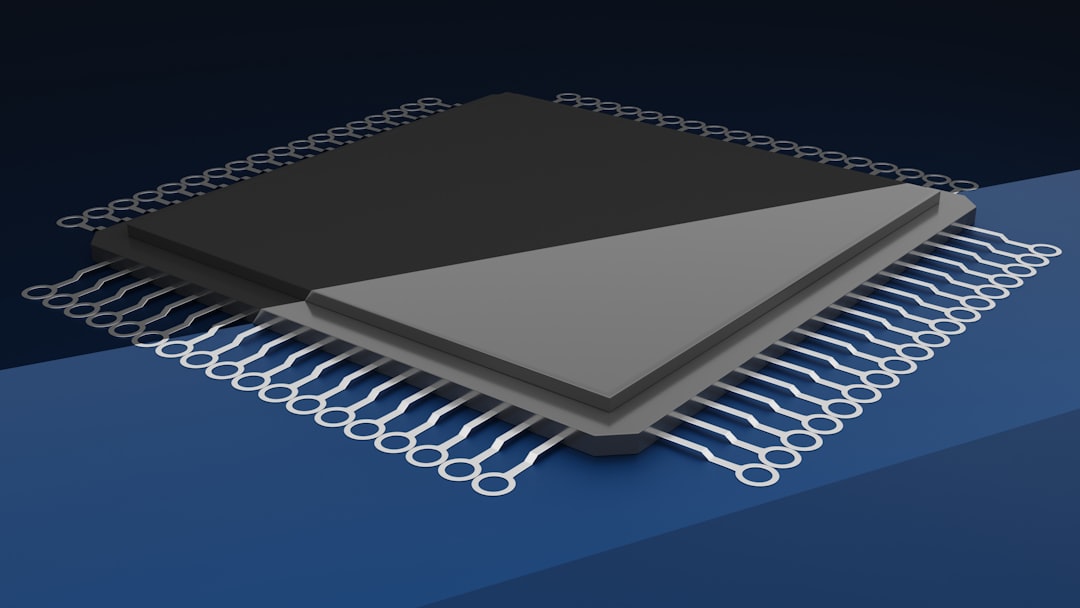
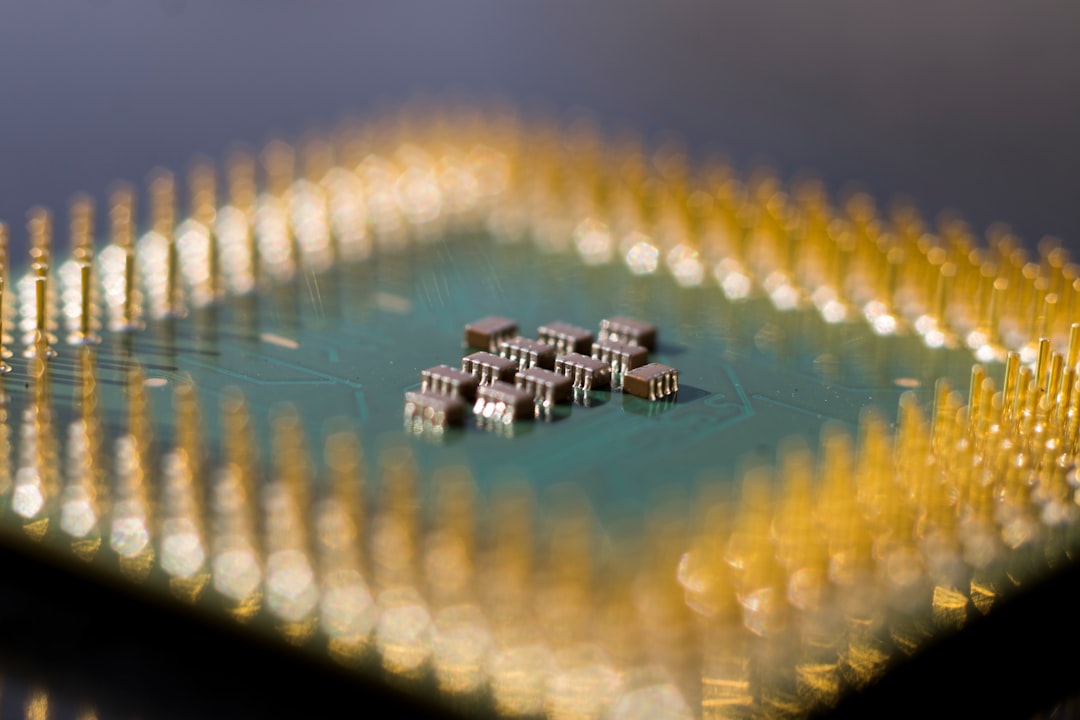
    AI semiconductor chip close-up wafer fabrication 2026

    1. The 2nm Era Has Officially Arrived โ€” And It’s Complicated

    By early 2026, TSMC’s N2 (2-nanometer class) process has moved from limited production into broader commercial deployment, with Samsung’s SF2 node following closely behind. But here’s the thing โ€” the jump from 3nm to 2nm isn’t just about cramming more transistors onto a wafer. It’s about Gate-All-Around (GAA) transistor architecture becoming the dominant design paradigm.

    GAA transistors wrap the gate material around all four sides of the channel, giving engineers far better control over electron flow than the old FinFET design. The practical result? We’re looking at roughly 15โ€“20% performance gains alongside 25โ€“30% power efficiency improvements compared to equivalent 3nm chips. For AI workloads โ€” which are notoriously power-hungry โ€” that’s genuinely transformative.

    NVIDIA’s Blackwell Ultra architecture, now shipping in volume, leverages these process advances to deliver inference performance that would have required a small data center just three years ago. Meanwhile, AMD’s MI400 series chips are pushing the boundaries of HBM4 memory bandwidth, which has become the critical bottleneck for large language model inference.

    2. Memory Bandwidth: The Unsung Hero (and Bottleneck) of AI Chips

    Here’s something that doesn’t get enough attention in mainstream coverage: raw compute power means almost nothing if your chip is starving for data. This is the so-called “memory wall,” and in 2026, it’s become the central battlefield of AI hardware design.

    SK Hynix began mass production of HBM4 (High Bandwidth Memory 4th generation) in late 2025, offering peak bandwidth exceeding 2 TB/s per stack โ€” roughly double what HBM3e delivered. This matters enormously because transformer-based AI models spend most of their time shuffling weights and activations between compute units and memory, not actually computing.

    Micron and Samsung are countering with innovations in Compute-in-Memory (CiM) architectures, where certain mathematical operations happen directly within the memory array itself, bypassing the bandwidth bottleneck entirely. Early commercial implementations are showing promising results for specific inference tasks, though training large models still relies on conventional approaches.

    3. Domestic and International Landscape: Who’s Winning, Who’s Catching Up

    Let’s be honest about the global picture, because it’s genuinely nuanced:

    • United States: NVIDIA remains the dominant force in AI training silicon, but Intel’s Gaudi 3 Ultra has carved out real market share in cloud inference, particularly among cost-sensitive deployments. The CHIPS Act investments are starting to show tangible results, with Intel’s Ohio fab expanding capacity significantly.
    • South Korea: Samsung and SK Hynix continue to hold commanding positions in HBM memory โ€” arguably the most strategically important component in the AI chip stack right now. Samsung’s foundry division (Samsung Foundry) is aggressively courting AI chip startups looking for alternatives to TSMC’s increasingly backlogged capacity.
    • Taiwan: TSMC’s competitive moat remains formidable. Their CoWoS (Chip-on-Wafer-on-Substrate) advanced packaging technology is currently the only production-ready solution capable of integrating the massive die stacks that cutting-edge AI accelerators require. Demand continues to outpace capacity well into 2026.
    • China: Despite export restrictions limiting access to leading-edge nodes, companies like Cambricon and Biren Technology are iterating rapidly on 7nm-class designs optimized for domestic cloud AI workloads. The gap is real but not insurmountable for inference-focused applications.
    • Startups to watch: Groq (inference-focused LPU architecture), Cerebras (wafer-scale computing), and Tenstorrent (RISC-V based AI cores) are all shipping commercial hardware in 2026 and challenging conventional GPU assumptions for specific workloads.
    global AI chip supply chain map semiconductor ecosystem 2026

    4. The Efficiency Revolution: Edge AI Chips Are Growing Up

    Not every AI application needs a data center. In fact, some of the most exciting semiconductor innovation happening right now is targeting the edge โ€” meaning devices that run AI locally without constant cloud connectivity.

    Apple’s M5 series chips (introduced in late 2025) demonstrated that a Neural Processing Unit (NPU) integrated into a consumer chip could handle surprisingly sophisticated on-device AI tasks, from real-time language translation to complex image understanding. Qualcomm’s Snapdragon 8 Elite 2 follows a similar philosophy for mobile platforms, with dedicated AI acceleration claiming up to 50 TOPS (Tera Operations Per Second) for on-device inference.

    What’s particularly interesting here is the software-hardware co-design trend. Chip architects are increasingly designing silicon in close collaboration with AI framework teams โ€” essentially asking “what mathematical patterns show up most often in modern neural networks?” and then building custom silicon pathways for exactly those patterns. It’s a fundamentally different approach from the general-purpose GPU strategy that dominated the last decade.

    5. Realistic Considerations: What This Means If You’re Not a Chip Engineer

    Fair point โ€” most of us aren’t designing silicon. So what does this wave of innovation actually mean in practical terms?

    • For businesses: Cloud AI inference costs are dropping meaningfully as more efficient chips reach market. If you shelved an AI application idea because the API costs were prohibitive in 2024, it’s worth revisiting the economics in 2026.
    • For developers: The proliferation of capable NPUs in consumer devices means on-device inference is increasingly viable. Consider whether your application genuinely needs cloud connectivity or whether local processing could offer better privacy and lower latency.
    • For investors and strategists: The memory supply chain โ€” particularly HBM โ€” remains a chokepoint worth understanding. Companies that control HBM capacity have unusual leverage in the AI infrastructure stack.
    • For curious learners: If you want to understand this space more deeply, start with the basics of how transformer models work computationally โ€” because almost every architectural decision in modern AI chips is optimized around transformer workloads.

    The semiconductor industry has always operated on cycles of breathtaking ambition followed by hard engineering reality checks. What feels different in 2026 is the alignment of incentives โ€” massive capital investment, geopolitical urgency, and genuine commercial demand are all pushing in the same direction simultaneously. That combination tends to produce remarkable things.

    The honest alternative perspective worth holding onto: not every application needs the bleeding edge. A well-optimized model running on 5nm hardware from two years ago can still accomplish extraordinary things. The chip race matters enormously at the frontier, but most real-world AI deployment decisions involve more mundane tradeoffs around cost, reliability, and developer tooling than pure silicon performance.

    Editor’s Comment : What genuinely excites me about the 2026 AI semiconductor landscape isn’t any single chip or benchmark โ€” it’s the conceptual diversity. We’re seeing radically different bets on architecture, memory design, and packaging technology all competing simultaneously. History suggests that periods of architectural pluralism like this one tend to produce the unexpected breakthroughs that define the next decade. Stay curious, and don’t let any single narrative about “who’s winning” substitute for understanding the actual engineering tradeoffs at play.

    ํƒœ๊ทธ: [‘AI semiconductor 2026’, ‘AI chip technology trends’, ‘TSMC 2nm GAA’, ‘HBM4 memory bandwidth’, ‘edge AI chips’, ‘NVIDIA Blackwell Ultra’, ‘AI hardware innovation’]

  • 2026๋…„ AI ๋ฐ˜๋„์ฒด ์ตœ์‹  ๊ธฐ์ˆ  ๋™ํ–ฅ ์ด์ •๋ฆฌ โ€” ์ง€๊ธˆ ๊ฐ€์žฅ ๋œจ๊ฑฐ์šด ์นฉ ์ „์Ÿ์˜ ํ˜„์ฃผ์†Œ

    ์ง€๋‚œํ•ด ๋ง, ํ•œ ๋Œ€ํ˜• ๋ฐ์ดํ„ฐ์„ผํ„ฐ ์šด์˜์‚ฌ์˜ CTO๊ฐ€ ๊ณต๊ฐœ ์ธํ„ฐ๋ทฐ์—์„œ ์ด๋Ÿฐ ๋ง์„ ํ–ˆ์–ด์š”. “์šฐ๋ฆฌ๊ฐ€ ์ง€๊ธˆ ๊ฐ€์žฅ ๋‘๋ ค์›Œํ•˜๋Š” ๊ฑด ์ „๋ ฅ ๋ถ€์กฑ์ด ์•„๋‹ˆ๋ผ, ์นฉ ๋ถ€์กฑ์ž…๋‹ˆ๋‹ค.” AI ๋ชจ๋ธ์ด ๊ณ ๋„ํ™”๋ ์ˆ˜๋ก ์—ฐ์‚ฐ์„ ์ฒ˜๋ฆฌํ•  ๋ฐ˜๋„์ฒด ์ˆ˜์š”๋Š” ๊ธฐํ•˜๊ธ‰์ˆ˜์ ์œผ๋กœ ๋Š˜์–ด๋‚˜๋Š”๋ฐ, ๊ณต๊ธ‰์€ ์—ฌ์ „ํžˆ ์ˆ˜์š”๋ฅผ ๋”ฐ๋ผ๊ฐ€์ง€ ๋ชปํ•˜๊ณ  ์žˆ๋Š” ์ƒํ™ฉ์ด๋ผ๊ณ  ๋ด…๋‹ˆ๋‹ค. 2026๋…„ ํ˜„์žฌ, AI ๋ฐ˜๋„์ฒด ์‹œ์žฅ์€ ๋‹จ์ˆœํ•œ ‘์„ฑ์žฅ’์„ ๋„˜์–ด ๊ตญ๊ฐ€ ๊ฐ„ ํŒจ๊ถŒ ๊ฒฝ์Ÿ์˜ ํ•ต์‹ฌ ์ž์›์œผ๋กœ ์ž๋ฆฌ ์žก์•˜์–ด์š”. ์˜ค๋Š˜์€ ์ง€๊ธˆ ์ด ์ˆœ๊ฐ„ AI ๋ฐ˜๋„์ฒด ์—…๊ณ„์—์„œ ๋ฌด์Šจ ์ผ์ด ๋ฒŒ์–ด์ง€๊ณ  ์žˆ๋Š”์ง€, ํ•จ๊ป˜ ์งš์–ด๋ณด๊ฒ ์Šต๋‹ˆ๋‹ค.

    AI semiconductor chip close-up technology 2026

    ๐Ÿ“Š ๋ณธ๋ก  1 โ€” ์ˆซ์ž๋กœ ๋ณด๋Š” 2026๋…„ AI ๋ฐ˜๋„์ฒด ์‹œ์žฅ ๊ทœ๋ชจ

    ์‹œ์žฅ์กฐ์‚ฌ๊ธฐ๊ด€๋“ค์˜ ์ง‘๊ณ„์— ๋”ฐ๋ฅด๋ฉด, 2026๋…„ ๊ธ€๋กœ๋ฒŒ AI ๋ฐ˜๋„์ฒด ์‹œ์žฅ ๊ทœ๋ชจ๋Š” ์•ฝ 1,800์–ต ๋‹ฌ๋Ÿฌ(์•ฝ 240์กฐ ์›)์— ๋‹ฌํ•  ๊ฒƒ์œผ๋กœ ์ถ”์ •๋ฉ๋‹ˆ๋‹ค. ๋ถˆ๊ณผ 3๋…„ ์ „์ธ 2023๋…„์˜ ์•ฝ 450์–ต ๋‹ฌ๋Ÿฌ์™€ ๋น„๊ตํ•˜๋ฉด 4๋ฐฐ ์ด์ƒ ํญ๋ฐœ์ ์œผ๋กœ ์„ฑ์žฅํ•œ ์ˆ˜์น˜์˜ˆ์š”.

    ํŠนํžˆ ์ฃผ๋ชฉํ•  ๋งŒํ•œ ์ง€ํ‘œ๋Š” HBM(High Bandwidth Memory, ๊ณ ๋Œ€์—ญํญ ๋ฉ”๋ชจ๋ฆฌ) ์ˆ˜์š” ์ฆ๊ฐ€์œจ์ธ๋ฐ์š”. AI ๊ฐ€์†๊ธฐ์— ํƒ‘์žฌ๋˜๋Š” HBM3E ๋ฐ ์ฐจ์„ธ๋Œ€ HBM4์˜ ์ˆ˜์š”๋Š” 2026๋…„ ๊ธฐ์ค€ ์ „๋…„ ๋Œ€๋น„ ์•ฝ 65% ์ด์ƒ ์ฆ๊ฐ€ํ•œ ๊ฒƒ์œผ๋กœ ํŒŒ์•…๋˜๊ณ  ์žˆ์–ด์š”. AI ํ•™์Šต(Training)๊ณผ ์ถ”๋ก (Inference) ๋ชจ๋‘์—์„œ ๋Œ€์šฉ๋Ÿ‰ยท๊ณ ์† ๋ฉ”๋ชจ๋ฆฌ ๋Œ€์—ญํญ์ด ํ•„์ˆ˜์ ์œผ๋กœ ์š”๊ตฌ๋˜๊ธฐ ๋•Œ๋ฌธ์ธ ๊ฒƒ ๊ฐ™์Šต๋‹ˆ๋‹ค.

    ๋˜ํ•œ ์ „๋ ฅ ํšจ์œจ(Power Efficiency) ์ธก๋ฉด์—์„œ๋„ ๊ฒฝ์Ÿ์ด ์น˜์—ดํ•ด์กŒ์–ด์š”. ์ตœ์‹  AI ๊ฐ€์†๊ธฐ๋“ค์€ TOPS/W(ํ…Œ๋ผ ์—ฐ์‚ฐ/์™€ํŠธ) ์ง€ํ‘œ๋ฅผ ํ•ต์‹ฌ ๊ฒฝ์Ÿ๋ ฅ์œผ๋กœ ๋‚ด์„ธ์šฐ๊ณ  ์žˆ๋Š”๋ฐ, 2026๋…„ ์ถœ์‹œ๋œ ์ฃผ์š” ์นฉ๋“ค์€ 2~3์„ธ๋Œ€ ์ „ ์ œํ’ˆ ๋Œ€๋น„ ์—๋„ˆ์ง€ ํšจ์œจ์ด ํ‰๊ท  2.5๋ฐฐ~3๋ฐฐ ํ–ฅ์ƒ๋๋‹ค๊ณ  ๋ด…๋‹ˆ๋‹ค. ๋ฐ์ดํ„ฐ์„ผํ„ฐ ์ „๋ ฅ ๋น„์šฉ์ด ์ฒœ๋ฌธํ•™์ ์œผ๋กœ ์˜ค๋ฅด๋ฉด์„œ, ์ด์ œ ์„ฑ๋Šฅ๋งŒํผ์ด๋‚˜ ‘ํšจ์œจ’์ด ๊ตฌ๋งค ๊ฒฐ์ •์˜ ํ•ต์‹ฌ ๊ธฐ์ค€์ด ๋œ ์…ˆ์ด์—์š”.

    ๐ŸŒ ๋ณธ๋ก  2 โ€” ๊ตญ๋‚ด์™ธ ์ฃผ์š” ํ”Œ๋ ˆ์ด์–ด๋“ค์˜ ์ตœ์‹  ํ–‰๋ณด

    ์—”๋น„๋””์•„(NVIDIA)๋Š” ์—ฌ์ „ํžˆ AI ๋ฐ˜๋„์ฒด ์‹œ์žฅ์˜ ์ ˆ๋Œ€ ๊ฐ•์ž ์œ„์น˜๋ฅผ ์œ ์ง€ํ•˜๊ณ  ์žˆ์–ด์š”. ๋ธ”๋ž™์›ฐ(Blackwell) ์•„ํ‚คํ…์ฒ˜ ๊ธฐ๋ฐ˜์˜ GB200 ์‹œ๋ฆฌ์ฆˆ๊ฐ€ ์ฃผ์š” ํด๋ผ์šฐ๋“œ ์‚ฌ์—…์ž๋“ค์—๊ฒŒ ๊ณต๊ธ‰๋˜๊ณ  ์žˆ์œผ๋ฉฐ, ํ›„์† ์•„ํ‚คํ…์ฒ˜์ธ ‘๋ฃจ๋นˆ(Rubin)’ ํ”Œ๋žซํผ์ด 2026๋…„ ํ•˜๋ฐ˜๊ธฐ ๋ณธ๊ฒฉ ์–‘์‚ฐ ๋‹จ๊ณ„์— ๋“ค์–ด๊ฐ„ ๊ฒƒ์œผ๋กœ ์•Œ๋ ค์ ธ ์žˆ์–ด์š”. ๋ฃจ๋นˆ์€ TSMC์˜ ์ฐจ์„ธ๋Œ€ ๊ณต์ •๊ณผ HBM4๋ฅผ ํ•จ๊ป˜ ํƒ‘์žฌํ•ด ์ด์ „ ์„ธ๋Œ€ ๋Œ€๋น„ ์—ฐ์‚ฐ ๋ฐ€๋„๋ฅผ ํš๊ธฐ์ ์œผ๋กœ ๋Œ์–ด์˜ฌ๋ฆฐ ์ œํ’ˆ์ด๋ผ๊ณ  ๋ด…๋‹ˆ๋‹ค.

    AMD๋Š” MI350 ์‹œ๋ฆฌ์ฆˆ๋ฅผ ํ•„๋‘๋กœ ์—”๋น„๋””์•„์˜ CUDA ์ƒํƒœ๊ณ„์— ๊ท ์—ด์„ ๋‚ด๋ ค ์ง€์†์ ์œผ๋กœ ๋…ธ๋ ฅ ์ค‘์ด์—์š”. ํŠนํžˆ ์˜คํ”ˆ์†Œ์Šค ์†Œํ”„ํŠธ์›จ์–ด ์ƒํƒœ๊ณ„์ธ ROCm์„ ๊ฐ•ํ™”ํ•˜๋ฉด์„œ, ์†Œํ”„ํŠธ์›จ์–ด ์ข…์†์„ฑ์„ ์šฐ๋ คํ•˜๋Š” ํด๋ผ์šฐ๋“œ ๊ณ ๊ฐ๋“ค์„ ๊ณต๋žตํ•˜๋Š” ์ „๋žต์ด ์กฐ๊ธˆ์”ฉ ํšจ๊ณผ๋ฅผ ๋‚ด๊ณ  ์žˆ๋Š” ๊ฒƒ ๊ฐ™์Šต๋‹ˆ๋‹ค.

    ๊ตญ๋‚ด์—์„œ๋Š” ์‚ผ์„ฑ์ „์ž์™€ SKํ•˜์ด๋‹‰์Šค๊ฐ€ ๋ฉ”๋ชจ๋ฆฌ ๋ฐ˜๋„์ฒด ๋ถ„์•ผ์—์„œ ๊ธ€๋กœ๋ฒŒ ๊ณต๊ธ‰๋ง์˜ ํ•ต์‹ฌ ์—ญํ• ์„ ๋งก๊ณ  ์žˆ์–ด์š”. SKํ•˜์ด๋‹‰์Šค๋Š” HBM4 ์–‘์‚ฐ์—์„œ ๊ฒฝ์Ÿ์‚ฌ๋ณด๋‹ค ํ•œ๋ฐœ ์•ž์„  ๊ฒƒ์œผ๋กœ ํ‰๊ฐ€๋ฐ›๊ณ  ์žˆ์œผ๋ฉฐ, ์‚ผ์„ฑ์ „์ž ์—ญ์‹œ ํŒŒ์šด๋“œ๋ฆฌ ๊ฒฝ์Ÿ๋ ฅ ํšŒ๋ณต๊ณผ HBM ํ’ˆ์งˆ ์ธ์ฆ ํ™•๋ณด๋ฅผ ์œ„ํ•ด ์ด๋ ฅ์„ ๊ธฐ์šธ์ด๊ณ  ์žˆ๋Š” ์ƒํ™ฉ์ž…๋‹ˆ๋‹ค. ๋˜ํ•œ ๊ตญ๋‚ด ํŒน๋ฆฌ์Šค ์Šคํƒ€ํŠธ์—…๋“ค๋„ NPU(์‹ ๊ฒฝ๋ง์ฒ˜๋ฆฌ์žฅ์น˜) ๋ถ„์•ผ์—์„œ ์—ฃ์ง€ AI ์ „์šฉ ์นฉ์„ ๊ฐœ๋ฐœํ•˜๋ฉฐ ํ‹ˆ์ƒˆ ์‹œ์žฅ์„ ๊ณต๋žตํ•˜๊ณ  ์žˆ์–ด์š”.

    global semiconductor industry competition data center AI chips

    ๐Ÿ” 2026๋…„ AI ๋ฐ˜๋„์ฒด, ํ•ต์‹ฌ ๊ธฐ์ˆ  ํ‚ค์›Œ๋“œ ์ •๋ฆฌ

    • HBM4 (4์„ธ๋Œ€ ๊ณ ๋Œ€์—ญํญ ๋ฉ”๋ชจ๋ฆฌ) โ€” ๊ธฐ์กด HBM3E ๋Œ€๋น„ ๋Œ€์—ญํญ 2๋ฐฐ ์ด์ƒ, AI ๊ฐ€์†๊ธฐ์˜ ๋ณ‘๋ชฉ ํ˜„์ƒ์„ ์ค„์ด๋Š” ํ•ต์‹ฌ ๋ถ€ํ’ˆ.
    • ์นฉ๋ ›(Chiplet) ์•„ํ‚คํ…์ฒ˜ โ€” ์—ฌ๋Ÿฌ ๊ฐœ์˜ ์†Œํ˜• ๋‹ค์ด(Die)๋ฅผ ํ•˜๋‚˜์˜ ํŒจํ‚ค์ง€๋กœ ์—ฐ๊ฒฐํ•˜๋Š” ๋ฐฉ์‹. ์ˆ˜์œจ ํ–ฅ์ƒ๊ณผ ๋น„์šฉ ์ ˆ๊ฐ์„ ๋™์‹œ์— ๋…ธ๋ฆด ์ˆ˜ ์žˆ์–ด์š”.
    • ๊ด‘ ์ธํ„ฐ์ปค๋„ฅํŠธ(Optical Interconnect) โ€” ๊ตฌ๋ฆฌ ๋ฐฐ์„  ๋Œ€์‹  ๋น›(๊ด‘์‹ ํ˜ธ)์œผ๋กœ ์นฉ ๊ฐ„ ๋ฐ์ดํ„ฐ๋ฅผ ์ „์†ก, ์ „๋ ฅ ์†Œ๋น„์™€ ๋ ˆ์ดํ„ด์‹œ๋ฅผ ํš๊ธฐ์ ์œผ๋กœ ์ค„์ด๋Š” ์ฐจ์„ธ๋Œ€ ๊ธฐ์ˆ .
    • In-Memory Computing (PIM) โ€” ๋ฉ”๋ชจ๋ฆฌ ๋‚ด๋ถ€์—์„œ ์ง์ ‘ ์—ฐ์‚ฐ์„ ์ˆ˜ํ–‰ํ•ด ๋ฐ์ดํ„ฐ ์ด๋™์„ ์ตœ์†Œํ™”ํ•˜๋Š” ๊ตฌ์กฐ. ์—๋„ˆ์ง€ ํšจ์œจ ๊ทน๋Œ€ํ™”์— ์œ ๋ฆฌํ•œ ๊ฒƒ ๊ฐ™์Šต๋‹ˆ๋‹ค.
    • ์†Œ๋ฒ„๋ฆฐ AI ์นฉ (Sovereign AI Chip) โ€” ํŠน์ • ๊ตญ๊ฐ€๋‚˜ ๊ธฐ์—…์ด ์™ธ๋ถ€ ์˜์กด๋„๋ฅผ ์ค„์ด๊ธฐ ์œ„ํ•ด ๋…์ž ๊ฐœ๋ฐœํ•˜๋Š” AI ์ „์šฉ ๋ฐ˜๋„์ฒด. EU, ์ผ๋ณธ, ์ค‘๋™ ๊ตญ๊ฐ€๋“ค์ด ์ ๊ทน์ ์œผ๋กœ ํˆฌ์ž ์ค‘์ด์—์š”.
    • ASIC ์ถ”๋ก  ์นฉ โ€” ๊ตฌ๊ธ€ TPU, ์•„๋งˆ์กด Trainium/Inferentia์ฒ˜๋Ÿผ, ํŠน์ • AI ํƒœ์Šคํฌ์— ํŠนํ™”๋œ ๋งž์ถคํ˜• ์นฉ. ๋ฒ”์šฉ GPU ๋Œ€๋น„ ์ถ”๋ก (Inference) ๋น„์šฉ์„ ํฌ๊ฒŒ ๋‚ฎ์ถœ ์ˆ˜ ์žˆ๋‹ค๊ณ  ๋ด…๋‹ˆ๋‹ค.

    ๐Ÿ’ก ๊ฒฐ๋ก  โ€” AI ๋ฐ˜๋„์ฒด, ์šฐ๋ฆฌ๋Š” ์–ด๋–ป๊ฒŒ ๋ฐ”๋ผ๋ด์•ผ ํ• ๊นŒ์š”?

    AI ๋ฐ˜๋„์ฒด ๊ฒฝ์Ÿ์€ ๋‹จ์ˆœํžˆ ํ…Œํฌ ๊ธฐ์—…๋“ค๋งŒ์˜ ์ด์•ผ๊ธฐ๊ฐ€ ์•„๋‹Œ ๊ฒƒ ๊ฐ™์•„์š”. ์—๋„ˆ์ง€ ์ •์ฑ…, ๊ตญ๊ฐ€ ์•ˆ๋ณด, ๊ณต๊ธ‰๋ง ์™ธ๊ต๊นŒ์ง€ ์–ฝํ˜€ ์žˆ๋Š” ๋ณตํ•ฉ์ ์ธ ์ด์Šˆ๋กœ ๋ฒˆ์ง€๊ณ  ์žˆ์–ด์š”. ์†Œ๋น„์ž๋‚˜ ๊ธฐ์—… ์ž…์žฅ์—์„œ๋Š” ๋‹น์žฅ ์–ด๋–ค ํด๋ผ์šฐ๋“œ ์„œ๋น„์Šค๋ฅผ ์“ธ์ง€, ์–ด๋–ค AI ์†”๋ฃจ์…˜์„ ๋„์ž…ํ• ์ง€ ์„ ํƒํ•˜๋Š” ๊ณผ์ •์—์„œ ์ด๋ฏธ ์ด ๋ฐ˜๋„์ฒด ์ „์Ÿ์˜ ์˜ํ–ฅ์„ ๊ฐ„์ ‘์ ์œผ๋กœ ๋ฐ›๊ณ  ์žˆ๋‹ค๊ณ  ๋ด…๋‹ˆ๋‹ค.

    ํ˜„์‹ค์ ์ธ ๊ด€์ ์—์„œ๋Š”, ํŠน์ • ์นฉ ์ œ์กฐ์‚ฌ ํ•˜๋‚˜์— ์ง€๋‚˜์น˜๊ฒŒ ์˜์กดํ•˜๋Š” ๊ตฌ์กฐ๋ณด๋‹ค๋Š” ๋ฉ€ํ‹ฐ๋ฒค๋” ์ „๋žต์„ ๊ณ ๋ฏผํ•ด๋ณด๋Š” ๊ฒƒ์ด ๋ฆฌ์Šคํฌ ๊ด€๋ฆฌ ์ธก๋ฉด์—์„œ ์œ ๋ฆฌํ•  ๊ฒƒ ๊ฐ™์•„์š”. ๋˜ํ•œ ๊ตญ๋‚ด ๋ฐ˜๋„์ฒด ์‚ฐ์—…์˜ ๋™ํ–ฅ์„ ์ฃผ์‹œํ•˜๋ฉฐ, HBM์ด๋‚˜ ํŒŒ์šด๋“œ๋ฆฌ ๋ถ„์•ผ์—์„œ ๊ตญ๋‚ด ๊ธฐ์—…๋“ค์˜ ๊ธฐํšŒ๋ฅผ ์‘์›ํ•˜๋Š” ์‹œ์„ ๋„ ํ•„์š”ํ•˜๋‹ค๊ณ  ๋ด…๋‹ˆ๋‹ค.

    ์—๋””ํ„ฐ ์ฝ”๋ฉ˜ํŠธ : AI ๋ฐ˜๋„์ฒด๋Š” 2026๋…„ ํ˜„์žฌ ‘์žˆ์œผ๋ฉด ์ข‹์€ ๊ธฐ์ˆ ’์ด ์•„๋‹ˆ๋ผ ‘์—†์œผ๋ฉด ๋’ค์ฒ˜์ง€๋Š” ์ธํ”„๋ผ’๊ฐ€ ๋์–ด์š”. ๊ธฐ์ˆ ์˜ ๋น ๋ฅธ ํ๋ฆ„์— ์••๋„๋˜๊ธฐ๋ณด๋‹ค๋Š”, ํ•ต์‹ฌ ํ‚ค์›Œ๋“œ ๋ช‡ ๊ฐ€์ง€๋งŒ ์ž˜ ์ดํ•ดํ•ด๋„ ๋‰ด์Šค์™€ ์‹œ์žฅ์˜ ํ๋ฆ„์ด ํ›จ์”ฌ ๋ช…ํ™•ํ•˜๊ฒŒ ๋ณด์ผ ๊ฑฐ๋ผ๊ณ  ์ƒ๊ฐํ•ด์š”. ์˜ค๋Š˜ ์ •๋ฆฌํ•œ ๋‚ด์šฉ์ด ๊ทธ ์ฒซ๊ฑธ์Œ์ด ๋์œผ๋ฉด ํ•ฉ๋‹ˆ๋‹ค. ๐Ÿ˜Š

    ํƒœ๊ทธ: [‘AI๋ฐ˜๋„์ฒด’, ‘๋ฐ˜๋„์ฒด์ตœ์‹ ๋™ํ–ฅ’, ‘HBM4’, ‘์—”๋น„๋””์•„๋ฃจ๋นˆ’, ‘AI๊ฐ€์†๊ธฐ’, ‘์นฉ๋ ›์•„ํ‚คํ…์ฒ˜’, ‘2026๋ฐ˜๋„์ฒด์‹œ์žฅ’]