
A friend of mine — a sharp e-commerce founder — spent half a year grinding out blog content, only to watch his organic traffic flat-line. He’d picked his keywords by gut feeling, chased the biggest search volumes, and ignored everything else. Sound familiar? That painful story is exactly why I wanted to dig deep into what keyword research actually looks like in 2026, because the rules have quietly but fundamentally shifted under all of our feet.

Why Keyword Research Still Makes or Breaks Your SEO
Keyword research is an SEO practice of finding, analyzing, and using the phrases people use to search for information on the internet. Simple enough on the surface — but here’s what most guides won’t tell you upfront: the frame has completely changed. In 2026, keyword research goes beyond identifying high-volume keywords and focuses on intent, context, and real user value — it’s about knowing what users want, predicting trends, and providing value through intelligent, organized, contextual content.
Think of it this way: you’re no longer picking words, you’re mapping the entire thought process of a real human being at the moment they type something into Google — or increasingly, into an AI assistant. Keywords are still fundamental to SEO, but intent matters more today, and search engines now prioritize content that aligns with user intent and satisfies their needs.
The Big Shift: AI Search is Changing the Traffic Equation
Here’s a data point that genuinely stopped me mid-scroll: according to Semrush’s 2026 AI search traffic study, websites appearing in AI-generated answers receive an average of 15–20% more organic traffic compared to similar sites not featured in these responses. That’s not marginal — that’s the difference between a thriving content channel and a ghost town.
What does this mean practically? AI tools like ChatGPT and Perplexity process natural language queries differently than traditional search engines, so you should use prompt research tools to identify conversational queries in your niche — users ask AI tools questions like “What are the most effective SEO strategies for my small business?” rather than simply typing “small business SEO.” Your keyword list needs to include these full conversational phrases, not just head terms.
The Keyword Type Matrix: What to Target and When
Not all keywords deserve the same energy. Here’s how to think about the mix in 2026:
- Head / Short-tail keywords (e.g., “SEO tips”): High volume, high competition. Good for brand awareness, brutal for new sites.
- Long-tail keywords: More specific, lower competition, and easier to rank for — for example, “best free SEO tools for beginners 2026” versus just “SEO tools.”
- Intent-driven keywords: These match the searcher’s goal — whether getting extra information (“how to optimize meta tags”) or making a purchase (“Semrush pricing”).
- LSI / Semantic keywords: Related terms that help Google understand the full topic of your content, not just a single phrase.
- Commercial & transactional keywords: While informational content builds authority, commercial and transactional keywords drive revenue — so balance both in your content calendar.
- Comparison & modifier keywords: Terms with words like ‘best’, ‘2026’, or ‘free’ help drive bottom-of-funnel traffic.
The Best Tools for the Job in 2026 — Real Cost Breakdown
Let’s talk tools, because this is where people overspend or under-equip themselves. Ahrefs has deeper historical SERP data and more features for analyzing what content performs best in terms of links and shares, while Semrush nails competitor analysis — showing exactly what keywords your rivals rank for and letting you drill down by URL.
If you’re budget-conscious, the stack looks like this:
- Semrush Keyword Magic Tool: Displays important data for each keyword including monthly search volume, keyword difficulty, and cost-per-click (CPC). Paid plans required for full data.
- KWFinder (Mangools): The preferred choice for finding low-competition keywords in 2026, with a user-friendly interface masking sophisticated algorithms that identify long-tail opportunities competitors often overlook. Plans start at $29.90/month.
- SpyFu: Specializes in competitive keyword intelligence, and the 2026 version includes historical ranking data going back 15 years, revealing long-term SEO trends and seasonal patterns. Starts at $39/month.
- KeywordTool.io: Beyond Google, generates keyword suggestions from YouTube, Bing, Amazon, eBay, and even TikTok — and generates up to 750 long-tail keyword suggestions from a single seed term.
- AnswerThePublic: Has evolved beyond simple question research to become a comprehensive intent-mapping tool by 2026, now categorizing keywords by user intent stages from awareness through decision-making. Free tier available; paid plans from $99/month.
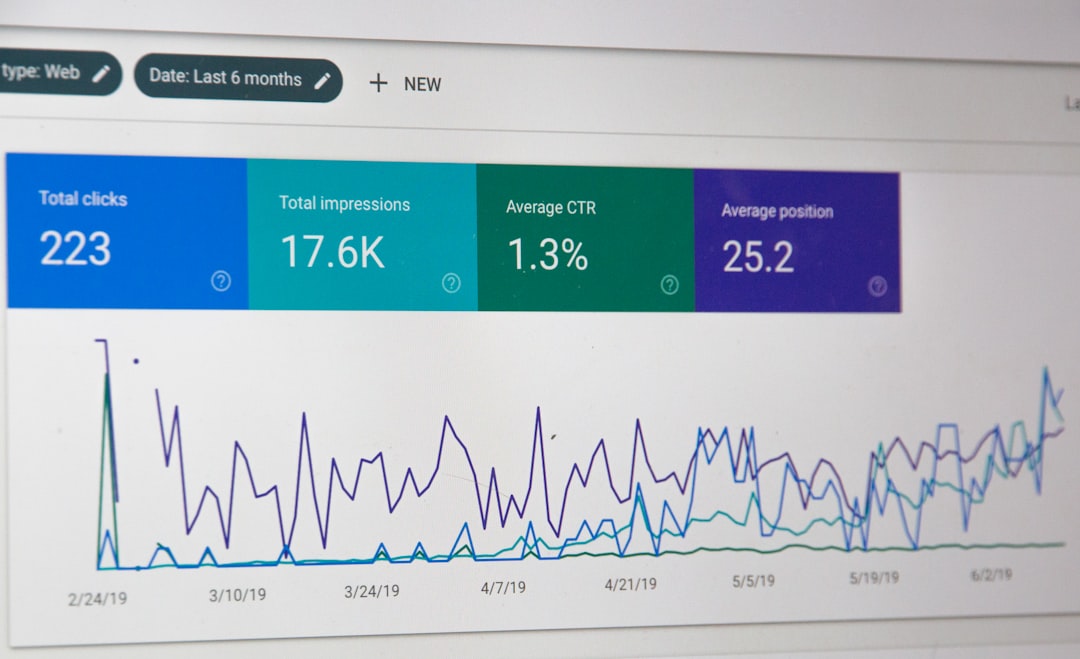
- Google Search Console (Free): The best way to check your current keyword rankings — navigate to the Search Results report and look at keyword rankings under the Queries tab. Often reveals surprising ranking opportunities you haven’t optimized for yet.
The Step-by-Step Research Process That Actually Works
Here’s the workflow I’d follow right now, combining the best of what the data shows:
- Start with seed topics. List 5–10 broad themes your audience cares about. Don’t overthink it — what questions do they ask you repeatedly?
- Expand with tools. Use a combination of tools such as Ahrefs, Semrush, Google Search Console, AnswerThePublic, and even AI-based tools such as ChatGPT to find question-based and intent-based keywords.
- Mine Google Suggest. Use Google Suggest — the list of suggestions that appear when you start searching — as perfect candidates for potential keywords, and as a bonus, these suggestions are usually long-tail keywords.
- Run a keyword gap analysis. A gap analysis tool will generate a list of keywords for which your competitors already have rankings but your site doesn’t — these are prime opportunities to target to gain visibility in the same SERPs.
- Cluster and organize. Group terms into logical keyword clusters to build out comprehensive content strategies rather than chasing single keywords in isolation.
- Prioritize by intent + difficulty. Target a mix of high-volume head terms and specific long-tail keywords — for example, “SEO tips” (high volume, high difficulty) versus “local SEO strategies for restaurants” (lower volume, more specific intent).
- Monitor and iterate. Keyword trends for 2026 are constantly evolving, and your keyword strategy should evolve as well — regularly updating your keyword research ensures that your SEO efforts remain relevant, effective, and competitive.
The One Mistake That Sinks Most Keyword Strategies
High volume keyword obsession. My friend from the intro? He was chasing 50,000 searches/month keywords with a brand-new domain — a mismatch that practically guarantees frustration. Don’t just rely on keyword volume — consider the actual value of the keyword, meaning whether it’s helpful for potential customers in terms of user intent and commercial value.
Also, and I can’t stress this enough: modern SEO strategies in 2026 prioritize user intent and experience over keyword stuffing. Keyword stuffing is an outdated technique — do not try to stuff the exact match keyword into a post to meet a certain keyword density, because there is no ideal number and never was.
When You Don’t Need to Reinvent the Wheel
If you’re a solo blogger or small business and the full-blown tool stack feels overwhelming — breathe. Here are realistic, tiered starting points:
- Zero budget: Google Search Console + Google Suggest + AnswerThePublic free tier. Covers 80% of what you need to start.
- $30/month budget: KWFinder (Mangools suite) — excellent for long-tail research without the enterprise price tag.
- $100+/month budget: Semrush or Ahrefs for full competitive intelligence, gap analysis, and rank tracking.
SEO in 2026 centers on three core principles: creating high-quality content that serves user intent, building authority through credible signals, and making your pages technically accessible to both search engines and AI systems. Keyword research is the foundation of all three — get it right, and everything downstream becomes easier.
Bottom line from the trenches: Stop hunting the biggest keyword and start hunting the right keyword. The searcher sitting behind that query is a real person with a specific need at a specific moment — your job is to meet them there, not impress a spreadsheet. Start with one cluster, nail the intent, measure what happens, then scale. That’s the only keyword strategy that still compounds in 2026.
📚 관련된 다른 글도 읽어 보세요
- I Wasted 6 Months Chasing Volume — The 2026 Keyword Research Reset You Actually Need
- Why High-Volume Keywords Killed My Rankings — The 2026 Intent-First Reset
- I Wasted 6 Months Chasing Volume — The Real Keyword Research Strategy for 2026
태그: []