
Picture this: you’re in a smart factory in Stuttgart, Germany, and a robotic arm on the assembly line needs to make a split-second decision to avoid a collision. It sends a request to a data center 800 miles away… and waits. That fraction-of-a-second delay? It could mean a crushed component — or worse. This exact scenario is why the edge computing vs cloud computing debate has moved from nerdy tech forums straight into boardrooms, hospital corridors, and even our living rooms in 2026.
But here’s the thing — this isn’t really an “either/or” battle. Let’s think through this together, because the answer to “which is better” is almost always: it depends on what you’re actually trying to do.
What Exactly Are We Comparing?
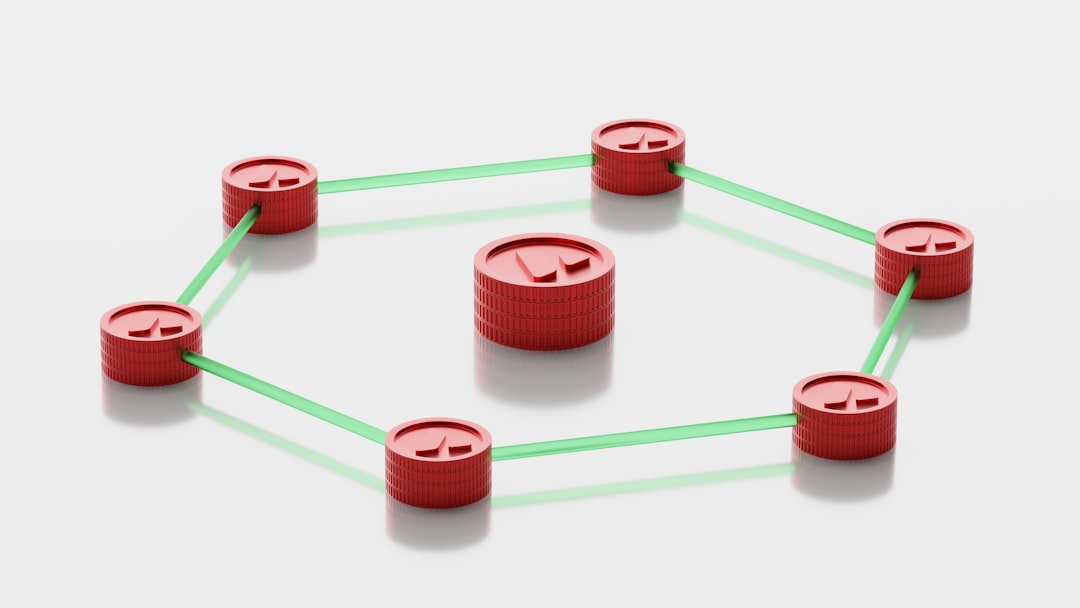
Before we dive into the numbers, let’s get our bearings. Cloud computing means your data and processing happen on remote servers — think AWS, Google Cloud, or Microsoft Azure — accessed over the internet. It’s centralized, powerful, and endlessly scalable. Edge computing, on the other hand, pushes computation closer to where data is actually generated — on local devices, gateways, or micro data centers near the “edge” of the network.
Think of cloud as a massive library downtown that has everything, and edge as a small but lightning-fast bookshelf right in your office. Both serve a purpose. The trick is knowing when to use which.
The Numbers in 2026: A Market That’s Exploding
The data tells a compelling story. According to Grand View Research’s 2026 report, the global edge computing market is projected to hit $232 billion by 2030, growing at a CAGR of roughly 37.4% from 2026. Meanwhile, cloud computing continues its dominance, with the market expected to surpass $1.2 trillion globally by 2028.
But raw market size can be misleading. The more interesting stat? Over 75% of enterprise-generated data in 2026 is now processed outside traditional centralized data centers, according to Gartner’s 2026 infrastructure report. That’s a seismic shift from just five years ago.
Latency is the headline differentiator. Cloud computing typically delivers latency in the range of 50–150 milliseconds, depending on geographic distance. Edge computing slashes that to 1–5 milliseconds in optimized deployments. For most web browsing or streaming, you’d never notice the difference. For autonomous vehicles, real-time medical imaging, or industrial automation? Those milliseconds are everything.
Where Cloud Still Wins — Hands Down
Let’s be honest about cloud’s strengths, because they’re genuinely impressive:
- Scalability on demand: Need to handle 10x your usual traffic during a product launch? Cloud scales in minutes. Edge infrastructure doesn’t have that elastic flexibility.
- Cost efficiency for small businesses: A startup in Seoul or São Paulo doesn’t need to invest in local hardware. Cloud services like AWS or Naver Cloud (popular in South Korea) let them operate globally from day one.
- Complex analytics and AI training: Training a large language model or running deep analytics across petabytes of historical data? Cloud’s centralized GPU farms are irreplaceable here.
- Disaster recovery and redundancy: Multi-region cloud deployments offer resilience that local edge nodes simply can’t match on their own.
- Collaboration tools: Platforms like Microsoft 365, Notion, and Google Workspace thrive in cloud environments where real-time multi-user access is essential.
Where Edge Computing Is Quietly Taking Over
Edge isn’t flashy — it doesn’t have the brand recognition of AWS or Azure — but in 2026, it’s showing up in places that genuinely matter:
- Healthcare: Samsung Medical Center in Seoul deployed edge nodes in 2025 for real-time MRI analysis, reducing radiologist wait times by 40%. The data never leaves the hospital floor, which also addresses HIPAA and Korea’s PIPA privacy regulations.
- Retail: Amazon’s Just Walk Out technology — now licensed to over 3,000 stores globally — relies on edge computing to process camera and sensor data in-store without round-tripping to the cloud.
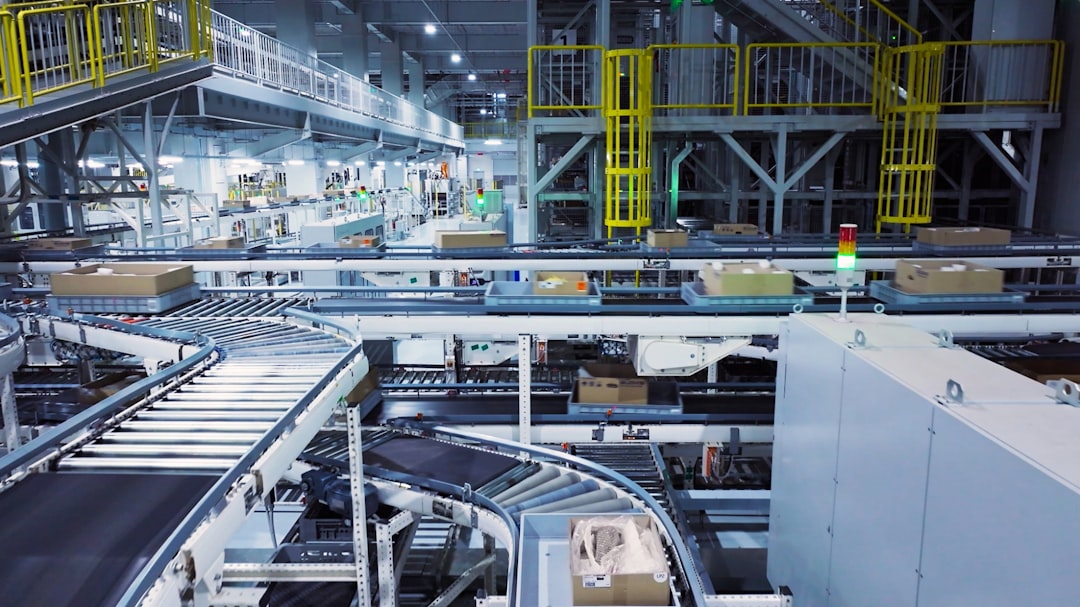
- Manufacturing (Industry 4.0): Siemens’ smart factories in Germany and China use edge gateways to monitor equipment in real time. Predictive maintenance algorithms running at the edge have reportedly cut unplanned downtime by 30% in some facilities.
- Autonomous vehicles: Tesla, Waymo, and South Korea’s own KakaoMobility all process the majority of sensor data on-board — a form of extreme edge computing — because waiting for a cloud response at 70 mph is simply not an option.
- 5G network slicing: Telecom providers like SK Telecom and Deutsche Telekom are embedding edge computing nodes directly into 5G infrastructure, enabling ultra-low-latency services at scale.
The Hybrid Reality of 2026
Here’s where the conversation gets really interesting. Most sophisticated deployments in 2026 aren’t choosing one over the other — they’re building hybrid architectures that use both strategically.
A practical example: A connected car generates roughly 4 terabytes of data per day. Processing all of that in the cloud would be prohibitively expensive and dangerously slow. So automakers use edge computing for real-time decisions (braking, lane detection), while shipping summarized, anonymized data to the cloud for fleet-wide analytics, software updates, and long-term AI model improvement.
This “process locally, learn globally” model is becoming the gold standard across industries — from precision agriculture using sensor-equipped drones in the American Midwest to smart city traffic management systems in Singapore.
Realistic Alternatives: What Should YOU Actually Do?
Okay, let’s get practical. Not everyone is building autonomous vehicles or running a smart factory. So here’s a realistic framework:
- If you’re a small business or solo entrepreneur: Cloud is almost certainly your answer. The cost-to-benefit ratio of edge hardware doesn’t make sense at small scale. Use managed cloud services and sleep well.
- If you’re in healthcare, manufacturing, or logistics: Start evaluating edge deployments — especially for data that is time-sensitive, privacy-sensitive, or generated in high volumes locally. But keep your analytics and storage in the cloud.
- If you’re a developer building apps: Consider edge functions (like Cloudflare Workers or AWS Lambda@Edge) as a middle ground — they run code closer to users without you managing physical hardware.
- If you’re an enterprise IT leader: In 2026, a hybrid strategy with clear governance on what data lives where is not optional — it’s a competitive necessity. Build your data classification policy first, then architect around it.
The biggest mistake organizations make is treating this as a binary choice driven by hype. Edge computing evangelists will tell you the cloud is dying (it isn’t). Cloud maximalists will tell you edge is just a niche solution (increasingly, it isn’t). The reality sits comfortably in the middle.
What I’d encourage you to ask yourself — or your team — is this: Where does my data actually need to be processed to deliver value, and how fast does that need to happen? Answer that honestly, and the architecture decision starts to become obvious.
Editor’s Comment : The edge vs. cloud debate in 2026 is less about competition and more about orchestration. The organizations winning right now aren’t the ones who picked a side — they’re the ones who built intelligent systems that know when to use each. If you’re just getting started, don’t let the complexity paralyze you. Pick the simplest solution that solves your problem today, and architect for flexibility tomorrow. The tools — and the options — have never been better.
📚 관련된 다른 글도 읽어 보세요
- 이벤트 드리븐 아키텍처 실무 적용 사례 총정리 — 2026년 현장에서 살아남는 설계 전략
- How to Implement Event-Driven Architecture in 2026: A Practical Guide for Modern Systems
- 도메인 주도 설계(DDD) 실전 가이드 2026 — 복잡한 비즈니스 로직, 이렇게 정복하세요
태그: [‘edge computing 2026’, ‘cloud computing comparison’, ‘edge vs cloud’, ‘hybrid cloud architecture’, ‘IoT edge computing’, ‘enterprise IT strategy 2026’, ‘distributed computing trends’]